

 Follow
 Rekomendasi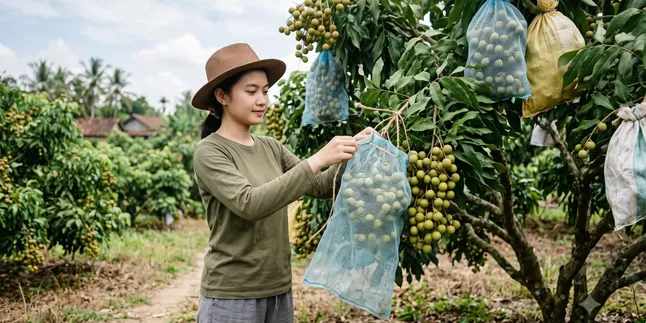
7 Ways to Grow Longan for Abundant and Sweet Fruits, Most Effective Booster and Pruning Techniques
Don't just plant! Discover the secrets of how to grow longan to yield abundant fruits using booster methods and targeted routine care here.
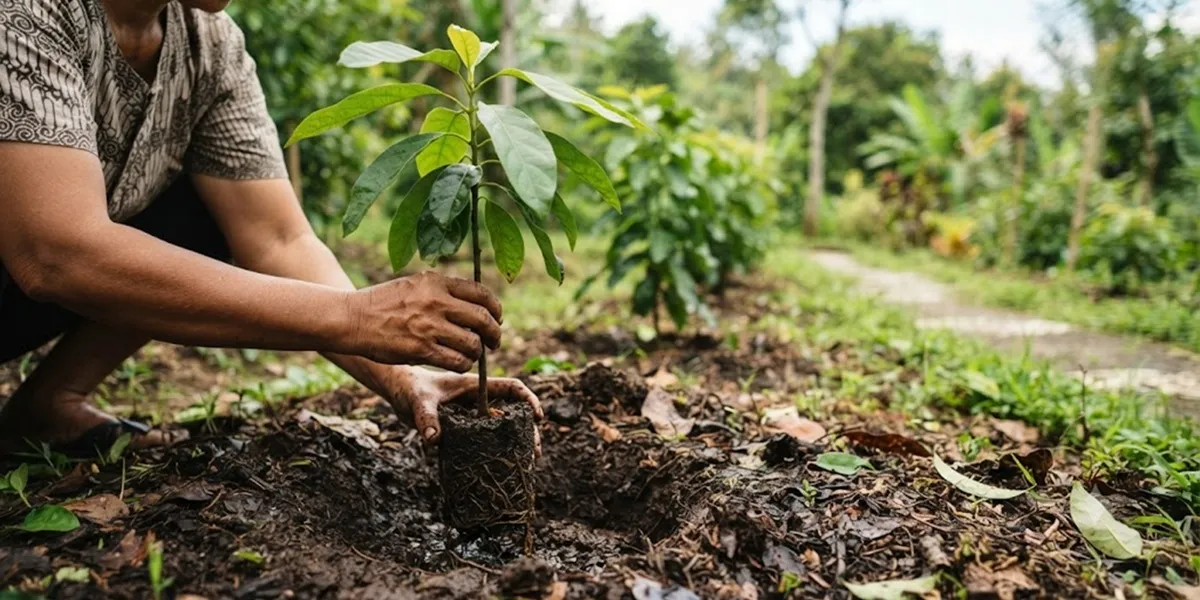
Kapanlagi.com - Planting avocado trees in pots is an interesting choice for plant lovers, especially for those with limited land. With the right techniques and care, you can enjoy delicious avocado fruit from your own mini garden. In this article, we will discuss how to plant avocado trees in pots to bear fruit quickly, from seed selection to the necessary care.
The steps outlined below cover all the important aspects you need to know. By following this guide, you will gain a better understanding of how to plant avocado trees in pots to achieve quick and optimal fruiting.
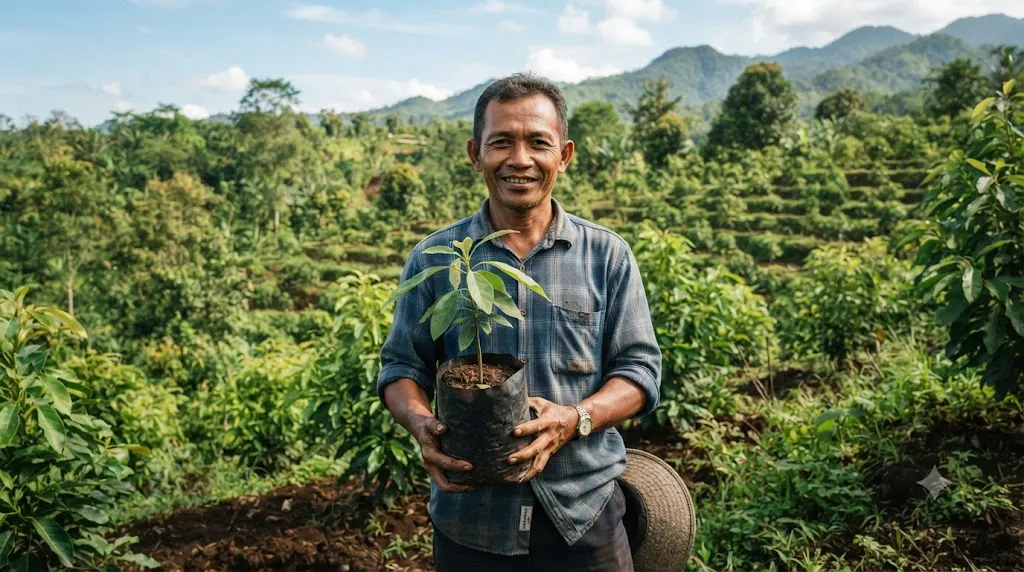
Selecting seeds is a crucial first step to ensure that the avocado tree in the pot can bear fruit quickly and produce quality fruit. It is recommended to choose seeds from vegetative propagation methods such as grafting or budding, as these types of seeds tend to fruit faster compared to seeds from pits. Grafted seeds can start bearing fruit in 2-4 years, and the quality of the fruit is guaranteed to be the same as that of the parent tree.
In addition, choose avocado varieties known for being precocious or quick to bear fruit and suitable for pot cultivation, such as Miki Avocado, Alligator, Pluwang, Hass (for highlands), Wurtz, or Shepard. Ensure that the selected seeds are healthy, have sturdy stems, fresh green leaves, and are free from defects, cracks, or signs of rot and pest diseases. Seeds with a grafting point of no more than 30 cm are also recommended as they will encourage branching at the bottom, which is ideal for potted plants.
Choosing the right seeds is very important for the success of planting. With quality seeds, you will find it easier to care for and achieve satisfying results from the avocado tree you plant in a pot.
The size of the pot greatly affects root growth and the plant's ability to bear fruit. Use a pot that is large enough, ideally with a diameter of at least 40-60 cm, or even 50-80 cm, to provide adequate space for the development of avocado roots. A pot that is too small can hinder root growth and ultimately affect fruit productivity.
Ensure that the pot has enough drainage holes, about 4-5 holes at the bottom, to prevent waterlogging. Waterlogging is the main enemy of avocado roots as it can cause root rot and plant death. Pots can be made from various materials such as thick plastic, cement, used drums, or planter bags, as long as they are sturdy and have good drainage.
By preparing the right pot, you provide ideal conditions for the roots to grow and develop. This will greatly influence the health and productivity of the avocado tree you plant in the pot.
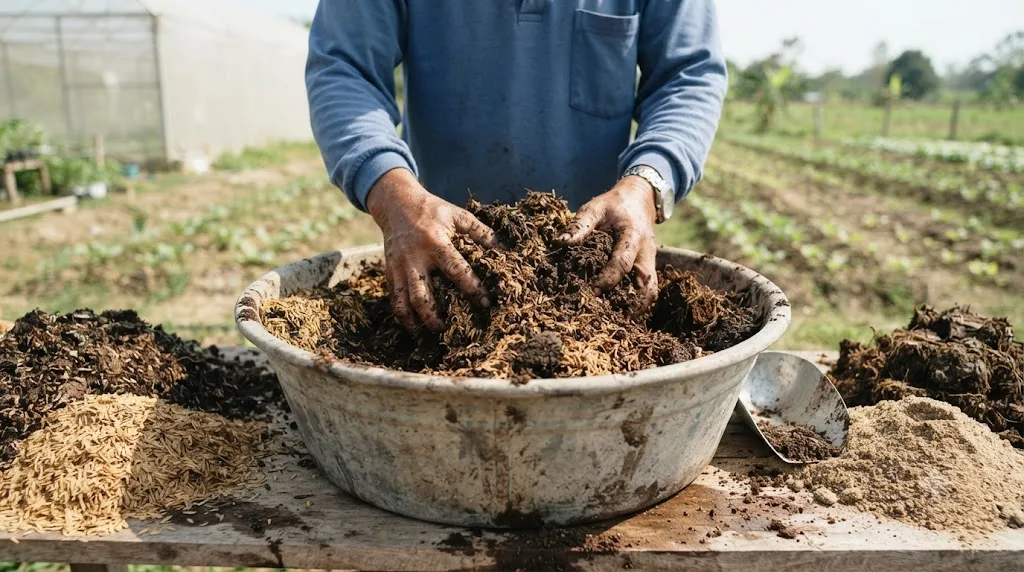
Good planting media should be loose, fertile, and have good drainage while still being able to retain moisture. A common recommended mixture is soil, compost, and sand. Some sources also suggest a mixture of soil, rice husks, and compost, or burnt soil, sand, and manure.
To improve aeration and ensure that the roots receive enough oxygen, the addition of perlite can also be done. It is also important to pay attention to the soil pH, where avocados grow optimally at a pH between 5.6 and 6.4. An unsuitable pH can interfere with the absorption of nutrients by the plant.
By using ideal planting media, you will create an environment that supports root growth and the development of the avocado tree. This is crucial to ensure that the plant can grow well and bear abundant fruit.
Once the pots and planting media are ready, the next step is to plant the seedlings. Carefully remove the seedlings from the polybag or their original container, ensuring that the soil clump around the roots does not break and the roots are not damaged. Make a planting hole in the center of the pot filled with planting media, adjusting the size to fit the size of the seedling's root ball.
Place the seedling in the center of the hole, ensuring that the grafting joint (if the seedling is grafted) is slightly above the soil surface. Cover the hole with planting media, gently compacting it so that the seedling stands firm and there are no air pockets around the roots. Immediately water the newly planted seedling with enough water until the planting media is moist.
The correct planting process will ensure that the seedling can adapt well to its new environment. With proper care, your avocado seedlings will grow well and be ready to bear fruit in a relatively short time.
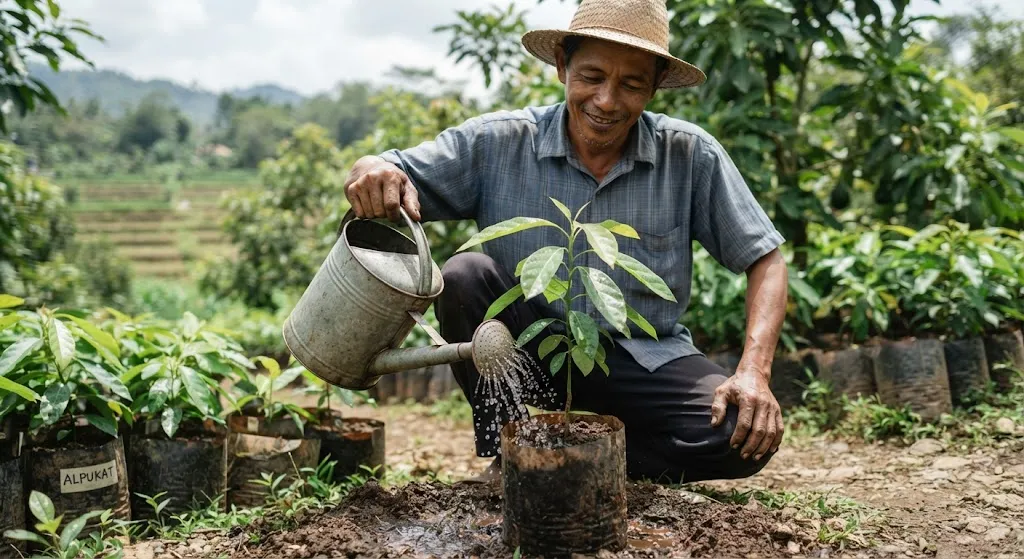
Watering is an important factor that must be considered, as avocados require sufficient moisture but are very sensitive to excess water which can cause root rot. The frequency of watering varies depending on the age of the plant and weather conditions; young trees need to be watered more often, even daily during the dry season, while mature trees require watering 2-3 times a week.
Watering should be done in the morning or evening to reduce excessive evaporation. Ensure that the soil remains moist but not waterlogged. During the flowering and fruit enlargement phases, extra attention to watering is necessary. The "water stress" technique can also be applied to stimulate flowering, by reducing watering until the plant slightly wilts, then watering again.
Proper watering will help maintain plant health and ensure that avocado trees can grow optimally. With good care, you will see satisfying harvest results from the plants you tend to.
Providing nutrition through routine fertilization is very important to support vegetative growth and stimulate fruit formation. Organic fertilizers such as manure or compost can be applied every two months to improve soil structure and supply nutrients. In addition to organic fertilizers, the use of balanced NPK chemical fertilizers is also necessary.
During the generative phase (from flower formation to fruit enlargement), avocado plants require nutrients such as Nitrogen (N), Potassium (K), Calcium (Ca), and Boron (B). Start with a small dose for young plants and adjust according to the plant's needs. After harvesting, NPK 16-16-16 and KARATE PLUS BORONI fertilizers can be applied to restore the plant's condition.
With routine and balanced fertilization, you will provide the nutrients needed by avocado trees to grow and bear fruit well. Make sure to monitor the condition of the plants to adjust the type and dosage of fertilizer applied.
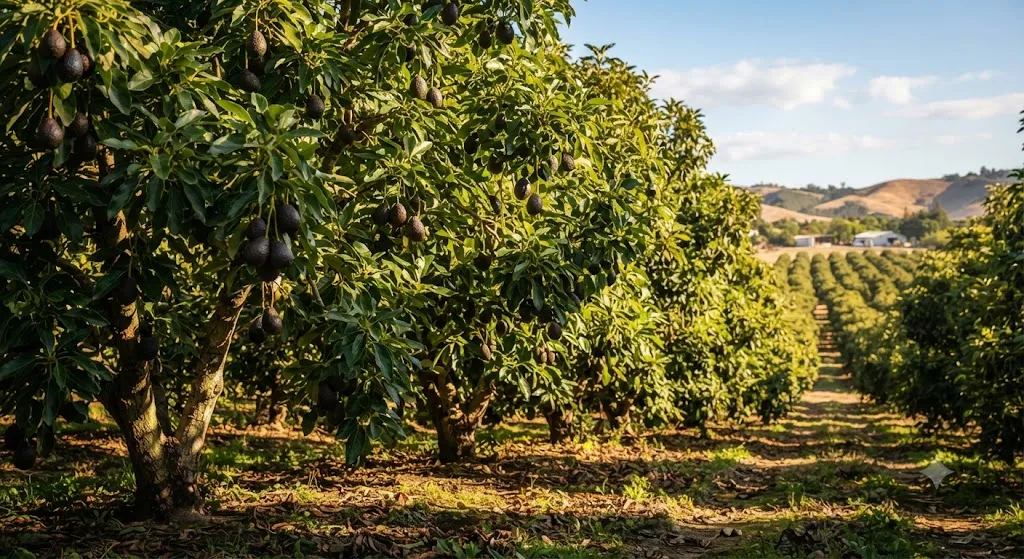
Avocado trees require sufficient sunlight to grow optimally and bear abundant fruit. Ideally, avocado plants should receive sunlight exposure between 40 to 80 percent throughout the day. Placing the pot in a location that receives direct sunlight for most of the time will be very beneficial.
However, if you apply "water stress" techniques to trigger flowering, it is recommended to place the pot in an open but shaded area, or only exposed to morning sunlight (6:00 AM - 9:00 AM) or afternoon sunlight (3:00 PM - 5:00 PM). This aims to prevent the plant from experiencing severe stress due to high dehydration during the water stress treatment.
By providing adequate sunlight, you will help the avocado tree grow well and stimulate flowering. Make sure to pay attention to the placement location of the pot to receive optimal sunlight.
Pruning is an important practice for shaping the tree canopy, stimulating branching, and directing the plant's energy to focus on fruit formation rather than just vegetative growth. Unpruned avocado plants tend to grow too bushy and tall, causing their energy not to be focused on the fruit.
Prune young trees to establish a strong trunk structure and numerous branches. Cut the main stem after it reaches a height of about 15 cm, then trim about 8 cm to maintain the height and shape of the tree. Regular pruning every few months, focusing on dead, diseased, or irregularly growing branches, will help maintain the ideal shape and accelerate fruiting.
By performing proper pruning, you will help the avocado tree grow well and increase its productivity. Be sure to always use clean and sharp pruning tools to prevent the spread of disease.
Pests and diseases can pose a serious threat to the growth of avocado trees. Therefore, it is important to monitor the plants regularly and take necessary preventive measures. Some common pests that attack avocados include aphids, caterpillars, and stem borers.
To deal with pests, you can use organic insecticides or natural pesticides that are safe for the plants. In addition, keeping the area around the pot clean and removing dead or infected leaves can also help reduce the risk of pest attacks.
Diseases such as root rot and leaf spots should also be watched out for. Ensure that the pot has good drainage and there is no standing water. If you find signs of disease, take the necessary treatment measures immediately to keep the plants healthy and productive.
Planting an avocado tree in a pot to bear fruit quickly requires patience and routine care. Although some varieties can start bearing fruit within 2-4 years, optimal results are usually only seen after several years. Therefore, it is important to remain consistent in caring for the plant.
Make sure to continuously monitor the condition of the plant and make necessary adjustments regarding watering, fertilizing, and protection from pests and diseases. With good care, you will see positive developments in your avocado tree.
By following the steps outlined above, you will have a greater chance of success in planting an avocado tree in a pot to bear fruit quickly. Enjoy the process and be prepared to enjoy a satisfying harvest.
1. How long does it take for an avocado tree to bear fruit?
An avocado tree can start to bear fruit within 2-4 years if planted from quality seedlings.
2. What is the best type of pot for planting avocados?
The ideal pot has a diameter of at least 40-60 cm and is equipped with good drainage holes.
3. How to care for an avocado tree in a pot?
Caring for it includes proper watering, regular fertilization, and pruning to shape the tree's canopy.
4. What should be done if the avocado tree is attacked by pests?
Use organic insecticides and keep the area around the pot clean to prevent pest attacks.
(kpl/ank)
Cobain For You Page (FYP) Yang kamu suka ada di sini,
lihat isinya
Don't just plant! Discover the secrets of how to grow longan to yield abundant fruits using booster methods and targeted routine care here.
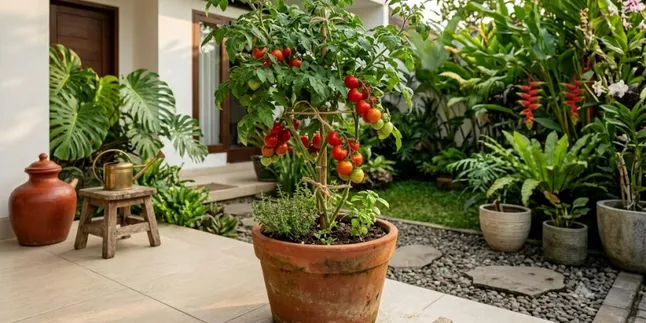
Growing tomatoes in small pots is a smart solution for limited land. Follow the complete guide from pot selection, variety, planting media, to care for a bountiful harvest.

A series of touching and emotional films about single fathers, especially when a father has to take on the role of a single parent.

Discover 10 recommendations for heartwarming pet-themed movies that teach us to care more for our pets.

A series of Korean films themed around school and bullying that present stories full of conflict, struggle, and deep emotions.

Movies without villains often offer a different viewing experience, yet still manage to deliver deep tension and excitement.

Discover recommendations for Indian films with social themes and caste critiques that hit hard, from true stories to inspiring dramas that raise issues of discrimination and the struggle for justice.

Villain characters in films are often more captivating and memorable than the main characters. Dive into the reasons behind the complexity, charisma, and unique motivations that make them pop icons.

Discover recommendations for movies about aliens living on Earth with unique stories, from disguises, friendships, to exciting and action-packed science fiction dramas.

Bored with straightforward storylines? Here are recommendations for time-themed films that play with non-linear plots that are the most intriguing.

These Korean dramas present heartbreaking endings, where the main characters must depart. Check out the list of dramas with tragic endings that drain emotions.

Curious about the viral Chinese dramas featuring rich people pretending to be poor? Here are some selected titles ranging from TV series to TikTok mini-dramas that you must watch.
