

 Follow
 Rekomendasi
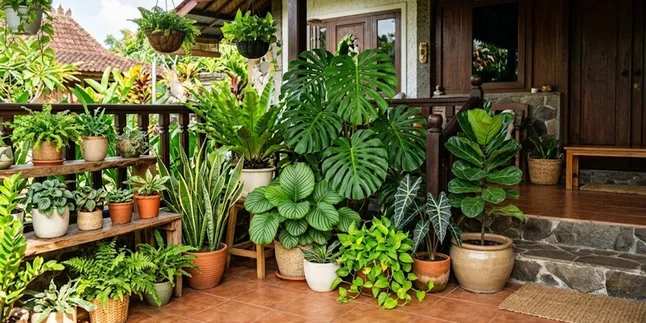
How to Make Ornamental Plants Thrive, Not Just Watering
How to make ornamental plants thrive by managing light, water, media, fertilizer, and routine care.
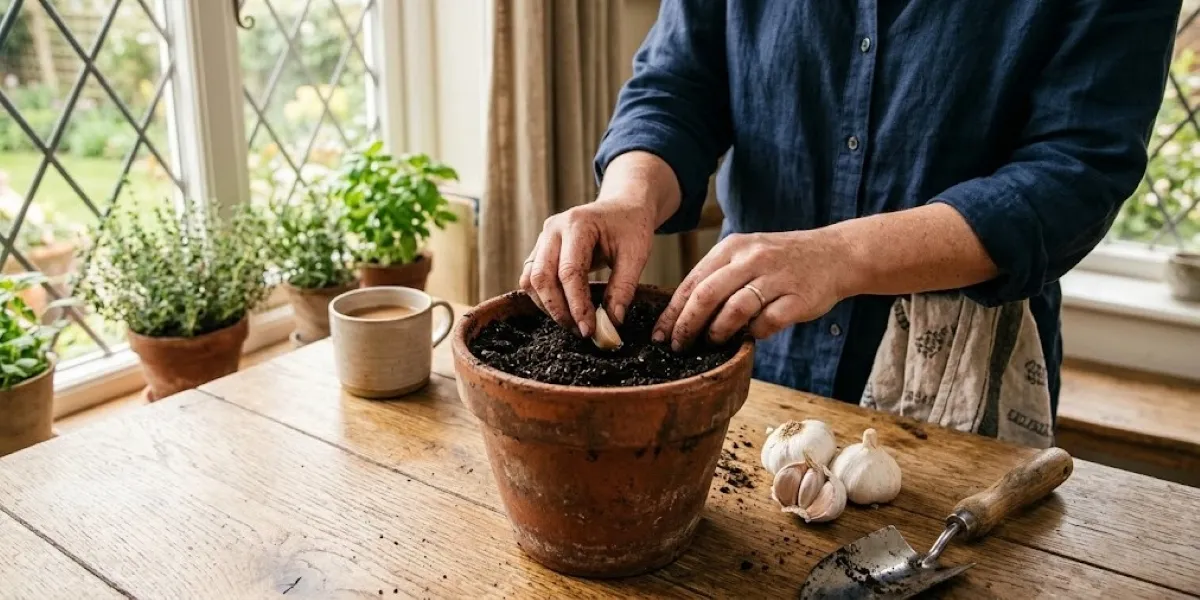
Kapanlagi.com - Who doesn't get frustrated when the price of garlic suddenly skyrockets while the stock in the kitchen is running low? This situation often forces many people to think hard about managing their monthly shopping. In fact, planting garlic at home is not as complicated as most people imagine and can be an alternative solution to this problem.
You don't need a large area or expensive gardening tools to start it at home. Just prepare a pot or used polybag, loose soil, a few cloves of selected seeds, and water them regularly every day. Garlic plants can grow well over time.
If you want to start now, you can learn how to plant garlic at home from the following summary by KapanLagi.com from various sources, Wednesday (19/8/2026). Let's check out the full explanation below.
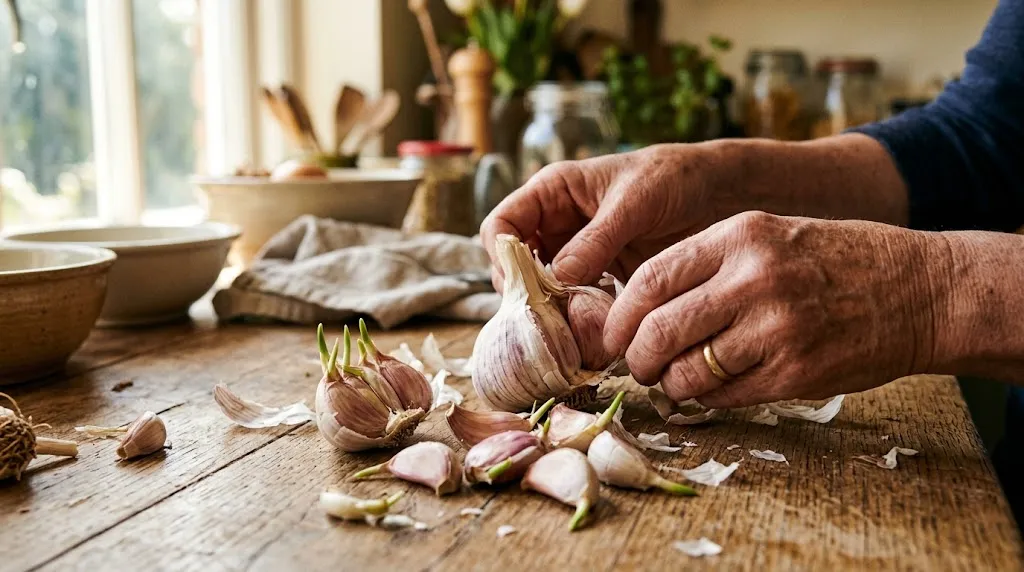
Prepare the Right Garlic Seed. (Image: AI Generated)
Choosing the right seedlings is the key factor that will determine the final outcome of the entire planting process later. Choose local garlic bulbs that have small shoots emerging at the tips, as this indicates that the bulb is still alive and ready to grow. Avoid imported garlic as much as possible, as it is usually treated with chemical sprout inhibitors to prolong its shelf life in stores.
Separate the bulbs into individual cloves carefully to avoid damaging the thin skin that wraps them. Select large and firm cloves for planting, and set aside smaller or softening cloves as they are likely to struggle to grow optimally once placed in the planting medium.
Store the selected cloves in a dry and cool place for one to two days before planting them in pots. This method helps the cut ends of the cloves to dry properly, preventing them from rotting when they come into contact with moist soil. Once dried, the cloves are ready to be planted directly into the prepared planting medium.
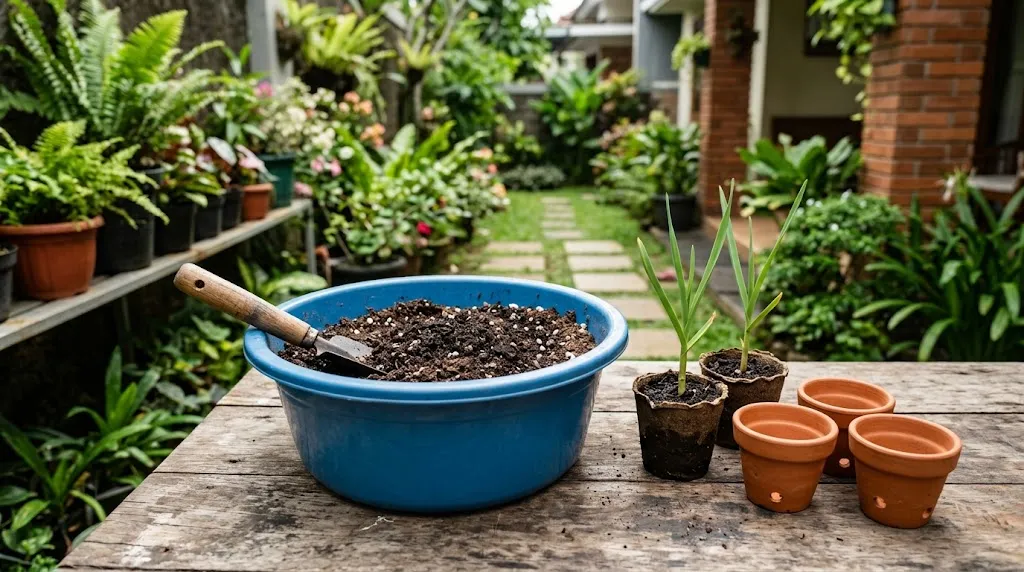
Select and Prepare the Planting Media. (Image: AI Generated)
After selecting the seeds, preparing the appropriate planting medium is another key to successfully growing garlic at home.
To create the planting medium, you can mix soil with compost or manure in a two-to-one ratio, then add a little burnt rice husk to prevent water from pooling and to allow the roots to breathe properly during the planting period.
Use a pot with a minimum diameter of 30 centimeters and a depth of 20 to 30 centimeters if you want more optimal results. This size provides enough space for the roots to grow in all directions, so the bulbs that develop later can grow larger compared to being planted in a narrow container like a used plastic cup.
Also, make sure the pot has drainage holes at the bottom, so excess watering can flow out smoothly and not accumulate. This is important because garlic is quite susceptible to root diseases if the planting medium remains too wet for a long time. Place the pot in a location that receives direct sunlight for at least six hours every day.
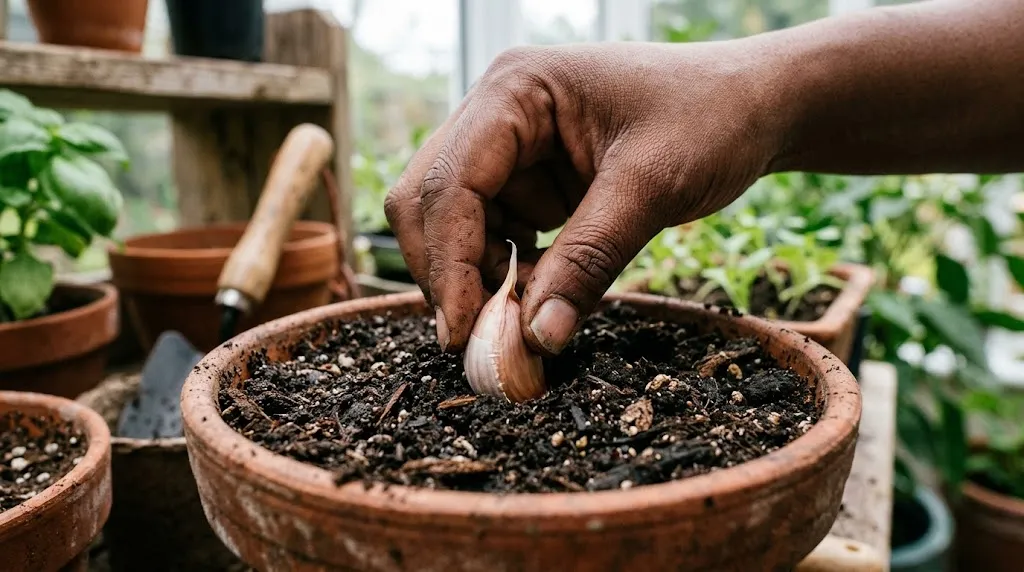
Plant Garlic Seedlings. (Image: AI Generated)
Once the planting media is ready, fill the pot with a mixture of soil, leaving about three centimeters of space from the top rim of the pot. Make shallow planting holes using your finger, then place one clove in each hole with a distance of about ten centimeters between each clove, so that their growth does not interfere with each other later.
Position the pointed end of the clove facing up, while the flat base faces down into the soil. This position determines the direction of the sprouting shoots and roots of the garlic, so make sure it is not upside down to avoid hindering growth from the very beginning of the planting period.
Cover the clove with soil three to five centimeters thick, then gently pack it down with your hand to ensure it does not shift easily. Water the planting media adequately until it is evenly moist, but do not let it become waterlogged, as this can cause the clove to rot before it has a chance to sprout.
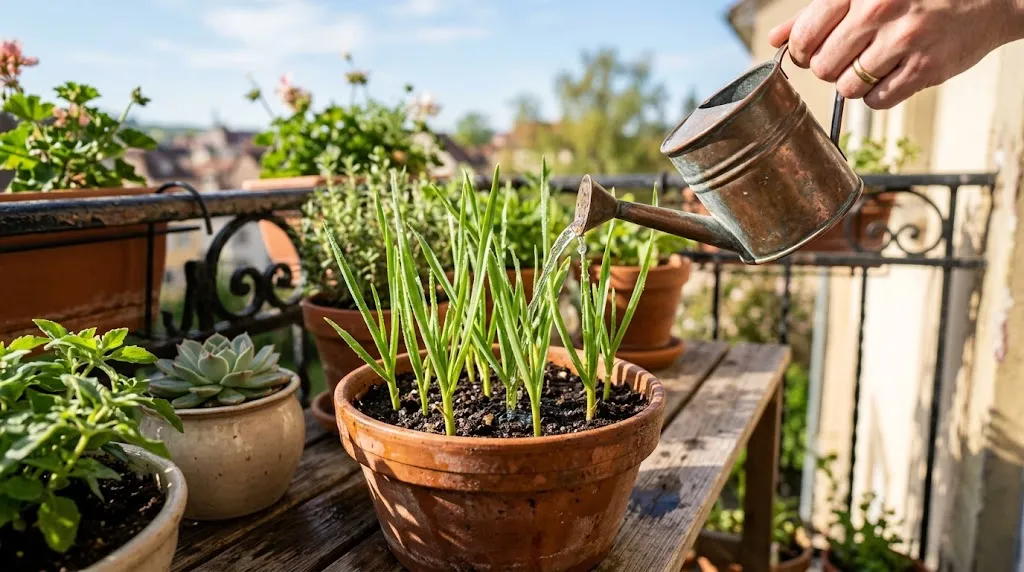
Care for Garlic Plants Regularly. (Image: AI Generated)
Once grown, garlic plants need to be watered regularly two to three times a week, depending on the weather and soil moisture around the pot. During the dry season, the frequency of watering can be increased to prevent the soil from drying out and cracking, which can disrupt root growth inside.
Provide liquid organic fertilizer or compost every two weeks to support the growth of leaves and bulbs simultaneously. It is advisable to avoid excessive chemical fertilizers, as they can cause the leaves to grow lush but the bulbs in the soil may end up small when harvested later.
Don’t forget to periodically remove weeds around the plants so they do not compete for nutrients with the growing garlic. Also, pay attention if any leaves start to yellow or wilt prematurely, as this could be a sign of pest attacks or overwatering in the growing medium.
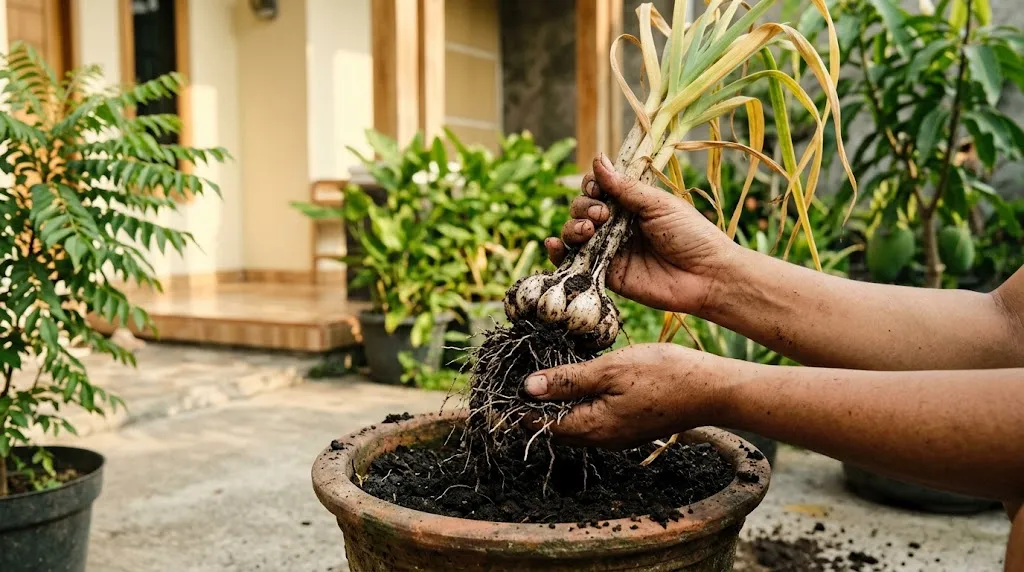
Harvesting Garlic at the Right Time. (Image: AI Generated)
Garlic is usually ready to be harvested after three to four months since planting, depending on the variety and environmental conditions around the home. The main signs can be seen from the lower leaves that start to yellow and dry out one by one, followed by the stems that begin to wilt and fall to the ground.
Stop watering about two weeks before harvest, so that the bulbs are not too moist and last longer when stored later. This method also helps the skin of the bulbs to dry perfectly, making them less likely to be damaged during the lifting process from the soil.
Gently pull the plants by hand or with a small shovel, so that the bulbs do not get scratched or injured when lifted. Dry the harvest in a shaded area with good air circulation for one to two weeks, before finally storing them in a dry and cool place.
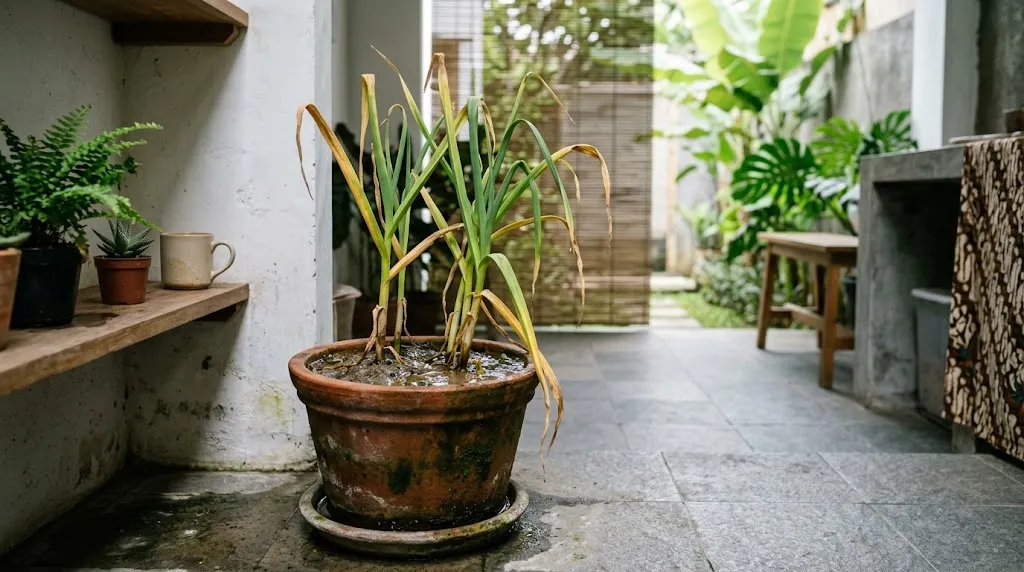
Mistakes to Avoid When Planting Garlic. (Image: AI Generated)
Although it is relatively easy, there are mistakes that often cause garlic planting at home to end in failure. Let's first recognize the following mistakes, so that the planting results are more optimal and the time you have spent gardening is not in vain.
- Using Garlic from the Market: Garlic sold for consumption is usually sprayed with sprout inhibitors by distributors, making it difficult to grow even if planted correctly in the prepared growing medium.
- Watering Too Often:The growing medium that is always wet makes the cloves prone to rot before they can take root, especially if the pot used does not have sufficient drainage holes at the bottom.
- Planting in Low Light:Garlic needs direct sunlight for a long time every day for the bulbs to form and develop well in the soil, whether in pots or polybags.
- Planting Too Close Together: A narrow planting distance causes the cloves to compete for nutrients and growing space in the same pot, resulting in smaller bulbs when harvest time comes.
- Harvesting Too Early:Bulbs that are lifted before their time are usually not fully formed and do not last long when stored, compared to bulbs harvested according to the recommended planting schedule.
How long does it take for garlic to grow until it can be harvested? Garlic typically takes three to four months from planting to be ready for harvest, depending on the variety and weather conditions at the planting location.
Can garlic from the supermarket be planted?Yes, but the results are often less than optimal because some garlic in the market has been treated with sprout inhibitors to last longer on store shelves.
How many times does garlic need to be watered in a week? Watering should be done two to three times a week, or when the soil starts to dry out, to ensure that the growing medium is not too wet or too dry.
Can garlic be planted without soil? Yes, garlic can also be grown using hydroponic methods with water and nutrient solutions, without needing any soil medium at all.
Why do garlic plants not produce large bulbs? The causes can be due to planting too closely, insufficient sunlight, or pots that are too shallow, preventing the roots from developing optimally.
(kpl/bim)
Cobain For You Page (FYP) Yang kamu suka ada di sini,
lihat isinya
How to make ornamental plants thrive by managing light, water, media, fertilizer, and routine care.
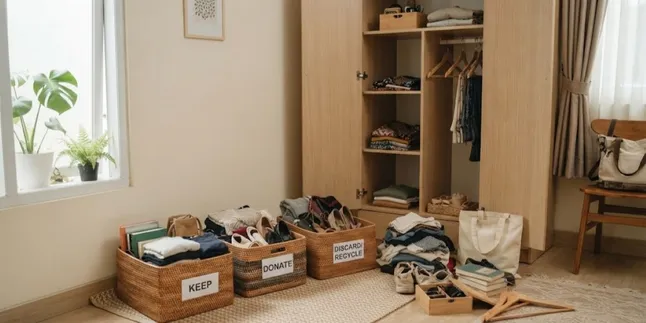
Closet full but confused about what to wear? Let's follow this practical guide to sort clothes to keep, throw away, or donate.

Discover captivating recommendations for Japanese movies featuring thrilling train themes and heartwarming summer journeys, ready to accompany your leisure time.

There are zodiac signs that don't easily experience FOMO and are not quick to follow others. Check out the 7 zodiac signs that remain relaxed even when trends are buzzing around them.
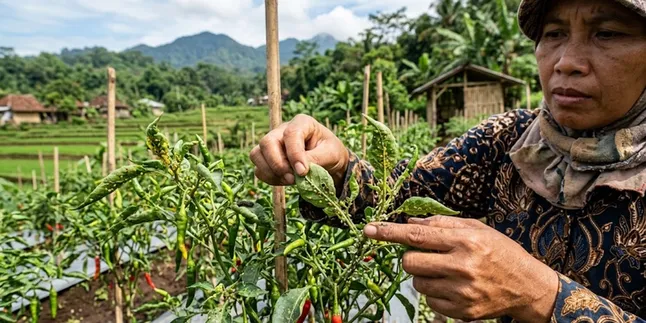
Protect your chili plants from dangerous pests such as aphids, caterpillars, and fruit flies. Recognize the symptoms and apply integrated control strategies to ensure a bountiful harvest.

Not all foods are suitable for freezing. Some ingredients can actually ruin their texture and taste after being frozen, and may even pose health risks. Let's take a look at the complete list!

Often appearing perfect, these films actually reveal the conflicts, secrets, and deep issues hidden within marriage. Peek into the bitter reality of relationships that make you reflect!

Seven Korean movies with culinary themes and restaurants featuring dishes that make you hungry at midnight.

Explore recommendations for touching earthquake and tsunami themed movies, full of struggles, hope, and human resilience in the midst of natural destruction.

Have you ever imagined having to work together again with an ex-lover? This series of films and dramas presents hilarious to touching stories about such unexpected situations.

These recommendations for Indian movies with military and patriotism themes are perfect to watch when you want to feel the fighting spirit and love for the homeland.
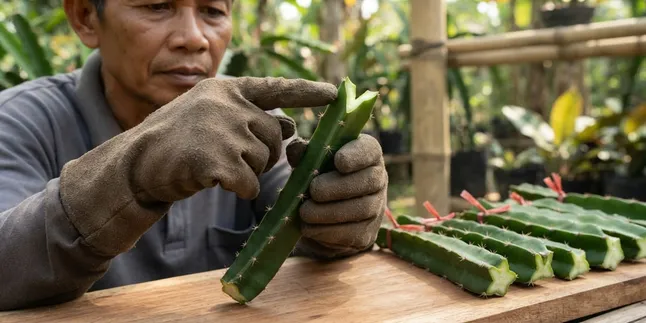
Want to cultivate dragon fruit at home? Check out this step-by-step guide on how to plant dragon fruit from cuttings that is easy, simple, and effective for quick and lush growth.
