

 Follow
 Rekomendasi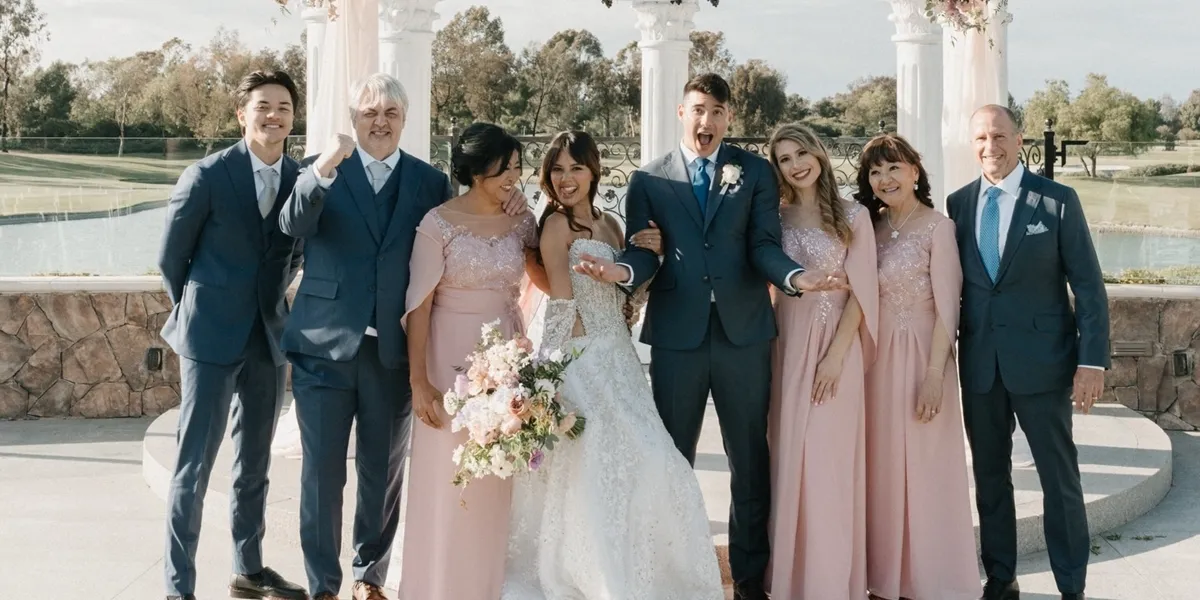
Re-upload Wedding Photo, Aurelie Moeremans: Family
Aurelie Moeremans re-uploaded her wedding photo with Tyler Bigenho on Instagram. She provided a brief caption, which garnered a lot of support on social media. Check out the full story here...
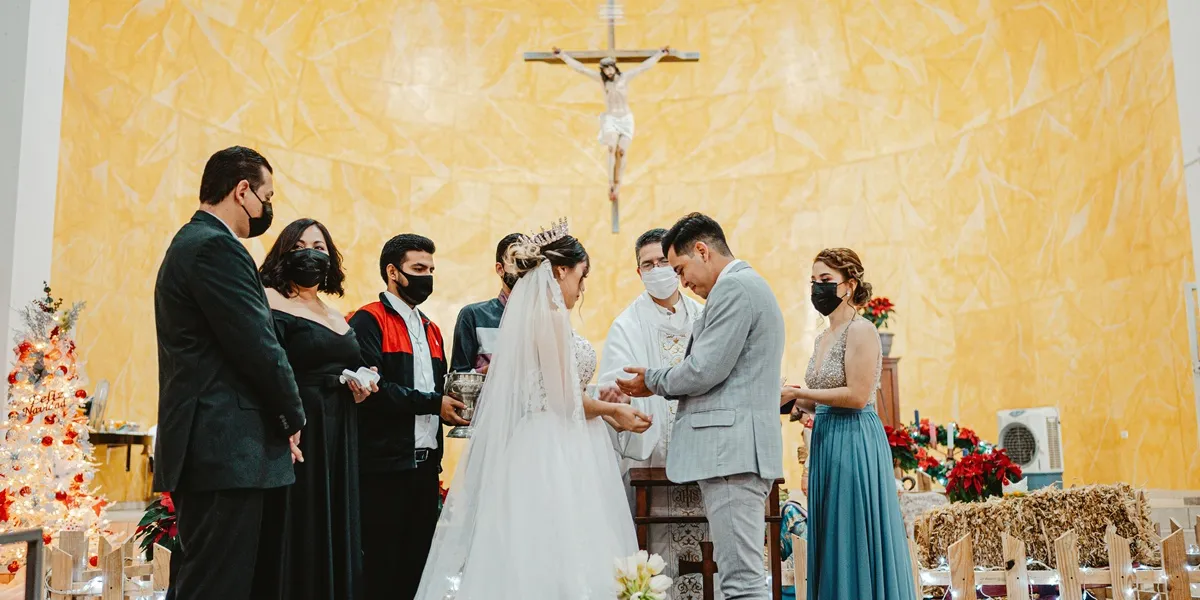
Kapanlagi.com - Marrying in the Catholic Church is not only a sacred ceremony filled with spiritual beauty but also a sacrament that binds for life. The Catholic Church views marriage as a holy bond that cannot be separated by man, as it contains a promise before God and the Church.
The issue of the validity of marriage and protection for victims of unhealthy relationships has come back into the spotlight after actress Aurelie Moeremans revealed her past. In her latest book Broken Strings, she touches on her past relationship with Robby Tremonti, who she mentioned had married her in 2011. The marriage took place without the presence of parents and was not officially recorded in the country or the Church.
Aurelie's story reflects how a lack of understanding about the procedures for a valid Catholic marriage can lead to violations of church law and morality. All these stages are intended so that marriage truly becomes a free, mature decision, and is blessed legitimately, not due to pressure, manipulation, or coercion.
Read other articles on the same topic at Liputan6.com.
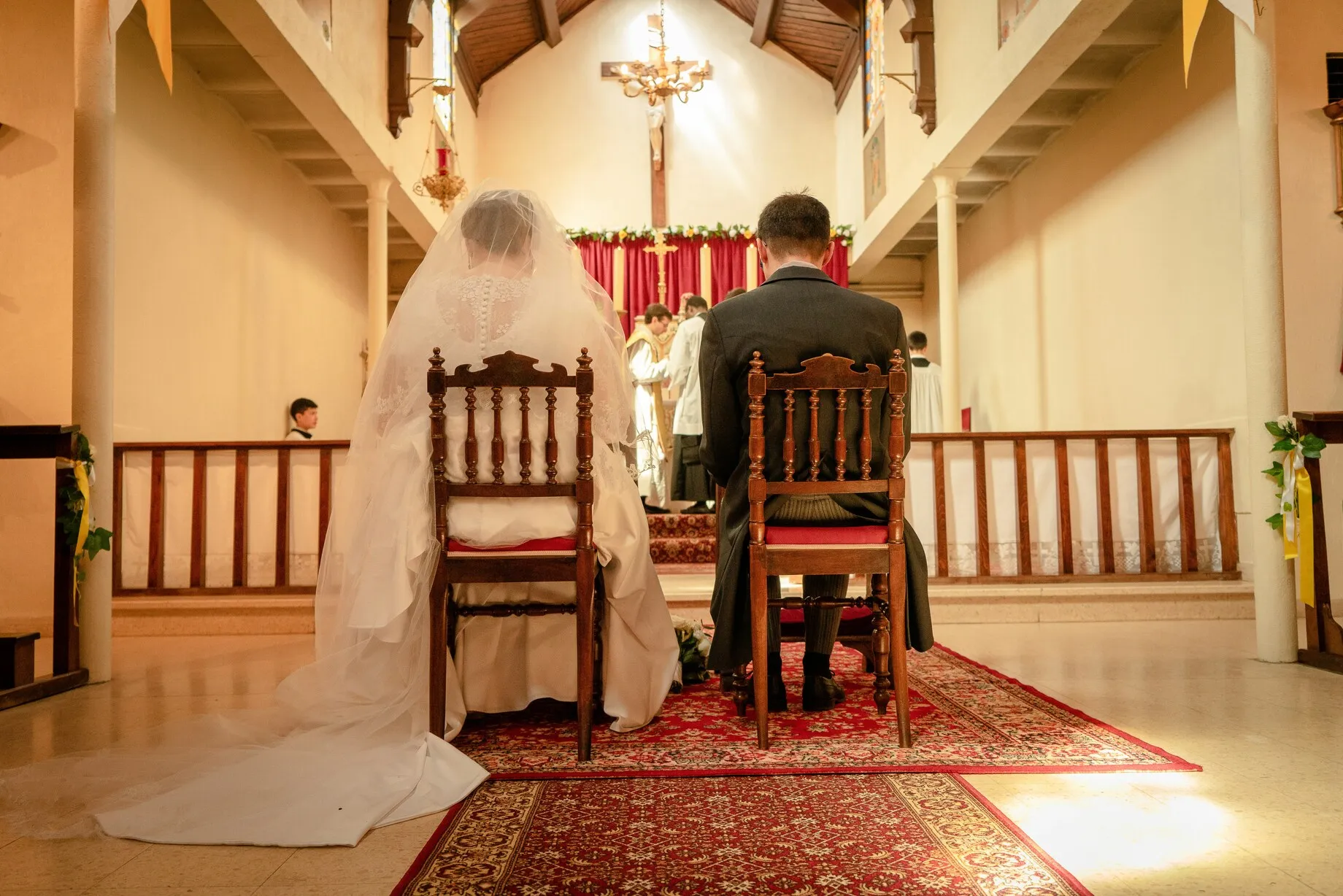
Learn the procedures for marrying in the Catholic Church (credit:unsplash.com/id/@garnet_photographer)
In the Catholic Church, a marriage is considered valid if conducted in the presence of a priest or authorized pastor, attended by two official witnesses, and consent must be given freely without coercion or deceit. Other requirements include that both parties must be free from any previous marriage ties and have completed the marriage preparation course and canonical investigation.
According to the Archdiocese of Jakarta, prospective brides and grooms must register at least 5 months before the ceremony. After that, they must attend a marriage preparation course and submit complete documents such as the latest baptism certificate (maximum 6 months from issuance), ID card, and a neighborhood introduction letter.
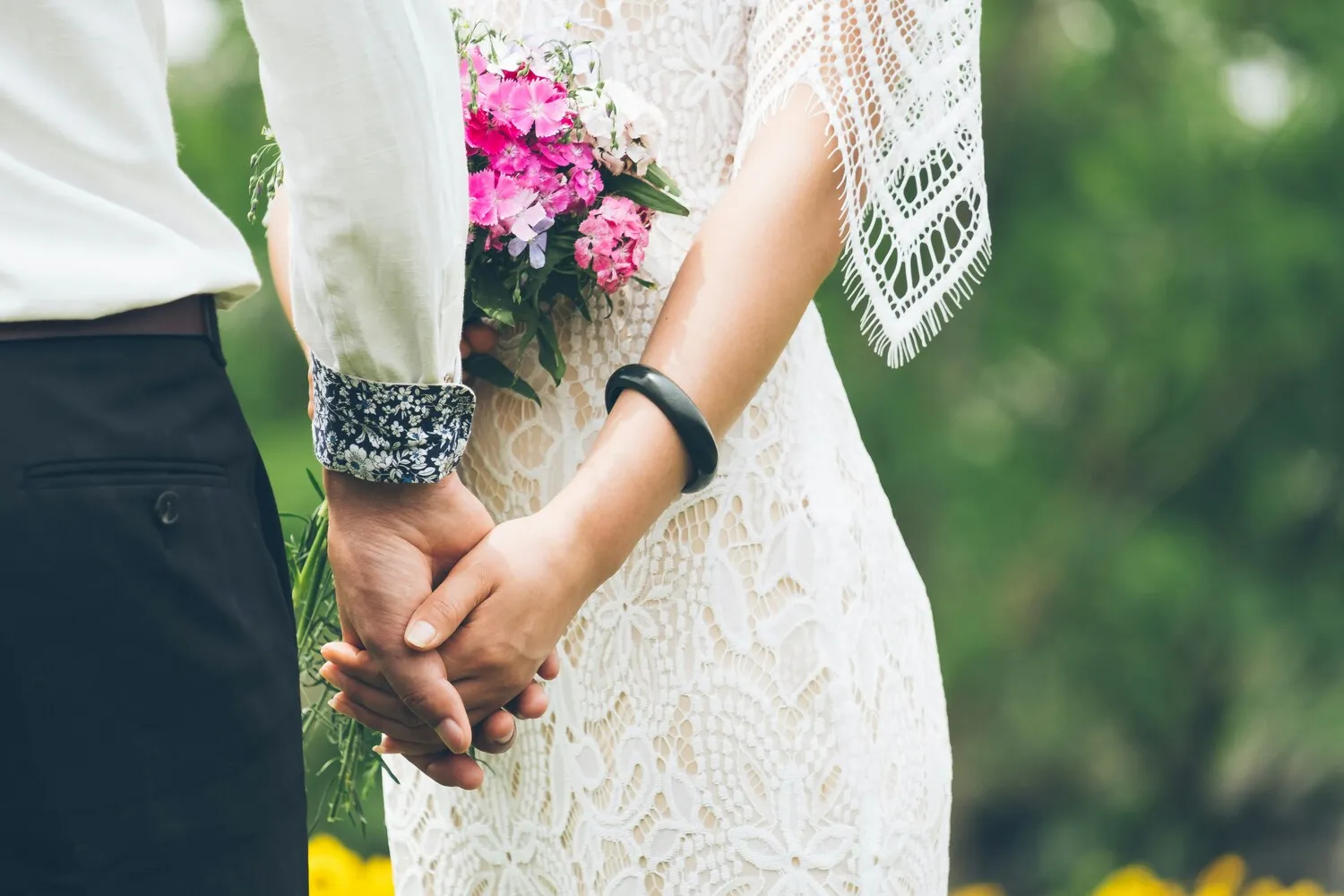
Learn the procedures for getting married in the Catholic Church (credit:unsplash.com/id/@yeti)
A marriage is invalid if conducted without church permission or does not meet canonical requirements. For example, if one party is still bound by a previous marriage, does not undergo an investigation, or rejects the basic teachings of the Catholic faith. A Catholic marriage can also be declared invalid if essential requirements are not met. Here are some causes:
The sacrament of marriage cannot be performed during Advent and Lent, as these are times of waiting and repentance. Additionally, if the marriage is conducted without the blessing of the home parish, an official letter of introduction is required for another church to provide valid blessings.
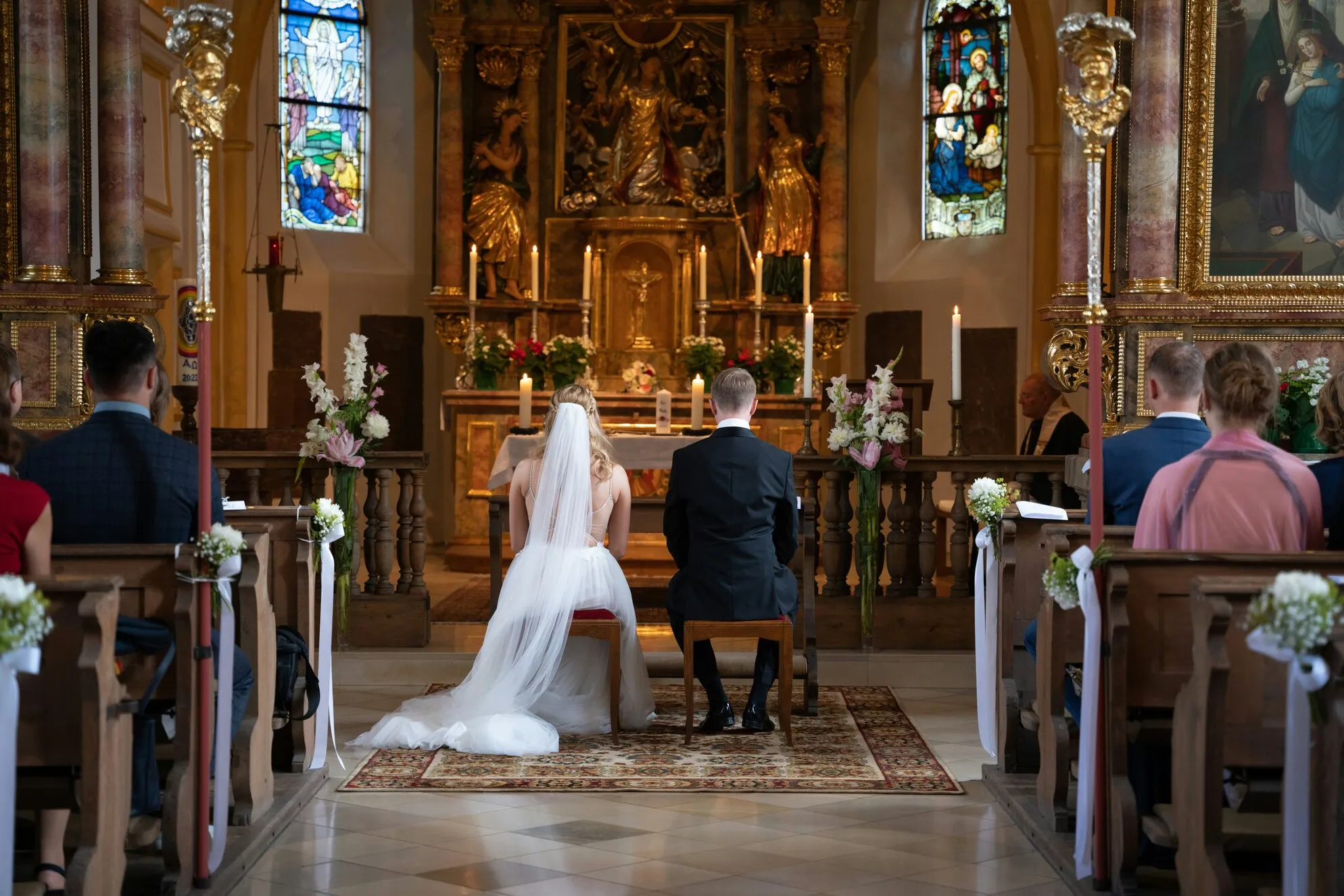
Learn the procedures for getting married in the Catholic Church (credit:unsplash.com/id/@wedding_dreamz)
Annulment is not divorce, but a declaration that the marriage was invalid from the beginning because it did not meet the sacramental elements. This annulment process can be filed if it is proven that one party did not have full freedom, experienced coercion, or did not have a true intention to live as a married couple.
The Catholic Church evaluates each annulment request through the diocesan tribunal. The process is lengthy and requires evidence and witnesses. If approved, the couple is considered to have never been married validly, allowing them to remarry in the Church.
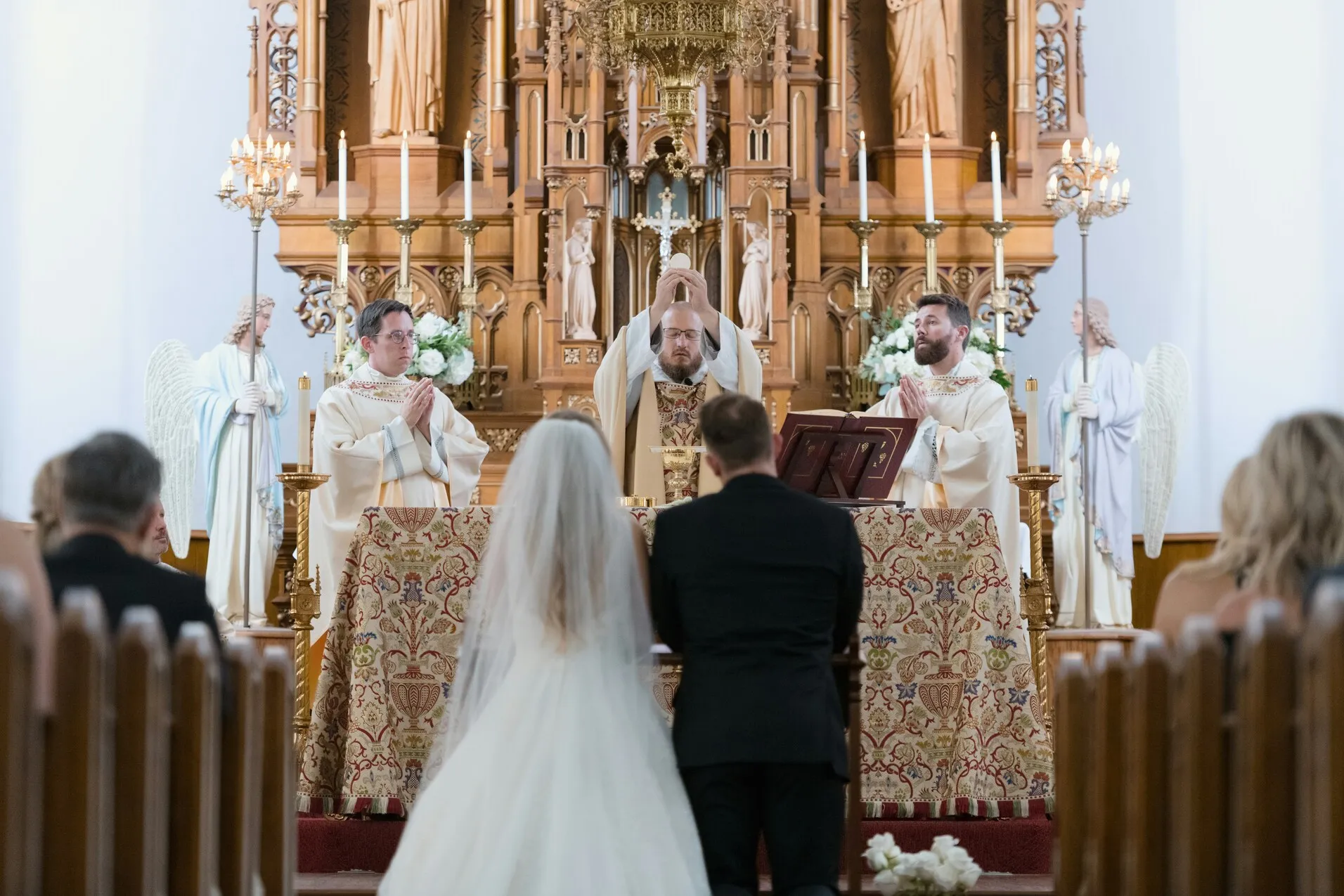
Learn how to get married in the Catholic way (credit:unsplash.com/id/@joshapplegate)
a. Registration and Course
Registration is done at the parish secretariat at least five months before the wedding day. After that, the engaged couple participates in a Marriage Preparation Course for several days. This course covers topics such as communication, family finances, and sacramental fidelity.
b. Canonical Investigation
Two months before the blessing, an interview with the pastor is conducted to ensure spiritual and legal readiness. If one party is non-Catholic, two witnesses are needed to guarantee the status of "not married".
c. Blessing in the Church
After all documents are complete and marriage announcements have been made, the marriage can be blessed. The Church does not handle civil records, but the couple must prepare additional documents such as birth certificates, ID cards, and church marriage certificates for state registration.

Learn how to get married in the Catholic way (credit:unsplash.com/id/@jos_arendslr)
In Catholic teaching, a valid marriage cannot be dissolved by divorce as it is considered an indissoluble sacrament. However, the Church allows for the possibility of annulment if there are strong reasons to believe that the marriage was invalid from the beginning. Here are the requirements and procedures for annulment:
a. Requirements for Filing an Annulment
Here are some requirements that must be met to apply for annulment:
b. Procedures for the Catholic Marriage Annulment Process
Once the requirements are complete, the annulment process is conducted in stages and officially through the Ecclesiastical Tribunal:
Q: How long does the marriage process take in the Catholic Church?
A: Generally takes 4-6 months, depending on the readiness of documents and the schedule of courses.
Q: Is it allowed to marry in another church?
A: Yes, as long as you obtain a letter of introduction from the original parish priest.
Q: Can one marry in the Catholic Church without baptism?
A: No, unless the non-Catholic party receives a special dispensation from the diocese.
Q: Does the Catholic Church recognize divorce?
A: No, there is only annulment or cancellation of the sacrament if the marriage was invalid from the beginning.
Q: Is marriage preparation course mandatory?
A: Yes, the course certificate is a primary requirement for registering a Catholic marriage.
Let's read more articles about Catholic marriage on Kapanlagi.com. If not now, when?
(kpl/vna)
Cobain For You Page (FYP) Yang kamu suka ada di sini,
lihat isinya
Aurelie Moeremans re-uploaded her wedding photo with Tyler Bigenho on Instagram. She provided a brief caption, which garnered a lot of support on social media. Check out the full story here...
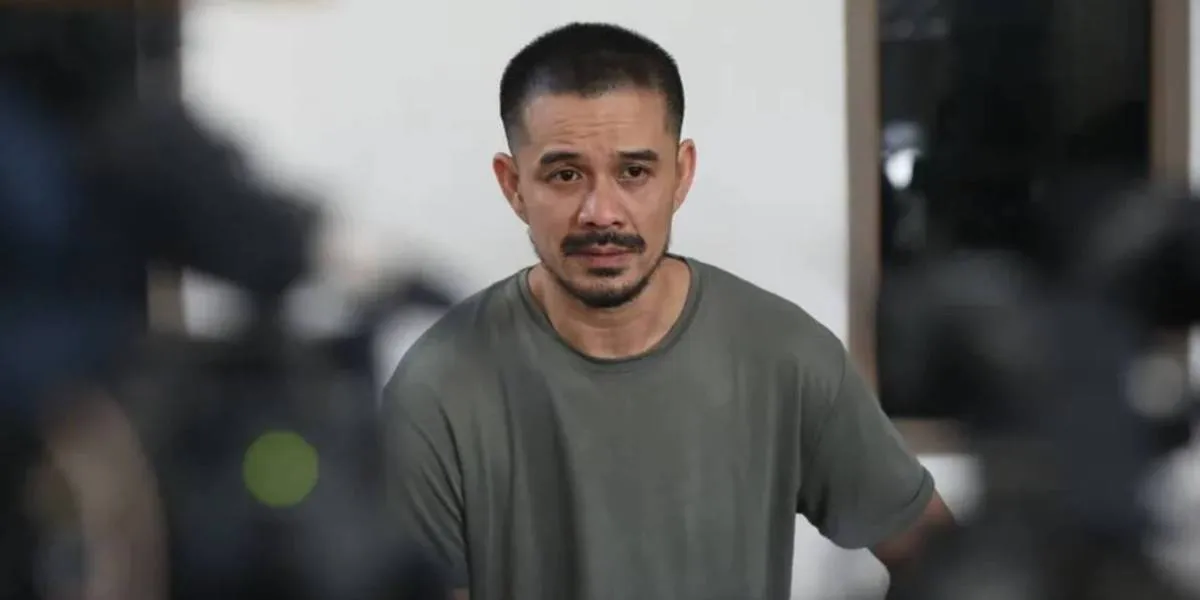
Roby Tremonti shows old photos from when he was still with Aurelie Moeremans. Let's check out the photos!
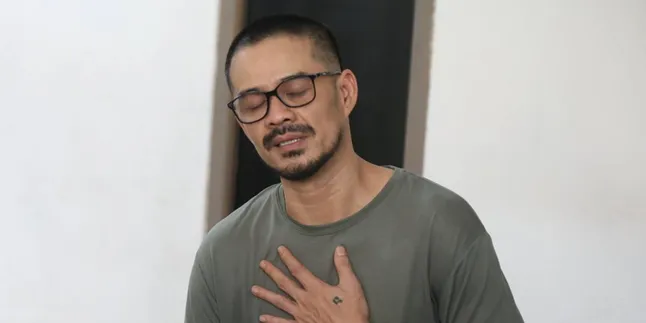
Roby Tremonti denies making threats against Hesti Purwadinata. Here is his statement!
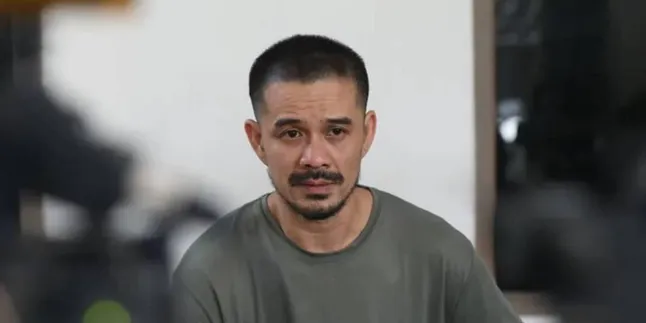
Roby Tremonti explains his version of his marriage to Aurelie Moeremans. Here is his statement!
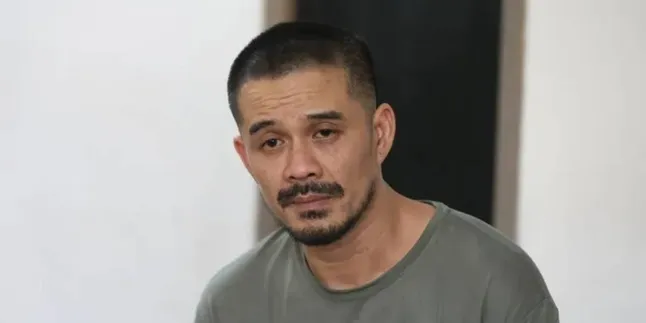
Roby Tremonty made a statement in front of the media to clarify the claims made by Aurelie Moeremans in the book Broken Strings. Here is his account!

When Aurelie Moeremans is in the spotlight after the release of her memoir The Broken Strings, Tyler Bigenho steps up. He writes a message to all the young men out there. Check out his message here...

Denada Management has finally provided an official response regarding the news that has been widely circulated in online media and social media in recent times, related to the issue of child neglect. Here is their official statement!

A noodle restaurant employee in Daegu went viral for being said to resemble Cha Eun Woo and attracting public attention.
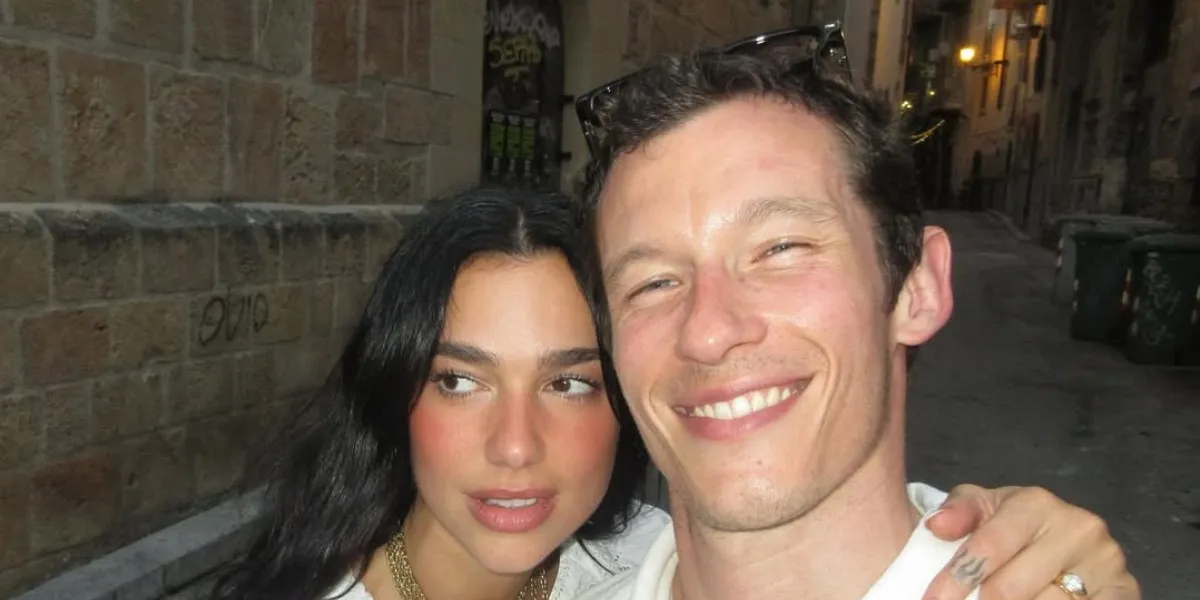
Callum Turner, a 35-year-old English actor, has become the center of attention after strong rumors that he has been chosen as the new James Bond to replace Daniel Craig. Check out his complete profile below!

Reza Rahadian is a multitalented figure. Here are a series of photos of his activities outside the film world!

Fuji recently tried the viral motorbike shoot trend in Chongqing, China. Let's take a look at the complete photos of the fun below!

Kuburan Band personnel, Denny Rahmat Ramdani (bassist) and Raka Auliantara (guitarist), immediately spoke up to clarify the misunderstanding regarding the issue. Read more about it here, KLovers!
