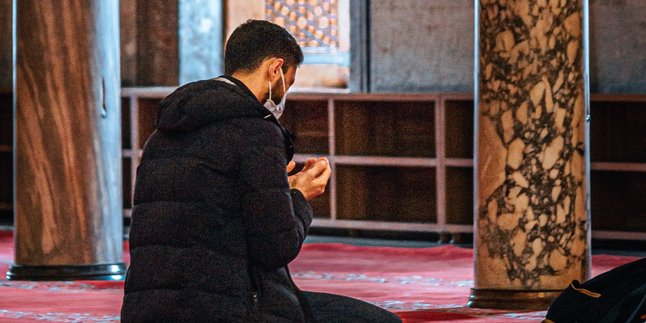
Kapanlagi.com - The practices of the last 10 days of Ramadan are not just a conclusion, but a golden gateway to an abundance of mercy and forgiveness that is limitless from Allah SWT. This is a golden opportunity that the Prophet Muhammad SAW encouraged us to maximize, in order to achieve a glory that may not come again next year.
The last ten days of Ramadan hold a great secret, a night that is better than a thousand months, which is Lailatul Qadar. The Prophet Muhammad SAW himself demonstrated extraordinary seriousness in worship during this period, providing a perfect example for his followers.
With a burning spirit, we can delve into various practices that we can perform according to the Sunnah, so that every step of our worship holds value in His sight. Prepare your heart and soul, for at the end of this Ramadan, there is an extraordinary promise of virtue awaiting those who are earnest in worship. Summarized by KapanLagi from various sources, here are some practices for the last 10 days of Ramadan.
1. The Virtues of the Last 10 Days of Ramadan

lantern two/image by unsplash
The last ten days of Ramadan hold a very special position in Islam because it is during this time that the Night of Decree (Lailatul Qadar) occurs. This night is mentioned in the Quran as a night that is better than a thousand months, so the worship performed during this time has an extraordinarily great reward.
As summarized by KapanLagi from NU Online, the timing of Lailatul Qadar is deliberately kept secret by Allah so that humans will be earnest in worship throughout the last ten nights of Ramadan. The Prophet Muhammad (peace be upon him) also advised his followers to seek it on the odd nights at the end of Ramadan, as narrated in a hadith by Imam Bukhari.
The hadith states:
"Seek Lailatul Qadar on the odd nights during the last ten days of Ramadan." (HR Bukhari).
Another virtue is the opportunity to obtain forgiveness for past sins for those who spend the Night of Decree in faith and hope for reward. Therefore, scholars refer to this phase as the peak of the spiritual journey of Ramadan that should not be wasted.
2. Increasing Qiyamul Lail

mosque in the evening/image by unsplash
One of the most recommended practices during the last 10 days of Ramadan is to increase qiyamul lail or to enliven the night with voluntary prayers such as tahajud and witir. The Prophet Muhammad (peace be upon him) demonstrated extraordinary dedication in worship when entering the last ten days of Ramadan.
In a hadith narrated by Ahmad, it is mentioned that during the first twenty days of Ramadan, the Prophet still divided his time between worship and rest. However, when entering the last ten nights, he intensified his worship and focused more on spiritual deeds.
The hadith states:
"During the first twenty days of Ramadan, the Prophet combined prayer, fasting, and sleep. When entering the last ten days, he was earnest and tightened his waist wrap." (HR Ahmad).
Through qiyamul lail, a Muslim has the opportunity to draw closer to Allah with sincere prayers and supplications. The quiet night becomes the best space to increase istighfar and seek forgiveness from Allah SWT.
3. Inviting Family to Revive the Night

read quran/image by unsplash
Another Sunnah exemplified by the Prophet Muhammad is waking up the family to participate in reviving the last nights of Ramadan. Worship is not only performed individually but also becomes a spiritual moment with the family.
In the hadith narrated by Bukhari and Muslim, it is explained that when entering the last ten nights, the Prophet Muhammad (peace be upon him) would wake his family so that they could also attain the blessings of the Night of Decree (Lailatul Qadar). This shows the importance of togetherness in worship.
The hadith states:
"When the last ten nights of Ramadan began, the Prophet tightened his waistcloth, spent the night in prayer, and woke his family." (HR Bukhari and Muslim).
The tradition of waking the family for night prayers can also strengthen spiritual bonds within the household. In addition to enhancing worship, this togetherness makes the atmosphere of Ramadan feel more meaningful.
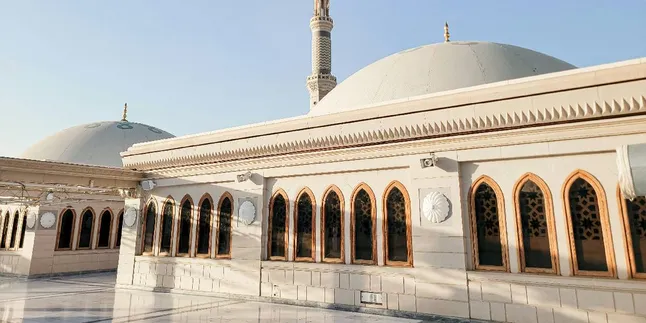
4. Performing I'tikaf in the Mosque

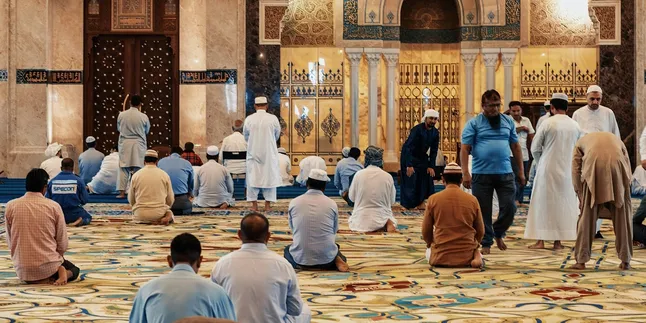
in the mosque/image by unsplash
I'tikaf is one of the highly recommended practices during the last ten days of Ramadan. This worship is performed by staying in the mosque while increasing prayers, dhikr, reading the Quran, and making supplications.
It is known that the Prophet Muhammad (peace be upon him) always performed i'tikaf during the last ten days of Ramadan until the end of his life. Even in the year of his passing, he performed i'tikaf for twenty days as a form of devotion in worship.
The hadith states:
"Indeed, the Prophet Muhammad (peace be upon him) performed i'tikaf during the last ten days of Ramadan until he passed away." (HR Bukhari and Muslim).
I'tikaf provides an opportunity for a person to fully focus on worship. By distancing oneself from worldly distractions, the heart becomes calmer and it is easier to draw closer to Allah.
5. Increasing Charity

read quran/image by unsplash
Generosity is one of the noble traits that Allah loves, and in the month of Ramadan, its rewards are multiplied. The Prophet Muhammad (peace be upon him) was the most generous person, and his generosity increased during Ramadan, especially in the last ten days.
Increasing charity in any form, whether in times of ease or hardship, is highly encouraged during the last ten days of Ramadan.
Providing assistance to others, whether in the form of food, money, or other necessities, is one of the most noble acts during the month of Ramadan. There is no limit to the amount of charity given, as every act of charity brings blessings to both the giver and the receiver.
6. Diligently Seeking Lailatul Qadar

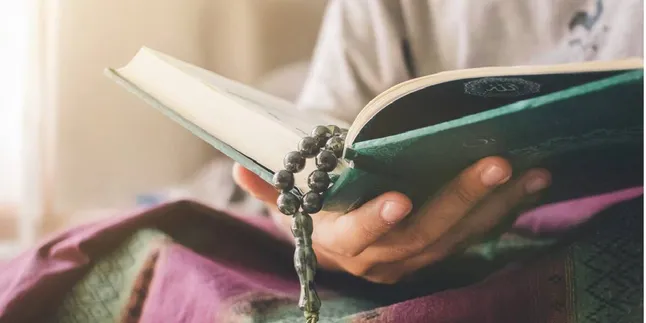
quran and green tasbih/image by unsplash
The main purpose of various acts of worship during the last 10 days of Ramadan is to attain the night of Lailatul Qadar. This night is mentioned in the Quran as being better than a thousand months, which means its value is equivalent to more than 83 years of worship.
Since its timing is kept secret by Allah, Muslims are encouraged to increase their worship throughout all ten of the last nights. This is done to maximize the chances of encountering Lailatul Qadar.
The Prophet Muhammad (peace be upon him) said:
"Seek Lailatul Qadar in the last ten nights of Ramadan." (HR Bukhari and Muslim).
Diligence in seeking Lailatul Qadar demonstrates a servant's seriousness in attaining Allah's mercy. Therefore, many scholars recommend that the odd nights such as the 21st, 23rd, 25th, 27th, and 29th of Ramadan be filled with more intense worship.
7. Increasing Prayer and Seeking Forgiveness

green tasbih/image by unsplash
Another important practice during the last ten nights of Ramadan is to increase prayers, especially asking for forgiveness from Allah SWT. The Prophet Muhammad (peace be upon him) even taught a specific prayer to recite when hoping to encounter the Night of Lailatul Qadar.
As summarized by KapanLagi from NU Online, this prayer was narrated by Imam At-Tirmidhi when Sayyidah Aisha asked the Prophet about what should be recited when encountering that night. The Prophet then taught a very brief but meaningful prayer.
The prayer is:
Arabic:
اللَّهُمَّ إِنَّكَ عَفُفُفـ كَرِيمٌ تُحِبُّ الْعَفْـ فَاعْفُ عَنِّي
Latin:
Allahumma innaka ‘afuwwun kariimun tuhibbul ‘afwa fa’fu ‘anni.
Meaning:
“O Allah, indeed You are the Most Forgiving and love forgiveness, so forgive me.”
This prayer can be recited throughout the month of Ramadan or specifically performed consistently during the last 10 days of Ramadan, as the majority of scholars from the Shafi'i school believe that Lailatul Qadar falls within that time frame. The word "al-'afwu" means to erase and remove the traces of sin, which is more perfect than mere maghfirah (forgiveness). Let us increase this prayer, asking for forgiveness and His pleasure during these blessed nights.
KLovers, may by understanding and practicing various acts of worship in these last 10 days of Ramadan, we all can attain the blessings of Lailatul Qadar and become better individuals in the eyes of Allah SWT. Do not waste every remaining second, as this opportunity is very precious. Happy worshiping!
8. FAQ
What are the main practices in the last 10 days of Ramadan? The main practices in the last 10 days of Ramadan include increasing Qiyamullail (night prayer), inviting others to Qiyamullail, increasing i'tikaf in the mosque, increasing the reading of the Al-Qur'an, increasing charity, and increasing dhikr and prayers.
Why are the last 10 days of Ramadan so special? The last 10 days of Ramadan are very special because they contain the night of Lailatul Qadar, a night that is better than a thousand months, where the rewards for worship are multiplied and the doors of Allah's forgiveness are wide open.
What prayer is recommended to be recited on the night of Lailatul Qadar? The prayer that is highly recommended to be recited on the night of Lailatul Qadar is 'Allahumma innaka 'afuwwun karimun tuhibbul 'afwa fa'fu 'anni.
What is the correct way to perform i'tikaf during Ramadan? The correct way to perform i'tikaf is to have sincere intention, to stay in the mosque, to fill the time with worship such as dhikr, reading the Al-Qur'an, sunnah prayers, and supplications, and to avoid things that are not beneficial. I'tikaf is only valid if performed in the mosque and by a person who meets the requirements (Muslim, sane, pure from major impurities).
Want to know the latest information about the entertainment world? Let's check Kapanlagi.com directly. If not now, when else?
(kpl/mda)
Disclaimer: This translation from Bahasa Indonesia to English has been generated by Artificial Intelligence.


 Follow
 Rekomendasi