

 Follow
 Rekomendasi
Sautéed Button Mushroom Recipe with Corn and Green Beans, A Practical Healthy Family Dish
This sautéed button mushroom, corn, and green bean recipe is easy to make, nutrient-rich, and suitable for a healthy family meal.
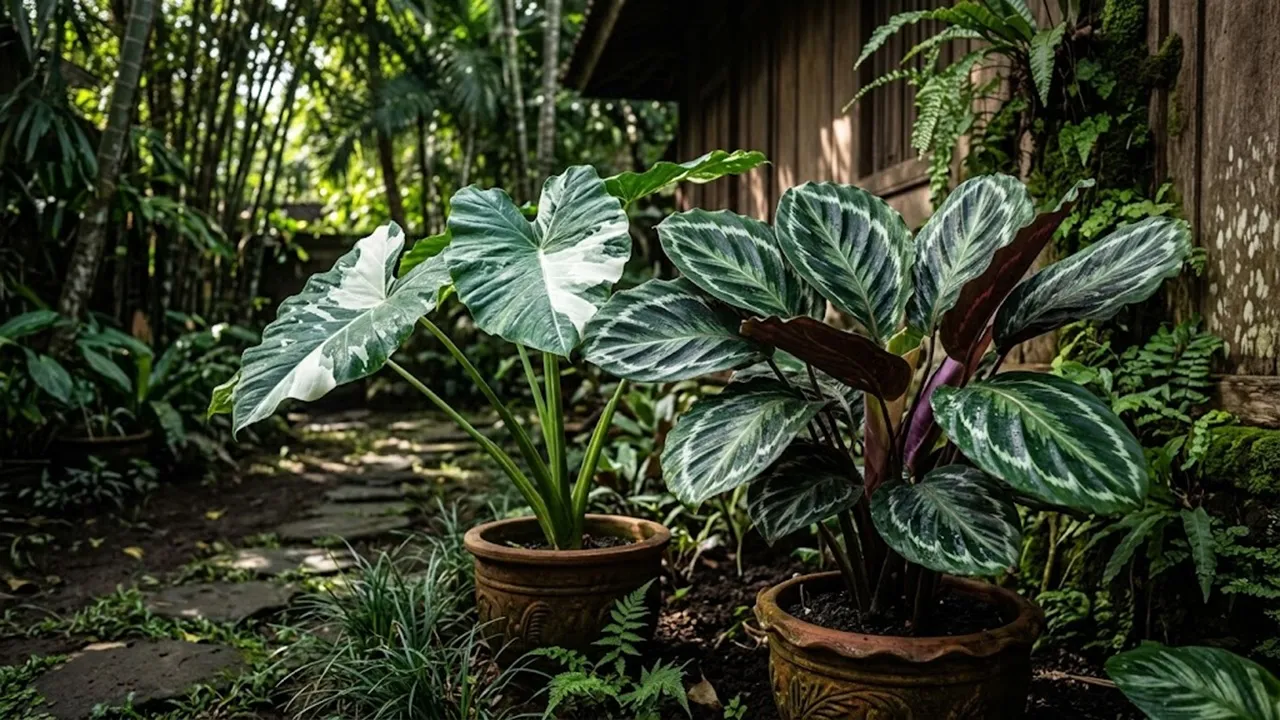
Kapanlagi.com - Yards that are covered by buildings, located between two houses, or shaded by roofs often receive very little direct sunlight throughout the day. Such conditions sometimes make homeowners hesitant to plant because they worry about yellowing leaves, stunted growth, or the plants eventually dying due to lack of light.
However, a shaded yard doesn't mean it has to be left empty. There are quite a few plants that naturally prefer indirect light, partial shade, or shaded areas with bright lighting. The key is to choose plants that suit the yard's conditions while also paying attention to air circulation, soil moisture, and the intensity of light that is truly available.
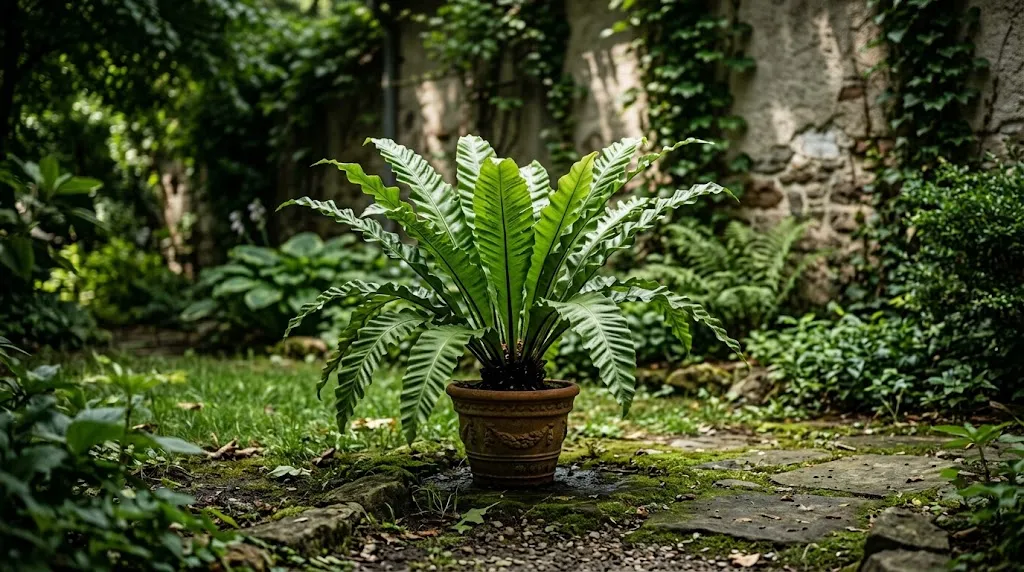
Fern (AI Generated)
Ferns are one of the plants suitable for home gardens with minimal sunlight because many species thrive well in shady and moist environments. Their lush leaves with a distinctive shape can create a cool impression, especially if the plants are placed in a corner of the yard that is sheltered from the harsh midday sun.
This plant can be placed in pots, hanging pots, or planted in areas of soil that receive indirect light. Although they prefer moist conditions, the planting medium should not be continuously waterlogged as the plant's roots need air to avoid problems caused by overly wet soil.
Calathea is known for its decorative leaf patterns and colors, making this plant attractive even though it does not produce striking flowers. Various varieties have combinations of dark green, light green, white, and even purple that can serve as a natural accent in a shady home garden.
This plant is better suited to bright light but should not be exposed to direct, intense sunlight. Therefore, calathea can be placed in a covered yard, back porch, or a corner of the garden sheltered by trees. Excessive sunlight can actually cause the leaves to appear pale or develop dry spots.
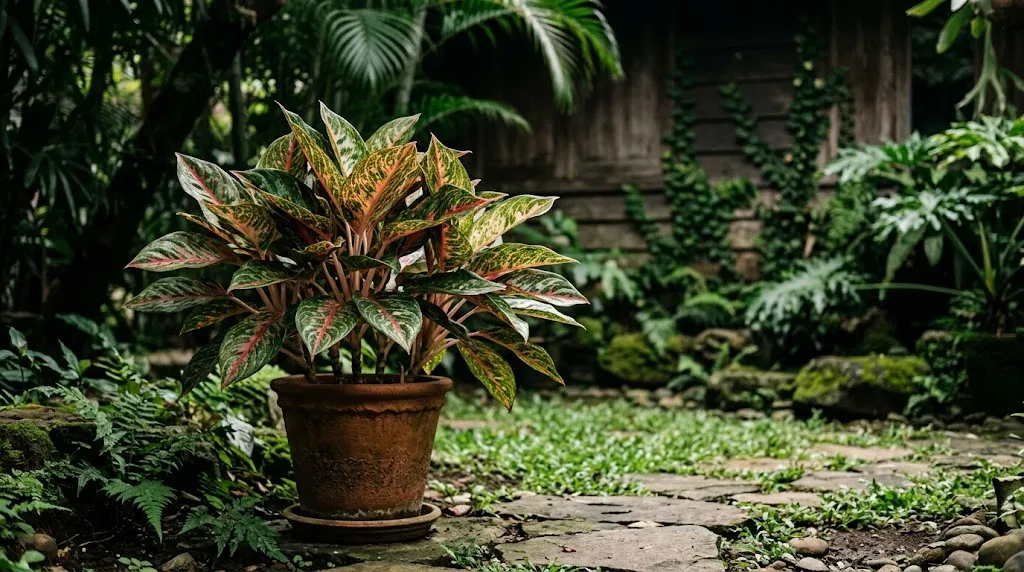
Aglaonema (AI Generated)
Aglaonema, often referred to as the fortune plant, is a popular ornamental foliage plant due to its attractive appearance and the variety of patterns available. There are varieties with dominant green, red, pink, and even combinations of colors that can make a small garden look livelier.
Aglaonema can grow in indirect light conditions, although the light requirements for each variety are not always the same. Varieties with more striking leaf colors usually still require fairly bright lighting to prevent their leaf colors from appearing dull. If placed outdoors, choose a location that is sheltered from excessive rain and direct midday sun.
Taro can be an interesting choice to fill a garden that does not receive much sunlight. The main attraction of this plant lies in its wide leaves with a combination of striking colors and patterns, ranging from green, white, pink, to red.
Most taro plants prefer indirect light or partial shade rather than being exposed to harsh sunlight all day. However, a garden that is too dark is also less than ideal, as the plants still need light to carry out photosynthesis. A bright but sheltered spot from midday sun is usually a safer choice.
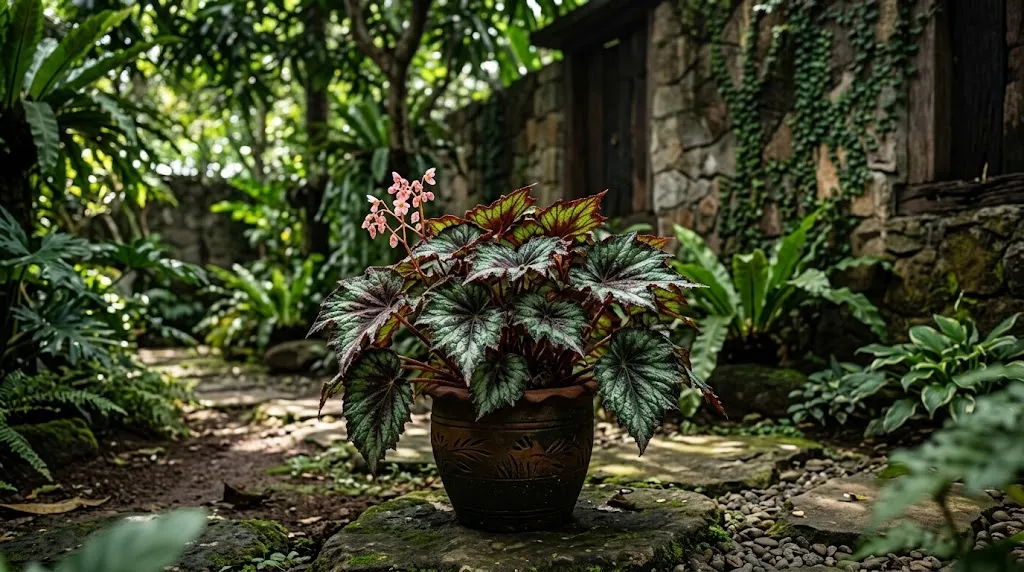
Begonia (AI Generated)
Begonias come in many varieties with different appearances, ranging from types that highlight the beauty of their flowers to those that are famous for their leaf patterns. This characteristic makes begonias easy to use as decorations for small gardens, plant shelves, or areas near terraces.
Many begonias prefer a spot that receives bright indirect light or soft morning sunlight. Too much direct sunlight can cause the leaves to burn, while overly dark conditions can hinder their growth. In addition to lighting, avoid keeping the potting medium too wet for extended periods.
The peace lily has glossy green leaves with white flowers that make it look clean and elegant. This plant is often kept indoors but can also be placed in protected outdoor areas that do not receive too much direct sunlight.
A covered patio or terrace with sufficient natural light can be a suitable location. Although fairly tolerant of shady conditions, the peace lily is not a plant that should be placed in a completely dark corner of the yard. Insufficient lighting can slow its growth and reduce flowering.
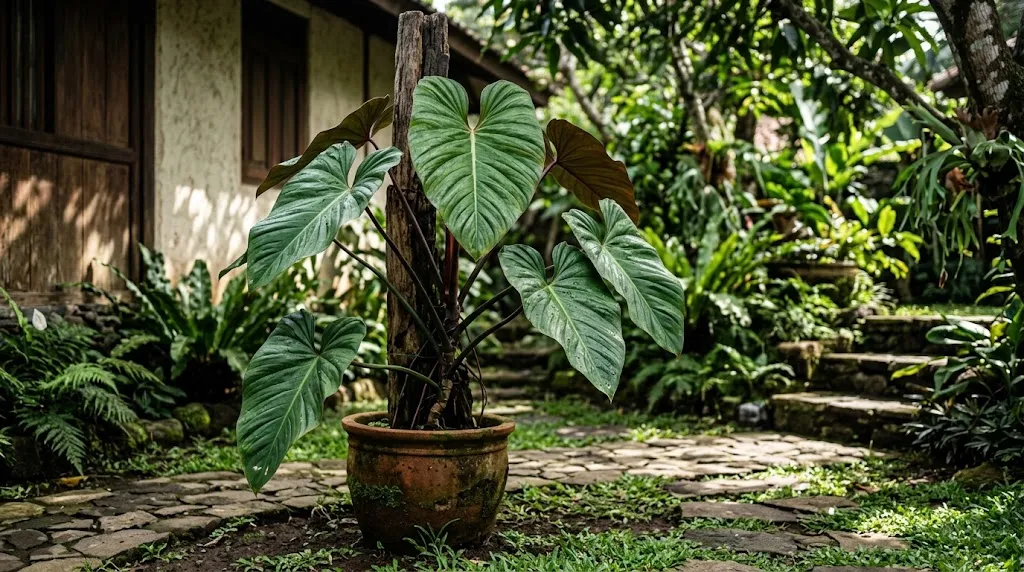
Philodendron (AI Generated)
Philodendron is suitable for creating a tropical atmosphere in a shady garden. The shape of its leaves varies depending on the species, ranging from heart-shaped leaves to varieties with large, lobed leaves that give a dramatic appearance.
Most philodendrons prefer indirect light rather than direct sunlight, making them suitable for placement in the side yard of a house, near a terrace, or under shade. Some species also have a climbing growth habit, allowing them to be directed onto poles, trellises, or supports to create a simple vertical garden.
Monstera can be a choice for a shady garden that needs a fairly large plant as a focal point. Its broad leaves with characteristic splits or holes provide a strong tropical character and can easily be combined with smaller plants.
Although tolerant of shady conditions, monstera still grows better when it receives bright, indirect light. If the garden is too dark, the growth of the plant may slow down, and the characteristic leaves may not develop as well as those of plants receiving adequate lighting.
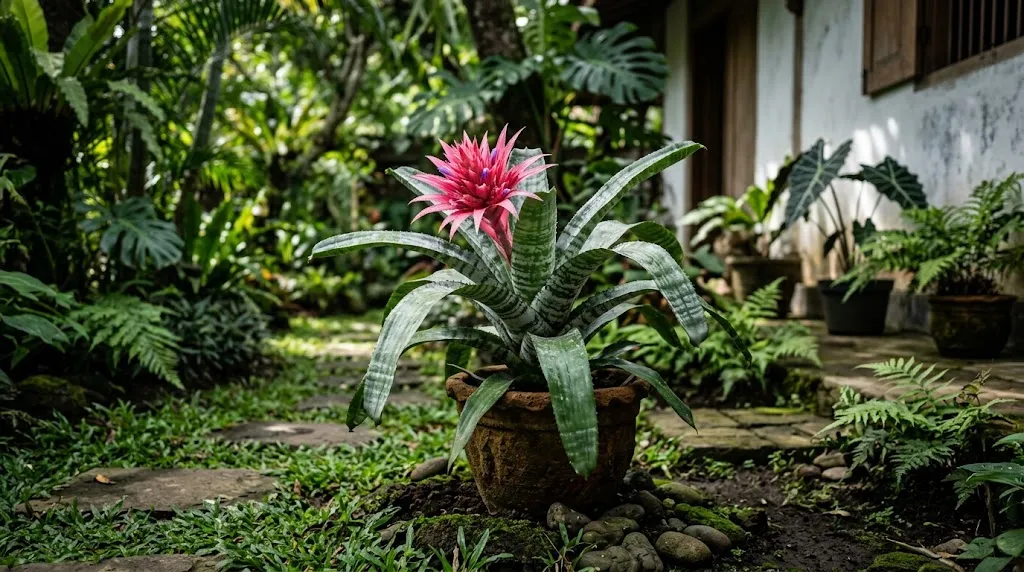
Bromelia (AI Generated)
Bromelia offers a different appearance from most ornamental foliage plants because it has a leaf arrangement that forms a rosette with colors that can sometimes be very striking. Combinations of green, red, orange, or pink can be an interesting accent among plants dominated by green colors.
Many types of bromeliads can grow well in filtered bright light. This plant is suitable to be placed under a canopy, in the shade of trees, or on an open terrace that still receives natural lighting. Avoid exposure to intense midday sun if the type of bromeliad planted has leaves that are sensitive to excessive light.
Lily Paris or spider plant has long, curved leaves with a combination of green and white colors that make it look light and lush. Its size is relatively easy to adjust to small yards because it can be planted in regular pots or hanging pots.
This plant can adapt to indirect light and does not require full sunlight throughout the day. Nevertheless, adequate lighting still helps maintain its growth and leaf patterns. Placing it near a terrace or in a yard area that receives gentle morning sunlight can be a good choice.
Not all yards described as "low sunlight" have the same conditions. Some yards still receive morning sun for one or two hours, some only get reflected light, while others are shaded by buildings for almost the entire day. Therefore, lighting conditions should be observed first before purchasing plants.
The following considerations can be taken into account:
Observe the light throughout the day. Note whether the yard receives morning sun, afternoon sun, or only indirect light.
Choose plants according to the level of shade. Shade-tolerant plants still need light and may not thrive in very dark places.
Pay attention to moisture. Shady yards usually cause water in the planting medium to evaporate more slowly, so watering is not needed as much as for plants in hot areas.
Ensure good drainage. Use pots with holes or soil that does not retain water for too long.
Maintain air circulation. Shady, humid, and stuffy conditions can increase the risk of problems with both leaves and roots.
Yes. Many plants can grow with indirect light, but they still need adequate lighting to perform photosynthesis.
Ferns, calathea, aglaonema, philodendron, begonia, and Paris lily can be considered as long as the area still receives natural light.
Not always. The growing medium in shaded areas usually dries out more slowly, so watering should be done after checking the soil moisture.
Yes, as long as the yard receives bright indirect light. Conditions that are too dark can slow down its growth.
It is still possible if there is sufficiently bright natural light. However, areas that are completely dark are usually less ideal for living plants and may require a change of location or additional lighting.
Shade-tolerant plants do not mean they can grow without any light at all. If the area is too dark, some changes in the plants may indicate that the location needs to be evaluated.
Very slow growth, stems stretching toward the light source, increasing distance between leaves, or leaves losing their character can occur when lighting is inadequate. In flowering plants, the number of flowers may also decrease because the plant does not receive enough energy to support blooming.
If these conditions arise, gradually move the plants to a brighter area without placing them directly under harsh sunlight. Sudden lighting changes, especially for plants that are used to being in the shade, can potentially cause leaf stress or burning.
Yes. Many plants can grow with indirect light, but they still require adequate lighting to perform photosynthesis.
Ferns, calathea, aglaonema, philodendron, begonias, and Paris lilies can be considered as long as the area still receives natural light.
Not always. The growing medium in shady areas usually dries out more slowly, so watering should be done after checking the soil moisture.
Yes, as long as the yard receives bright indirect light. Conditions that are too dark can slow down its growth.
It is still possible if there is enough bright natural light. However, areas that are completely dark are usually less ideal for plants to thrive and may require relocation or additional lighting.
(kpl/ank)
Cobain For You Page (FYP) Yang kamu suka ada di sini,
lihat isinya
This sautéed button mushroom, corn, and green bean recipe is easy to make, nutrient-rich, and suitable for a healthy family meal.

Can you shampoo every day? The answer actually depends on hair type and scalp condition. Check out the right shampooing frequency.

Self reward ideas that won't break the bank to indulge yourself without spending a lot of money.

Recommendations for the best dramas about poor students entering elite schools, ranging from Boys Over Flowers to Hierarchy. Discover the analysis of class conflict and the struggles of students in conglomerate schools.

Trains in Indian cinema are not just transportation, but the main stage for love stories, struggles, and self-discovery. Explore iconic films that use the tracks as a canvas for storytelling.

Although they may look similar at first glance, suits and blazers have different functions and characteristics. Understand the detailed comparison of designs, materials, and occasions to ensure your fashion style is always on point and suitable for the event.

Discover the complete guide to the delicious, fresh, and practical spicy tomato eggplant soup recipe that can be made at home. Complete with ingredient measurements, cooking steps, and tips to avoid failure.

Unveiling the intrigue and drama of infidelity, this popular drama tells the story of a woman's struggle against betrayal and the fight for a husband.

Find inspiration through the recommended movies about pilgrimage and self-discovery below.

Check out the complete guide to the practical, delicious, and highly nutritious mushroom and green onion stuffed rolled eggs recipe, complete with how-to instructions and tips for success so you won't fail.
