

 Follow
 Rekomendasi
8 Affordable Ornamental Plants to Beautify Your Minimalist Home Terrace in 2026
Looking for affordable ornamental plants to beautify your home terrace? Check out these beautiful, easy-to-care-for plants suitable for various terrace sizes.
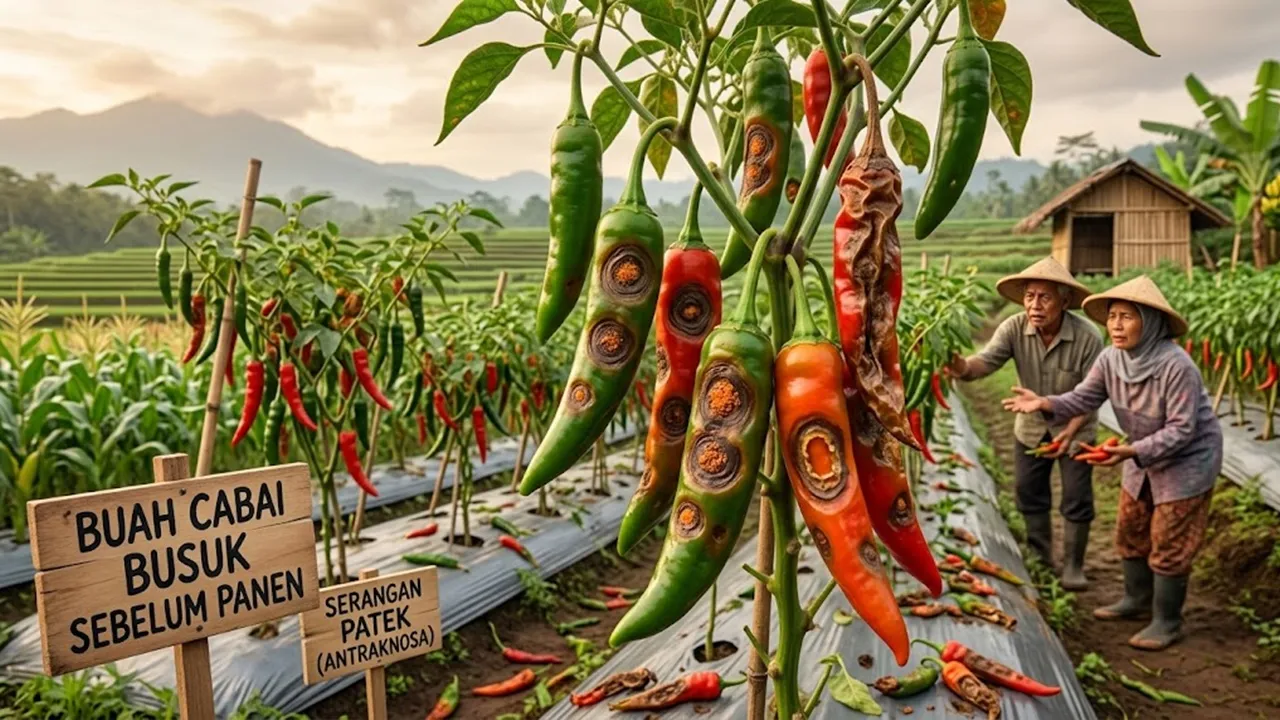
Kapanlagi.com - Chili, the favorite spicy ingredient, often becomes a star in the kitchen and fields. However, behind its popularity, farmers often struggle with a significant challenge: chili peppers that rot before they can be harvested. This is not just a minor loss, but a serious threat that can undermine all their hard work.
Understanding the root causes of rotten chili peppers is the first step toward a bountiful harvest. From deadly fungal attacks to essential nutrient deficiencies, various factors can be the cause. Fortunately, there are various integrated strategies that can be applied to keep the chilies healthy until it's time to pick them.
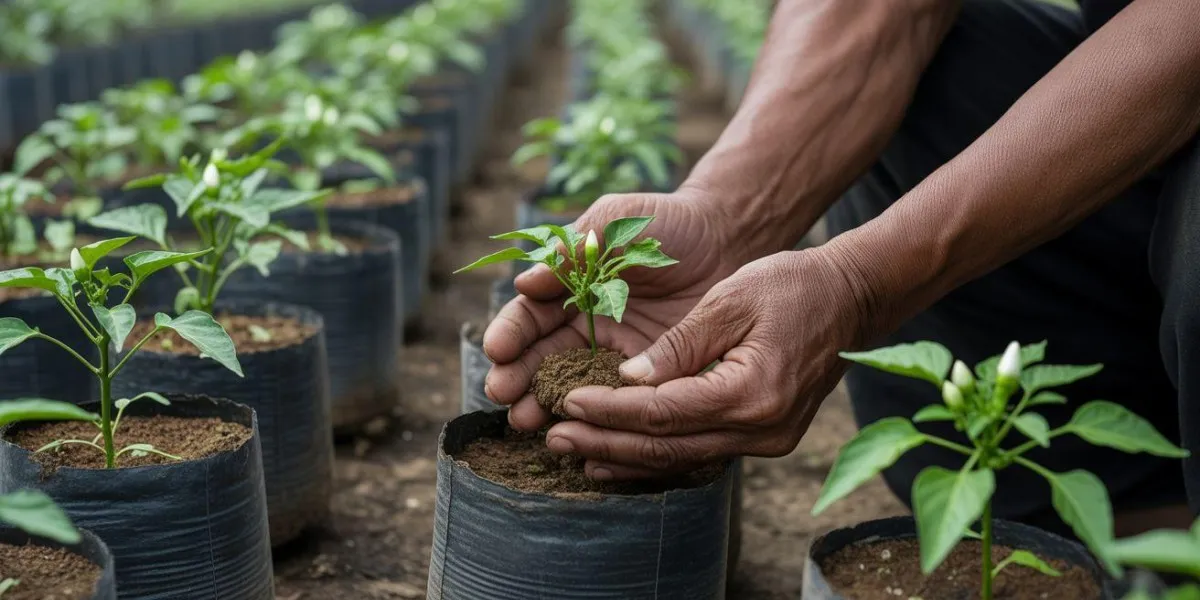
Chili seeds. [AI Generated]
Start your cultivation by selecting healthy chili seeds that are free from infection and come from varieties that are resistant to diseases, especially anthracnose. Quality seeds help reduce the risk of disease from the early stages of growth.
This step should be combined with regular plant observation so that early symptoms can be recognized and addressed before they develop into rot and fruit drop.
The right planting distance helps maintain air circulation between chili plants. Avoid planting too closely together as this condition can increase humidity around the plants and create an environment that supports disease development.
Adequate spacing also helps sunlight reach the plants better. Adjusting the planting distance is one of the cultivation steps that can help reduce the risk of anthracnose.
Plastic mulch can help reduce water splashes from the soil surface that may carry disease spores to the plant parts. The use of mulch also helps keep the bed conditions more controlled.
For chili plants, plastic mulch can be combined with proper spacing and drainage to ensure that the surrounding environment is not too damp. This step is especially important when the plants enter the flowering phase and start producing fruit.
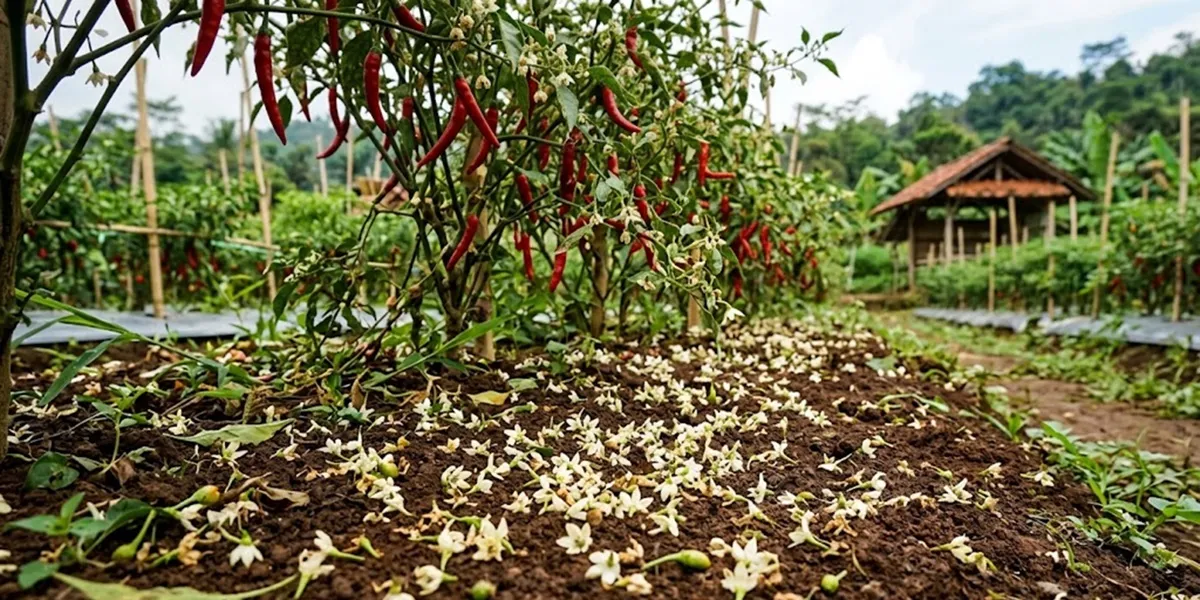
Chili plants. [AI Generated]
Sanitation is an important step to reduce disease sources around the plants. Remove weeds, plant debris, and any plant parts showing disease symptoms. Rotten or infected chili fruits should be harvested and destroyed immediately, including those that have fallen to the ground.
Do not allow diseased plant parts to remain around the garden as they can become a source of pathogen spread to healthy plants or fruits.
As soon as you find fruits with sunken spots, brown or black discoloration, and signs of decay, immediately separate them from the plant. Infected fruits should not be left to worsen as they can become a source of disease.
Collect sick fruits and dispose of them properly. This quick action is important to reduce the source of inoculum and help prevent the disease from spreading to other healthy fruits.
Good drainage is essential to maintain land conditions, especially during the rainy season. Ensure that water can flow smoothly and does not pool around the plants. An overly wet environment can promote the development of several diseases in chili.
Therefore, improving drainage channels and managing the beds should be done from the start. This step should also be accompanied by weeding to ensure that drainage channels are not obstructed.
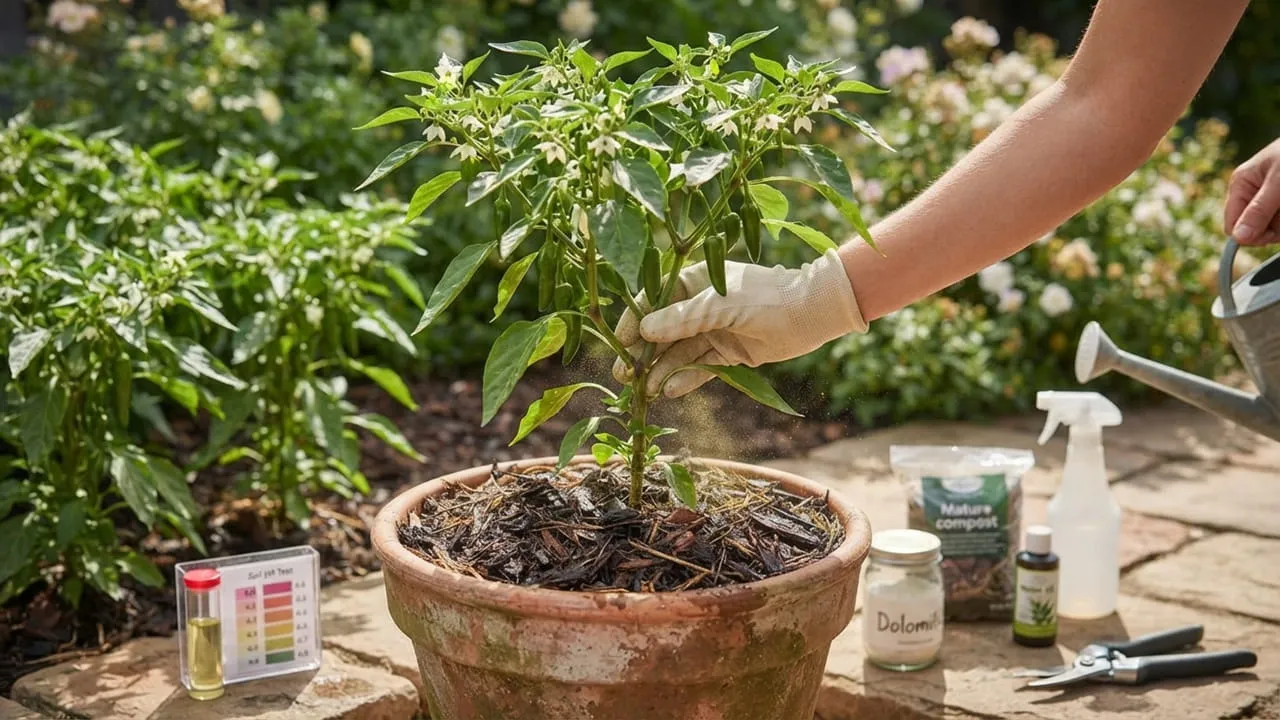
Chili plants. [AI Generated]
Crop rotation can help reduce the risk of disease in the next growing season. After the chili peppers are harvested, avoid continuously planting crops from the same group in that area. Use non-host plants as part of the crop rotation to help break the pathogen cycle.
Rotation should ideally be combined with land sanitation and disposal of infected plant residues to prevent disease sources from persisting in the cultivation area.
Balanced fertilization is necessary to support plant growth and fruit quality. Avoid excessive nitrogen application, especially when the plants enter the flowering and fruiting phases.
Potassium and calcium are mentioned as elements that need attention to support fruit quality. Calcium deficiency can also be associated with fruit blackening at the tips and subsequently dropping, especially when the plants experience water shortage.
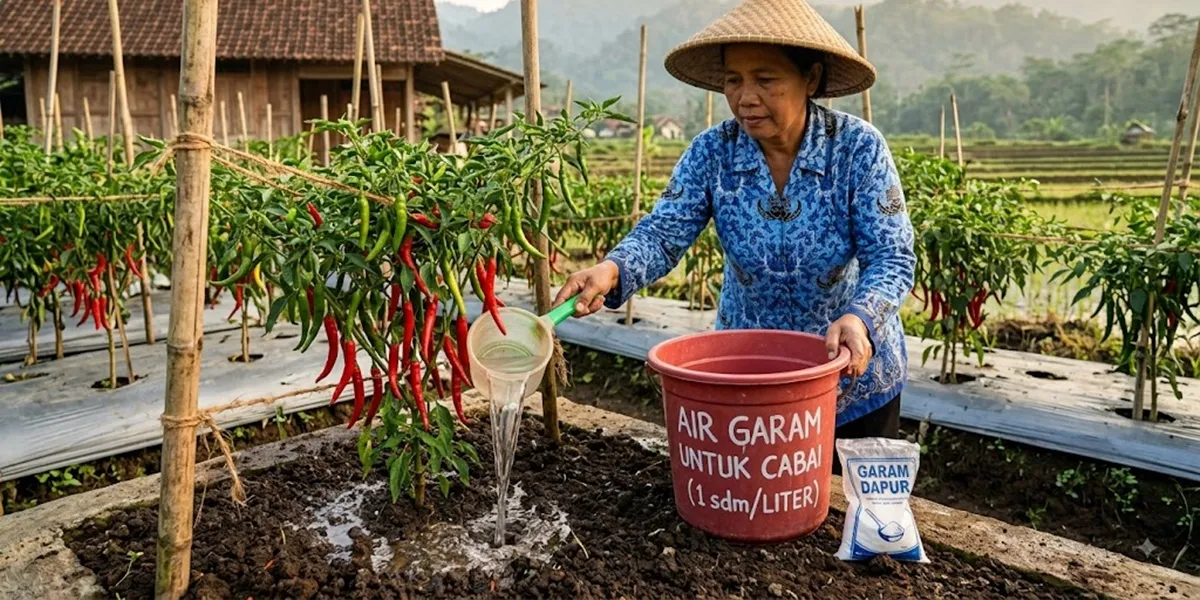
Chili plants. [AI Generated]
Biological control can be part of a strategy to suppress pathogen development in chili plants. Agents such as Trichoderma spp. and PGPR can be utilized as alternatives that support integrated disease management.
Their use should not stand alone but be combined with healthy seedlings, sanitation, good drainage, and regular monitoring. With an integrated approach, dependence on chemical control can be reduced.
If the disease attack has already developed, fungicides can be used as part of integrated control. The selection of products should be tailored to the disease affecting the plants and use fungicides that are registered and permitted for chili plants.
Follow the dosage and intervals on the label, and consider rotating active ingredients to help reduce the risk of resistance. The use of fungicides should still be accompanied by sanitation because spraying alone is not enough if the source of infection is still present in the garden.
What are the main causes of rotten chili fruits before harvest?
Chili fruits can rot due to anthracnose disease, Phytophthora, bacterial infections, fruit fly attacks, as well as overly humid environmental conditions.
How can we prevent chili fruits from rotting before harvest?
Choose healthy seeds, arrange planting distances, use mulch, maintain garden sanitation, improve drainage, and promptly remove infected fruits.
Can fertilizers help prevent chili fruits from rotting?
Yes. Balanced fertilization can help maintain plant health. Avoid excessive nitrogen and ensure adequate potassium and calcium supply.
When should fungicides be used to address rotten chili fruits?
Fungicides can be used when the disease attack begins to develop. Their use should follow the active ingredients, dosage, application intervals, and instructions on the product label.
(kpl/ini)
Cobain For You Page (FYP) Yang kamu suka ada di sini,
lihat isinya
Looking for affordable ornamental plants to beautify your home terrace? Check out these beautiful, easy-to-care-for plants suitable for various terrace sizes.

Zones in demonstrations have different terms according to risk levels and functions, from risk areas to safe zones.

Don't have much time to care for plants? Discover 7 plant options that can make a room feel greener without complicated maintenance.

7 statements from high EQ individuals to strengthen relationships, ranging from showing empathy to wisely diffusing conflict.

Recommendations for long-distance love films that test loyalty, from Indonesia to overseas, perfect for weekend viewing.
The causes of avocado trees flowering but the fruits falling off can stem from water, nutrients, weather, and pests.

Recommendations for movies themed around reincarnation and past lives from various countries, complete with brief synopses.
Learn the list of foods that should not be stored in the fridge door along with the reasons according to food safety experts. Protect your family's health and prevent food from spoiling quickly.

A series of movies themed around disguise and double agents that present deep intrigue, stunning action, and unexpected plot twists that keep you guessing.

The word "kepo" which is now officially included in the KBBI, actually comes from the Hokkien language "kaypoh" meaning excessively curious, not an abbreviation of English as many people assume.

A guide to selecting perfume for your wedding day, starting from its differences with daily perfume, recommendations for scents for the bride and groom, to tips for longevity.

KLovers, here are 11 recommendations for movies about gymnasts and young athletes who strive to achieve their dreams, complete with synopses, cast, airing schedules, and fun facts.
