

 Follow
 Rekomendasi
8 Disaster Movies Based on True Stories, Here’s the Story Behind Them
8 disaster movies based on true stories and the original tales behind them, from Titanic to The Impossible.
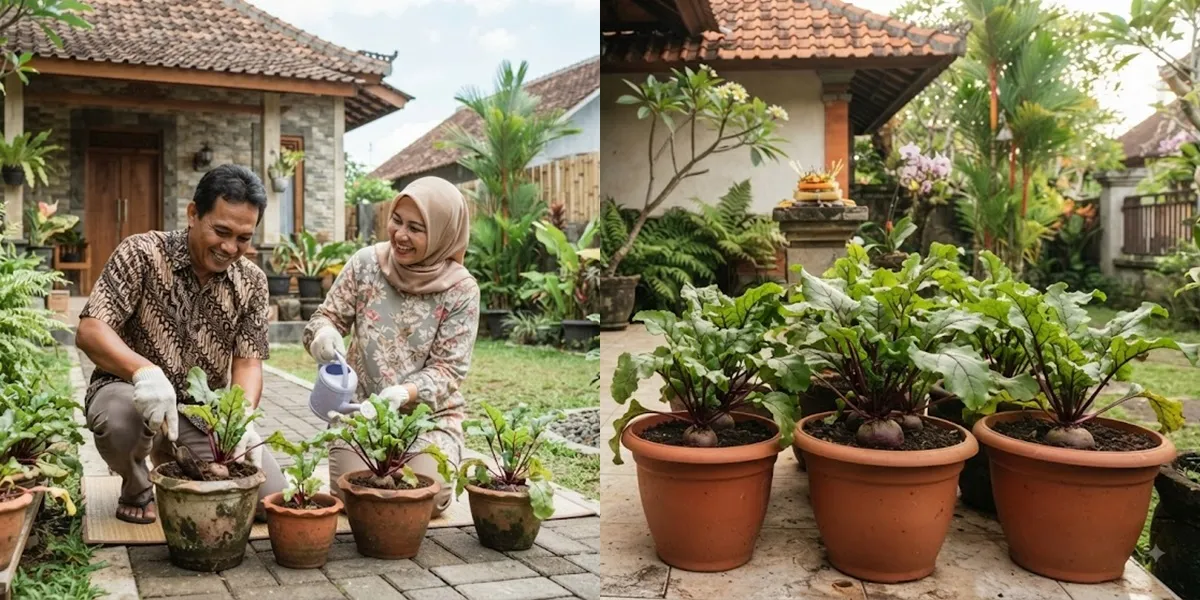
Kapanlagi.com - How to grow beets in pots for beginners can be done at home even without garden land. Beets are tuber plants that can grow in containers with suitable depth, so balconies, terraces, or narrow yards can be used for planting. Pots with a depth of about 25–30 centimeters and drainage holes can be a good choice to start planting.
Beets also contain nitrates which in several studies have been linked to a decrease in systolic blood pressure. Therefore, beets can be part of a diet to help maintain heart and vascular health, but they cannot replace medication or treatment from healthcare professionals.
Growing your own allows you to obtain food from home and utilize the edible parts of the plant. Beet greens can also be cooked, so the harvest is not only from the tuber part. With regular care, growing beets in pots can become a household activity that produces food for consumption. Let’s follow how to grow beets in pots with KapanLagi, for your gardening guide.
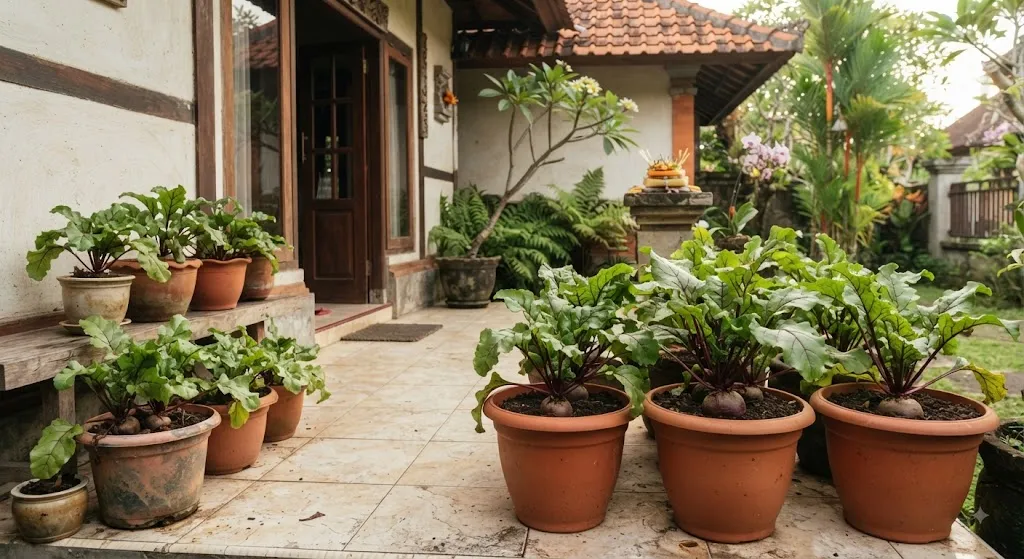
Growing beets in a pot (AI generated)
Planting beets can be a choice for those who want to provide food from home while also incorporating vegetables into their menu. Beets contain nitrates that can help in the formation of nitric oxide in the body, thus relating to blood vessel function and blood pressure.
Research from the National Library of Medicine (NLM), managed by the United States government, titled "Nitrate Derived From Beetroot Juice Lowers Blood Pressure in Patients With Arterial Hypertension: A Systematic Review and Meta-Analysis" found that the consumption of beets or beet juice can lower systolic blood pressure in certain groups.
Here are some conditions related to beet consumption in the research:
1. Hypertension, as nitrates from beets can help lower systolic blood pressure.
2. Risk of cardiovascular disease, through its relation to blood pressure and blood vessel function.
3. Blood pressure disorders, as part of a diet, not a substitute for medication.
4. Folate needs, as beets can be one of the sources of folate in the diet.
The way to plant beets in a pot for beginners starts with choosing a container that can provide space for the tubers to grow. Here’s how to do it:
1. Use a pot or a gallon
Dig at least 25 centimeters deep and make sure the bottom has holes for draining water. A two-gallon container can also be used to plant beets with several plants after thinning them out.
2. Choose the right planting media
Planting media can be a mixture of soil, compost, and materials that help with drainage. Avoid using garden soil directly in large amounts because the media in pots can become compacted and hinder water flow. Media that can drain water helps reduce the risk of roots being in overly wet conditions.
3. Fill the pot according to the rules
Fill the pot a few centimeters below the rim of the container so that water does not overflow during watering. Before planting the seeds, moisten the media first. After that, make planting holes with enough spacing so that the seedlings can be separated when they start to grow.
Beet seeds can be planted directly into pots without needing to be moved from the seedling place. This method helps reduce work as the plants develop in the same container from the start. Note the following:
1. Insert the seeds into the planting medium
Insert the seeds into the planting medium at a depth according to the instructions on the seed package, then cover them lightly with the medium.
2. Water appropriately
After the seeds are in the medium, water them with enough water to keep the surface moist. Do not let the medium become waterlogged as this condition can hinder plant growth. Beet seeds generally start to germinate in about 10–15 days if the moisture of the medium is maintained.
3. Leave space in the beet planting area
When several plants grow close together, thin them out by leaving space for each plant. Thinning is important because one beet seed can produce more than one sprout. The leaves from thinning can be used as food while they are still suitable for consumption.
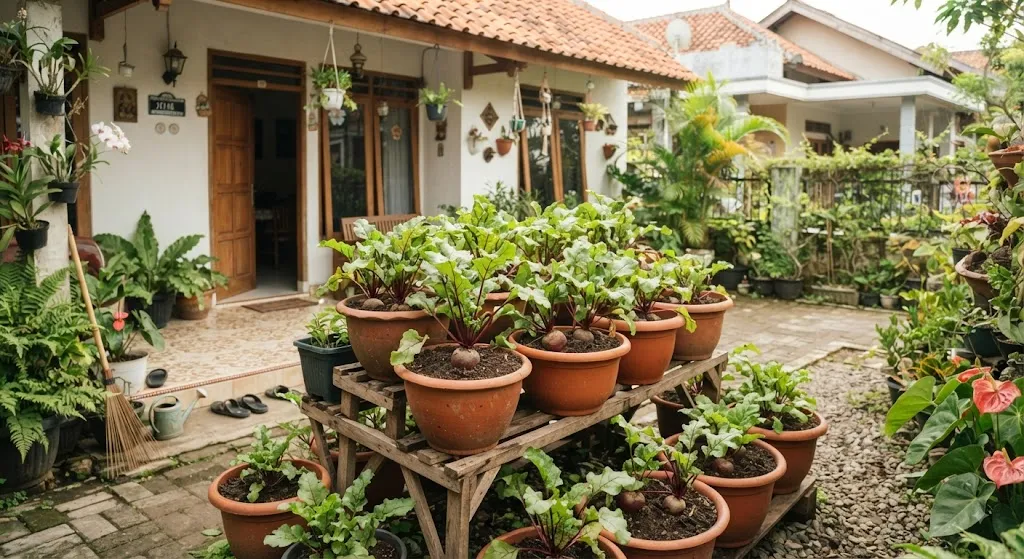
Beet trees planted in pots (AI generated)
Beets can grow in locations that receive sunlight and can still survive in conditions with some shade. For home planting, place the pot on a terrace or yard that receives light for several hours each day.
Observe the changes in the plant's condition after the pot is placed. If the medium dries out too quickly, watering needs to be adjusted according to the state of the medium. Conversely, if water lingers too long in the pot, check the drainage holes and the condition of the planting medium.
The pot should also not be placed directly in a location that covers its bottom. Allow space for water to escape from the pot holes. This step helps prevent the medium from retaining excessive water.
Watering is an important part of how to grow beets in pots for beginners because the medium in containers has limited space. Check the surface of the medium before watering. If the top begins to dry out, provide water until the medium is moist again and some water drains from the bottom of the pot.
Do not establish a watering schedule solely based on the number of days. Weather conditions, pot size, light exposure, and type of medium can cause water needs to vary. On hot days, the medium can lose water more quickly, so it needs to be checked more frequently.
As the plant starts to develop several leaves, continue watering while observing the condition of the medium. Avoid watering a little but too often, so that the bottom of the pot is always wet. The goal is to maintain moisture without keeping the roots in standing water.
Beets require nutrients to form leaves and tubers. Mature compost can be mixed into the media from the start. If plant growth is slow, vegetable fertilizer can be applied according to the instructions on the package to avoid excessive use.
Regularly check the pot for grass or other plants growing around the beets. Weeds can take water and nutrients from the limited media. Gently pull out these plants to avoid disturbing the beet roots.
Leaves should also be checked from time to time. If there are damaged parts of the leaves or insects, immediately remove the affected parts. Routine inspections help identify problems with the plants before they spread to other parts.
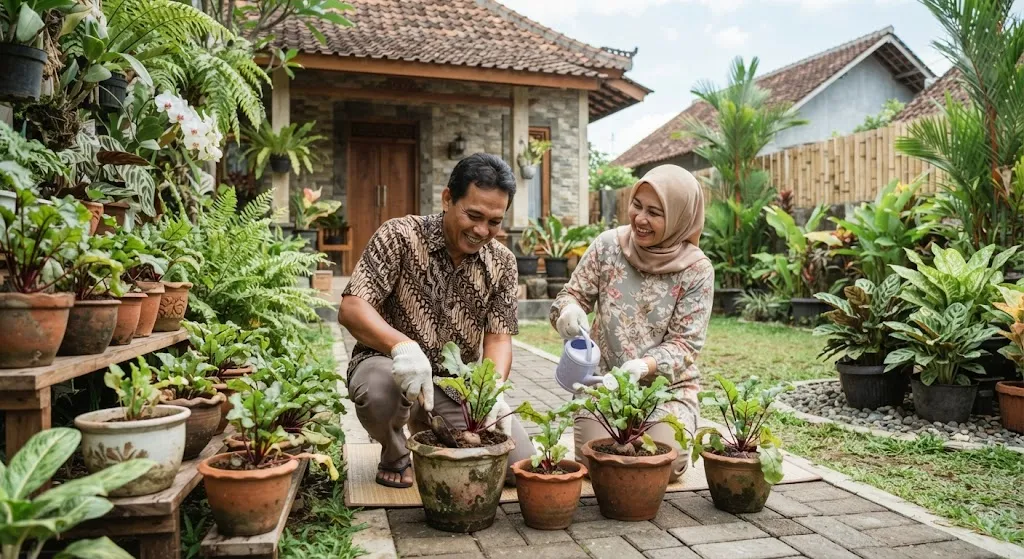
Planting beets in pots (AI generated)
Beets can be harvested when the top part of the tuber starts to show above the surface of the media. Harvesting time can vary based on variety and growing conditions. As a guideline, some cultivation guides state that beets can be harvested about 50–60 days after planting.
Do not let the tubers continue to grow without monitoring their condition. Tubers that stay in the media too long can undergo texture changes. To check the condition of the tuber, you can look at the part that is emerging on the surface before pulling out the plant.
When harvesting, moisten the media first if it is too dry, then gently lift the tuber. Avoid pulling on the leaves with great force, as parts of the plant may break off without bringing the tuber with it.
After harvesting, separate the leaves from the root. Beet greens can be cooked as vegetables, while the roots can be used for various dishes. Beets can be consumed after being washed and cooked by boiling, steaming, roasting, or processed into other foods.
If you are not ready to process them yet, store the beets in appropriate conditions to maintain their quality. The leaves should be separated from the roots before storage because the leaves can draw moisture from the roots. Store the harvest according to your needs and use it within a few days for household consumption.
It is important to remember that the benefits of beets do not mean that this plant can replace medical treatment. If you have hypertension or other diseases and are undergoing treatment, the consumption of beets should still be considered as part of your diet. Medical treatment should continue to follow the recommendations of healthcare professionals.
1. Can beets be grown in pots?
Yes. Beets can be grown in pots with a depth of about 25–30 centimeters and drainage holes.
2. How long does it take to harvest beets?
Some guidelines suggest that beets can be harvested about 50–60 days after planting, but the timing depends on the variety and growing conditions.
3. Can beets lower blood pressure?
Several studies indicate that the consumption of beets or beet juice may help lower systolic blood pressure in certain groups. However, beets are not a substitute for antihypertensive medication.
4. Can beet greens be eaten?
Yes. Beet greens and stems can be used as food after being cleaned and prepared.
5. Can beets cure diseases?
No. Beets are a food source that can support a healthy diet but cannot be claimed as a cure for specific diseases.
(kpl/rul)
Cobain For You Page (FYP) Yang kamu suka ada di sini,
lihat isinya
8 disaster movies based on true stories and the original tales behind them, from Titanic to The Impossible.
How to care for orchids to bloom quickly with a complete guide on lighting, watering, fertilizing, and the ideal temperature for maximum results.
How to easily plant avocado from seed at home, starting from germination to being transferred to a pot.

The sentences typically uttered by psychopaths during conversations often sound normal. Recognize 10 signs to avoid being easily manipulated by those close to you.

Here are 12 ways to avoid feelings of loneliness while solo traveling so that your journey remains fun, comfortable, and memorable. Let's take a look.

Recommendations for movies with the saddest endings from the West, Korea, Japan, and Thailand that are sure to make the audience's hearts ache.
Rust on home fences can be addressed without repainting. Learn practical guidelines for cleaning rust with natural materials, mechanical methods, and special products for a clean and well-maintained fence.

Recommendations for musical films similar to La La Land with love stories, music, and the struggle to pursue dreams.

10 Sherlock-style detective movies with complex mysteries, hidden clues, and puzzles that make you think.

Here are recommendations for spectacular movies about storms and natural disasters featuring tornadoes, tsunamis, earthquakes, and global apocalypse with thrilling action and stunning visuals, testing your adrenaline with gripping stories.

Get ready to stay up late! This lineup of horror films with many chapters offers continuous tension, from paranormal activities to iconic serial killers that will send chills down your spine.

Want to know the signs of a child who will succeed in the future? Here are seven important behaviors that parents can recognize early on at home.
