

 Follow
 Rekomendasi
20 Recommendations for War Films Between Nations, Presenting Spectacular Cinematography from World History
A collection of the 20 best war films between nations featuring spectacular battles, complex military strategies, and humanistic stories.
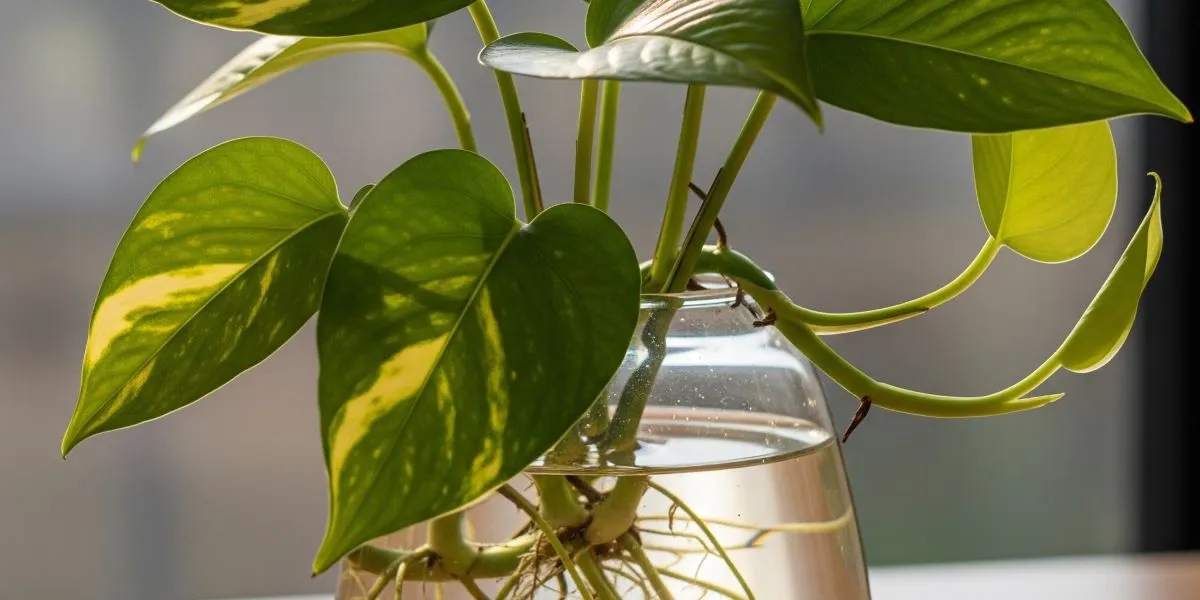
Kapanlagi.com - Pothos is one of the favorite ornamental plants due to its beautiful leaves, easy maintenance, and ability to grow in various planting media, including water. In addition to being aesthetically pleasing as a room decoration, this plant is also popular because its care is relatively simple, making it suitable for beginners or those with limited time for gardening. With the right technique, pothos can thrive without using soil.
Although it seems easy, growing pothos in water still requires attention to several important factors, such as cutting selection, water quality, lighting, and container cleanliness. Small mistakes, such as submerging too much of the stem or infrequently changing the water, can lead to root rot and hinder plant growth. Therefore, understanding the correct method from the start will increase the chances of success.
The good news is that you do not need expensive equipment or special skills to cultivate pothos in water. Simply using healthy cuttings, a clean container, and routine care, this plant can produce strong roots and lush leaves. So how do you grow pothos in water for quick rooting, lush growth, and rot resistance? According to various sources, Sunday (2/8/2026), check out the following information review.
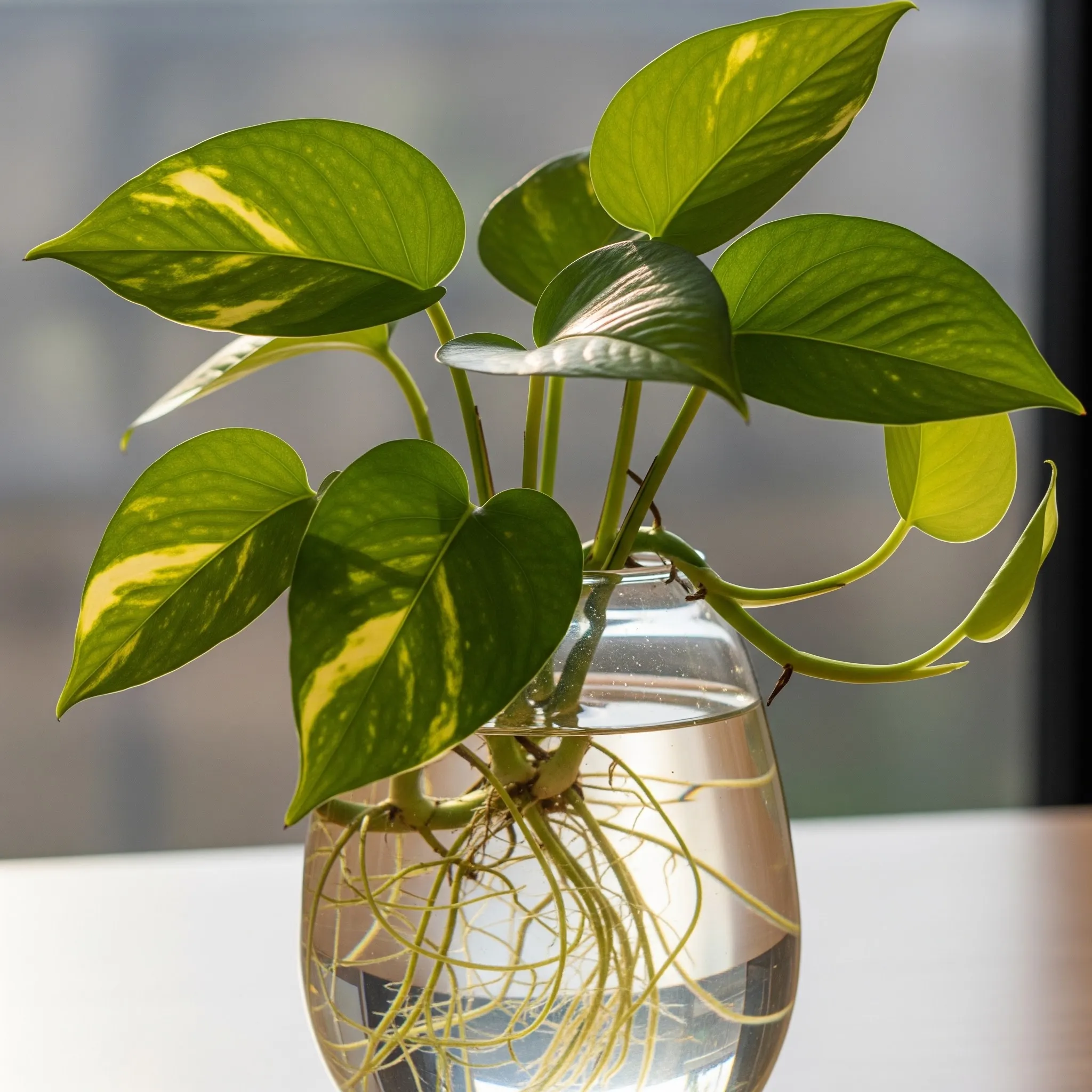
The success of growing pothos in water starts with selecting the right stem. Choose a stem that comes from a healthy parent plant, free from pests, diseases, and yellowing leaves. A healthy stem typically has a fresh green color, a sturdy texture, and good leaf growth. Avoid using stems that are wilted or show signs of rot, as their chances of survival are much lower.
When taking cuttings, ensure the stem has at least one to two nodes. These nodes will be the place where new roots will emerge when the stem is submerged in water. Cut the stem using sharp and clean scissors or a knife to ensure a clean cut and reduce the risk of bacteria or fungi that cause rot.
Additionally, choose cuttings that have two to four leaves. Too many leaves can increase evaporation, causing the plant to lose a lot of water before its roots form. Conversely, having a sufficient number of leaves will aid in the photosynthesis process, allowing the plant's energy to be focused on forming new roots more quickly.
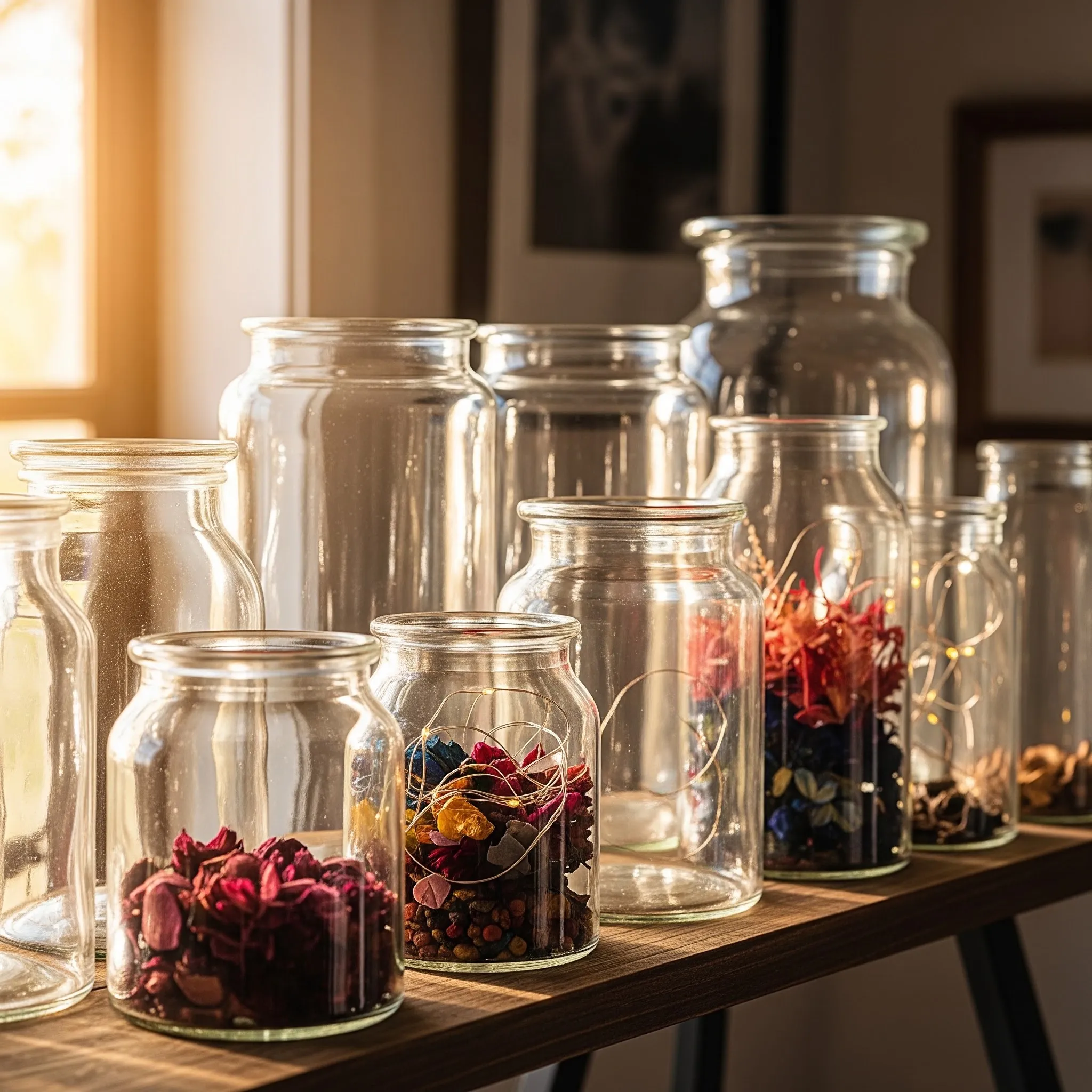
The container used for planting the betel vine in water also affects root growth. It is best to use a glass bottle, clear vase, or transparent cup that has been thoroughly cleaned. A transparent container makes it easier for you to observe the development of roots while also detecting early signs of slime, moss, or rotting.
Container cleanliness is very important because leftover dirt or bacteria can grow in the water and disrupt root growth. Before use, wash the container with soap, rinse it thoroughly, and then dry it. If possible, rinse with hot water to help reduce microorganisms sticking to the surface.
Choose a container that is appropriately sized for the length of the cutting. Do not use a container that is too narrow as it can hinder root growth, but also avoid containers that are too large so that the stem remains stable. With the right container, the roots have enough space to develop without making the plant prone to toppling over.
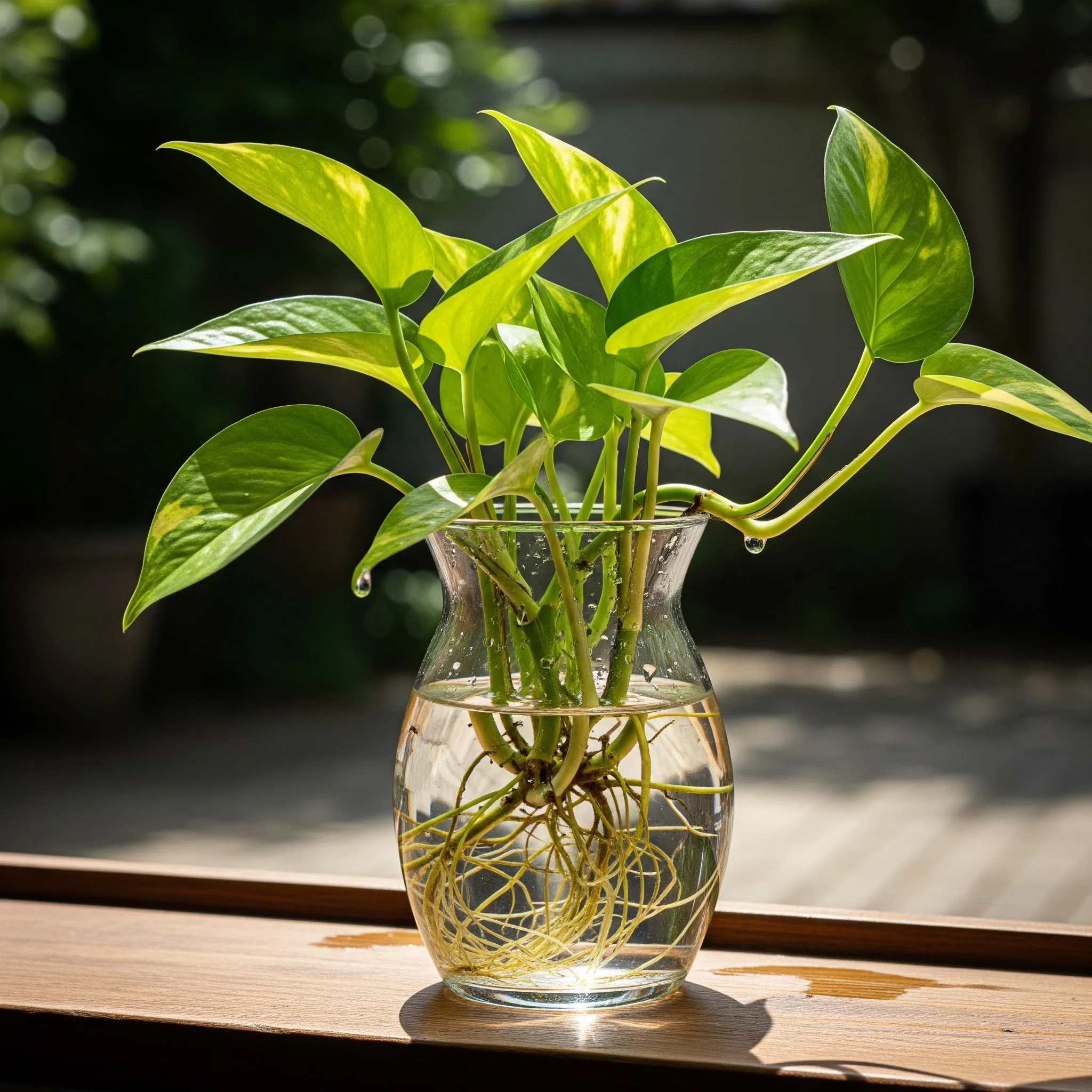
A common mistake when planting betel vine in water is soaking the entire stem or even its leaves. In fact, only the node section of the stem where the future roots will grow needs to be submerged. The leaves should remain above the water surface to prevent them from rotting due to overly humid conditions.
If the leaves are also submerged, the plant tissue will deteriorate more quickly, triggering decay. Water contaminated by rotting leaves can also accelerate the growth of bacteria and fungi. As a result, a previously healthy stem can become soft, turn brown or black, and ultimately fail to develop roots.
Adjust the position of the stem so that it remains upright and stable in the container. You can use a narrow-necked container or add simple supports if necessary. With a good position, the node section will have adequate contact with the water while also receiving the oxygen needed to stimulate root growth.
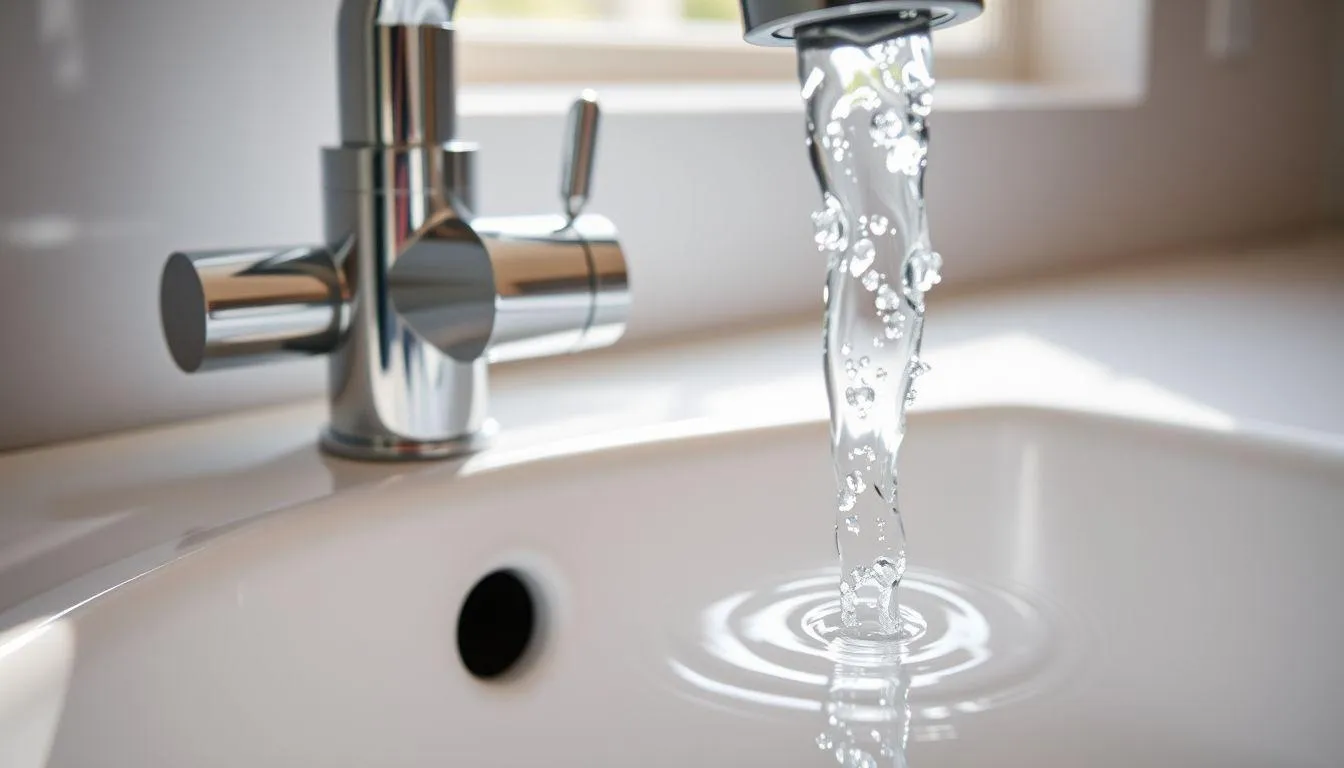
Water quality is an important factor in cultivating ivy using water media. Use clean water, such as boiled water that has cooled, clear well water, or tap water that has been left to sit for a few hours to reduce its chlorine content. Water that is too dirty or contains many certain substances can hinder root formation.
Water should not be left unchanged for too long. Over time, the oxygen in the water will decrease, while bacteria and other microorganisms begin to develop. This condition can cause the water to become murky, smell bad, and even trigger rot in the stems and roots.
Ideally, change the water every 5–7 days or sooner if the water appears murky. When changing the water, rinse the container gently to remove any slime that has adhered to the inside. This simple habit helps keep the growing environment clean so that the roots can develop healthier and stronger.

Devil's ivy is an ornamental plant that can adapt well indoors. However, this plant still requires light to perform photosynthesis. The best place to put devil's ivy that is grown in water is an area that receives bright indirect light, such as near a window with thin curtains, a shaded terrace, or a room with sufficient natural lighting.
Exposure to direct sunlight for a long time can increase the temperature of the water in the container. This condition causes the water to evaporate more quickly and accelerates the growth of algae and microorganisms that can potentially cause root rot. Additionally, the leaves of devil's ivy may also show signs of burning, such as brown spots appearing or the leaf color becoming dull.
On the other hand, if the plant is placed in a location that is too dark, the photosynthesis process becomes less optimal. As a result, root growth slows down, the stem elongates abnormally, and the leaf color becomes less vibrant. Therefore, choose a location with adequate light so that devil's ivy can thrive while maintaining its beautiful leaf patterns.
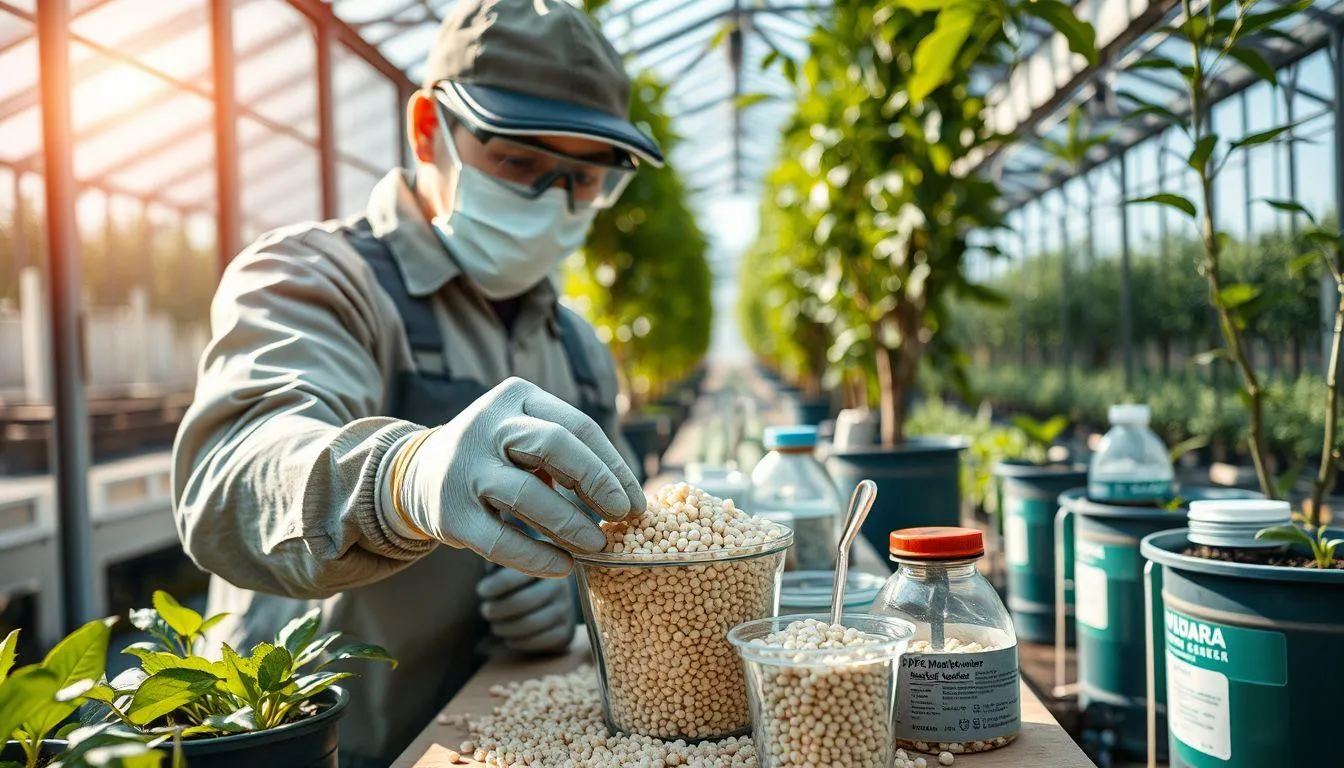
In the early stages, cuttings of the golden pothos generally do not require additional nutrients as they are still utilizing the food reserves stored in the stem. However, after the roots begin to grow and the plant shows signs of development, providing nutrients can help accelerate leaf growth and strengthen the root system.
Use a liquid fertilizer specifically for ornamental plants or hydroponic nutrients at a very low dosage. It is advisable to dilute the fertilizer according to the usage instructions, and if necessary, use half of the recommended dosage. A concentration of fertilizer that is too high can actually damage young roots by increasing the salt levels in the water.
Nutrient application should be done every two to four weeks. If the water begins to change color or smell after fertilization, replace it immediately with clean water. With balanced nutrients, the golden pothos will produce greener leaves, stronger stems, and denser growth without increasing the risk of rot.
The care of the golden pothos does not stop after the roots have successfully grown. To keep the plant healthy and looking attractive, regularly trim yellowing leaves, excessively long stems, or parts of the plant that are starting to rot. This step helps the plant redirect energy to the parts that are still actively growing, making its growth more optimal.
Pruning also serves to maintain the shape of the plant, keeping it tidy and encouraging the emergence of new shoots. The more new shoots grow, the denser and fresher the plant will appear. Use clean and sharp scissors to ensure that the cut wounds heal quickly and to reduce the risk of infection from fungi or bacteria.
In addition to pruning, regularly check the condition of the roots. If there are roots that have turned dark brown, slimy, or emit an unpleasant odor, cut that part immediately before the rot spreads to other roots. With simple yet consistent care, golden pothos grown in water can continue to thrive, have a long life, and serve as a natural decoration that beautifies the room.
Yes. Golden pothos is a plant that can grow well in water as long as its roots are adequately submerged, the water is changed regularly, and the plant receives enough light.
In ideal conditions, roots usually start to appear within about 1–3 weeks. The growth rate is influenced by the health of the cutting, environmental temperature, water quality, and light intensity.
Rotting generally occurs due to too much of the stem or leaves being submerged, infrequent water changes, a dirty container, or the plant being placed in a location that is too hot, allowing bacteria and fungi to thrive.
At the beginning of planting, fertilization is not necessary. After the roots start to grow and develop, you can provide a liquid fertilizer specifically for ornamental plants or hydroponic nutrients at a low dose every 2–4 weeks.
Golden pothos requires bright light, but it should not be exposed to direct sunlight. Indirect light helps the plant photosynthesize without increasing the risk of leaf burn or the water heating up too quickly.
(kpl/iya)
Cobain For You Page (FYP) Yang kamu suka ada di sini,
lihat isinya
A collection of the 20 best war films between nations featuring spectacular battles, complex military strategies, and humanistic stories.

Need some soothing entertainment? Here are 15 movies that are perfect for watching when overthinking, featuring touching, inspiring stories full of life lessons.

Discover the most interesting Chinese xianxia drama recommendations that are guaranteed to keep you glued to the screen. From eternal love stories to epic adventures, get ready to be amazed.

Prepare yourself for an exhilarating night with these 12 thrilling movies about meteor disasters.

Enjoy the deliciousness of salted caramel icebox cake, a no-bake dessert that combines the sweetness of caramel and the savory touch of salt. An easy recipe for a new taste experience.

Japan has a unique philosophy in managing money that focuses on patience, consistency, and peace of mind.
Discover 8 effective ways to make aloe vera multiply quickly in your home garden. Check out the complete guide here.

After a breakup, Korean dramas can be the best companions for healing. Discover K-drama recommendations that encourage you to move on, love yourself, and find new hope.

Explore the legendary world of Chinese kungfu films! From the action of Bruce Lee to Jackie Chan, check out the list of the most iconic martial arts cinema that stands the test of time.

Want to dye your hair without bleaching? Check out safer methods, expected results, and care tips.
The benefits of black kencur are believed to help with hypertension, toothaches, and maintain overall health naturally.

Choosing an international school in Asia is a crucial decision that requires careful consideration. See more detailed information below.
