

 Follow
 Rekomendasi
How to Plant an Avocado Tree in a Pot for Quick Fruiting
Discover effective steps in planting an avocado tree in a pot for quick fruiting with this guide.
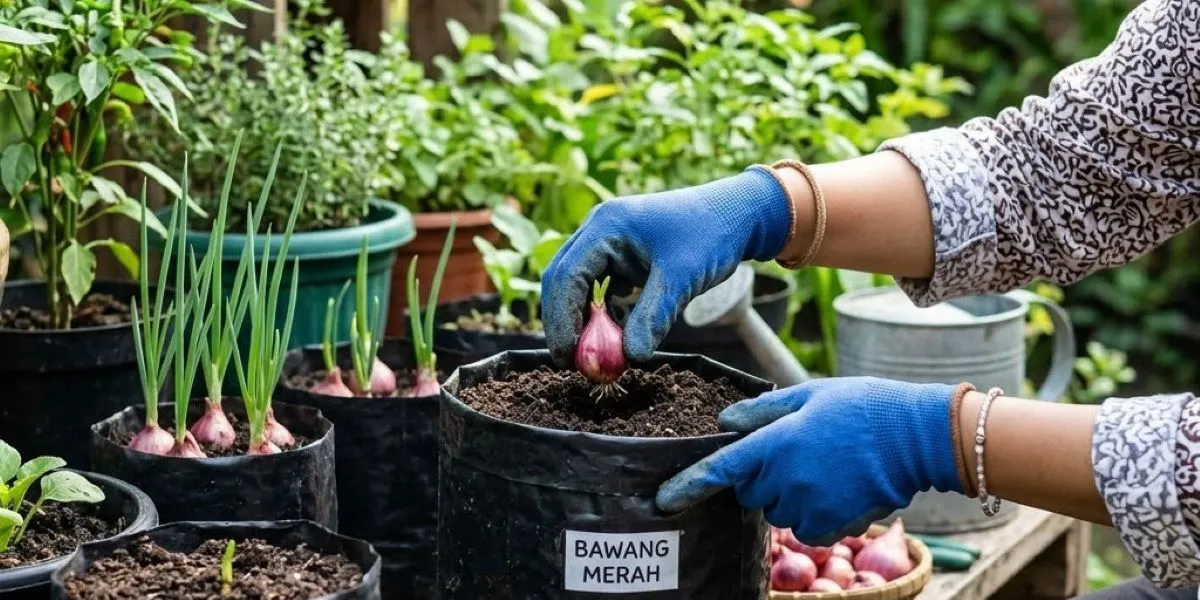
Kapanlagi.com - Red onions are one of the kitchen spices that are almost always needed in various dishes. Due to their high usage, many people are starting to be interested in growing red onions at home to save money while also obtaining fresh harvests. The good news is, you don't need to have a large garden to cultivate this plant. By utilizing small polybags, red onions can still grow well as long as their basic planting needs are met.
Growing red onions in polybags is also the right solution for residents of minimalist homes, apartments, or those who only have a small terrace or balcony. In addition to saving space, this method makes maintenance easier because the plants can be moved to locations that receive more optimal sunlight or are sheltered during heavy rain. The costs involved are also relatively affordable, making it suitable for beginners who are just learning to garden.
To maximize the harvest, there are several important things to consider, starting from choosing quality seeds, preparing loose planting media, to managing watering and fertilization appropriately. By applying the correct cultivation techniques, red onions in small polybags can produce healthy, solid bulbs that are ready to be harvested in a relatively short time.
So, what are the ways to plant red onions in small polybags for a quick harvest and suitability for limited space? Citing various sources, Tuesday (28/7/2026), here is the information review below.
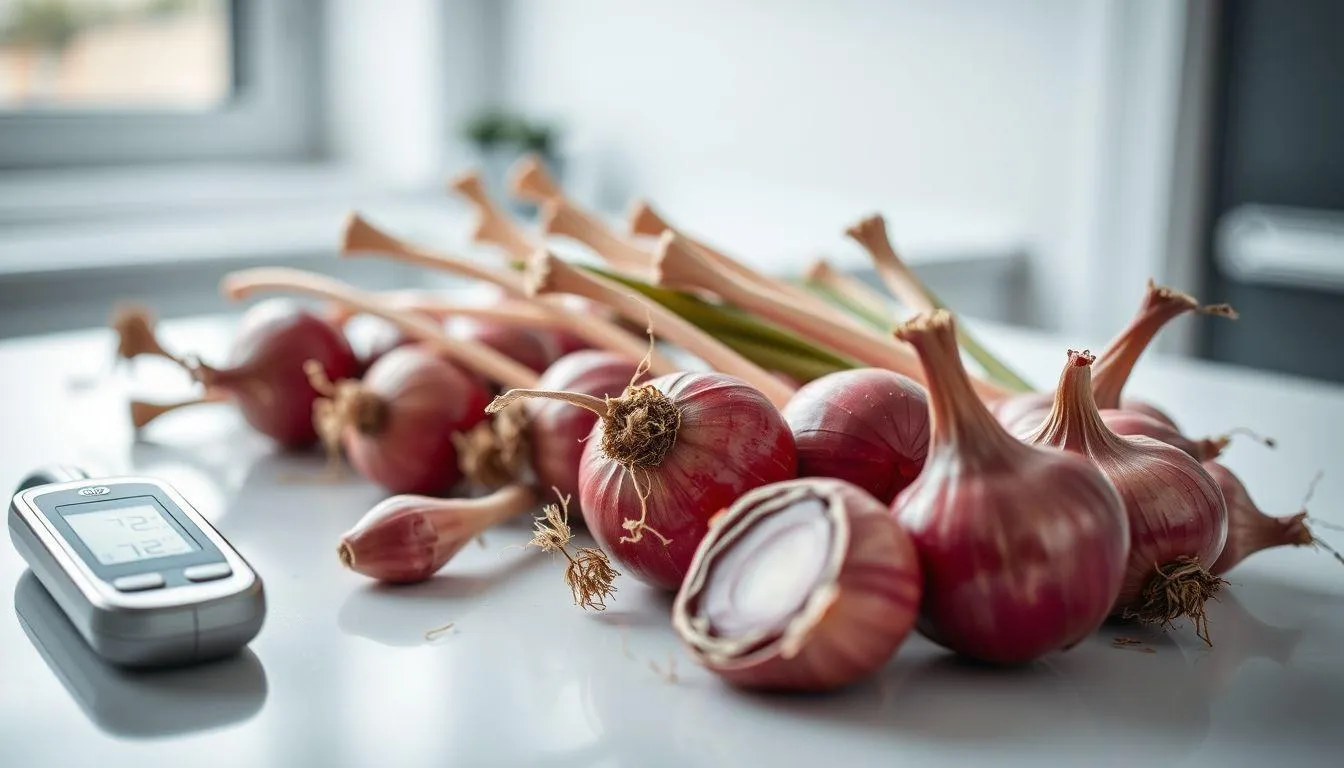
The success of planting red onions in small polybags starts with selecting the right seeds. Use red onion bulbs from healthy plants, at optimal harvest age, and that have been stored for about two to three months. Mature bulbs usually have a lower dormancy level, allowing them to sprout more quickly after planting. Choose bulbs that are medium to large in size, firm when pressed, not shriveled, and free from signs of rot, mold, or pest damage.
Avoid using red onions that have been stored for too long or show signs of damage. Poor-quality bulbs tend to result in slow growth, are more susceptible to disease, and produce fewer new bulbs. Before planting, you can also trim a small part of the dry end of the bulb to help speed up sprouting. However, do this carefully to avoid damaging the potential growth point.
In addition to seed quality, choose a variety of red onions that is suitable for the environmental conditions of your residence. Some varieties are more resistant to heavy rainfall, while others are better suited for hot areas. With superior seeds that match the environmental conditions, the chances of obtaining healthy plants, uniform growth, and quick harvest will be much greater even when using small-sized polybags.
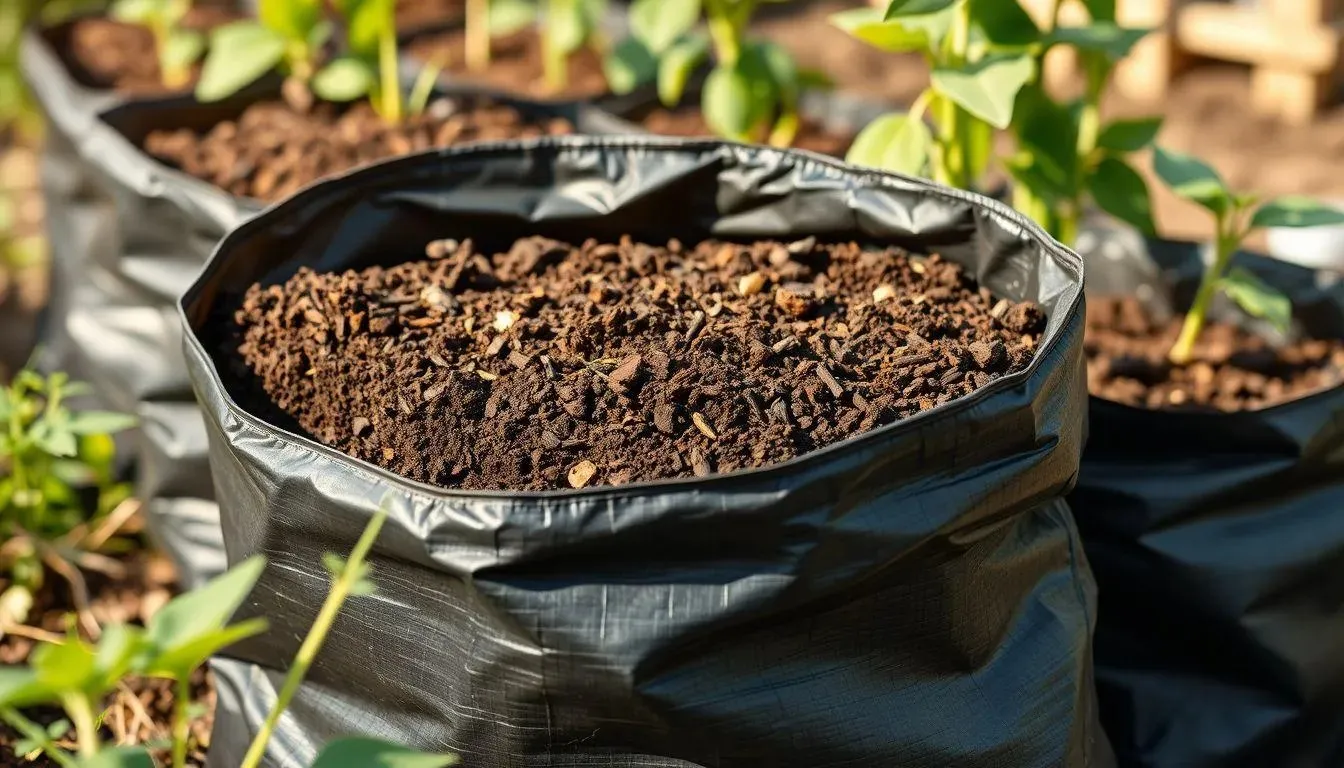
The size of the polybag greatly affects root development and bulb formation. For shallots, you can use polybags with a diameter of about 20–30 cm and a minimum height of 20 cm. This size is sufficient to support the growth of several bulbs without making the roots too cramped. Ensure that the polybag has enough drainage holes so that water does not accumulate and cause root or bulb rot.
The ideal planting media consists of a mixture of loose soil, well-matured compost or manure, and burned rice husks or sand in a balanced ratio. This mixture can keep the media porous, rich in nutrients, and has good air circulation. Shallots prefer planting media that is not too compact because the roots need space to grow and absorb nutrients optimally.
Before use, the planting media should be allowed to sit for a few days to stabilize its condition. If possible, dry the media in the sunlight first to help reduce the presence of fungi, bacteria, or pests that may have come from the soil. This simple step can improve plant health from the very beginning of the planting period.
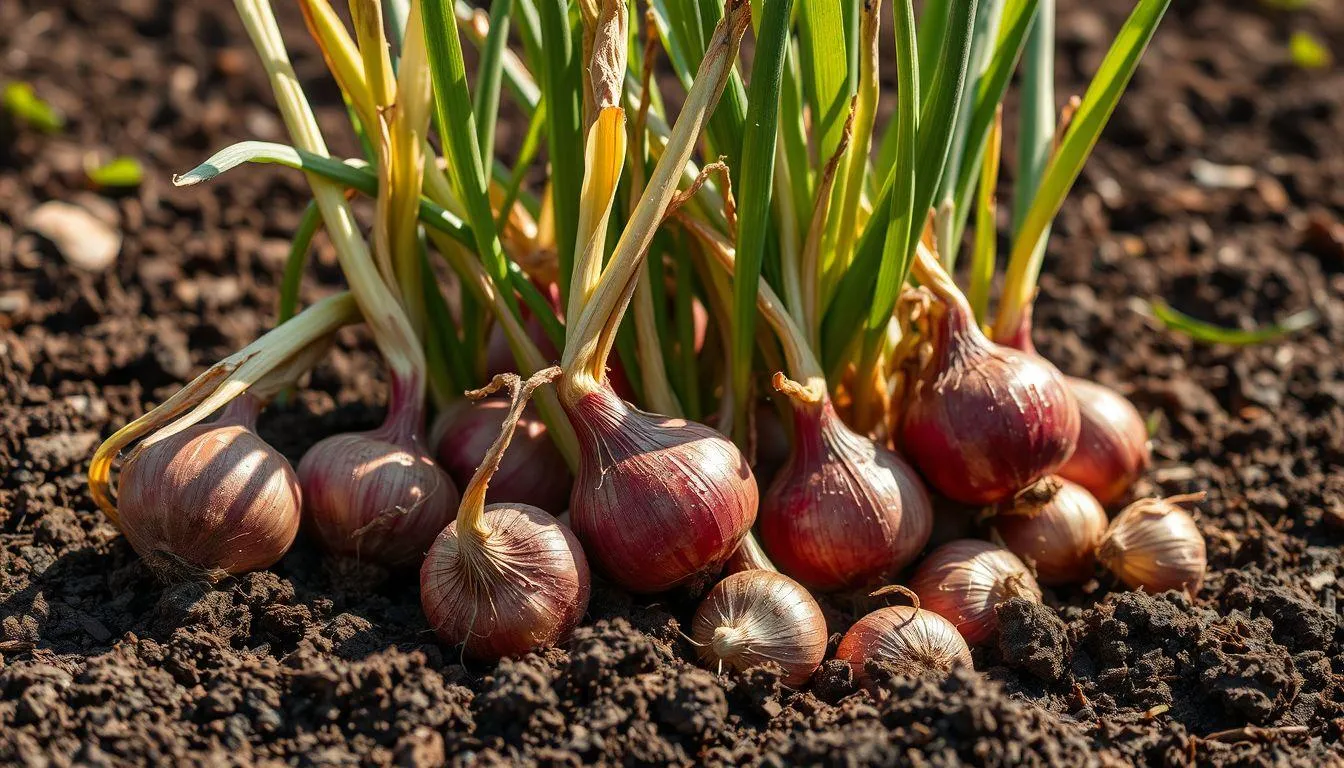
The correct planting technique greatly influences the growth of red onions. Plant the tuber with the tip of the shoot facing upwards and the root part underneath. The tuber does not need to be planted too deeply as it can hinder the growth of the shoots and increase the risk of rot, especially if the medium is too damp.
Ideally, a small portion of the top of the tuber should still be visible above the surface of the planting medium. This method facilitates the shoots growing upwards while also helping air circulation around the tuber. If more than one tuber is planted in a single polybag, leave a space of about 10–15 cm so that each plant has enough room to grow and does not compete for nutrients.
After planting is complete, water sufficiently to maintain the moisture of the medium. Avoid overwatering as the newly planted tubers are still vulnerable to rot. Under suitable conditions, the shoots usually begin to emerge within a few days and will develop into green leaves, which indicate that the plant's growth is proceeding well.

Shallots are plants that require a sufficient amount of sunlight to support the process of photosynthesis and bulb formation. Therefore, place the polybag in an area that receives direct sunlight for about 6–8 hours each day. Locations such as a roofless terrace, front yard, open balcony, or rooftop of the house can be good options.
Lack of sunlight can cause the plants to grow tall but weak, with pale-colored leaves, and the formation of bulbs becomes less optimal. Conversely, adequate exposure to sunlight helps the plants produce healthy leaves, thereby supplying more energy for bulb growth in the planting medium.
If you live in an area with high rainfall, consider providing a transparent cover during heavy rain to prevent the planting medium from becoming too wet. This protection still allows sunlight to enter but helps maintain the moisture of the medium without excess. With proper location arrangements, shallot plants will grow healthier and have better harvest prospects.
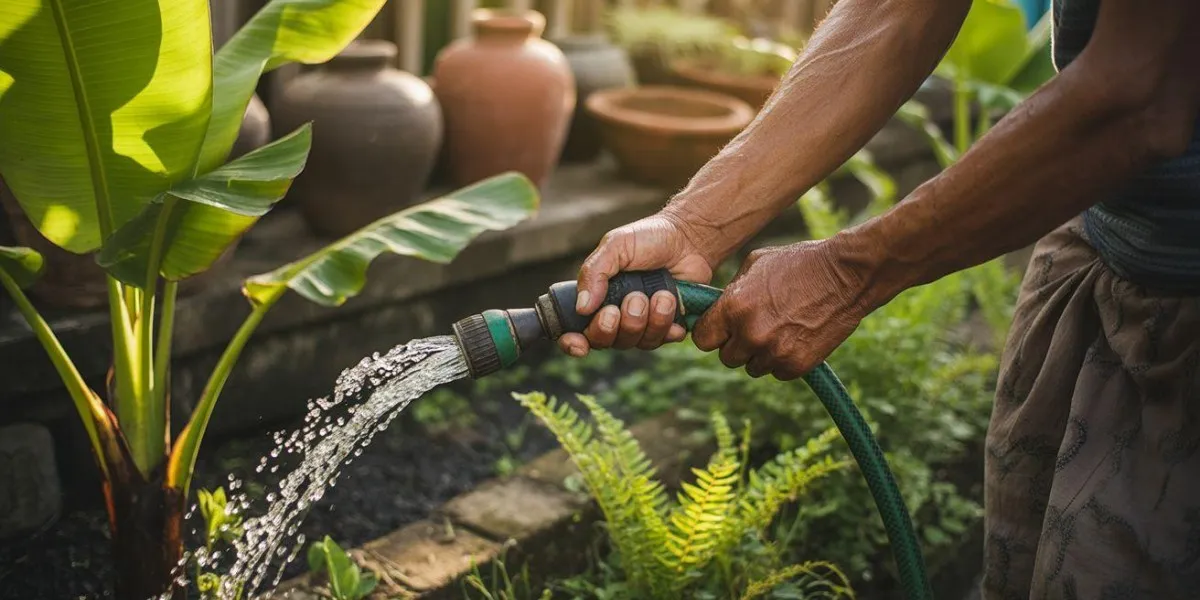
Watering is one of the important factors in cultivating red onions in small polybags. This plant requires moist growing media, but not waterlogged. In the early growth phase, water once or twice a day, especially during hot weather. However, adjust the frequency according to the condition of the growing media. If the media still feels moist, it is better to postpone watering to prevent the roots and bulbs from rotting.
As the plants begin to enter the bulb formation phase, water needs must still be monitored. A lack of water can hinder bulb growth, while too much water increases the risk of fungal attacks and bulb rot diseases. The best way is to water slowly on the growing media, not directly on the leaves excessively, especially in the afternoon or evening when humidity increases.
Approaching the harvest period, about one to two weeks prior, the intensity of watering can start to be reduced. This step helps the ripening process of the bulbs and makes the onion skins drier and more durable for storage after harvesting. With proper water management, red onion plants will grow healthier and produce solid and quality bulbs.
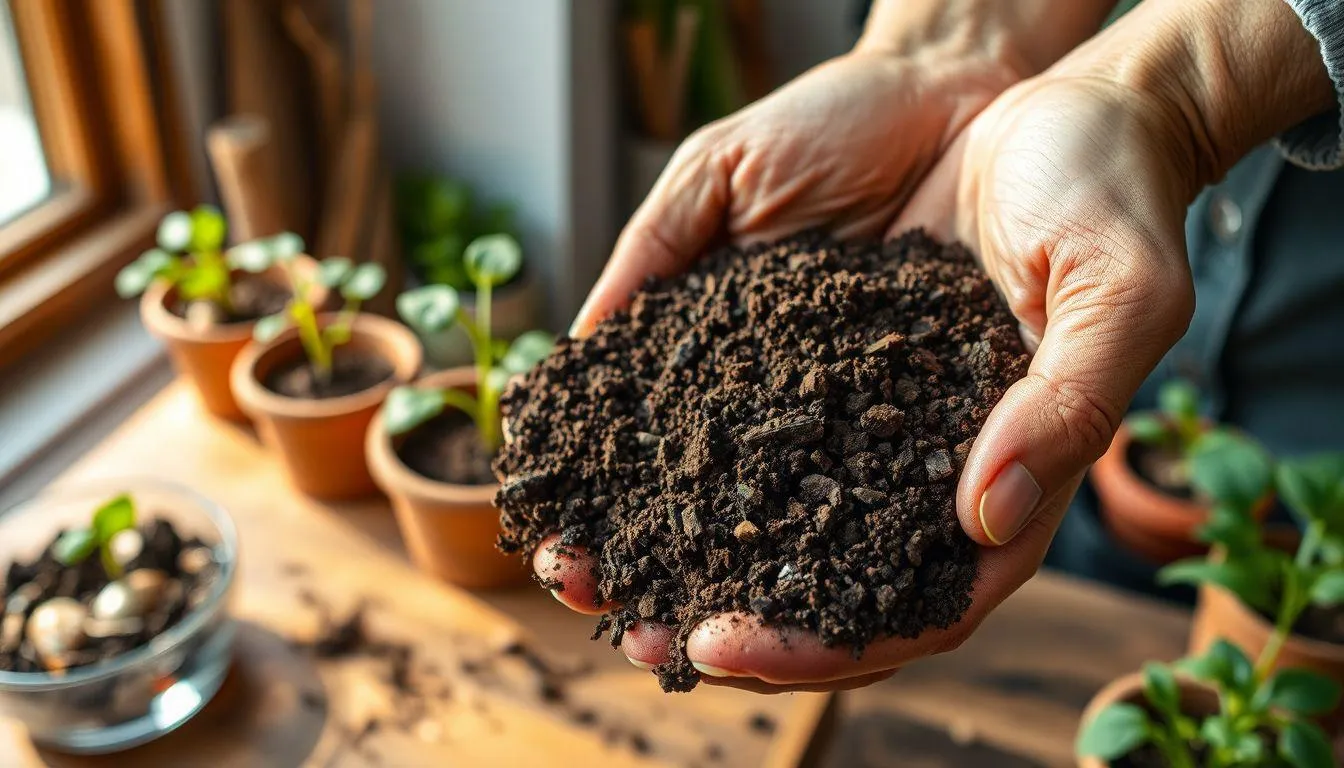
Even though the growing medium has been mixed with compost or manure, shallots still require additional nutrients during their growth period. Periodic fertilization helps the plants form healthy leaves, strengthen the root system, and encourage bulb development for larger sizes. You can use liquid organic fertilizer, mature compost, or compound fertilizers according to the dosage instructions.
In the early growth phase, the plants need a sufficient amount of nitrogen to support leaf formation. Once the plants begin to enter the bulb formation phase, the need for phosphorus and potassium increases. Both of these elements play a crucial role in assisting bulb enlargement, improving harvest quality, and strengthening the plants' resilience against environmental stresses.
Avoid over-fertilizing, as this can cause the leaves to grow too lush while bulb formation becomes less optimal. It is better to fertilize in small but regular doses, for example, every two to three weeks. With a good balance of nutrients, the plants will grow sturdier and be able to produce a more maximal harvest even when planted in small polybags.
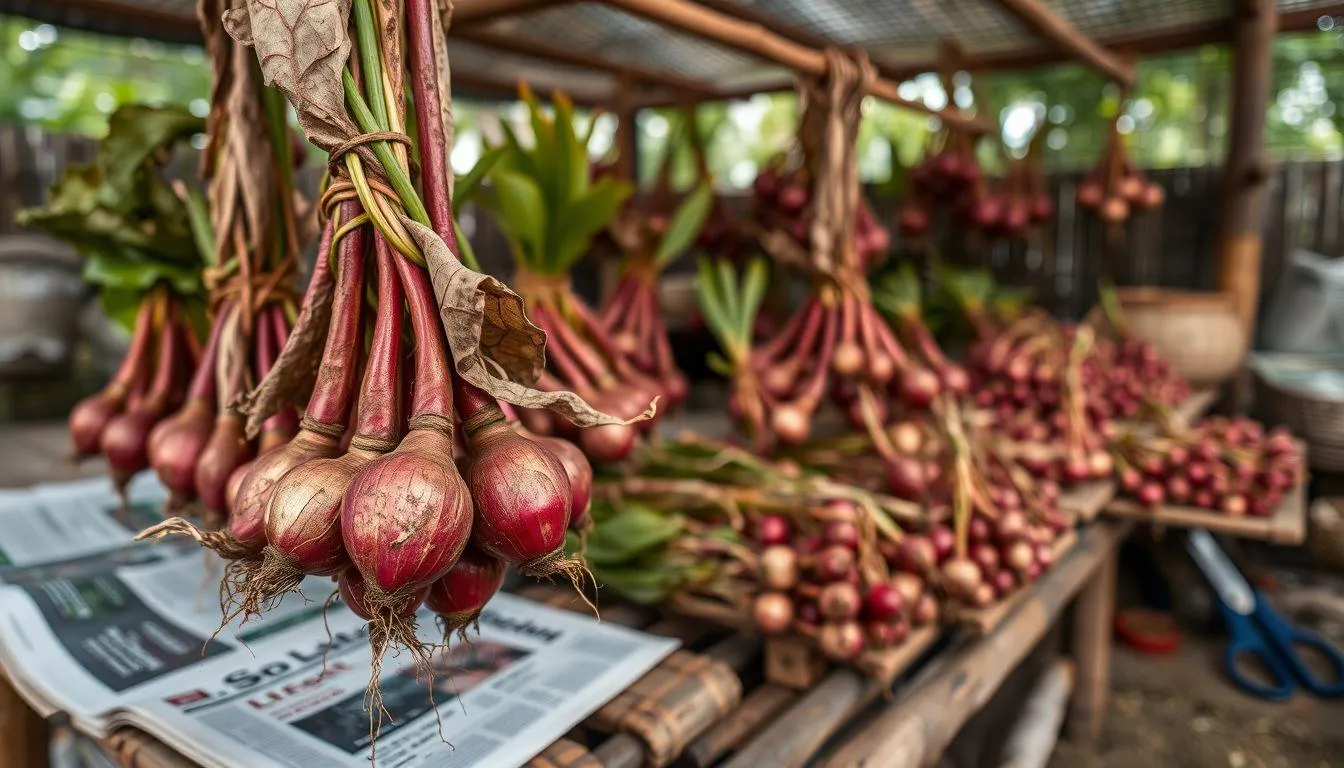
During the growth period, shallots remain susceptible to pests such as leaf caterpillars, thrips, and diseases caused by fungi. Therefore, conduct regular inspections of the plants, especially on the leaves and the base of the stems. If yellowing leaves are found due to disease or pests are detected, take immediate action to prevent them from spreading to other plants.
Maintaining cleanliness in the planting area is also an effective preventive measure. Remove weeds that grow around the polybags as they can become breeding grounds for pests. Additionally, ensure good air circulation around the plants by not placing the polybags too close together. A clean environment with good airflow helps reduce the risk of disease emergence.
Shallots are generally ready to be harvested about 60–90 days after planting, depending on the variety and environmental conditions. Signs that the plants are ready for harvest include about 70–90 percent of the leaves beginning to droop, yellowing, and drying naturally, while the bulbs appear firm with skin starting to dry. After harvesting, sun-dry the shallots in a shaded area with good air circulation for several days to reduce moisture content. This drying process helps extend shelf life and maintain the quality of the shallots before use or storage.
A polybag with a diameter of about 20–30 cm and a minimum height of 20 cm is sufficient for planting red onions. Make sure the polybag has drainage holes so that excess water can drain properly.
Generally, red onions can be harvested within 60–90 days after planting, depending on the variety, weather conditions, and care provided.
Yes. Red onions should receive direct sunlight for about 6–8 hours per day for optimal photosynthesis and better bulb formation.
Watering is done according to the condition of the growing medium. During the dry season, it is generally done 1–2 times a day, while during the rainy season, the frequency can be reduced to prevent the medium from becoming too wet.
The recommended growing medium is a mixture of loamy soil, compost or well-decomposed manure, and burned husk or sand to ensure it is porous, fertile, and has good drainage.
(kpl/iya)
Cobain For You Page (FYP) Yang kamu suka ada di sini,
lihat isinya
Discover effective steps in planting an avocado tree in a pot for quick fruiting with this guide.
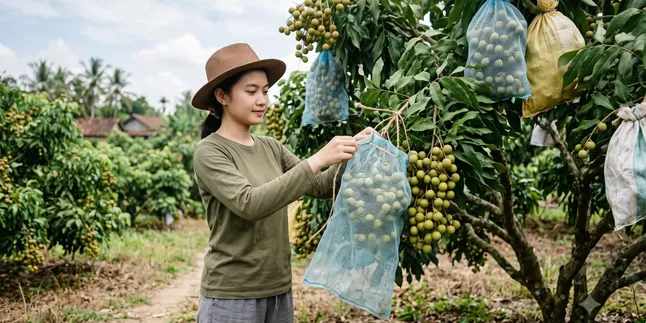
Don't just plant! Discover the secrets of how to grow longan to yield abundant fruits using booster methods and targeted routine care here.
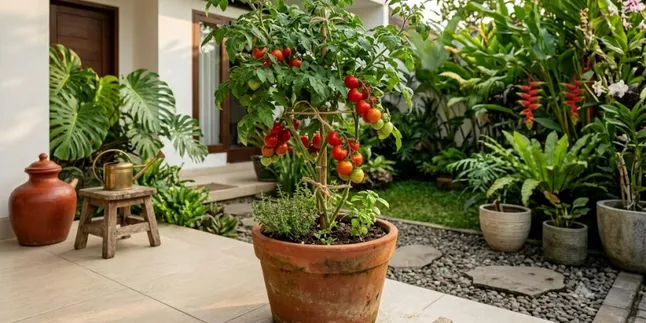
Growing tomatoes in small pots is a smart solution for limited land. Follow the complete guide from pot selection, variety, planting media, to care for a bountiful harvest.

A series of touching and emotional films about single fathers, especially when a father has to take on the role of a single parent.

Discover 10 recommendations for heartwarming pet-themed movies that teach us to care more for our pets.

A series of Korean films themed around school and bullying that present stories full of conflict, struggle, and deep emotions.

Movies without villains often offer a different viewing experience, yet still manage to deliver deep tension and excitement.

Discover recommendations for Indian films with social themes and caste critiques that hit hard, from true stories to inspiring dramas that raise issues of discrimination and the struggle for justice.

Villain characters in films are often more captivating and memorable than the main characters. Dive into the reasons behind the complexity, charisma, and unique motivations that make them pop icons.

Discover recommendations for movies about aliens living on Earth with unique stories, from disguises, friendships, to exciting and action-packed science fiction dramas.

Bored with straightforward storylines? Here are recommendations for time-themed films that play with non-linear plots that are the most intriguing.

These Korean dramas present heartbreaking endings, where the main characters must depart. Check out the list of dramas with tragic endings that drain emotions.
