Kapanlagi.com - Changes in plant conditions often arise from care mistakes, improper light exposure, or issues with the growing medium. Signs such as yellowing leaves, weakened stems, and halted growth need immediate attention. Knowledge about how to revive almost dead ornamental plants helps owners determine the right recovery actions.
Some people believe that ornamental plants that are starting to deteriorate have no hope of growing back. In fact, several types of plants can still recover through simple and consistent care. Learning how to revive almost dead ornamental plants can give the plants a chance to become healthy again.
Caring for ornamental plants requires patience and regular observation, so that any changes in condition can be detected early. The information below on how to revive almost dead ornamental plants serves as a useful guide for beginners and plant lovers alike.
1. Check the Condition of the Plants Thoroughly
Ornamental Plants (AI Generated)
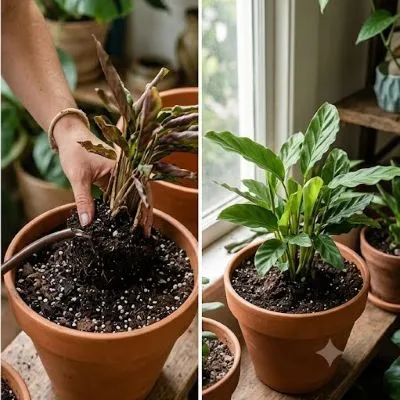
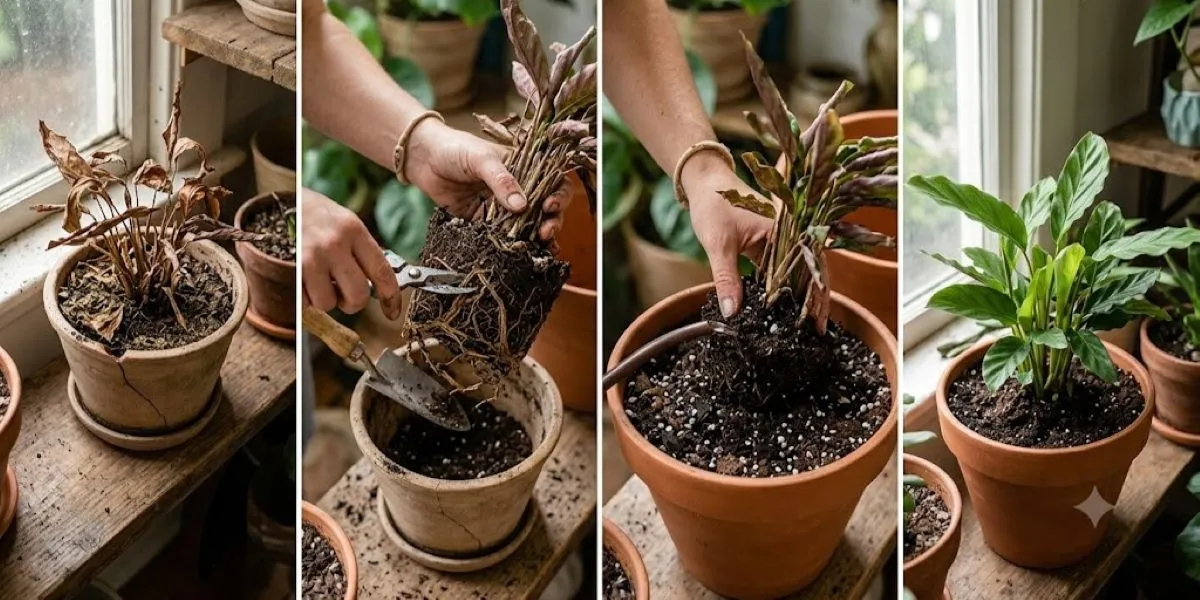
The initial step that needs to be taken in an effort to save ornamental plants that are nearly dead is to conduct a thorough examination of the plant's condition from various parts, starting from the surface of the leaves, the structure of the stem, the condition of the roots, to the quality of the growing medium used. Pay attention to any changes that appear, such as leaves drying out, color changes in the leaves, spots due to disease, roots experiencing rot, weakened stem texture, or signs of pest infestations that can disrupt the health of the plants.
A detailed examination is very helpful in identifying the main causes of the plant's deteriorating condition. Each problem requires different handling for the recovery process to be effective. Plants that are wilting due to lack of water certainly need additional moisture appropriately, while plants that are damaged due to excess water require improvements in the drainage system and a reduction in watering intensity so that the roots do not rot further.
2. Prune Damaged Parts of the Plant
Ornamental Plants (AI Generated)
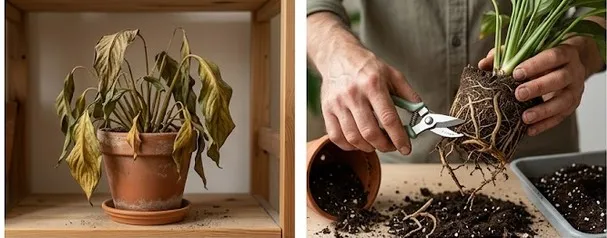
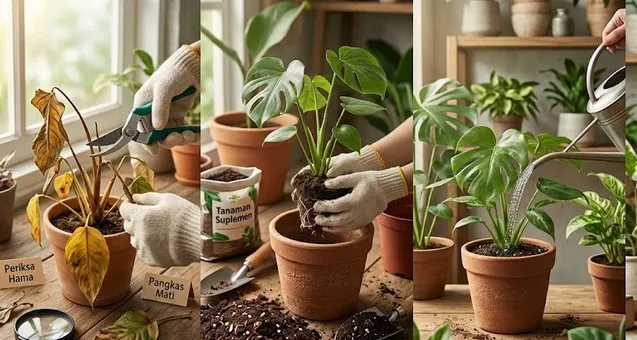
Parts of the plant such as dry leaves, dead stems, or damaged branches should be pruned immediately so that the plant can conserve energy and direct it to parts that still have the potential to grow back. This pruning helps reduce the burden on the plant in maintaining non-functional tissues.
Use clean and sharp cutting tools when pruning to avoid the risk of spreading bacteria, fungi, or other diseases. In addition to cleaning up damaged parts, the pruning process also helps improve air circulation around the plant, provides more space for new shoot growth, and supports the development of the still-healthy parts of the plant.
3. Fix Watering Patterns
Ornamental Plants (AI Generated)
Errors in watering are one of the most common factors causing ornamental plants to experience growth disturbances, often leading to a near-death condition. Watering too infrequently can cause plants to become dehydrated, leaves to dry out, and plant tissues to lose strength. Conversely, excessive watering can keep the roots in a constantly moist condition, increasing the risk of rot.
Adjust the watering frequency based on the needs of each type of plant, environmental conditions, weather changes, and the moisture level of the growing medium. Ensure that the soil has a balanced moisture content, not too dry to cause the plant to lack fluids, but also not too wet continuously, which can hinder root respiration.
4. Replace Damaged Growing Medium
Ornamental Plants (AI Generated)
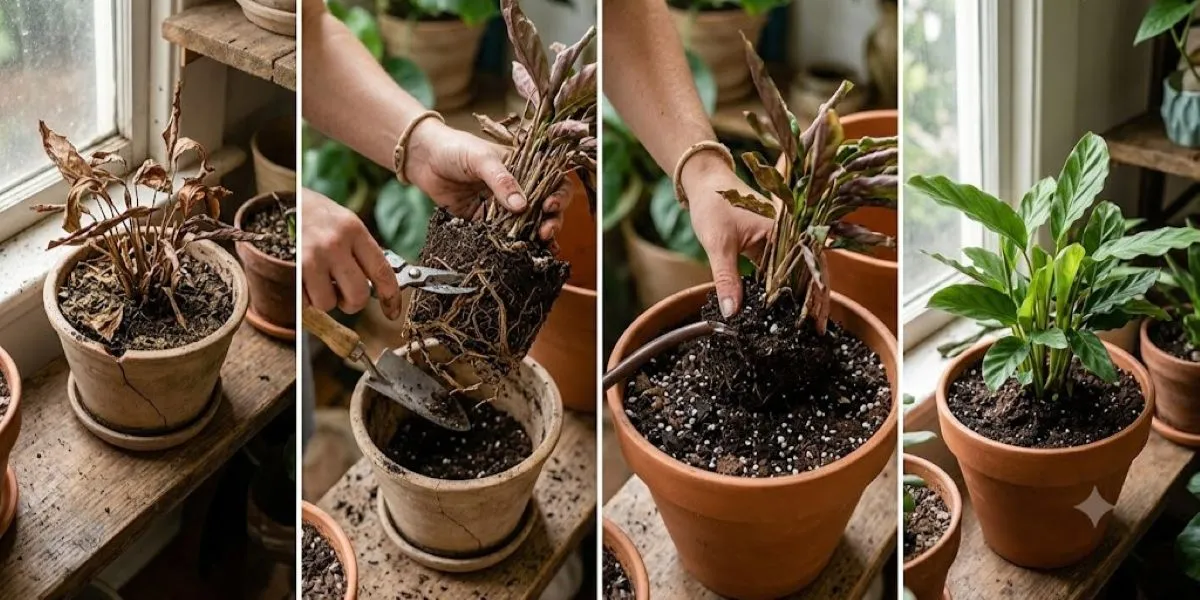
The growing medium plays a crucial role in supporting root health and overall plant growth. A medium that is too compact, nutrient-poor, or lacks a good drainage system can make it difficult for roots to develop and hinder the absorption of water and nutrients.
If the growing medium can no longer support plant growth, promptly replace it with a more suitable mixture. Use a combination of quality soil, compost, and additives like rice husk, cocopeat, or perlite to ensure that roots have sufficient air space, adequate nutrients, and a healthier growing environment. A good growing medium will help accelerate the recovery process of the plant.
5. Place Plants in the Right Location
Ornamental Plants (AI Generated)
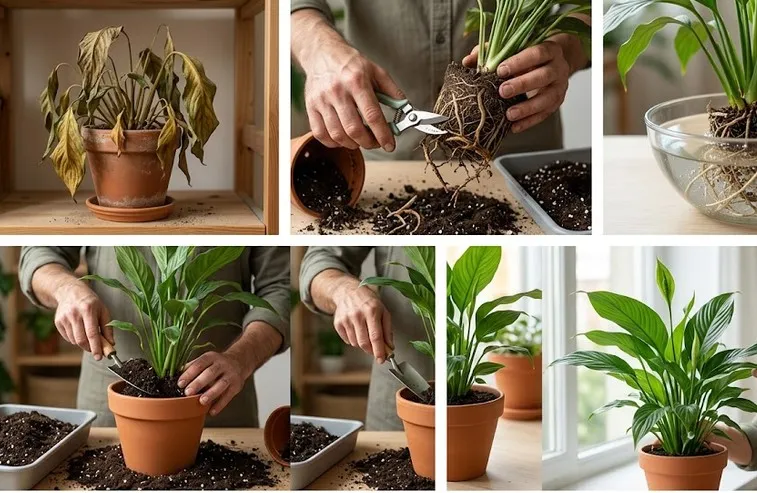
Each type of ornamental plant has different lighting needs according to its growth characteristics. Some plants can thrive optimally under direct sunlight, while others require shaded areas with softer light intensity to avoid stress.
Moving plants to the appropriate location can be an important step in the recovery process. Ensure that the plants receive enough light without making sudden changes to their environment. If the plants were previously in a low-light area, avoid placing them directly under intense sunlight to prevent leaf damage due to extreme changes in conditions.
6. Provide Additional Nutrition Gradually
Ornamental Plants (AI Generated)
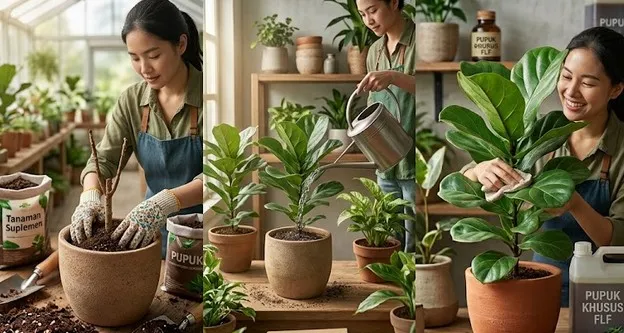
Ornamental plants that are in weak condition require time to restore their growth system. Therefore, fertilization should not be done excessively or in haste. Too much nutrition can actually put additional pressure on roots that have not fully recovered and may worsen the plant's condition.
Once the plant starts to show signs of recovery, such as the emergence of new shoots or an improvement in leaf condition, provide additional nutrition gradually using fertilizers that meet its needs. Gradual nutrition helps the plant adapt and supports growth without overburdening its root system.
7. Clean Plants from Pests
The presence of pests such as aphids, mites, small caterpillars, or various types of harmful insects can accelerate damage to ornamental plants that are in a weakened condition. These pests can take nutrients from the plants, damage leaf tissue, and hinder the growth process if not controlled promptly.
Regularly inspect the undersides of leaves, the surface of stems, the area around pots, and the growing medium to find signs of pests. Remove these disturbances using natural methods or pest control products as needed. Early intervention can help the plants grow back healthier without experiencing additional stress.
8. Give Time for the Recovery Process
Ornamental plants that are nearly dead cannot always return to health in a short time. After receiving care, plants need a natural process to rebuild their root systems, repair damaged tissues, produce new shoots, and adapt to environmental changes.
Provide routine, consistent care, and avoid moving the plants too often from one place to another. Repeated environmental changes can cause additional stress to the plants, slowing down the recovery process. Patience and ongoing care are crucial factors for the plants to grow well again.
9. Questions About How to Revive Almost Dead Ornamental Plants
1. Can a nearly dead ornamental plant still be saved?
Yes, many ornamental plants that appear wilted or damaged still have a chance to recover. As long as the roots, stems, or some plant tissue are still alive, proper care can help the plant grow again.
2. What are the signs that an ornamental plant can be revived?
Some signs that the plant still has hope include a stem that feels strong, green parts on the leaves or stems, roots that are not completely rotted, and the emergence of small buds.
3. What are the main causes of a nearly dead ornamental plant?
The causes can stem from various factors, such as improper watering, lack of light, poor growing medium, pest attacks, nutrient deficiency, or environmental changes that stress the plant.
4. How can you tell if an ornamental plant is dead or just wilted?
A living plant usually has parts of the stem or roots that are still firm and have a normal color. If the stem is completely dry, the roots are severely rotted, and there are no signs of life, the plant is likely difficult to revive.
(kpl/ses)
Disclaimer: This translation from Bahasa Indonesia to English has been generated by Artificial Intelligence.


 Follow
 Rekomendasi