

 Follow
 Rekomendasi
8 Easy-to-Understand Sci-Fi Movies, Perfect for Watching During Leisure Time
Recommendations for sci-fi movies with clear and light stories, suitable for anyone to watch without needing to understand complicated scientific terms.
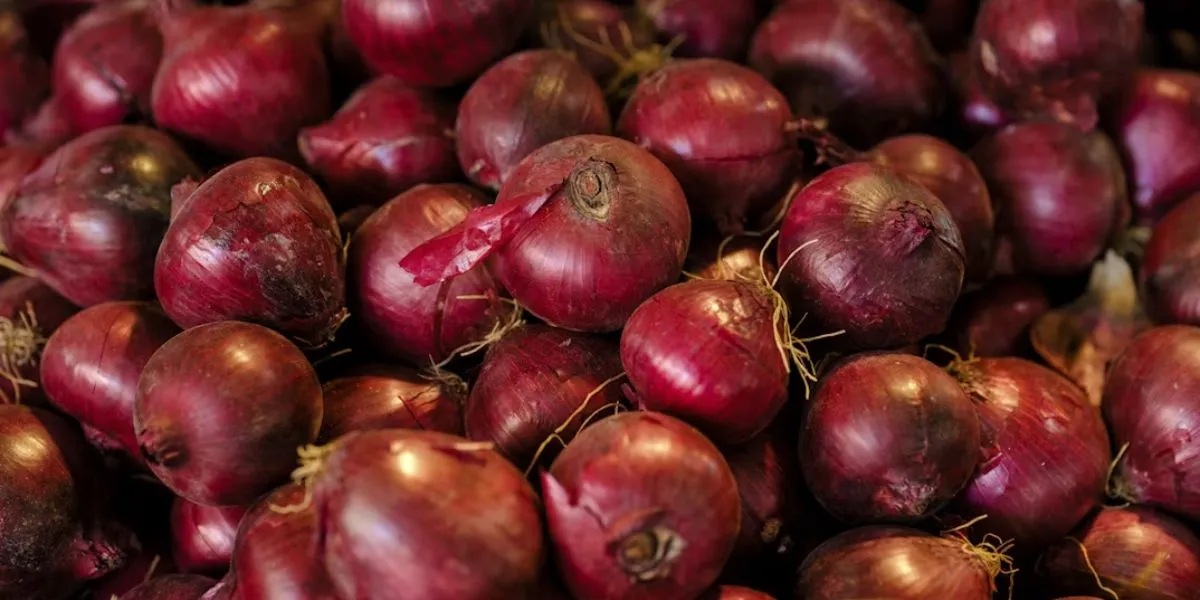
Kapanlagi.com - Red onions are one of the essential kitchen spices that are always present in Indonesian cooking. However, red onions are often prone to spoilage if not stored properly.
Spoilage in red onions is generally caused by high water content, excessive humidity, unsuitable temperatures, and poor air circulation. Additionally, storing red onions close to certain types of fruits or vegetables can also accelerate the spoilage process.
Therefore, it is important to know various ways to store red onions so that they do not spoil quickly, ensuring their quality and freshness are maintained for a longer time. Understanding the proper storage methods not only helps save expenses but also contributes to reducing food waste in your kitchen.
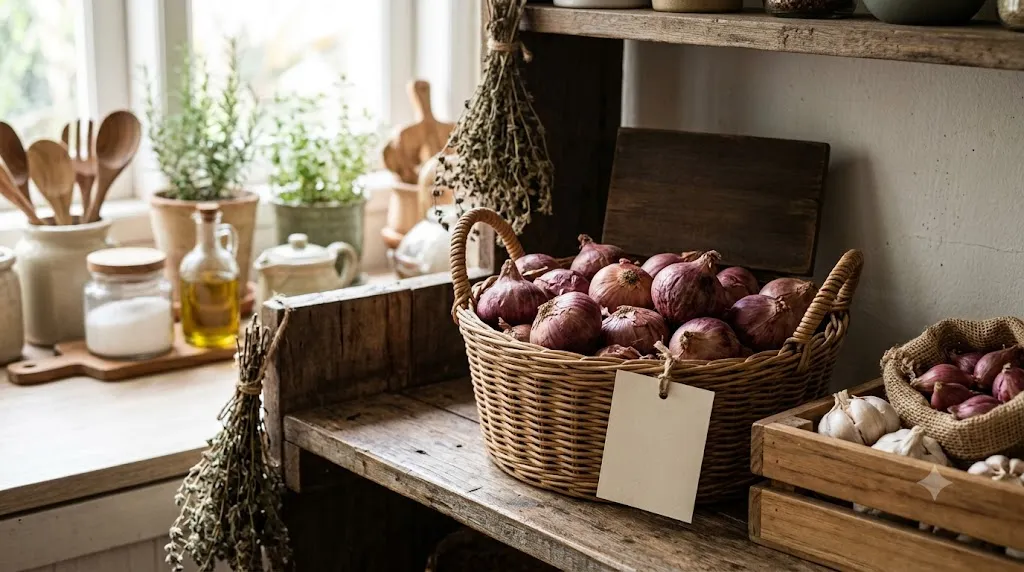
How to Store Red Onions to Keep Them Fresh and Not Spoil Quickly/AI Generated
Storing whole red onions at room temperature is the most common and effective method, as long as it is done properly. The key lies in good air circulation and a supportive environment.
To maintain optimal air circulation, store red onions in well-ventilated containers such as mesh baskets, bamboo steamers, open baskets, or even pantyhose. This prevents moisture buildup that can accelerate rotting. Avoid using plastic bags as they can cause the onions to spoil quickly due to lack of ventilation.
The storage environment is also crucial. Red onions should be placed in a cool, dry, dark location with adequate ventilation. The ideal temperature for keeping red onions fresh is in the range of 4-10°C. Ensure the area is free from direct sunlight exposure, such as kitchens or dedicated storage areas.
It is important to keep red onions away from potatoes and garlic. Potatoes release ethylene gas that can accelerate the rotting process of red onions. Meanwhile, red onions and garlic emit different gases, which, if stored close together, can influence each other and speed up the decay of both.
Additionally, avoid washing red onions before storing. The moisture from water can trigger decay; therefore, wash the onions only when you are going to use them. Occasionally, red onions also need to be sun-dried or aired out to reduce the moisture content that may be trapped on the surface beneath their skin. With this method, whole red onions can last up to one or even two months if their quality is very good.
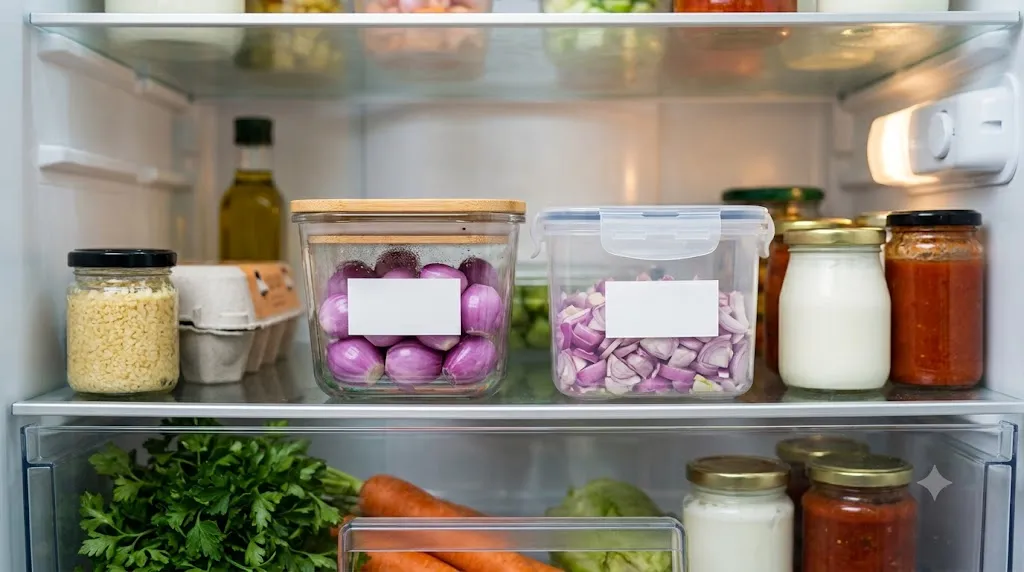
How to Store Red Onions to Keep Them Fresh and Prevent Spoilage/AI Generated
Unlike whole red onions, peeled or cut red onions should be stored in the refrigerator to maintain their freshness. Storing whole onions in the refrigerator is not recommended because the cold temperature and humidity can cause them to absorb moisture more quickly and spoil easily.
Once peeled, red onions should be kept in an airtight container in the refrigerator. Peeled red onions can last up to two weeks. If the onions are diced or sliced, their shelf life is slightly shorter, around 7-10 days in a closed container in the refrigerator.
Utilize the vegetable drawer in your refrigerator. This drawer is designed with the ideal temperature and humidity to keep vegetables fresh, including red onions. Also, make sure to separate red onions from strong-smelling foods like salted fish or durian, as red onions tend to absorb odors from their surroundings, which can alter their taste.
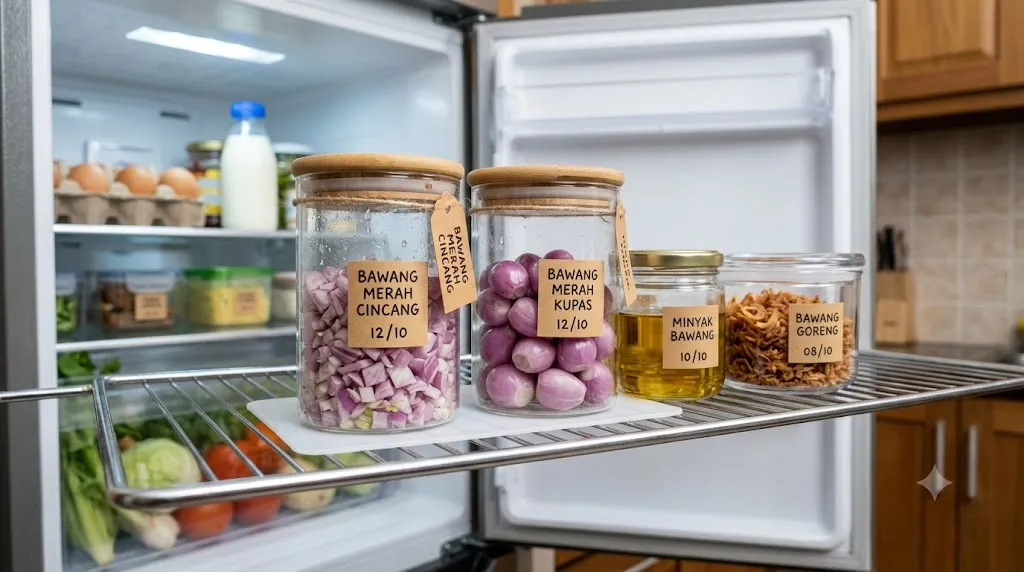
Processing red onions into various forms is also a way to store red onions to prevent them from spoiling quickly and to make them last longer, even for months.
Chopped or minced red onions can be stored in a sealed container in the fridge and generally last for about a month. For a longer-lasting result, chopped red onions can be frozen. Peel the skin, separate the cloves, then place them in a bag or airtight container and store in the freezer. This method can extend the shelf life for three to six months. However, it is important to note that the texture may resemble lightly sautéed onions after thawing.
Fried red onions are also a popular storage option. Frying red onions until dry and storing them in an airtight jar can make them last for 1-5 months. Ensure that the fried onions are completely cool and drained before storing to prevent moisture.
Additionally, processing red onions into pickles with vinegar, salt, sugar, and spices can extend their shelf life for 1-6 months in the fridge.
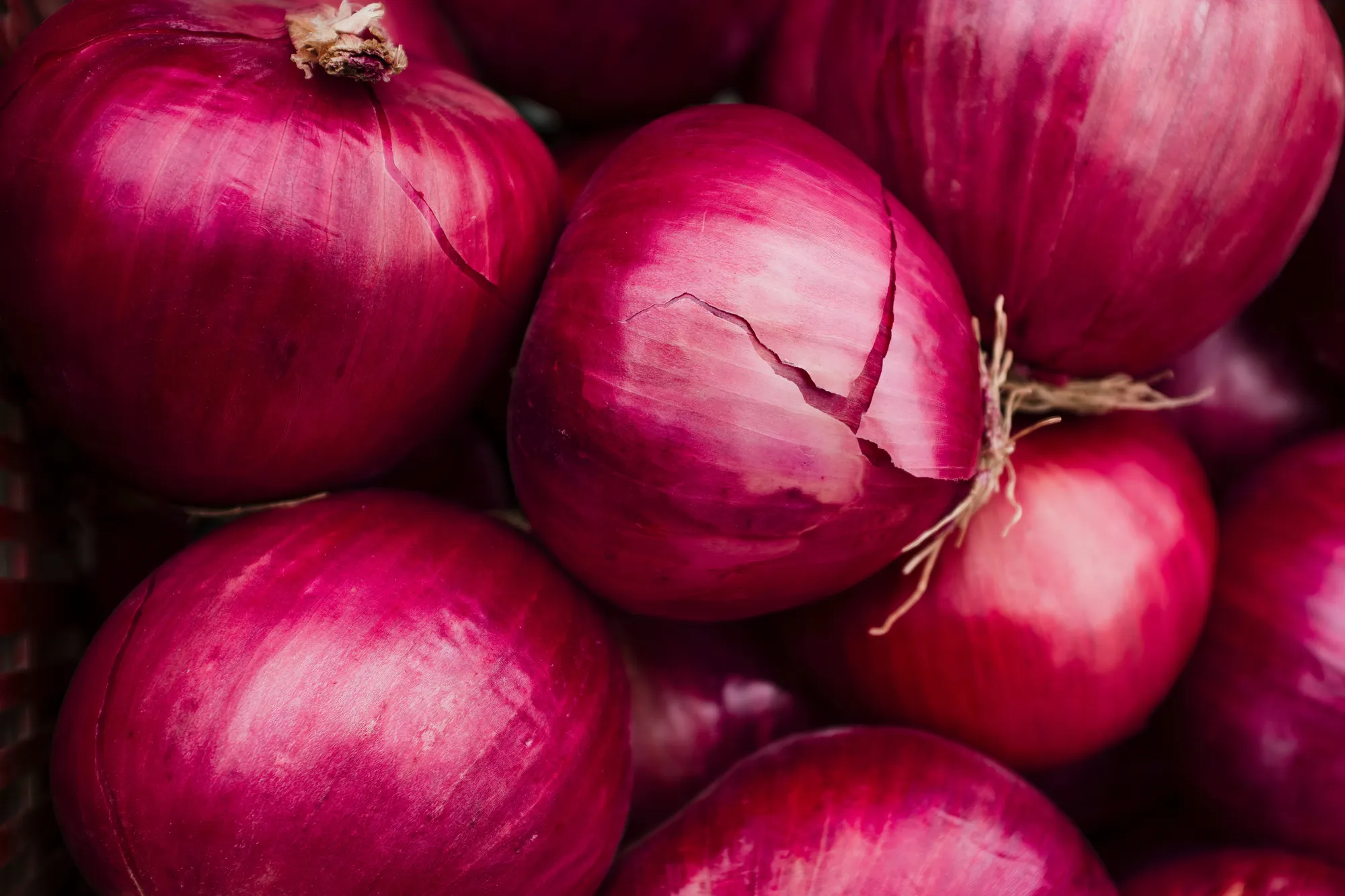
Illustration of Red Onions/Photo by Eric Prouzet on Unsplash
To optimize various ways of storing red onions so they do not rot quickly, pay attention to the following additional tips that can help maintain their quality from the start.
Choose the best quality red onions when shopping. Select onions that are fresh, with compact and intact bulbs, a characteristic fragrant aroma, dry skin, no rotten spots, and no sprouting. Avoid onions that are soft, dry, hollow, or have already sprouted as they indicate a decline in quality.
Regularly check the red onions in storage. Immediately discard any onions that have started to rot to prevent the spread to other onions. Lastly, purchase red onions in quantities that match your needs. This will help avoid accumulation and potential unnecessary rotting, as well as reduce food waste in the kitchen.
Why do red onions spoil quickly?
Red onions spoil quickly due to their high water content, excessive moisture, improper temperature, and lack of air circulation.
What is the best way to store whole red onions?
The best way is to store whole red onions in a cool, dry, dark place with good ventilation, such as in a mesh basket or paper bag, and away from potatoes and garlic.
Can red onions be stored in the fridge?
Whole red onions are not recommended to be stored in the fridge as they can absorb moisture and spoil easily. However, peeled or cut red onions can be stored in an airtight container in the fridge.
How long can chopped red onions last in the freezer?
Chopped red onions can last in the freezer for up to three to six months if stored in an airtight container.
Why should red onions not be stored near potatoes or garlic?
Red onions should not be stored near potatoes because potatoes release ethylene gas that accelerates spoilage. Red onions should also be kept separate from garlic because both release different gases that can speed up the spoilage process of each other.
(kpl/nti)
Cobain For You Page (FYP) Yang kamu suka ada di sini,
lihat isinya
Recommendations for sci-fi movies with clear and light stories, suitable for anyone to watch without needing to understand complicated scientific terms.

Check out 10 recommended films about escaping from kidnapping, filled with struggle and heroic action, interesting to watch.
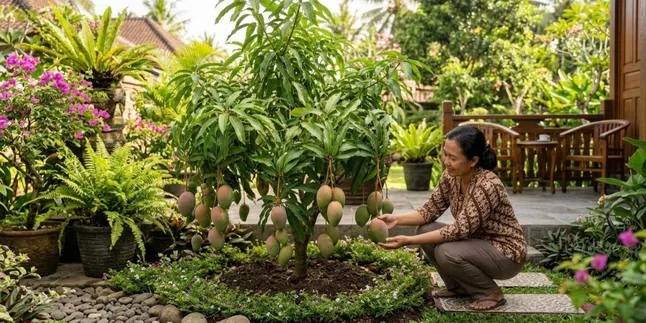
Learn effective steps to stimulate mango trees to fruit quickly and increase yields.

Confused about finding an exciting movie? Here’s a list of films featuring master con artists as the main characters that make the audience guess who is being deceived.

Explore a list of the most popular Indonesian series that tell the stories of cheating husbands, from Layangan Putus to Mendua, which successfully drain the emotions of the audience.
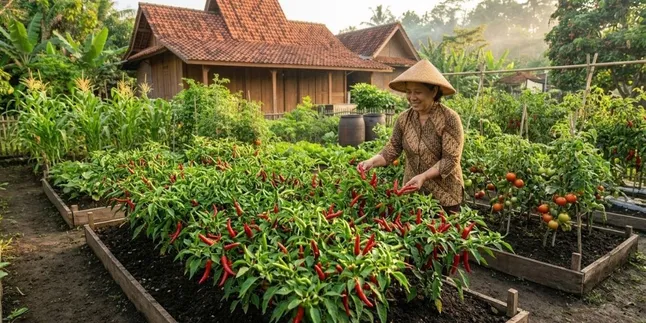
Check out how to plant chili peppers to grow lushly, the secret to producing a bountiful harvest.
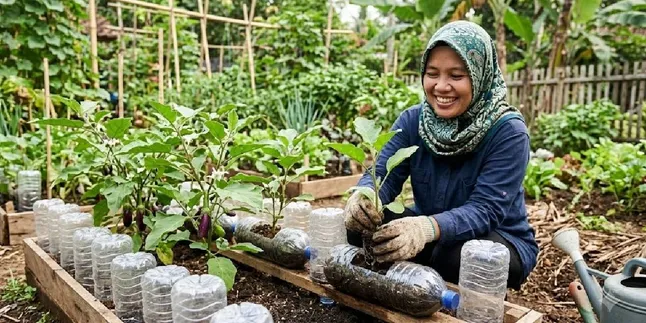
How to properly plant eggplants in used bottles can be a cost-effective gardening solution. Here are the complete steps.

A complete list of recommended time travel themed movies to fix mistakes. Synopsis reviews, cast, and relevant latest film categories for Indonesian viewers.
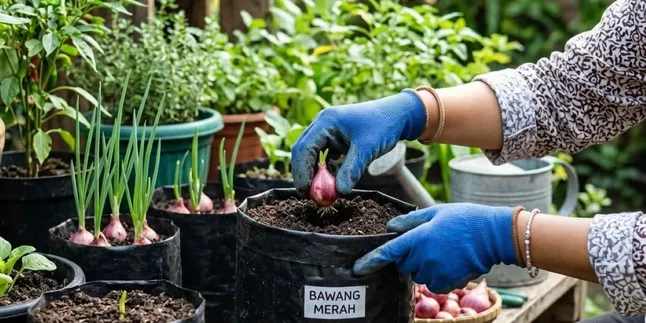
Planting red onions in small polybags can be a solution for home gardening. Check out 7 ways to ensure the bulbs grow large and are ready for harvest quickly.
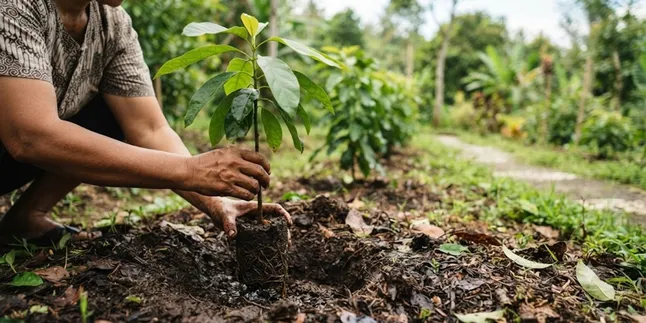
Discover effective steps in planting an avocado tree in a pot for quick fruiting with this guide.
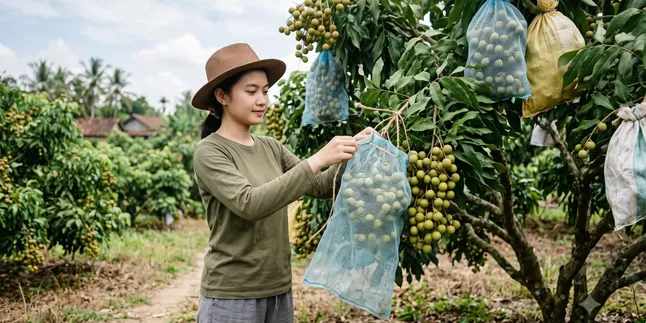
Don't just plant! Discover the secrets of how to grow longan to yield abundant fruits using booster methods and targeted routine care here.
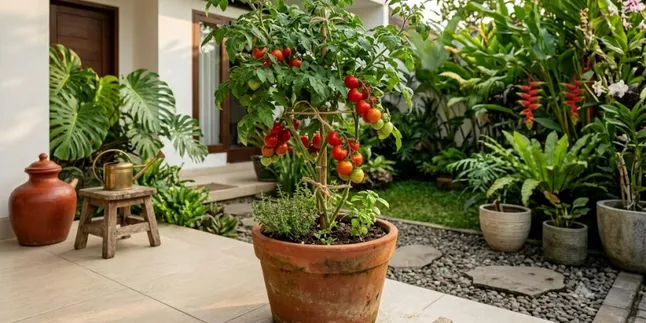
Growing tomatoes in small pots is a smart solution for limited land. Follow the complete guide from pot selection, variety, planting media, to care for a bountiful harvest.
