

 Follow
 Rekomendasi
How to Calculate 74 Kg of Gold to Rupiah, Valued at Rp196.1 Billion Based on Latest Prices
The value of 74 kg of gold depends on the price per gram used. Check the calculation based on selling price, buyback, and factors that affect its value.
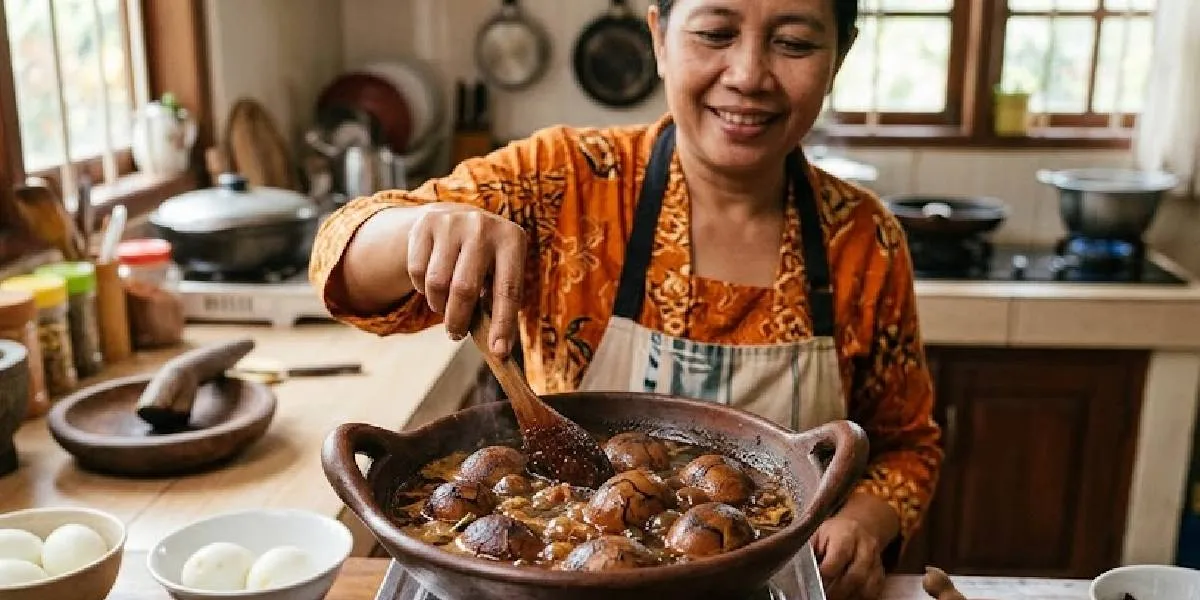
Kapanlagi.com - Spiced boiled eggs have become one of the traditional Indonesian egg dishes that are still widely enjoyed today. This dish is known for its combination of savory flavors, a hint of sweetness, and a distinctive spice aroma, while its appearance is made more appealing by the brown marbled pattern on the surface of the eggs.
The hallmark of spiced boiled eggs comes from the long boiling process, allowing the spices to penetrate into the egg whites. Bay leaves, galangal, tea, sweet soy sauce, and various other spices create a rich flavor profile as well as the natural color that identifies this dish.
With the following recipe, you can make spiced boiled eggs at home with easily found ingredients. In addition to the list of ingredients and cooking steps, there are also several tips to ensure the eggs have a deeper color, the spices are more absorbed, and their storage remains practical.
Basically, every region has variations of spiced pindang eggs. However, the main technique remains the same, which is to boil the eggs with spices for a long enough time to allow the flavors to penetrate thoroughly.
Some natural ingredients can also be added if you want to achieve a darker brown color without using artificial coloring.
Ingredients
Boil the eggs until cooked, then remove and let them cool slightly. After that, gently crack the eggshell without peeling it so that a marbled pattern forms later.
Bring water to a boil, then add bay leaves, galangal, ginger, lemongrass, shallots, garlic, tea, sweet soy sauce, salt, sugar, and other complementary spices. Stir until all ingredients are well mixed.
Place the cracked eggs into the spice broth. Make sure the entire egg is submerged so that the color and spices are evenly distributed.
Cook on low heat for about 1–2 hours while occasionally turning the eggs gently.
If you want a more infused flavor, let the eggs sit in the broth overnight after turning off the heat. Another alternative is to continue boiling on very low heat or using a slow cooker for about 3 hours.
Once the eggs have turned a marbled brown color, remove and serve with warm rice or your favorite side dishes.
The success of making egg pindang is not only determined by the composition of the spices but also by the cooking technique. The duration of boiling, the heat temperature, and the condition of the eggshell also affect the final result.
Cooking over low heat for a sufficiently long time helps the spices gradually penetrate through the pores of the egg. The longer the egg is boiled or soaked in the broth, the stronger the flavor will be.
During the cooking process, make sure all the eggs remain submerged. If the volume of the broth starts to decrease, add enough hot water to ensure that the absorption of the spices continues to proceed well.
One of the characteristics of pindang eggs is the marble pattern on its surface. This motif is formed when the spice liquid seeps through fine cracks in the shell during boiling.
After the eggs are cooked, gently crack the entire surface of the shell using the back of a spoon or by rolling it on a table. Avoid peeling the eggshell as it is still needed to form the pattern.
In addition to the technique of cracking the shell, the use of tea bags or tea leaves also plays an important role in producing the natural brown color. The tannins in the tea help enhance the distinctive color of pindang eggs.
If you want a darker color, you can add guava leaves, teak leaves, or red onion skins. These ingredients are optional and serve to deepen the color without artificial dyes.
On the other hand, bay leaves, galangal, ginger, lemongrass, and sweet soy sauce provide a combination of savory, sweet flavors, along with a distinctive spice aroma.
After the boiling process is complete, it is best not to immediately remove the pickled eggs from the broth. Allowing them to remain submerged will help the spices continue to penetrate, making the flavor more intense.
For storage, keep the pickled eggs in a closed container and place them in the refrigerator. This dish can last about 3–5 days.
When you are ready to serve them again, heat them with a little broth to maintain the taste and aroma.
Pickled eggs are best served with warm white rice, uduk rice, liwet rice, or as a complement to various home-cooked dishes. Additionally, guava leaves and teak leaves are not mandatory ingredients, so the recipe can still be made with just tea and sweet soy sauce as color and flavor enhancers.
(kpl/mda)
Cobain For You Page (FYP) Yang kamu suka ada di sini,
lihat isinya
The value of 74 kg of gold depends on the price per gram used. Check the calculation based on selling price, buyback, and factors that affect its value.

Looking for a romantic dining place in Jakarta? Here are recommendations for rooftops, fine dining, seaside restaurants, and heritage buildings complete with character and important information.
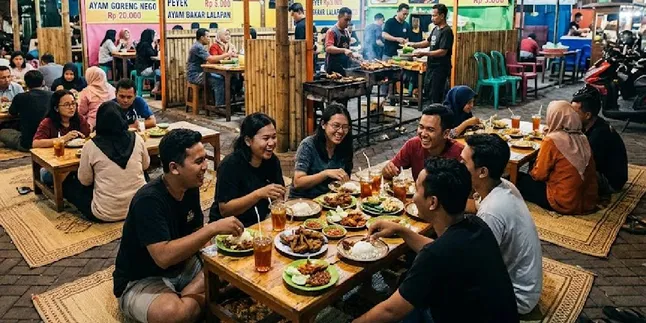
Looking for affordable dining places with floor seating in Tangerang? Check out 14 recommendations for saungs with menu options, price ranges, facilities, and locations for various dining atmospheres.
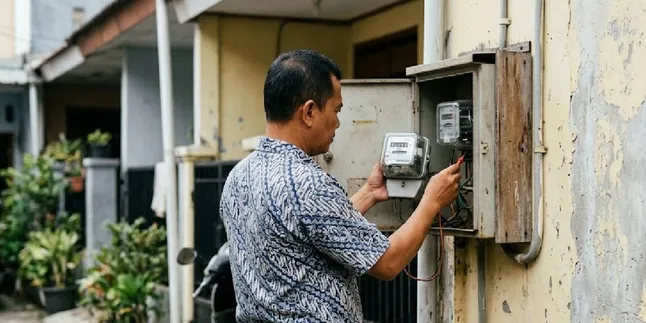
Ways to find out the wattage of home electricity can be done through the meter, PLN Mobile, the PLN website, or by calculating from the VA value to ensure safer and more suitable electricity usage.
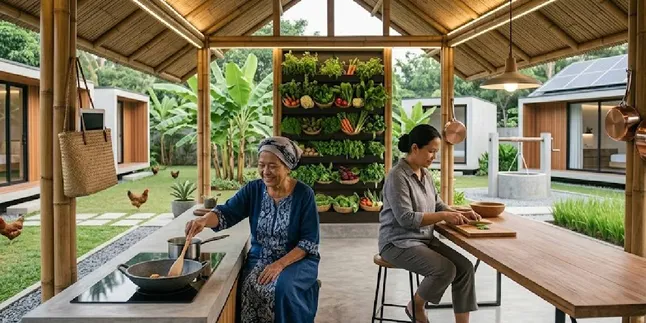
Inspiration for open kitchens in the village with natural materials and simple designs to create a comfortable cooking space while supporting a slow living lifestyle.

KIP College 2026 opens registration until October 31. Here are the requirements for recipients, registration stages, verification process, and important schedules that need to be known.

Inspiration for combinations of decorative flowers in pots for a minimalist terrace, from shaded areas to terraces that receive full sunlight.

Recommendations for superpower dramas featuring uniquely powerful characters, from supernatural family stories to battles against evil spirits. Let's take a look.

Recommendations for Thai black magic films featuring stories of curses, supernatural rituals, and black magic practices such as THE MEDIUM, HOME FOR RENT, and PANOR.

Korean shaman films present horror stories based on the mudang culture. Check out film recommendations, the history of the genre, and how to enjoy them.

Get to know the list of films and dramas of Ryu Hwa-young, a former member of T-ara who built her acting career up to the news of her marriage in 2026.
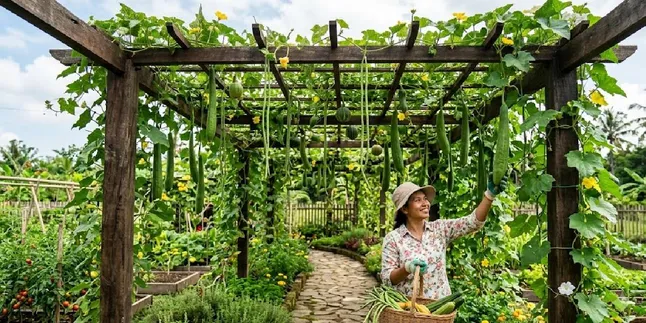
Inspiration for pergolas made from climbing vegetable plants that make the yard feel cooler while also providing fresh harvests for daily needs.
