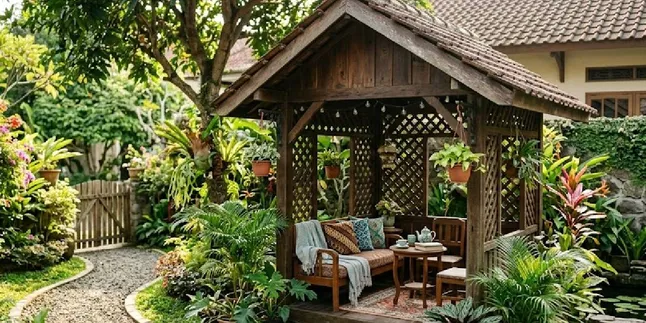
Kapanlagi.com - Having a pergola is no longer just a way to beautify the yard. Now, many homeowners are starting to utilize climbing vegetable plants as a natural shade that also produces fresh food supplies. This concept is suitable for various sizes of homes, from minimalist houses to larger backyards.
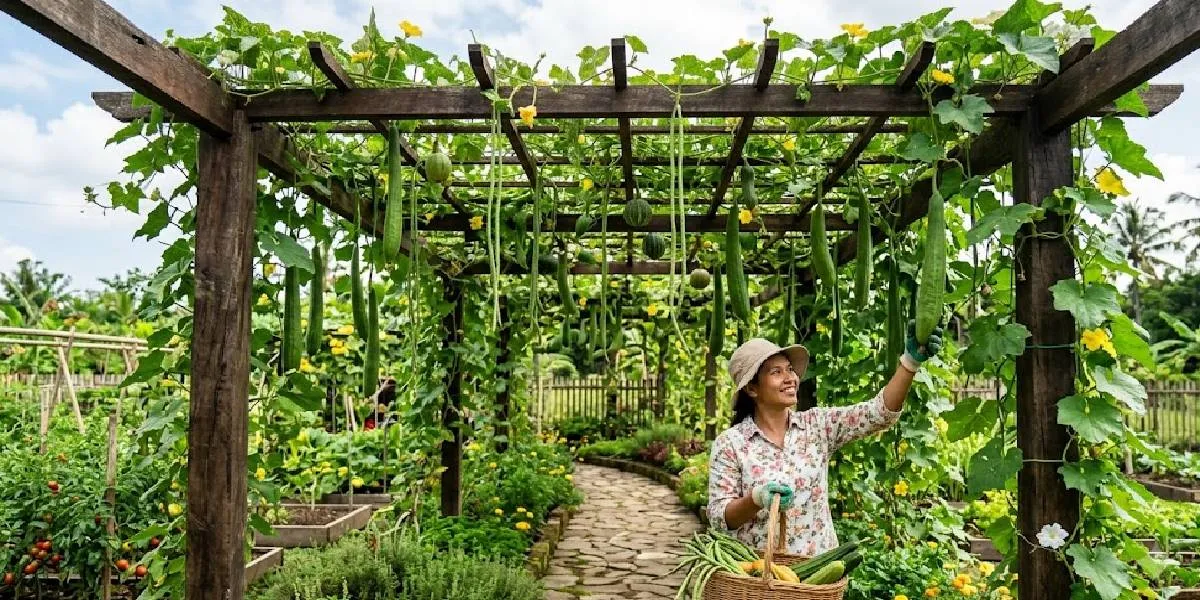
In addition to providing a green atmosphere, pergolas with climbing vegetable plants also offer practical benefits. The pergola frame will be covered by lush foliage, making the area underneath feel cooler, while hanging fruits create a vibrant garden appearance throughout the growing season. With the right selection of plants, a pergola can become a relaxing spot as well as a family harvesting area.
Here are some inspirations for climbing vegetable plants that can be used to adorn the pergola at home.
1. Bitter Melon, Quickly Covering the Pergola and Diligently Bearing Fruit
Bitter melon is one of the popular choices for pergolas because it has strong tendrils and grows relatively quickly. In a short period, this plant can cover the framework, creating a natural canopy that provides shade.
Its dense leaves prevent direct sunlight from penetrating the area beneath the pergola. When it enters the production phase, the bitter melons hanging on various sides of the framework add a different appearance compared to pergolas that are only adorned with ornamental plants.
This plant is also known to be resistant to tropical climates, making it easy to cultivate in various regions of Indonesia. With regular watering, pruning of overly dense branches, and periodic application of organic fertilizer, bitter melon can be harvested multiple times as long as it remains healthy.
2. Luffa or Loofah for a Green and Productive Pergola
Gourd or sponge gourd is also a type of climbing plant that grows rapidly. Its tendrils easily wrap around the pergola frame, so it doesn't require much assistance when directed to follow the shape of the support.
The decorative value of this plant becomes more apparent when the gourd fruits begin to grow long and hang neatly. This view makes the pergola look fresher while also presenting a productive garden atmosphere.
Its maintenance is quite simple. Regular watering, providing compost, and pruning old leaves to ensure good air circulation are important steps to keep the plant healthy and produce abundant harvests.
3. Watermelon with Lush Canopy and Large Fruits
For those who want a large pergola with maximum shade, watermelon can be an interesting choice. This plant has a strong stem, broad leaves, and can evenly cover the pergola frame.
When the fruits start to appear, the appearance of the pergola changes to become more unique as large fruits hang along the frame. Therefore, the pergola structure should be made using sturdy materials such as galvanized iron or quality wood to support the weight of the fruits when harvest time arrives.
In addition to providing shade, watermelon can also be used as an ingredient in various home-cooked dishes. With consistent watering, organic fertilization, and early pest control, this plant can produce a substantial harvest.
4. Long Beans, Easy to Care for and Quick to Harvest
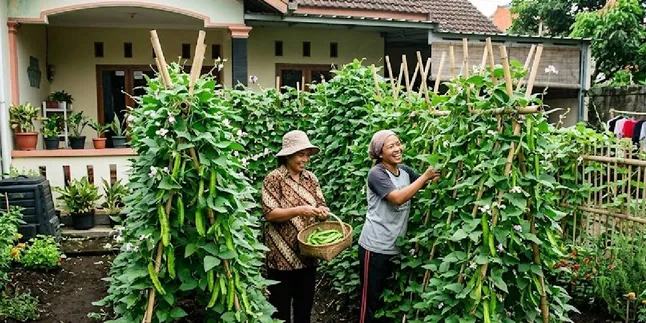
Long beans are one of the climbing plants that are suitable for decorating pergolas because of their fast growth and relatively short harvest period. From a young age, the stems can be directed to follow the pergola frame, allowing them to grow more neatly and create a shaded area.
When they start to bear fruit, the long pods hanging down provide an attractive appearance to the home garden. Their beauty is further enhanced by small flowers that bloom in shades of white to light purple among the green leaves, creating a more vibrant garden atmosphere.
To maintain optimal growth, long beans require sufficient sunlight exposure, regular watering, and periodic organic fertilization. Regular harvesting also helps the plants continue to produce new pods in greater quantities.
5. Cucumbers for a Cool and Practical Pergola
Cucumbers are an excellent choice for homeowners who want to enjoy their harvest in a relatively short time. Its tendrils actively seek support, making it easy to direct them to climb on wooden, bamboo, or metal pergola frames.
As it grows, the cucumber leaves will form a green layer that makes the area under the pergola feel more comfortable. When yellow flowers begin to appear and transform into fresh green fruits, the pergola becomes even more attractive while providing a productive garden atmosphere.
To keep the plants healthy until harvest time, water regularly, provide organic fertilizer, and trim old leaves or overly dense branches. Good air circulation also helps reduce the risk of fungal attacks and leaf diseases.
6. Lush Siam Pumpkin for a Greener Yard
Siam pumpkins are known for their very vigorous growth, allowing them to cover a pergola in a relatively short time if they receive enough sunlight and nutrients. Their stems can crawl several meters with strong tendrils gripping the support frame.
In addition to providing shade, this plant produces a significant number of hanging fruits, adding a natural touch to the yard. Not only the fruits, but the young shoots of the siam pumpkin can also be used as a vegetable ingredient, making almost every part of the plant useful.
Due to its rapid growth, fertile planting media and regular watering are crucial factors. The pergola frame should also be made stronger to support the increasingly heavy stems and fruits during the production period.
7. Kecipir, An Attractive Choice
Kecipir often receives less attention compared to other climbing plants, yet this plant can serve as a decorative element for pergolas as well as a source of sustainable harvests. Its tendrils easily climb, while its leaves grow densely enough to create natural shade.
The uniqueness of kecipir is evident from the wavy shape of its pods and the bluish-purple flowers that appear among the leaves. This combination makes the pergola look more attractive without needing many additional ornamental plants.
This plant is also known for its productivity because young leaves, flowers, pods, and even tubers in certain varieties can be utilized. With adequate watering, organic fertilization, and pruning of overly dense branches, kecipir can continuously produce harvests while keeping the pergola green throughout the season.
Choosing the right type of plant will make the pergola not only function as shade but also become a productive vertical garden. For plants with large fruits like watermelons or Siamese cucumbers, use a sturdy framework to support the weight of the plants during the harvest period.
Meanwhile, if the yard is limited in size, plants such as cucumbers, bitter melons, loofahs, or long beans can be good choices due to their fast growth and maximum utilization of vertical space. With regular watering, organic fertilization, pest control, and pruning of overly dense parts, the pergola will remain shady while also producing fresh vegetables for daily needs.
(kpl/mda)
Disclaimer: This translation from Bahasa Indonesia to English has been generated by Artificial Intelligence.


 Follow
 Rekomendasi