Kapanlagi.com - A portable fire extinguisher or APAR is a very important safety device for dealing with fires in their early stages. However, having an APAR alone is not enough if we do not understand how to use it correctly and safely.
Fires can occur anytime and anywhere, making knowledge of how to use a portable fire extinguisher an essential skill for everyone. Proper use can prevent small fires from escalating into larger disasters.
Errors in operating the APAR not only render firefighting ineffective but can also endanger the safety of the user and those around them. Therefore, understanding the standard procedures for using the APAR is crucial for everyone's safety.
According to the Regional Disaster Management Agency (BPBD) of the Special Region of Yogyakarta, the APAR is a firefighting device designed to be used by one person with a weight ranging from 0.5 kg to 16 kg, making it easy to carry and use as an effective portable firefighting tool for early intervention during a fire.
1. Understanding Portable Fire Extinguishers (APAR)

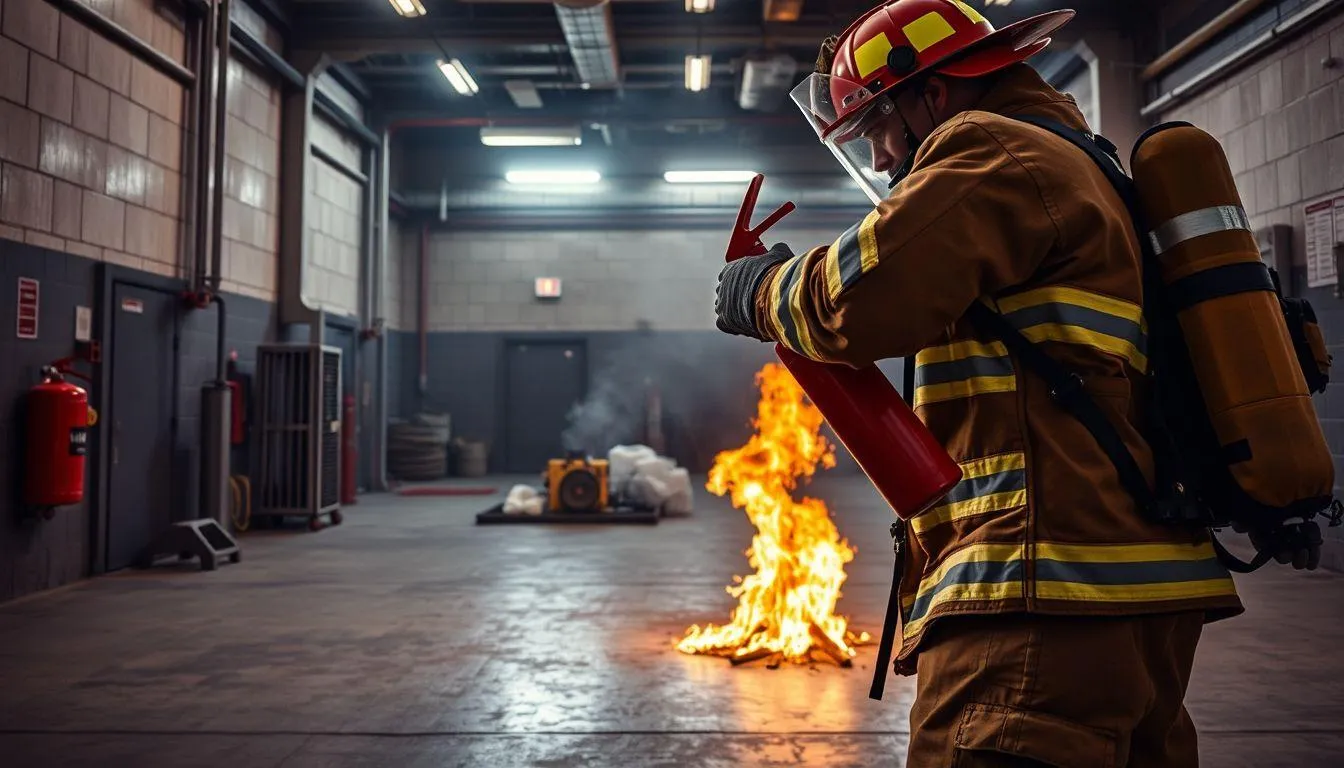
Understanding Portable Fire Extinguishers (APAR) (c) AI Illustration
A Portable Fire Extinguisher, or APAR for short, is a portable firefighting device specifically designed to extinguish fires in their early stages before they grow and become uncontrollable. APAR comes in various sizes ranging from 0.5 kilograms to 16 kilograms, allowing it to be carried and operated by a single person without heavy equipment assistance.
The main function of APAR is as the first fire protection tool that can be quickly used in the event of a small fire. This tool is very effective for extinguishing newly formed fires before they develop into large fires that require the assistance of professional firefighters. The speed of response in using APAR is crucial to the success of fire extinguishing.
APAR is available in various types of extinguishing media, such as water, foam, dry chemical powder, and carbon dioxide. Each type of APAR is designed to handle specific classes of fire, ranging from solid material fires (class A), flammable liquids (class B), gases (class C), to electrical equipment. Choosing the right type of APAR is essential for effective extinguishing.
Quoting from The Fire and Rescue Department of Kampar Regency, APAR is one of the important tools that must be understood in terms of its usage so that fires can be controlled from the start before they grow and endanger lives and property.
The placement of APAR should be in strategic locations that are easily visible and accessible to everyone in emergency situations. APAR is usually installed at a maximum height of 1.2 meters from the floor for easy access when needed. The installation location must also consider room temperature conditions, which should not exceed 49°C or drop below 4°C to maintain the quality and function of the equipment optimally.
2. The PASS Technique in Using Portable Fire Extinguishers
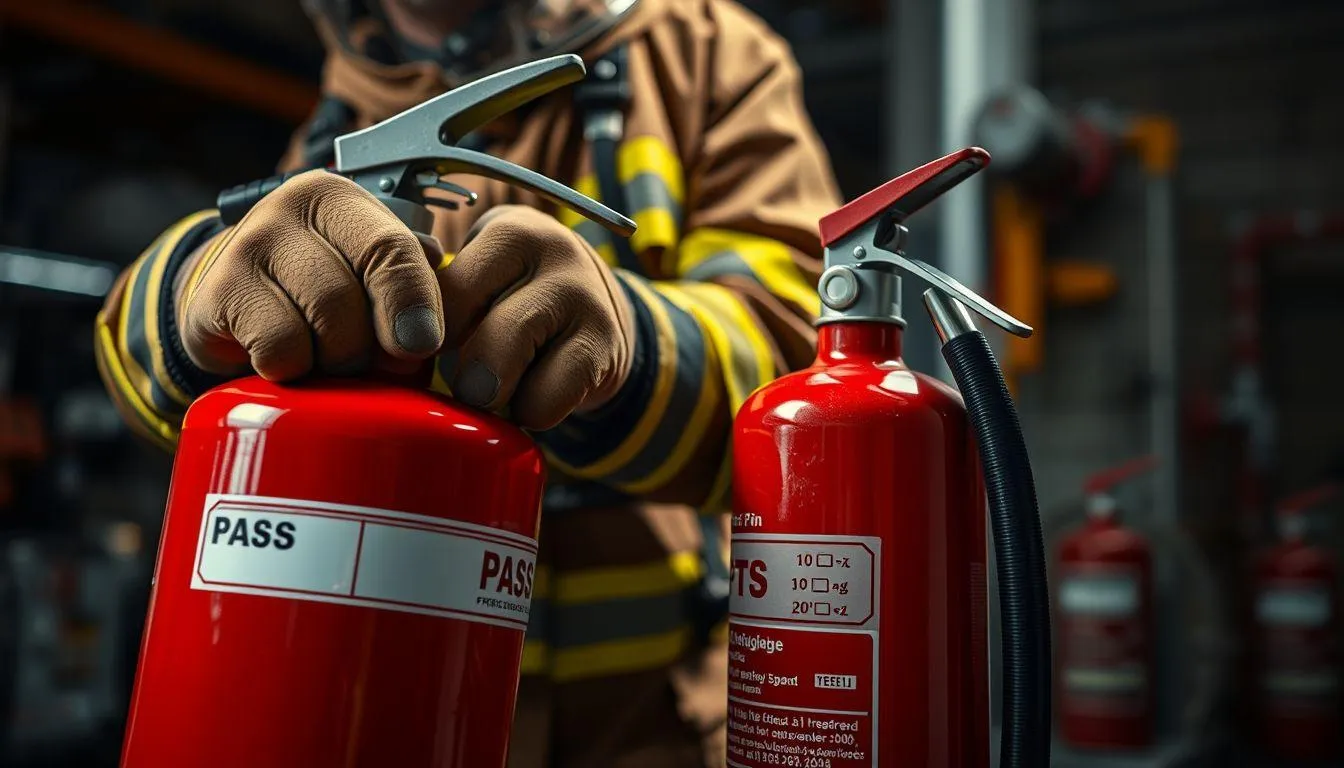
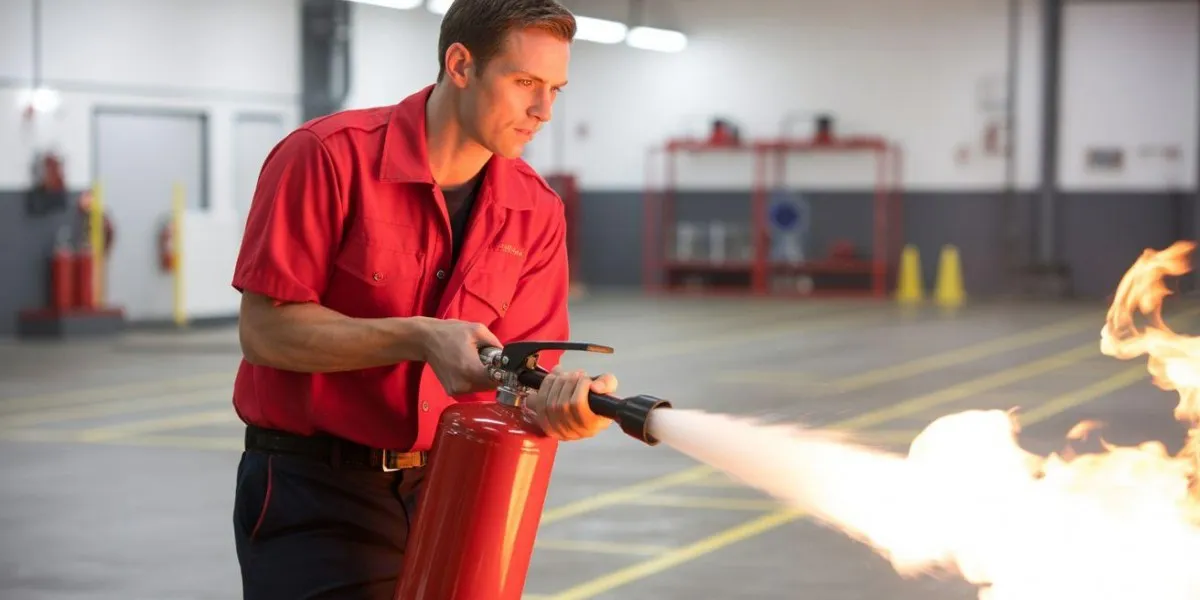
The PASS Technique in Using Portable Fire Extinguishers (c) AI Illustration
The PASS technique is an international standard method used in operating fire extinguishers. PASS stands for Pull, Aim, Squeeze, and Sweep, which are four systematic steps to effectively and safely extinguish a fire.
Here is a complete explanation of how to use a fire extinguisher using the PASS technique:
- Pull - The first step is to pull the safety pin or seal located on the handle of the fire extinguisher. This pin serves as a safety mechanism to prevent the device from being activated accidentally. Make sure to pull the pin firmly until the trigger lever is free to use. When pulling the pin, hold only one lever, do not press both levers simultaneously to make it easier to remove the pin.
- Aim - After the pin is pulled, firmly hold the end of the hose or nozzle and aim it directly at the base of the fire, not at the flames. Focusing the spray at the base of the fire is the most effective way to extinguish the fire from its source and prevent further spread. Position yourself at a safe distance of 3-5 meters from the fire point.
- Squeeze - Squeeze the fire extinguisher lever as much as possible to release the extinguishing agent with maximum pressure. Press firmly and continuously during the extinguishing process. Do not press the lever gradually as this will reduce the effectiveness of the extinguishing. Make sure you do not release pressure on the lever until the fire is completely out.
- Sweep - Sweep or swing the end of the hose from side to side slowly over the source of the fire. This sweeping motion ensures that the entire area affected by the fire is exposed to the extinguishing agent evenly. Keep focusing on spraying at the base of the fire until all flames are out, and remember to always maintain a safe distance while spraying.
Quoting from District Inspectorate of Karangasem Regency, understanding and applying the procedures for using a fire extinguisher is an important step in ensuring the safety of oneself and others, so regular fire drills can help prepare everyone to face emergency situations more effectively.
3. Safe Distance in Using APAR
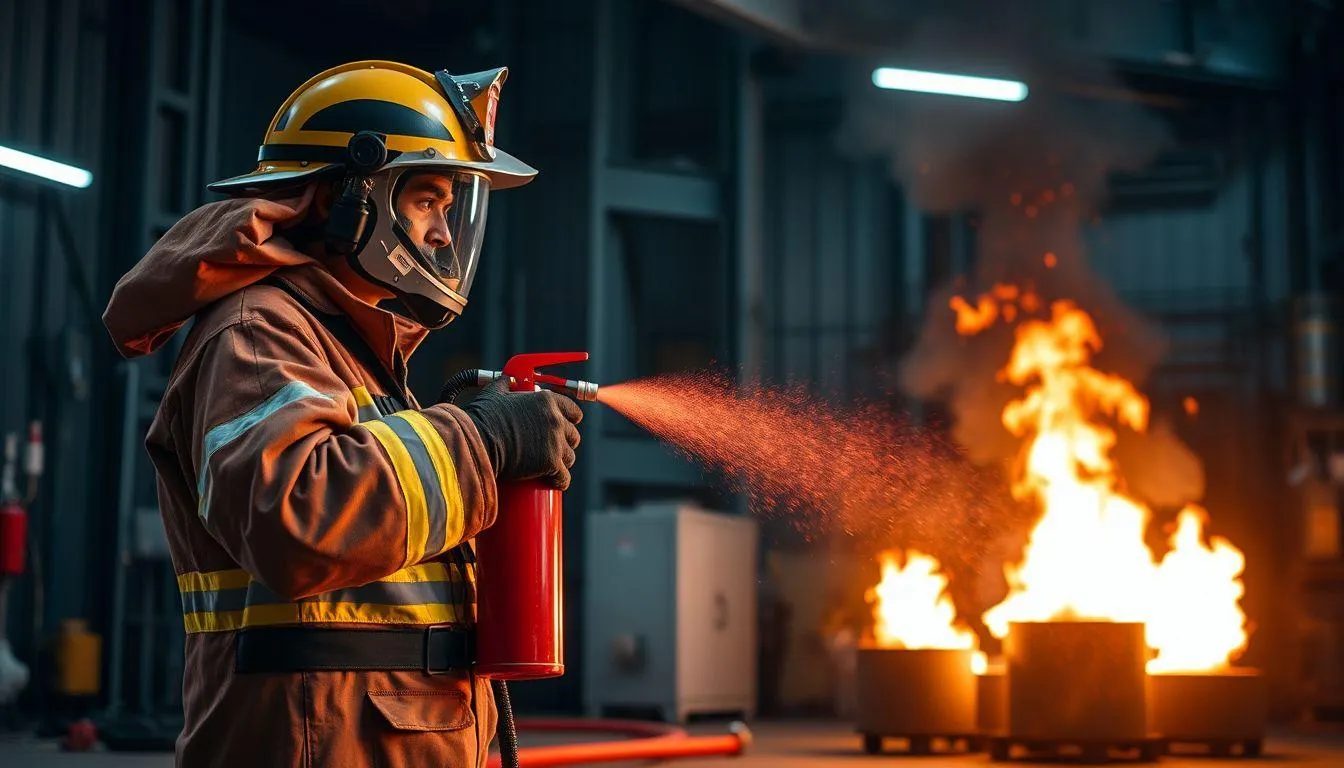
Safe Distance in Using Fire Extinguishers (c) AI Illustration
The distance of using a fire extinguisher (APAR) from the source of the fire is a crucial factor that determines the safety of the user and the effectiveness of extinguishing. A distance that is too close can endanger the user due to exposure to high heat and flames, while a distance that is too far makes the extinguishing media ineffective in reaching the source of the fire.
The ideal and safe distance when using an APAR is 3-5 meters from the fire point. At this distance, the user is still within a safe zone from excessive heat exposure, yet the extinguishing media can still reach and effectively cover the source of the fire. This distance also provides space for the user to retreat quickly if the situation becomes uncontrollable.
If the spraying distance is more than 5 meters, the APAR media, such as dry chemical powder, will disperse and be carried away by the wind before reaching the source of the fire. This results in ineffective extinguishing because the concentration of the extinguishing media that reaches the fire is reduced. Conversely, if too close, the user risks suffering burns or inhaling toxic smoke.
The standing position when using an APAR should also be taken into account. Ensure that you stand with your back to the wind direction so that smoke and heat do not blow towards your body. Additionally, make sure the evacuation route behind you remains clear so that you can retreat quickly if the fire cannot be controlled or if the APAR runs out before the fire is completely extinguished.
4. Common Mistakes in Using Portable Fire Extinguishers
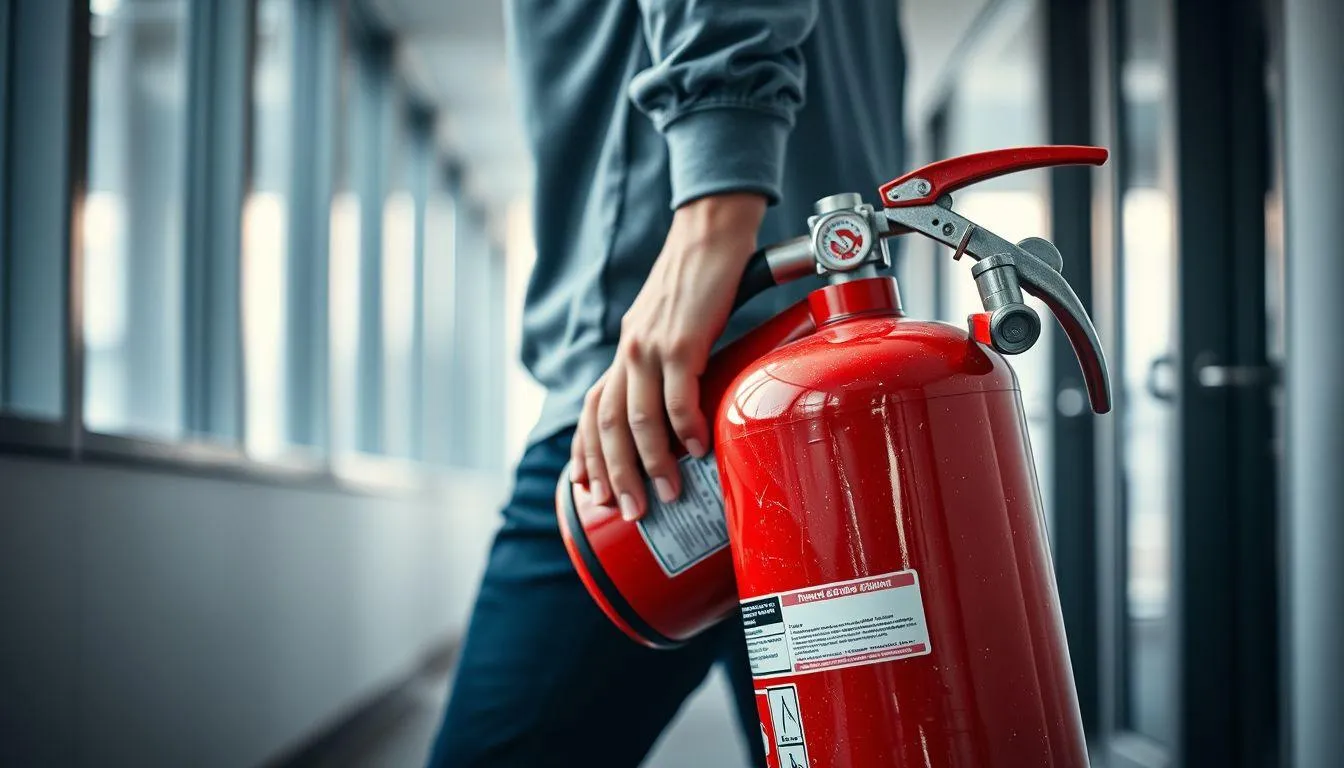
Common Mistakes in Using Portable Fire Extinguishers (c) AI Illustration
Although the way to use a fire extinguisher seems simple, many people make mistakes when operating it. These mistakes can reduce the effectiveness of extinguishing and even endanger the user's safety.
Here are common mistakes to avoid when using a fire extinguisher:
- Carrying the Fire Extinguisher by Hand - Many people carry the fire extinguisher by holding it in their hands, especially for larger cylinders. This method is very inefficient as it quickly tires the user, especially if the distance between the fire extinguisher and the source of the fire is quite far. The correct way is to carry the fire extinguisher by shouldering it, making mobility easier and the extinguisher feel lighter.
- Pressing the Lever While Opening the Seal - A common mistake is pressing both levers of the fire extinguisher simultaneously when pulling the safety pin. This causes the pin to get stuck and difficult to remove, slowing down the extinguishing process. The correct way is to hold only one lever while pulling the safety pin to make it easier to remove the seal.
- Holding the Base or Middle of the Hose - Because the pressure of the fire extinguisher reaches 13 bar, the hose will move erratically if not held properly. Holding the base or middle of the hose causes the extinguishing agent to spread and not focus on the fire point. The correct way is to hold the end of the hose or nozzle firmly and aim it directly at the source of the fire.
- Spray the Fire Extinguisher Media Gradually - Some people try to conserve the fire extinguisher media by pressing the lever gradually. This method actually reduces the effectiveness of extinguishing because the pressure generated is not maximal. The correct way is to press the lever fully and continuously until the fire is completely extinguished, as the fire extinguisher media can be refilled.
- Not Identifying the Type of Fire - Using a fire extinguisher without identifying the type of fire first can be dangerous. For example, using a water-based extinguisher on an electrical fire can cause electric shock. Make sure you understand the type of fire and choose the appropriate extinguisher before attempting to extinguish it.
- Shooting at the Top of the Fire - Many people spray the extinguishing media at the top of the flames, whereas this method is ineffective. The extinguishing media should be sprayed at the base of the fire or the source of the fire to cut off the combustion reaction from its roots and prevent the fire from reigniting.
5. Types of Fire Extinguishers and Their Uses
Understanding the types of fire extinguishers is very important for effectively using portable fire extinguishers. Each type of extinguisher has a different extinguishing medium and is designed to handle specific classes of fire.
Here are the common types of fire extinguishers:
- Water Extinguisher - This type of extinguisher uses pressurized water as the extinguishing medium and is very effective for extinguishing Class A fires, which involve solid materials such as wood, paper, cloth, and dry waste. Water works by cooling the temperature of the burning material below its ignition point. However, water extinguishers should not be used on electrical fires because water can conduct electricity and cause fatal electric shocks.
- Foam Extinguisher - Foam extinguishers are suitable for extinguishing Class A and B fires. Foam works by covering the surface of liquid fuels such as gasoline, diesel, or oil, thereby preventing oxygen from entering and stopping the combustion reaction. Foam extinguishers also have a cooling effect that helps prevent re-ignition after the fire has been extinguished.
- Dry Chemical Powder Extinguisher - This type of extinguisher is the most common and multifunctional because it can be used on Class A (solid materials), Class B (flammable liquids), and Class C (gases) fires. Dry chemical powder works by interrupting the chemical reaction in the fire triangle and forming a layer that isolates the fuel from oxygen. This type of fire extinguisher is very effective and versatile for various fire situations.
- Carbon Dioxide Fire Extinguisher (CO2 Extinguisher) - The CO2 extinguisher is very effective for extinguishing electrical equipment fires and flammable liquid fires. Carbon dioxide works by displacing oxygen around the fire area, causing the fire to go out due to lack of oxygen. The advantage of the CO2 extinguisher is that it leaves no residue after use, making it safe for sensitive electronic equipment.
- Special Metal Fire Extinguisher - This type of extinguisher is specifically designed to extinguish Class D fires, which involve metal materials such as magnesium, titanium, sodium, and potassium. Metal fires require special extinguishing agents because they cannot be extinguished with water or other conventional extinguishing media.
Quoting from The Kampar District Fire and Rescue Department, knowledge about the types and usage of fire extinguishers is very important to protect oneself, family, and the surrounding environment from greater fire risks.
6. Maintenance and Inspection of Fire Extinguishers
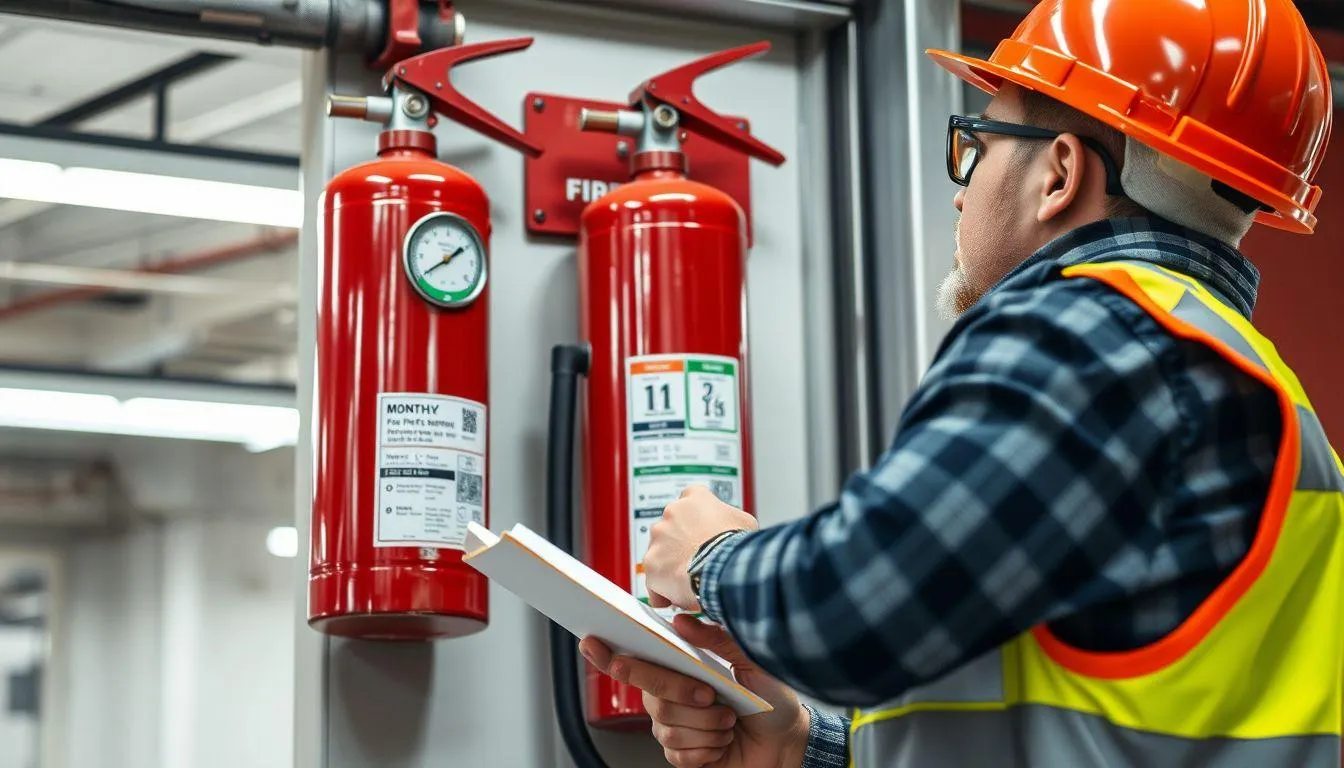
Maintenance and Inspection of Fire Extinguishers (c) AI Illustration
Having a fire extinguisher alone is not enough to guarantee safety from fire. The fire extinguisher must be maintained and inspected regularly to ensure it is always in a ready-to-use condition when needed. Proper maintenance will ensure the fire extinguisher functions optimally during an emergency situation.
Visual inspection of the fire extinguisher should be conducted at least once a month to ensure the physical condition of the cylinder, hose, and other components are in good condition. Check whether the safety pin is still properly attached, the seal is intact, and there are no signs of corrosion or leaks on the cylinder. The pressure gauge or pressure indicator should show a reading in the green zone, indicating that the pressure is still normal.
The placement of the fire extinguisher must meet established safety standards. The fire extinguisher should be installed in a position that is easy to see and reach, not obstructed by any objects, and equipped with clear signage. The maximum installation height of 1.2 meters from the floor facilitates quick access during an emergency. Fire extinguishers must also be protected from direct sunlight and extreme weather conditions.
Technical inspections by certified technicians must be conducted at least once a year. This inspection includes checking internal pressure, the condition of the extinguishing media, and the overall function of the fire extinguisher components. If damage or reduced pressure is found, the fire extinguisher must be immediately recharged or repaired by a competent service provider.
Inspection results must be properly recorded using an inspection card or tag affixed to the fire extinguisher. This card records the inspection date, the condition of the fire extinguisher, and the signature of the officer who conducted the inspection. This documentation is important to ensure that the fire extinguisher is always in a ready-to-use condition and meets applicable safety standards.
Periodic training on the use of fire extinguishers is also an important part of the maintenance program. Employees or building occupants must be trained on how to properly use fire extinguishers through fire simulation. This training ensures that everyone can respond quickly and accurately in the event of a fire, thereby minimizing the risk of loss of life and property.
7. FAQ (Frequently Asked Questions)
FAQ (Frequently Asked Questions) (c) AI Illustration
1.What is meant by the PASS technique in the use of fire extinguishers?
The PASS technique is a standard method for using fire extinguishers that consists of four steps: Pull (pull the safety pin), Aim (point the nozzle at the base of the fire), Squeeze (press the lever to release the extinguishing agent), and Sweep (sweep the nozzle from side to side slowly). This technique is the most effective and safe way to extinguish a fire using a fire extinguisher.
2.What is the safe distance when using a fire extinguisher to extinguish a fire?
The safe and effective distance when using a fire extinguisher is 3-5 meters from the fire source. This distance provides safety for the user from excessive heat exposure while ensuring that the extinguishing agent can reach the fire source with sufficient concentration to effectively extinguish the fire without spreading too much.
3.Can all types of fire extinguishers be used for all types of fires?
No, each type of fire extinguisher is designed to handle specific classes of fire. Water extinguishers are for solid material fires (class A), foam extinguishers for both solid materials and liquids (class A and B), powder extinguishers for solids, liquids, and gases (class A, B, C), CO2 extinguishers for electrical fires and liquids, and special extinguishers for metal fires (class D). Using the wrong type of fire extinguisher can be dangerous and ineffective.
4. How should you carry the correct fire extinguisher to the fire location?
The correct way to carry a fire extinguisher is by shouldering it, not by carrying it in your hands or under your arm. This method is more efficient as it prevents the user from getting tired quickly, especially for larger cylinders. Carrying the fire extinguisher this way also facilitates mobility and allows the user to move more quickly towards the fire location.
5. What should you do if the fire does not go out after using one fire extinguisher?
If the fire does not go out after using one fire extinguisher, immediately evacuate the area and contact professional firefighters. Do not attempt to extinguish the fire alone if the situation is beyond control. Prioritize your safety and the safety of others by evacuating through a safe route while waiting for the firefighters' assistance.
6. How often should fire extinguishers be inspected and maintained?
Fire extinguishers should be visually inspected at least once a month to ensure their physical condition and pressure are still normal. A technical inspection by a certified technician should be conducted at least once a year to check the internal condition, extinguishing media, and overall functionality of the components. If any damage or reduced pressure is found, the fire extinguisher should be immediately recharged or repaired.
7. Is it permissible to use a water fire extinguisher to extinguish electrical fires?
No, it is not permissible to use a water fire extinguisher to extinguish electrical fires as water can conduct electricity and cause fatal electric shocks to the user. For fires involving electrical equipment, use CO2 or powder-type extinguishers that do not conduct electricity and are safe for electronic equipment.
(kpl/fed)
Disclaimer: This translation from Bahasa Indonesia to English has been generated by Artificial Intelligence.


 Follow
 Rekomendasi