

 Follow
 Rekomendasi
Aura Kasih Responds to Lisa Mariana's Comment, Invites for Sunmori Amidst RK Affair Issues
Amidst the issue of being Ridwan Kamil's mistress, this is Aura Kasih's response to Lisa Mariana's post.
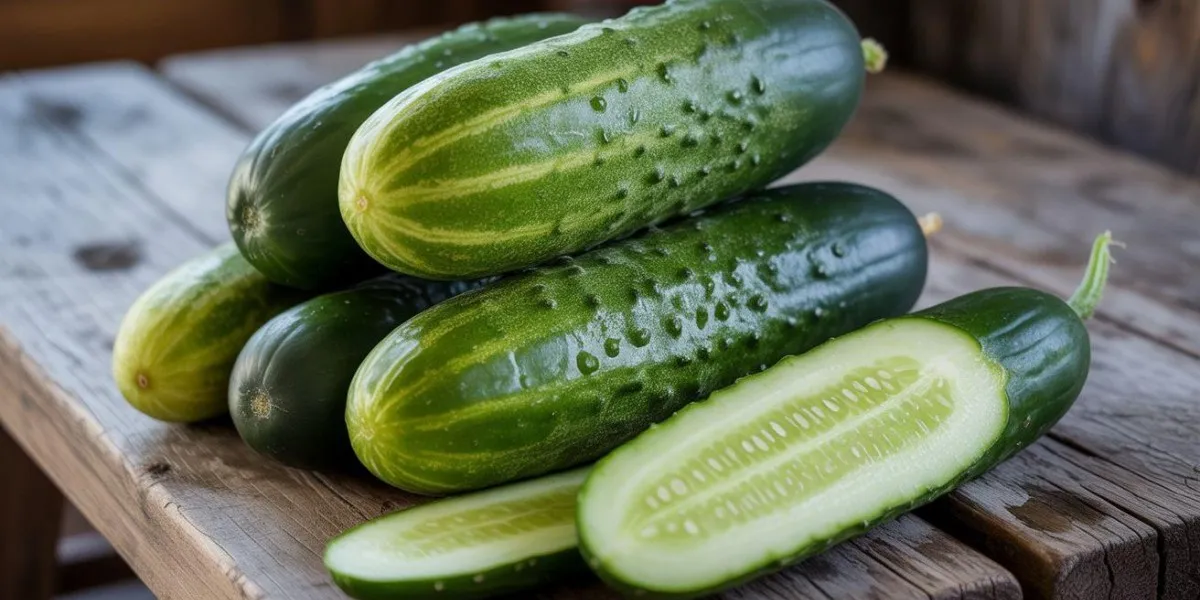
Kapanlagi.com - Cucumbers are a very popular vegetable in Indonesia, especially as a side dish accompanying various meals. Their high water content provides a refreshing sensation when consumed. However, not all cucumbers have the same quality.
Choosing the right cucumber is very important to get a delicious taste and crunchy texture. Poor-quality cucumbers tend to have a bitter taste and a soft texture. Therefore, knowing how to choose good cucumbers is an important skill for every housewife.
By understanding the characteristics of fresh cucumbers, you can ensure that every dish served has the best quality. Here is a complete guide to selecting quality cucumbers that won’t disappoint when consumed.

Understanding and Characteristics of Quality Cucumbers (c) AI Illustration
Cucumber or mentimun is a fruit vegetable from the Cucurbitaceae family that is widely cultivated in various tropical and subtropical countries. This vegetable has a water content of up to 95 percent, making it a perfect choice for maintaining body hydration. Quality cucumbers have specific characteristics that distinguish them from cucumbers that are no longer fresh.
The main characteristics of good cucumbers include a firm yet not overly hard texture, a bright green color that is uniform, and a smooth skin surface without spots or holes. Fresh cucumbers also have a light and refreshing characteristic aroma, not an odd or unpleasant smell. The nutritional content in fresh cucumbers is higher compared to cucumbers that are wilted or overripe.
According to bonappetit.com, quality cucumbers should feel sturdy and solid when held, indicating that the cucumber still has a high water content and has not lost its freshness.
Understanding the characteristics of quality cucumbers is an important foundation before you go shopping. By recognizing the signs of good cucumbers, you can avoid purchasing cucumbers that are no longer fit for consumption. This not only saves expenses but also ensures that your family receives optimal nutritional intake from fresh vegetables.
Texture is the first and easiest indicator to assess the freshness of cucumbers. Here’s how to choose a good cucumber based on its texture:
Choosing a good cucumber through this texture inspection method is very effective and can be done quickly while shopping. With practice, you will become more skilled at recognizing quality cucumbers just by touch.
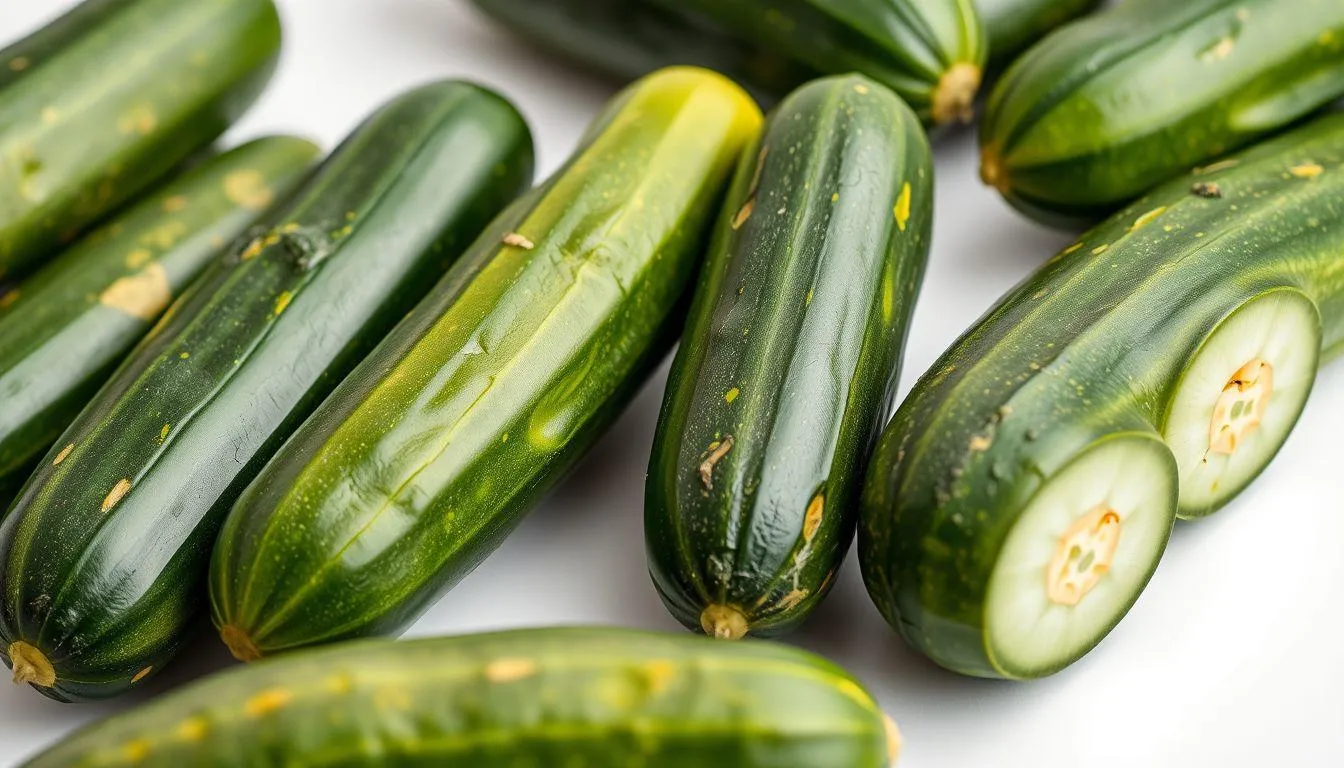
Choosing Cucumbers Based on Color and Skin Condition (c) AI Illustration
The color and skin condition of cucumbers provide important information about their ripeness and freshness. Cucumbers that are bright green with a smooth surface are the best choice for consumption. A color that is too dark or pale indicates issues with the quality of the cucumber.
The skin surface of a good cucumber should be smooth, firm, and free from yellow or brown spots. These spots can be a sign that the cucumber is beginning to rot or has been affected by pests. Wrinkled skin indicates that the cucumber has lost a lot of moisture due to prolonged storage or improper temperature.
Avoid cucumbers with cuts, scratches, or holes in their skin as these can accelerate the rotting process. Cuts on the skin also provide entry points for bacteria and fungi that can damage the quality of the cucumber. Additionally, pay attention to whether there is a wax coating on the cucumber's skin, especially if buying from a large supermarket.
The ends of the cucumber also need to be examined carefully. A darker, rounder end indicates good quality, while a lighter end often signifies a bitter taste. A uniform color across the entire surface of the cucumber indicates a perfect ripening process and consistent quality.
The size of cucumbers significantly affects their taste and texture. Here is a guide to selecting cucumbers based on their size and shape:
Selecting the right size will affect the cucumber consumption experience. Cucumbers of ideal size are not only easier to process but also provide a more satisfying taste and texture.
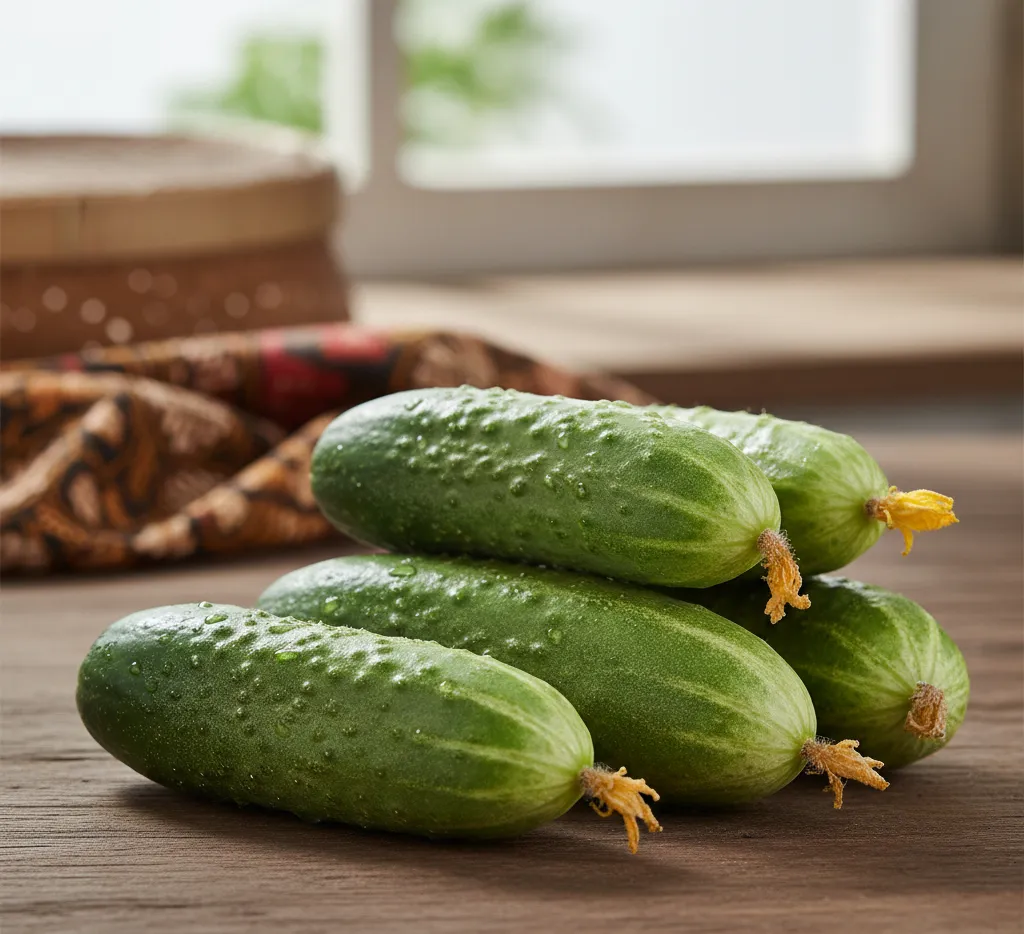
cucumber illustration - image by AI
The bitter taste in cucumbers is often a major complaint among consumers. Here are some ways to select good cucumbers that are not bitter:
By following these tips, you can minimize the risk of getting bitter cucumbers and ensure that every dish using cucumbers has a fresh and delicious taste.
After successfully choosing good cucumbers, the next step is to store them properly to maintain their freshness. Proper storage can extend the shelf life of cucumbers for several days or even weeks.
Cucumbers should be stored in the refrigerator at a temperature of about 4-7 degrees Celsius. Temperatures that are too cold can damage the texture of the cucumbers and make them mushy. Wrap the cucumbers in a tissue or a clean cloth that is slightly damp to maintain moisture without making them too wet. Avoid storing cucumbers in tightly sealed plastic bags as this can accelerate spoilage.
Do not wash cucumbers before storing them, as excess moisture can trigger mold growth. Wash cucumbers only just before consuming or processing them. Keep cucumbers separate from fruits that produce ethylene gas, such as bananas, apples, or tomatoes, as this can hasten the ripening and spoilage of cucumbers.
Check the condition of the cucumbers periodically during storage. If any part starts to become mushy or has spots, immediately separate it from the other cucumbers to prevent the spread of decay. Properly stored cucumbers can last up to a week in the refrigerator while maintaining their freshness and crunchiness.
For fresh vegetables, choose cucumbers with a firm texture, bright green color, and medium size. Make sure the skin surface is smooth without yellow spots or holes. Cucumbers for fresh vegetables should be very fresh with high water content to provide a crunchy and refreshing sensation when consumed.
Cucumbers that are not fresh have a soft texture when pressed, wrinkled or slimy skin, dull or yellowish color, and an unpleasant aroma. A soft end of the cucumber also indicates that it has started to rot and should not be consumed.
Cucumbers taste bitter due to increased levels of the compound cucurbitacin caused by stress on the plant or improper storage. To avoid this, choose cucumbers with dark, round ends, avoid those with yellow spots, and select cucumbers that are still fresh with an even green color.
Yes, the size of the cucumber greatly affects its quality. Small to medium-sized cucumbers usually have a sweeter taste, crunchier texture, fewer seeds, and more water content compared to large cucumbers, which tend to have larger seeds and a softer texture.
Cucumbers stored properly in the fridge at a temperature of 4-7 degrees Celsius can last up to one week. Wrap the cucumbers in a damp tissue and store them in the vegetable compartment of the fridge. Avoid washing cucumbers before storing and keep them separate from fruits that produce ethylene gas.
Cucumbers with a wax layer in supermarkets are generally safe to eat because they use food-grade wax. However, it's best to wash them thoroughly or peel the skin before consumption, especially if they will be eaten raw. Choose cucumbers without a wax layer if you want to eat them with the skin.
Sweet cucumbers usually have a bright, even green color, a dark and round tip, a hard and firm texture, and a fresh aroma. Avoid cucumbers with yellow spots, pale color, or bright tips as they tend to be bitter. Small to medium-sized cucumbers also tend to be sweeter.
```
(kpl/fed)
Cobain For You Page (FYP) Yang kamu suka ada di sini,
lihat isinya
Amidst the issue of being Ridwan Kamil's mistress, this is Aura Kasih's response to Lisa Mariana's post.

Having not been seen on television or the big screen for a long time, senior actor Diding Boneng is apparently battling asthma. Check out the complete information regarding his health condition below!

It feels like an eternity waiting for the continuation of Jujutsu Kaisen, to witness the adventures of Yuji Itadori and friends in January 2026. While we wait, let’s take a moment to reminisce with one of the most memorable episodes from the first season.
A complete guide on how to choose good and quality purple sweet potatoes by paying attention to the skin, texture, color, and aroma for perfect processed results.

A complete guide on how to choose fresh shrimp by paying attention to color, texture, aroma, and the physical condition of the shrimp to produce quality dishes that are safe to consume.

Ria Ricis and her daughter, Moana, are enjoying a happy moment during their year-end holiday abroad. They spent 8 hours on the plane, here's their excitement!

A complete guide on how to choose the right condom size for your needs. Learn how to measure the penis, determine the right size, and important tips for optimal condom performance.

Before everyone knew, it turns out Safa Marwah had received a DM from Lisa Mariana who claimed to be pregnant by Ridwan Kamil, here is her confession.

Annisa Dalimunthe Indonesia Fashion Runway, a stunning 6-year-old child singer who performed at the prestigious event.

Hotman Paris's nostalgic journey to Australia recalls the hard times of washing dishes by himself until he succeeded. Check out his story of struggle and inspiration here!

Recommendations for Chinese dramas with themes of young love featuring warm stories, full of struggle, and emotional bonds.

Many people are looking for something to watch to relieve stress. Of course, light and entertaining shows are very much needed in such situations. Recommendations for adult romantic Chinese dramas might be a good choice.
