

 Follow
 Rekomendasi
How to Choose Body Lotion for Dry Skin
A complete guide to choosing the right body lotion for dry skin, from recognizing essential ingredients to care tips to keep the skin moist and healthy.
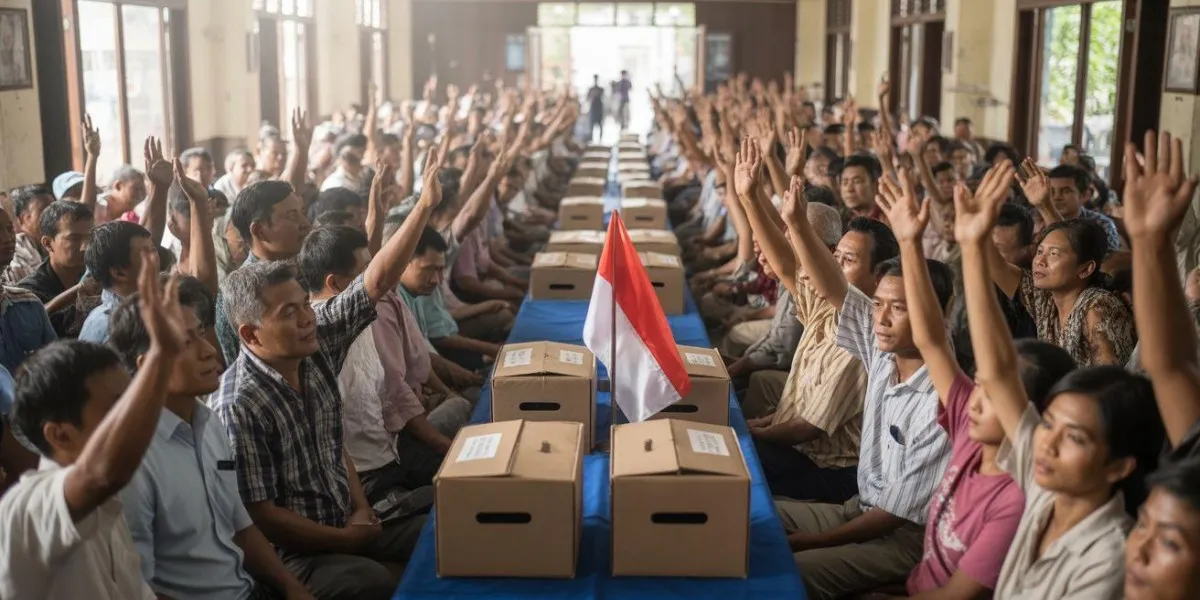
Kapanlagi.com - The election of the Rukun Tetangga (RT) leader is one form of direct democracy at the most basic level within the Indonesian government system. This process involves the active participation of residents in determining the leader who will represent their aspirations in their living environment.
Understanding how to choose an RT leader is important for every resident who wants to participate in community development. The election mechanism is generally regulated by local regulations based on the principles of deliberation and consensus. Each region may have slightly different procedures, but they still adhere to the values of democracy and openness.
The RT leader plays a strategic role as a communication bridge between residents and the village or local government. Therefore, the election process must be conducted transparently and involve all eligible residents to ensure the election of a trustworthy leader who is capable of performing their duties well.
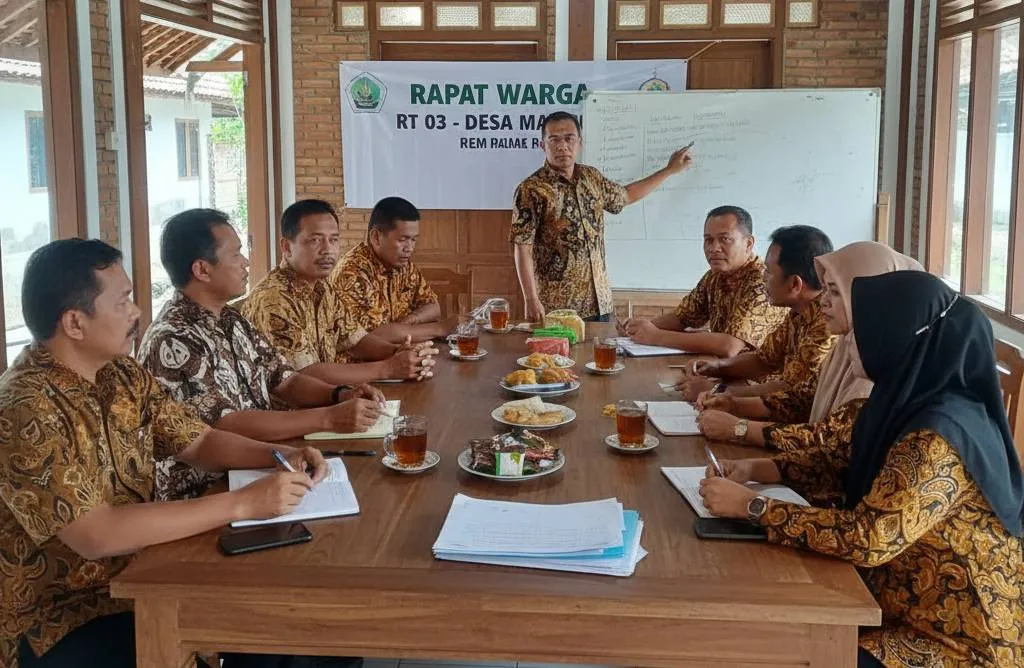
Understanding and Legal Basis for the Election of the RT Head (c) AI Illustration
Neighborhood Association (RT) is a community organization recognized and fostered by the government to maintain and preserve the values of Indonesian society. The election of the RT chairman is a democratic process at the smallest community level aimed at determining the leader who will coordinate the activities and interests of residents within an RT area.
The legal basis for the election of the RT chairman is generally regulated in the regional regulations of each district or city. Each region has the authority to establish procedures, requirements, and mechanisms for elections according to local conditions. This is in line with the principle of regional autonomy, which grants local governments the flexibility to manage government affairs in their areas.
The election of the RT chairman differs from the election of village heads or regional heads, which have more formal regulations. The election process at the RT level is more flexible and prioritizes deliberation and consensus. However, it must still adhere to the legal framework applicable in the local area to ensure the legitimacy and accountability of the elected leader.
The term of office for the RT chairman generally ranges from 3 to 5 years, depending on the applicable regional regulations. After the term ends, a re-election must be conducted to select the RT chairman for the next period or to provide an opportunity for other qualified candidates to run in the election.
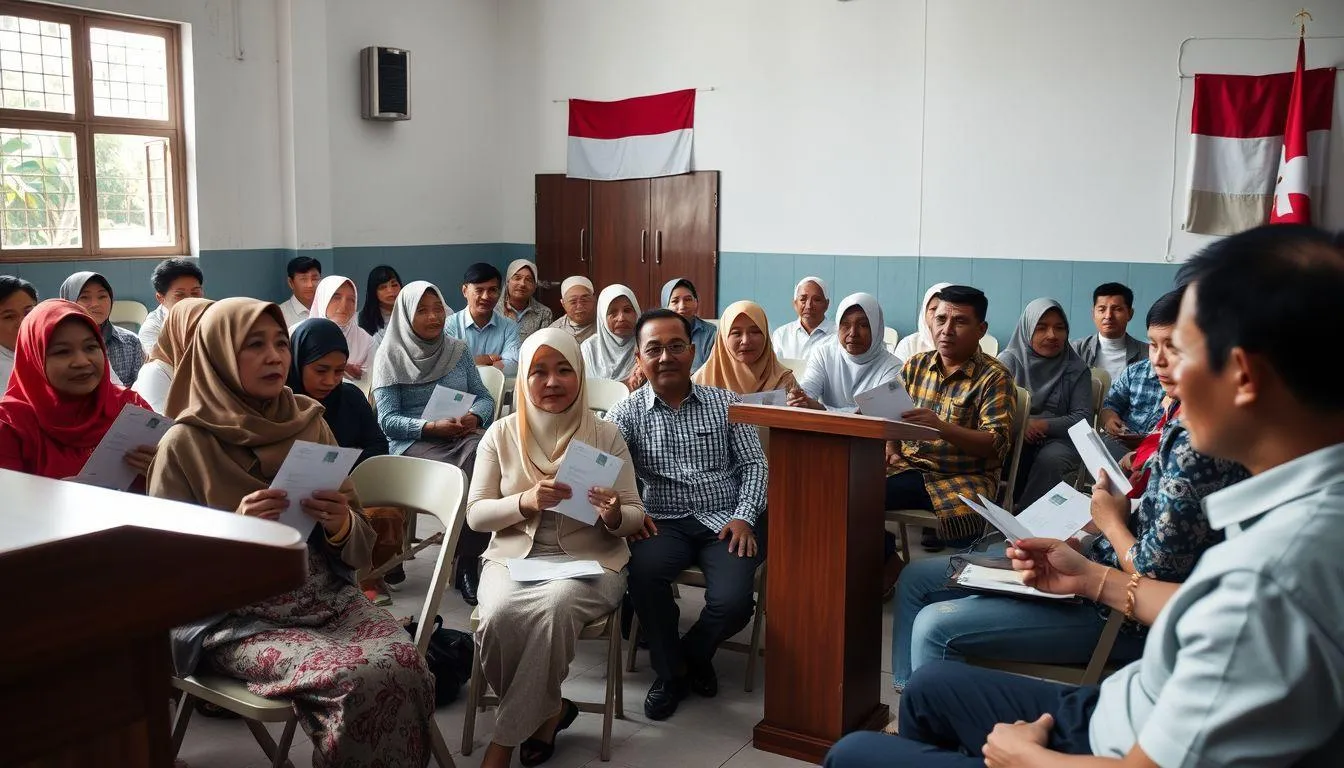
Requirements and Criteria for RT Head Candidates (c) AI Illustration
Before understanding how to elect the RT chairman, it is important to know the requirements that must be met by candidates. These requirements aim to ensure that the RT chairman candidates have the adequate capacity and integrity to carry out their duties and responsibilities.
In general, the requirements for RT chairman candidates include:
Additional requirements may be set by the local village or sub-district according to the needs and characteristics of the area. For example, some areas require candidates to have organizational experience or to have been active in community activities in the RT environment.

Stages of Preparation for the Election of the RT Chairman (c) AI Illustration
The preparation for the RT head election begins long before the voting day. This preparation stage is crucial to ensure that the election process runs smoothly, orderly, and democratically. Coordination between the outgoing RT officials, community leaders, and the village or sub-district authorities is key to the success of this stage.
The first step in the preparation is the formation of the election committee. This committee usually consists of community leaders, resident representatives, and may involve the currently serving RT officials. The committee is responsible for scheduling, organizing the technical implementation, conducting socialization to the residents, and receiving and verifying the candidates who register.
Socialization to the residents is an important part of the preparation. The committee must inform the election schedule, candidate requirements, nomination mechanisms, and voting procedures. Socialization can be done through written announcements, resident meetings, or communication media commonly used in the RT environment, such as WhatsApp groups or notice boards.
The next stage is the registration and verification of candidates. Residents interested in becoming RT head candidates can register by completing the specified administrative requirements. The committee then verifies the completeness of the documents and the validity of the requirements. This process must be conducted transparently and can be monitored by residents to maintain the credibility of the election.

Mechanism and Procedure for the Election of the RT Chairman (c) AI Illustration
In practice, many regions implement a voting system that involves prior deliberation. If the deliberation does not reach an agreement, a vote will be conducted. This approach reflects the values of local wisdom and mutual cooperation that are still upheld in Indonesian society.
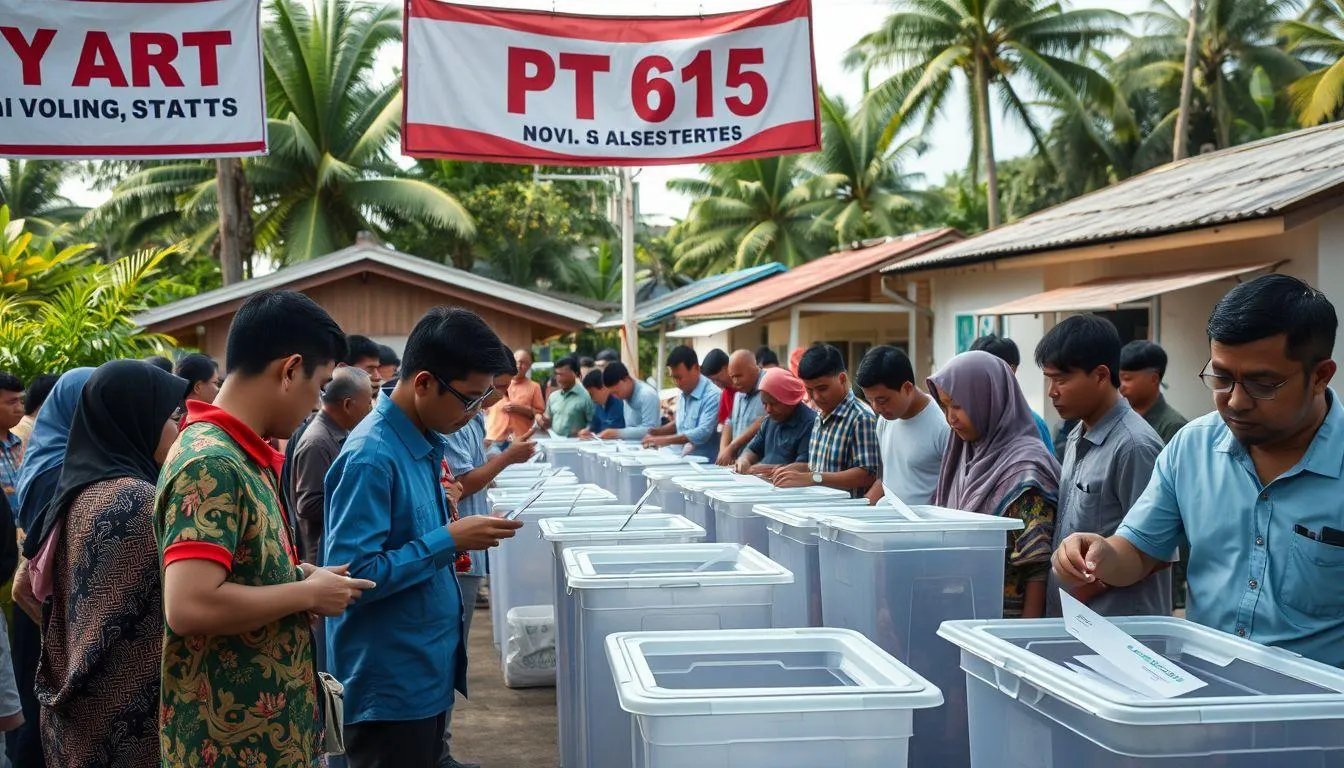
Rights and Obligations of Voters in the Election of the RT Chairman (c) AI Illustration
Every citizen registered as a resident in the RT area has rights and obligations in the process of electing the RT chairman. Understanding these rights and obligations is important to ensure meaningful and responsible participation in the democratic process at the community level.
The rights of voters in the election of the RT chairman include the right to vote for the candidate deemed most worthy, the right to be elected if meeting the requirements, the right to know information about the candidates and the election process, as well as the right to oversee the election to ensure it is conducted honestly and fairly. Every citizen who meets the age requirement, usually 17 years or older or already married, is entitled to cast their vote in the election.
The obligations of voters are no less important than the rights they possess. Citizens are obliged to attend the election forum according to the predetermined schedule, to use their voting rights wisely based on objective considerations, to maintain order during the election process, and to respect the results of the decisions made even if the supported candidate is not elected.
Active participation of citizens in the election of the RT chairman reflects an awareness of the importance of leadership at the community level. A high level of participation indicates that citizens care about the future of their environment and want to be involved in the decision-making process that will affect their daily lives.
To ensure the election is conducted democratically, citizens also have the responsibility to report any violations or fraud in the election process. Oversight from the citizens themselves is an effective social control mechanism to maintain the integrity of the election and ensure the election of leaders who are truly representative and trustworthy.
Understanding how to choose a neighborhood head (RT) is incomplete without knowing the duties and responsibilities that will be borne by the elected RT head. This knowledge is important for residents in determining the criteria for candidates to be chosen, as well as for the candidates themselves to prepare before running for office.
The main duty of the RT head is to coordinate community activities in their area, such as community service, social activities, and religious events. The RT head also acts as a mediator in resolving disputes or minor conflicts among residents before they are taken to a higher level. This mediation function is very important to maintain harmony and peace in the environment.
In terms of administration, the RT head is responsible for managing population data in their area, creating cover letters for various resident needs such as making ID cards, domicile certificates, or certificates of incapacity. The RT head also serves as a liaison between residents and the village government in conveying aspirations, complaints, or community needs.
The RT head also plays an important role in community development and empowerment. They are expected to identify potential and problems in their environment, as well as propose development programs that meet the needs of residents. In the context of empowerment, the RT head can initiate productive economic activities, health programs, or educational activities that benefit the residents.
Other responsibilities include maintaining security and order in the environment by coordinating with the police and local security units. The RT (neighborhood chief) is also responsible for ensuring the cleanliness of the environment is maintained, public facilities are well-kept, and government programs such as posyandu (integrated health service posts) or social assistance programs can be implemented effectively in their area.

FAQ (Frequently Asked Questions) (c) AI Illustration
The term for the RT chief generally ranges from 3 to 5 years, depending on local regulations. After the term ends, re-elections can be held, and the incumbent RT chief can run again if they meet the requirements and have the support of the residents.
The RT chief generally does not receive a fixed salary as this position is a form of community service. However, some regions provide allowances or honorariums as a form of appreciation for the dedication and time spent serving the residents.
All residents registered in the RT area and who are at least 17 years old or married are entitled to vote in the RT chief election. This voting right applies to all heads of households and family members who meet the age requirements.
If there is only one candidate who meets the requirements, the election can still be held by acclamation or approval from the residents through deliberation. Residents can approve or reject the sole candidate, and if rejected, the nomination process must be repeated to find another candidate.
The presence of the village office or village in the RT chairman election is not always mandatory, but it is highly recommended to provide legitimacy and ensure the process runs according to the rules. Some areas require the presence of a representative from the village office as a witness or supervisor in the election process.
If a dispute or objection arises regarding the election results, residents can submit their objections to the election committee or directly to the village office. Dispute resolution is generally conducted through deliberation involving community leaders and village officials to reach a fair solution.
The RT chairman can be dismissed before the term ends if they resign, are unable to perform their duties due to illness or other reasons, or commit serious violations. The termination must go through a clear mechanism with the approval of the citizens and the endorsement from the sub-district or village office, followed by the election of a replacement neighborhood head.
(kpl/fed)
Cobain For You Page (FYP) Yang kamu suka ada di sini,
lihat isinya
A complete guide to choosing the right body lotion for dry skin, from recognizing essential ingredients to care tips to keep the skin moist and healthy.
As the year 2026 approaches, senior comedian Opie Kumis chooses a different way to close out his year. Instead of a luxurious vacation, the man whose real name is Muchtar Luthfi is busy with social activities. Check out the full information below!

Serlina Shelley Soju is involved in a heated drama, ready to take legal action against the influencer for defamation of being a homewrecker.

A complete guide on how to choose good and fresh cucumbers for salads or side dishes. Learn tips for selecting quality cucumbers based on texture, color, and skin condition to avoid bitterness.

Amidst the issue of being Ridwan Kamil's mistress, this is Aura Kasih's response to Lisa Mariana's post.
Having not been seen on television or the big screen for a long time, senior actor Diding Boneng is apparently battling asthma. Check out the complete information regarding his health condition below!

It feels like an eternity waiting for the continuation of Jujutsu Kaisen, to witness the adventures of Yuji Itadori and friends in January 2026. While we wait, let’s take a moment to reminisce with one of the most memorable episodes from the first season.

A complete guide on how to choose good and quality purple sweet potatoes by paying attention to the skin, texture, color, and aroma for perfect processed results.

A complete guide on how to choose fresh shrimp by paying attention to color, texture, aroma, and the physical condition of the shrimp to produce quality dishes that are safe to consume.
Ria Ricis and her daughter, Moana, are enjoying a happy moment during their year-end holiday abroad. They spent 8 hours on the plane, here's their excitement!

A complete guide on how to choose the right condom size for your needs. Learn how to measure the penis, determine the right size, and important tips for optimal condom performance.

Before everyone knew, it turns out Safa Marwah had received a DM from Lisa Mariana who claimed to be pregnant by Ridwan Kamil, here is her confession.
