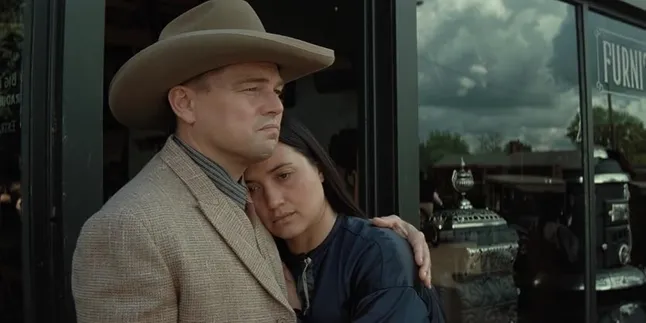
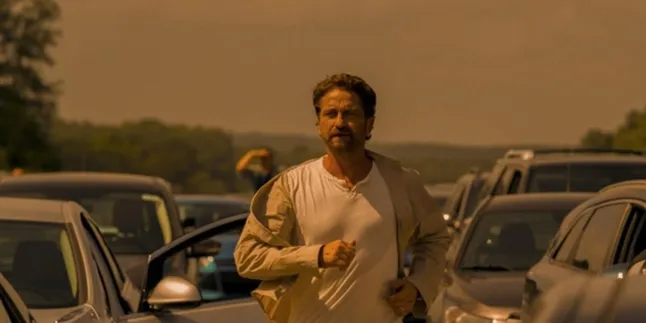
Extreme sports always have a different appeal compared to regular sports, because the stakes are not just about winning on paper, but rather life and the limits of human physical ability tested directly in the wild or on dangerous tracks. From giant waves that can drown anyone in seconds, steep cliffs without safety ropes, to racing cars speeding over 300 kilometers per hour, each film in this list showcases the most daring side of humanity that chooses to overcome its own fears.
This article summarizes the 27 best extreme sports-themed films divided into six major categories, ranging from surfing, rock climbing and mountaineering, skiing and snowboarding, skateboarding, BASE jumping, to extreme motorsports like Formula 1. Each film is accompanied by a brief synopsis and an explanation of the extreme elements that are its main attractions, helping to determine which viewing experience best suits your taste and desired adrenaline level.
1. Surfing
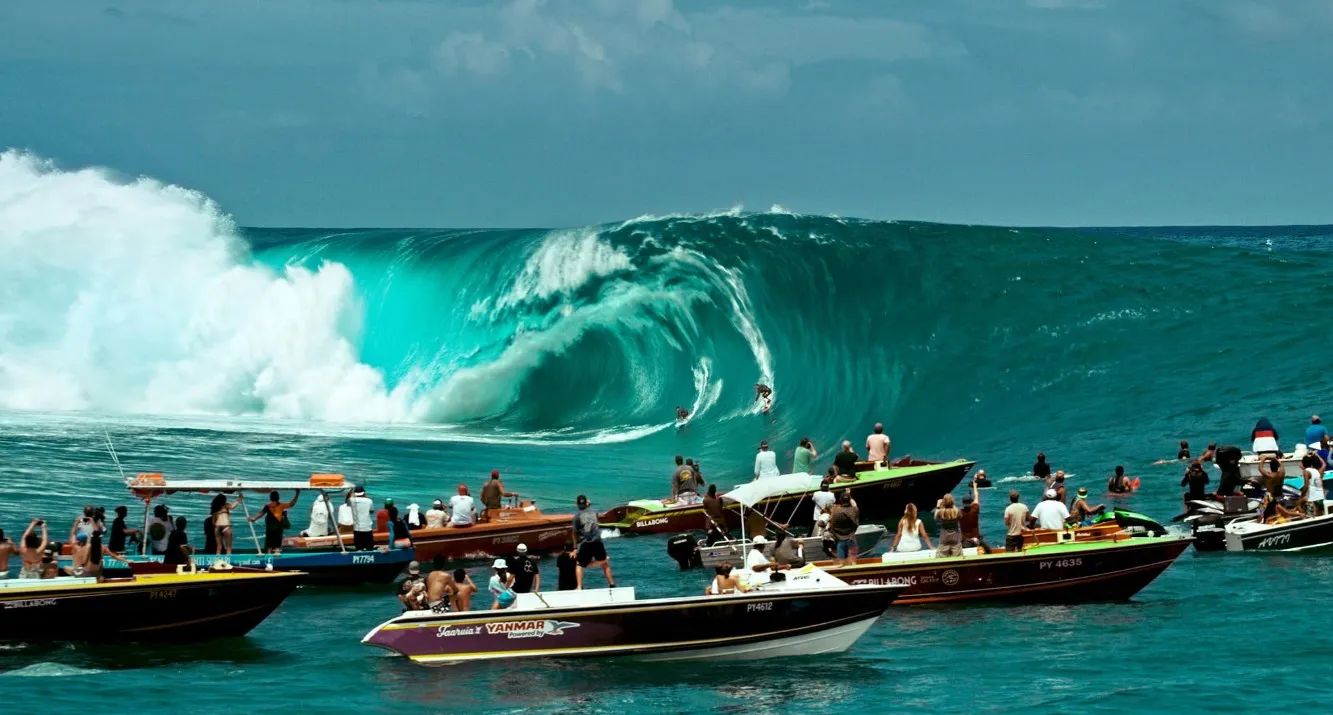
Point Break (2015) (imdb.com)
Point Break (1991)
This film tells the story of Johnny Utah, a young FBI agent who goes undercover as a surfer to infiltrate a gang of bank robbers disguised as former presidents, led by Bodhi, a charismatic surfer who sees surfing as a spiritual way of life. Throughout the investigation, Utah becomes increasingly bound to the extreme lifestyle of these surfers, making it difficult to distinguish between duty and soul calling.
The most extreme aspect of this film lies in the surfing scenes on the huge Pacific waves, filmed with minimal digital effects, showcasing the real risks when surfboards are hit by waves several meters high. The tension is heightened as the characters often make reckless decisions for adrenaline, not just to win competitions.
Point Break (2015)
This remake introduces the concept of the Ozaki Eight, eight extreme challenges that a group of athletes must complete to achieve perfect harmony with nature, ranging from surfing giant waves, snowboarding in snowy mountains, to wingsuit flying between steep cliffs. An undercover FBI agent in this group must follow each challenge to uncover the true motives behind their actions.
The extreme elements are much more varied compared to the 1991 version as it combines various dangerous sports disciplines into one narrative, including wingsuit scenes flying very close to cliff surfaces with no room for error. Each challenge is designed as a representation of the philosophy of "giving back" to nature in the most risky ways.
Blue Crush (2002)
This film tells the story of Anne Marie, a hotel waitress in Hawaii who harbors a big dream of becoming a professional surfer while juggling her job and intense training to face the legendary Pipeline waves. Past trauma from a surfing accident had made her hesitant, but her determination to compete in prestigious competitions remains strong.
The Pipeline waves, known as one of the most dangerous waves in the world, serve as the main extreme element, as the characters and real stunt teams have to face coral-layered waves that can cause serious injuries. The tension is built through a combination of personal drama and real physical risks in every training session.
Chasing Mavericks (2012)
Based on a true story, this film tells the journey of Jay Moriarity, a teenager who trains under the guidance of Frosty Hesson to conquer the Mavericks waves in California, one of the most intimidating surfing spots in the world. Lengthy training, strict discipline, and mental preparation are at the heart of the story before Jay finally takes on the giant waves.
The Mavericks waves are known for their heights that can reach several meters and the deadly underwater currents, making it one of the most dangerous big wave surfing locations globally. This film highlights the real risks of drowning and hypothermia that surfers face when trying to conquer such massive waves.
Soul Surfer (2011)
This film recounts the true story of Bethany Hamilton, a talented teenage surfer who lost her left arm due to a shark attack while practicing off the coast of Hawaii. Despite experiencing severe physical and psychological trauma, Bethany is determined to return to the surfboard and compete at the highest competitive level despite her physical limitations.
The extreme elements of this film are not only about the waves but also the real risks of sea predators lurking around surfers in open waters, coupled with the extraordinary physical challenge of regaining control of the surfboard without one arm. The combination of natural dangers and physical limitations makes the story even more thrilling.
North Shore (1987)
This film follows Rick Kane, an artificial wave surfer from Arizona who moves to North Shore, Hawaii, to prove his skills in front of the much more experienced and tough local surfing community. His journey is filled with social friction as well as lessons about respecting nature before trying to conquer it.
North Shore Oahu is known as one of the most extreme wave routes in the world with high waves and sharp coral bottoms, making every surfing scene in this film showcase the real risk of serious injury. The tension among local surfers adds psychological pressure beyond the physical dangers of the waves themselves.
Riding Giants (2004)
This documentary explores the long history of big wave surfing, from the pioneering era in Hawaii in the mid-20th century to the development of tow-in surfing techniques that allow surfers to conquer waves much larger than ever before. Interviews with surfing legends provide deep context about the evolution of this sport.
The extreme aspect lies in the original archival footage of surfers facing waves over several meters high without modern safety equipment like today, making the risk of drowning very real in every session. This documentary also highlights the lives lost in pursuit of the world's biggest waves.
2. Rock Climbing and Mountain Climbing
Everest (2015) (imdb.com)
Free Solo (2018)
This Oscar-winning documentary follows Alex Honnold as he prepares to climb the approximately 900-meter granite wall of El Capitan in Yosemite without ropes, harnesses, or any safety gear, an achievement that had never been done before in the history of rock climbing.
The film's extreme elements are very literal, as one small misstep in Honnold's foothold or handhold could result in instant death with no safety net whatsoever. The tension builds not only from the physical action but also from the incredible mental pressure that must be controlled throughout the solo ascent.
The Dawn Wall (2017)
This documentary tells the story of Tommy Caldwell and Kevin Jorgeson's struggle to climb the Dawn Wall route on El Capitan using free climbing techniques, where ropes are used only as safety in case of a fall, not to assist in climbing, on a route that was previously considered impossible to conquer without aid.
In addition to the risk of falling from hundreds of meters, the film highlights injuries to the fingers caused by sharp rock friction that must be endured during weeks of continuous climbing. Physical and mental endurance become elements as crucial as the danger of height itself.
Meru (2015)
This documentary follows three climbers, Conrad Anker, Jimmy Chin, and Renan Ozturk, in their attempt to conquer the Shark's Fin route on Meru Peak in the Himalayas, known as one of the most difficult climbing routes due to a combination of vertical ice walls and unpredictable extreme weather.
Extreme altitude forces the team to face oxygen shortages, freezing temperatures, and the risk of sudden snowstorms that could bury them at any moment during the climb. A serious injury suffered by one team member before the expedition adds to the weight of life-threatening risks on this journey.
Touching the Void (2003)
This film dramatizes the true story of two climbers, Joe Simpson and Simon Yates, who become trapped in a disaster while climbing the summit of Siula Grande in the Andes Mountains, Peru, until one of them must make the extreme decision to cut the rope to save himself.
Joe then has to crawl alone across the glacier terrain with a broken leg without food or water for several days to survive. The combination of severe injury, total isolation, and freezing temperatures makes this story one of the most extreme survival tales in the world of mountaineering.
Vertical Limit (2000)
This action film tells the story of a rescue team that daringly climbs K2, the second highest mountain in the world, which is much more dangerous than Everest, to rescue climbers trapped in a crevasse in critical condition due to a sudden snowstorm.
The extreme elements include ice explosions, crevasses that could collapse at any time, and the use of explosives as part of a high-risk rescue mission. K2 itself is known to have a much higher death rate among climbers than other mountains in the world.
Cliffhanger (1993)
This film follows Gabe Walker, a mountain guide who is forced to help a group of international robbers search for stolen money scattered in the Rocky Mountains, while also facing his personal trauma from a climbing accident that claimed his friend's life in the past.
The extreme altitude climbing scenes with cold weather and strong winds serve as the main backdrop throughout the film, along with dangerous physical confrontations occurring right at the edge of a steep cliff. The risk of falling from height looms as a constant threat in nearly every action scene in this film.
127 Hours (2010)
This film recounts the true story of Aron Ralston, a climber who becomes trapped in the remote Blue John Canyon, Utah, after his arm is pinned by a large rock that shifts unexpectedly, forcing him to survive alone for more than five days without help.
The limitations of water, food, and time ultimately lead Aron to make the most extreme decision to amputate his own arm using a dull pocket knife in order to escape from the rock's grip. Total isolation in a remote location becomes the main element of danger in this survival story.
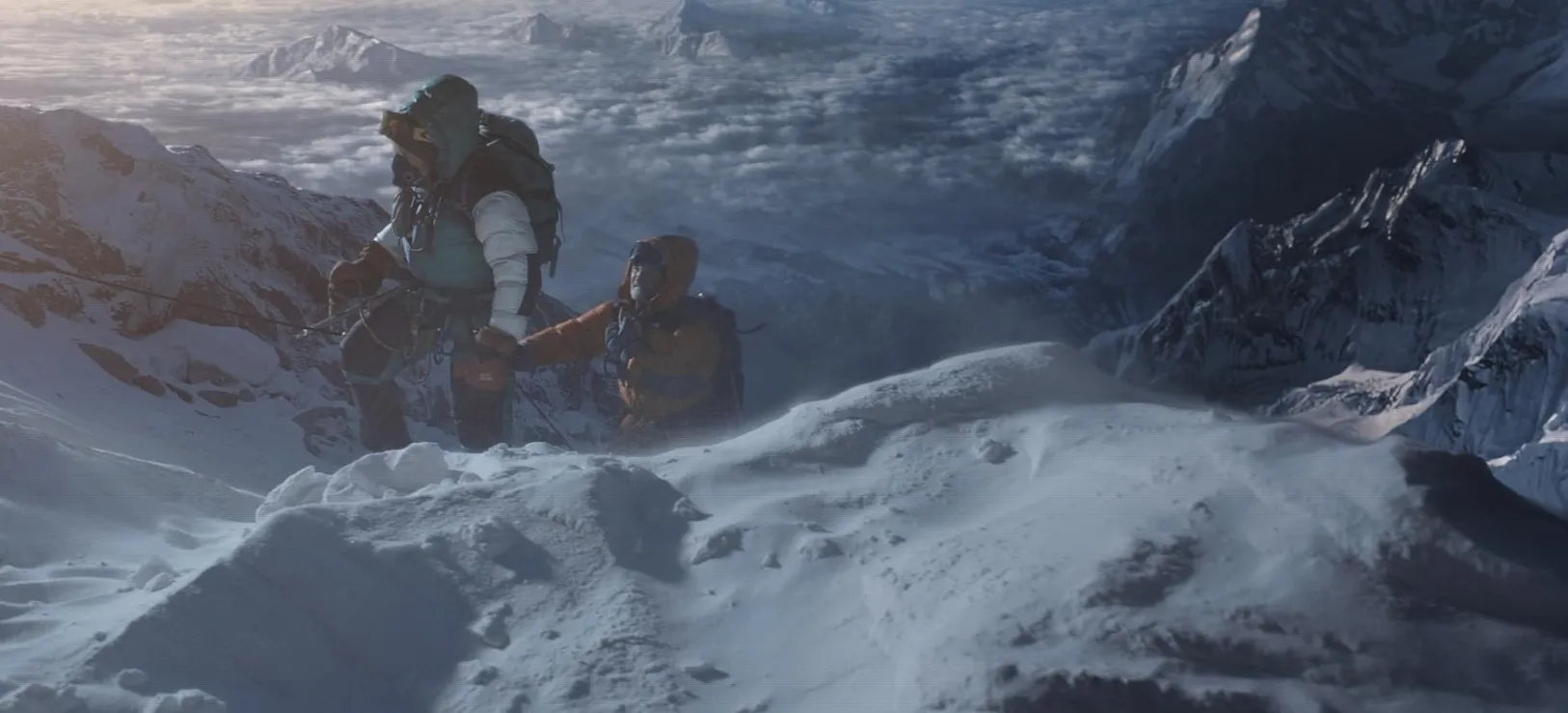
Everest (2015)
This film is based on the true tragedy of the 1996 Mount Everest climbing, telling the story of several commercial expeditions that climbed simultaneously and became trapped in a fierce snowstorm near the summit, resulting in the deaths of several experienced climbers in one of the most famous climbing disasters in history.
An altitude above 8,000 meters known as the death zone drastically deprives the human body of oxygen, compounded by a storm that reduces visibility to zero. The combination of hypoxia, hypothermia, and extreme fatigue makes this film a true depiction of how dangerous it is to climb the highest mountain in the world.
3. Skiing and Snowboarding
The Art of Flight (2011) (imdb.com)
The Art of Flight (2011)
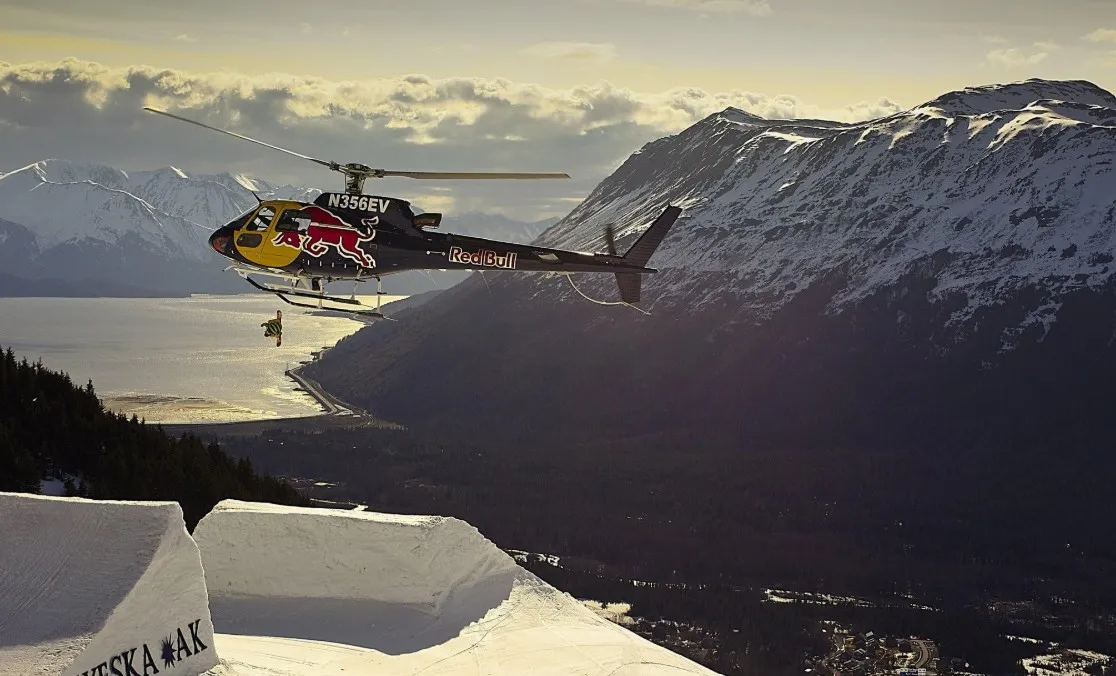
This documentary features a series of freeride snowboarding action in various extreme mountain terrains around the world, from Alaska to other remote mountains, with aerial cinematography showcasing the scale of danger posed by rarely explored steep snowy slopes.
The athletes in this film must face the risk of avalanches that can occur at any moment as they glide down steep slopes without pre-mapped trails. The reliance on helicopters to reach remote peaks adds another layer of risk to the film's production.
Into the Mind (2013)
This documentary explores the psychological side of freeride ski and snowboard athletes as they face the most extreme mountain slopes, combining stunning visuals with reflective narration about why they are willing to risk their lives for a single perfect run in the high mountains.
The terrains chosen in this film often have extreme slopes and high avalanche risks, making every shot require very strict calculations of weather and snow conditions. The psychological tension of the athletes before descending becomes as significant an element as the physical dangers of the slopes themselves.
Aspen Extreme (1993)
This film follows two friends who move to Aspen, Colorado, to become ski instructors while diving into the glamorous yet dangerous lifestyle of the high-end ski resort world, complete with competition among instructors and the temptations of nightlife lurking nearby.
Several off-piste ski scenes on steep slopes showcase the real risks of slipping or being buried in snow, especially as characters attempt to perform dangerous tricks to win clients' hearts or prove themselves. The combination of high speed and unpredictable terrain becomes the main source of tension in this film.
Out Cold (2001)
This comedy film tells the story of a group of snowboarders trying to save their beloved mountain from a new resort developer's plans to turn it into a luxury tourist destination, complete with various silly antics and snowboarding competitions among them.
Although wrapped in comedy, this film still showcases snowboarding action on steep slopes and high-risk aerial tricks that require real skill from both the cast and stunt doubles. High-speed gliding between trees and snowy cliffs becomes a consistently extreme element throughout the film.
4. Skateboarding
Dogtown and Z-Boys (2001) (imdb.com)
Lords of Dogtown (2005)
This film tells the story of a group of teenagers from Venice Beach who are part of the Zephyr team and revolutionize the world of skateboarding with an aggressive style inspired by surfing, transforming the sport from a mere street hobby into a widely recognized global cultural phenomenon.
These teenagers often perform dangerous tricks in empty swimming pools and steep concrete terrains without adequate protection, following the habits of the 1970s, making the risk of head injuries and broken bones very high. This reckless style of play without boundaries is the core of the extreme elements in this film.
Dogtown and Z-Boys (2001)
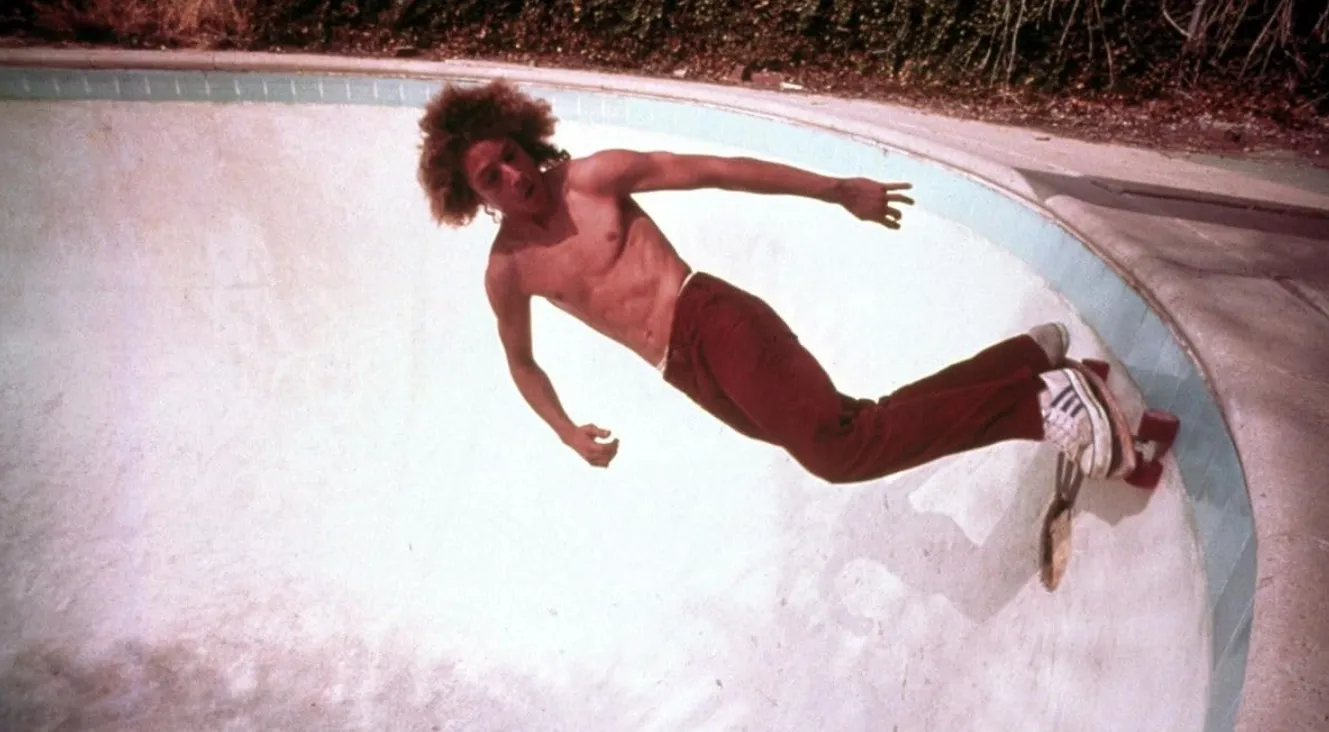
This documentary recounts the story of the Zephyr team that changed the face of skateboarding through aggressive play in the empty swimming pools of California residents during the dry season, making aerial tricks and high speed the new identity of this street sport.
The lack of standard protective gear during that era made every trick performed by the athletes high-risk for serious injury, especially as they began experimenting with aerial tricks on the steep and hard pool edges. This documentary highlights reckless bravery as the foundation of modern skateboarding culture.
Gleaming the Cube (1989)
This film follows a teenage skater who investigates the mysterious death of his adopted brother while continuing to use his skateboarding skills to escape danger and gather important clues in various risky urban locations.
Chase scenes using skateboards on downhill streets, stairs, and construction areas showcase dangerous tricks performed at high speeds without adequate protection. The combination of a detective thriller with extreme skateboarding action makes this film unique compared to other skateboarding films.
5. Jumping and Wingsuit
Sunshine Superman (2014) (imdb.com)
Sunshine Superman (2014)
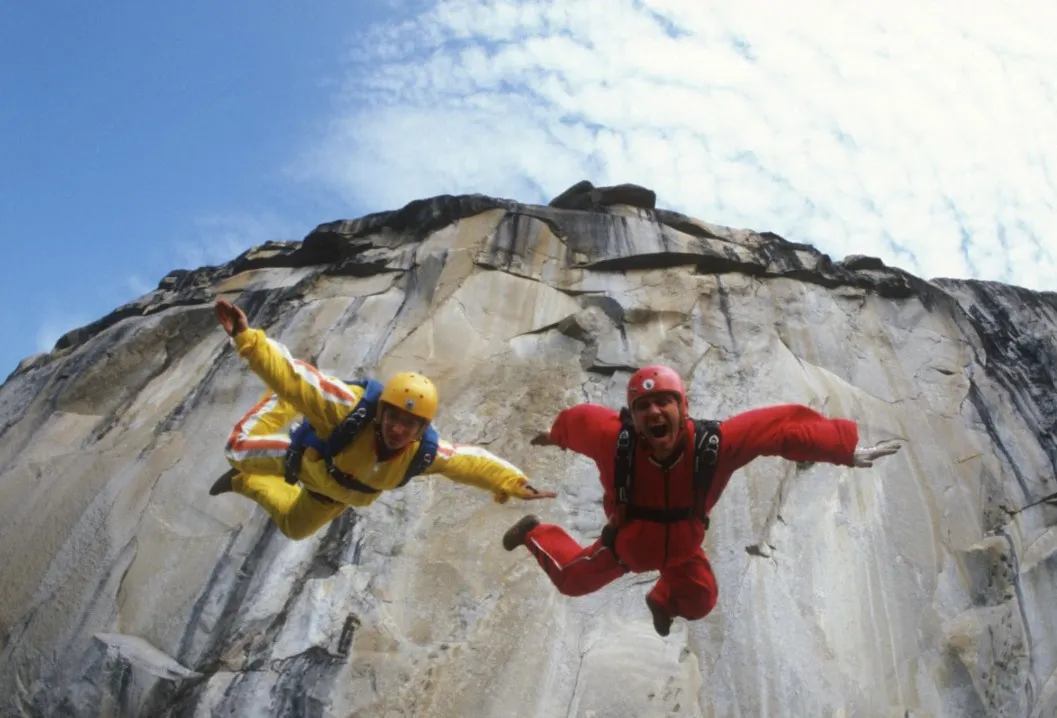
This documentary tells the story of Carl Boenish, a pioneer of BASE jumping who recorded his jumps from steep cliffs and tall buildings using a personal camera, making him one of the most influential figures in the history of this extreme sport.
BASE jumping is known as one of the deadliest sports in the world because parachutes only open at very low altitudes with no room for any technical mistakes. The film also showcases the real risks that Carl himself faced during one of his final jumps.
xXx (2002)
This action film tells the story of Xander Cage, a former extreme sports athlete recruited by an intelligence agency to infiltrate an international criminal network, utilizing his skills in various disciplines such as snowboarding, wingsuit flying, and motocross as part of his espionage activities.
The wingsuit flying scenes between narrow canyons and snowboarding down steep snowy slopes at high speeds are the highlights of the film's extreme elements. The combination of espionage action with dangerous sports creates a double tension between human threats and the physical risks of the sport itself.
6. Extreme Motorsport

Senna (2010) (imdb.com)
On Any Sunday (1971)
This classic documentary showcases the world of motocross and off-road racing from various backgrounds, ranging from amateur to professional riders, highlighting the passion and community that formed around this high-risk motorcycle sport in the 1970s.
Mud-soaked off-road tracks, steep climbs, and airborne jumps become the main extreme elements showcased, with the risk of serious injury from falling off motorcycles at high speeds on uneven terrain. This documentary also inspired the popularity of motocross as an extreme sport worldwide.
Senna (2010)
This documentary tells the career journey of Ayrton Senna, the Brazilian Formula 1 legend, from his debut to his fierce rivalry with Alain Prost, compiled entirely from original archival footage without conventional interviews, making it feel very personal and raw throughout its duration.
The speed of F1 cars exceeding 300 kilometers per hour with very thin safety margins becomes the main extreme element, especially since the film culminates in the tragic fatal accident of Senna at Imola in 1994. The lack of safety standards in that era made every race feel like a gamble with life.
Rush (2013)
This film dramatizes the real rivalry between F1 drivers Niki Lauda and James Hunt throughout the 1976 season, showcasing their contrasting characters, Lauda being calculated and disciplined versus Hunt being flamboyant and daring, in the battle for the world championship.
The peak tension of this film occurs during Lauda's horrific accident at Nürburgring, which left his car engulfed in flames, yet he daringly returned to racing just a few weeks after the incident. The extreme speed without many modern safety devices made this era one of the most dangerous times in F1 history.
7. Questions and Answers About Extreme Sports Movies
What is the best extreme sports movie of all time? Free Solo (2018) is often considered one of the best because it features real rock climbing without safety gear.
Is Senna considered an extreme sports movie? Senna is more accurately described as motorsport, but it remains relevant because classic F1 carries a very high fatal risk.
What movie features the most extreme big wave surfing? Chasing Mavericks and Riding Giants detail the most dangerous big wave surfing in the world.
Are these films based on true stories? Most of them, like Free Solo, Meru, Touching the Void, 127 Hours, Everest, Senna, and Rush, are based on true stories.
What extreme sports are most often adapted to the big screen? Rock climbing and mountain climbing are most often adapted due to their high and visually dramatic fatal risks.
8. 8. 14 Peaks: Nothing Is Impossible (2021)
14 Peaks: Nothing Is Impossible is an astonishing documentary about the truly legendary mountaineering achievement of Nimsdai Purja, a Nepalese Sherpa who successfully conquered 14 of the highest mountains in the world in less than 7 months, breaking the previous record of 7 years and forever changing the understanding of what is possible in high-altitude mountaineering. The film follows Nimsdai on his relentless adventure from Everest to K2 to Kangchenjunga and other high peaks, showcasing how he continuously pushes his body to extremes at altitudes where oxygen is scarce and the cold can freeze a person in minutes if exposed for too long. The most extreme aspect of this film is the psychological and physical toll taken on Nimsdai and his team, as they must constantly push their boundaries and take increasingly greater risks to complete 14 summits in a highly compressed timeframe, with minimal rest between expeditions and a constant threat from avalanches, falling ice, and altitude-related illnesses that can kill even the most experienced athletes.
This documentary also highlights how Nimsdai uses this journey not only to achieve personal glory but also to raise awareness about environmental issues on Everest and to inspire the younger generation of Nepal to pursue their dreams at the highest levels, showing that mountaineering is not just about ego but also about making a positive difference in the world. The film captures extraordinary moments of triumph as Nimsdai reaches each summit, but it also showcases serious struggles and moments when he almost gives up due to exhaustion, injury, and the psychological pressure of this monumental quest. 14 Peaks is an inspirational story about human determination, perseverance, and the ability to achieve the seemingly impossible when one has a clear vision, exceptional skill, and unwavering commitment to push the boundaries of what is considered achievable in the sport of mountaineering, making it one of the most thrilling and uplifting sports documentaries available.
9. 9. Race to the Summit (2023)
Race to the Summit is a thrilling competitive documentary about an international mountaineering race where the best athletes from various countries compete to climb the highest peak in the fastest time, presenting a unique twist on traditional mountaineering by adding elements of competition and intense urgency to an activity that is normally done at a slower pace. The film showcases how climbers must balance speed and safety, where pushing too hard to reach the summit in record time can result in altitude sickness, exhaustion, and poor decision-making that can have fatal consequences, while moving too slowly can mean failure to complete the challenge within the set time limit. The most extreme aspect of Race to the Summit is how the competitive nature of the race adds tremendous psychological pressure on athletes who are already dealing with the extreme physical demands of high-altitude mountaineering, creating situations where critical decisions must be made in seconds with imperfect information and extreme fatigue affecting judgment.
This documentary explores how modern technology, improved training methods, and a better understanding of high-altitude physiology have enabled modern mountaineers to achieve feats previously considered impossible, but also how the increased commercialization of mountaineering has changed the character of the sport in ways that are sometimes concerning. Race to the Summit showcases how climbers from diverse backgrounds and nationalities come together to pursue a shared goal, creating compelling narratives about perseverance, rivalry, and human connection across cultures and boundaries, demonstrating that mountaineering ultimately remains about personal challenge and pushing one's own limits even in the context of international competition. This film is a testament to the incredible athleticism, mental toughness, and dedication required to compete at the highest level of mountaineering, making it essential viewing for anyone interested in extreme sports documentaries that showcase the cutting edge of human achievement in the most unforgiving environments on this planet.
10. 10. Riding Giants (2004)
Riding Giants is a landmark documentary that introduces audiences to the fascinating subculture of big wave surfing, telling the evolution of the sport from its beginnings to the modern era through the eyes of legendary surfers who have dedicated their lives to riding waves the size of buildings and facing the truly overwhelming forces of nature. The film features stunning archive footage, interviews with pioneers like Greg Noll and Jeff Clark, and combines it all with compelling narration by Stacy Peralta to create a comprehensive and entertaining portrait of the big wave surfing culture that has captured the imagination of millions worldwide. The most extreme aspect of Riding Giants is the sheer scale of the waves shown in the film, with some waves reaching heights of 60+ feet, creating scenarios where a single mistake or slightly off timing can result in a surfer being battered by millions of pounds of moving water that can break bones, damage internal organs, and cause unavoidable drowning. The documentary also showcases how big wave surfers must develop relationships with specific spots, spending years studying wave patterns, tide conditions, and weather to understand how to best approach each wave with maximum safety and effectiveness.
Riding Giants explores the psychology of surfers who are drawn to big waves despite the obvious dangers, examining their motivations, fears, and how they process and manage the adrenaline rush that comes from riding massive waves, often with few precautions and rescue personnel available. The film is a celebration of human courage and obsession with a sport that uniquely combines elements of athleticism, artistry, and pure adventure, showing that big wave surfing remains one of the most dangerous of all sports in the world, but also one of the most rewarding for those who are passionate enough to pursue it despite the enormous and sometimes unbearable risks to their own lives.
11. 11. 180° South (2010)
180° South is a stunning adventure documentary that follows a photographer and adventurer on his journey to South America to pursue a unique combination of surfing, climbing, and general exploration in some of the most remote and beautiful locations in the world, creating a film that combines breathtaking cinematography with intimate personal storytelling about the pursuit of adventure and connection with nature. The film showcases how modern explorers can trace the footsteps of legendary adventurers who came before them, while also bringing their own unique perspectives and challenges specific to the contemporary era, creating a layered narrative about what it means to pursue meaningful adventure in an increasingly crowded and developed world. The most extreme aspect of 180° South is the combination of various high-risk activities undertaken by the filmmaker and subjects, including surfing in remote Indonesian breaks with dangerous sea creatures and unpredictable weather, climbing with significant exposure and falling rock hazards, and navigating through remote areas where rescue assistance is nearly impossible to access if something goes wrong.
This documentary also explores environmental themes about the impact of human activity on pristine natural environments, and how adventurers and content creators must balance their desire to document and share experiences with their responsibility to protect the places they visit from over-tourism and degradation, creating thought-provoking conversations about sustainability in the adventure sports industry.
12. 12. North of the Sun (2012)
North of the Sun is a unique and atmospheric documentary about two Norwegian surfers who decide to spend nine months on a remote Arctic island to pursue their passion for surfing in conditions that are truly extreme and isolated from the rest of the world. The film showcases how Inge Wegge and Jørn Ranum build their shelter from driftwood and scrap materials, living in complete isolation while waiting for ideal wave conditions that may come only a few times during their entire nine-month period on this harsh island. The most extreme aspect of North of the Sun is the combination of total physical isolation, extreme weather conditions including freezing temperatures and storms that can kill exposure in a matter of minutes, and the psychological challenge of spending months in near-darkness with minimal human contact, testing not only the physical endurance but also the mental resilience of these two surfers. The film also highlights how surfers must maintain their equipment in extreme conditions, deal with injuries and illnesses without access to medical care, and manage the frustration of waiting for perfect waves while struggling with the cold, hunger, and constant boredom of isolated existence.
This documentary is a unique blend of adventure film, meditation on solitude and human connection with nature, and an examination of what drives people to sacrifice comfort and safety in pursuit of a consuming passion, creating a film that is not just about surfing but about the human spirit and the desire to challenge the boundaries of what is possible when one is willing to embrace discomfort and extreme risk.
13. 13. The Deepest Breath (2023)
The Deepest Breath is a disturbing and emotionally devastating documentary about free divers Stephen Keenan and Alessia Zecchini as they pursue their ambition to explore the deepest and most dangerous parts of the Blue Hole in Dahab, Egypt, a place that has claimed many lives and is ominously known as a "diving graveyard" by the diving community due to the extreme dangers associated with diving at these extreme depths. The film showcases the intense preparation, training, and psychological conditioning required to free dive at depths where pressure can crush the human body, oxygen deprivation can cause hallucinations and loss of consciousness, and complete darkness can trigger powerful primal fears even in the most experienced divers. The most extreme aspect of The Deepest Breath is the inherent danger of free diving itself, where divers deliberately deprive themselves of oxygen and expose their bodies to extreme pressure, with only seconds to react if something goes wrong and with minimal margin for error before brain damage or death becomes the inevitable outcome of miscalculation or bad luck. The documentary also highlights the romantic relationship that develops between these two divers, adding a layer of emotional complexity to the film as the audience realizes that their pursuit of extreme diving dreams has potentially devastating consequences not only for themselves but also for the people who love them and depend on them.
The Deepest Breath is a powerful reminder of the dangers of extreme sports and the importance of respecting the limits of the human body, telling a beautiful yet tragic story about people who pushed the boundaries a little too far in their pursuit of ultimate diving achievement.
14. 14. Facing Monsters (2021)
Facing Monsters is a powerful documentary about a big wave surfer who faces personal demons and physical challenges while pursuing a passion for surfing on some of the most dangerous waves in the world, using the sport as a metaphor for confronting fears and overcoming psychological obstacles that have held them back in their lives. The film features stunning footage of massive waves, intense action sequences of actual surfing in dangerous conditions, and intimate interviews that reveal the emotional journey of surfers who use extreme sports as a means to process trauma and find healing through adrenaline rush and connection with nature. The most extreme aspect of Facing Monsters is the combination of the physical dangers of big wave surfing, where surfers can drown, get hit by boards, or be buried under tons of crashing water, with the psychological dangers of confronting personal fears and traumas that the surfing activity helps bring to the surface, creating a documentary that operates on multiple levels about fear and how humans deal with dangerous situations.
This documentary also explores mental health within the extreme sports community, examining how thrill-seeking and adrenaline-pumping activities can serve as a healthy outlet for processing emotions but can also become obsessive and self-destructive if not properly managed and balanced with healthy support systems.
15. 15. The Art of Flight (2011)
The Art of Flight is a visually stunning and technically impressive snowboarding film, featuring professional snowboarders like Travis Rice, Scotty Lago, Pat Moore, and Bjorn Leines as they navigate through some of the world's most challenging and beautiful terrain, including massive mountain ranges, steep couloirs, and untouched powder fields that stretch for miles in complete isolation. The film was produced with an approximate budget of $2 million and features truly breathtaking cinematography, combining drone footage, aerial cinematography from helicopters, and ground-level shots to create an immersive and spectacular visual experience, showcasing the innovative and creative riding of athletes who are pushing the boundaries of what is possible in the sport. The most extreme aspect of The Art of Flight is the combination of steep terrain that snowboarders ride, with slopes approaching 60+ degrees, creating the potential for catastrophic falls that result in serious injuries or death, along with avalanche dangers, exposure to cliffs, cold extremes that can quickly turn dangerous, and the remoteness of locations that often make rescue assistance impossible if accidents occur.
This documentary also explores the darker side of extreme sports by mentioning accidents and fatalities of other riders who have pursued similar activities, including the tragic death of pioneering freeskier Sarah Burke, serving as a sober reminder of the real risks associated with pushing boundaries in extreme winter sports, and examining the motivations of athletes who continue to pursue dangerous activities despite being well aware of the dangers that await.
16. 16. The Crash Reel (2011)
The Crash Reel is an emotionally powerful documentary about professional snowboarder Kevin Pearce, a talented athlete who suffered a devastating brain injury in a training accident in 2009, and the subsequent journey of recovery, rehabilitation, and psychological adaptation in facing the new reality of life with significant neurological damage that has fundamentally altered his capabilities and identity. The film features archival footage of Kevin before the accident that shows him as a vibrant, ambitious athlete in intense competition with Shaun White for the status of the best snowboarder in the world, and then follows his struggle to relearn basic functions and adapt to new limitations in his daily life. The most extreme aspect of The Crash Reel is not just about the initial injury but about the ongoing psychological and emotional toll of living with the consequences of pursuing extreme sports that has resulted in permanent disability, examining the mental health aspects of recovering from traumatic injury and the importance of family support in navigating the aftermath of tragedy in extreme sports.
This documentary also serves as a critical examination of the inherent risks in competitive snowboarding and other extreme sports, questioning whether the pursuit of athletic glory and sponsorship deals justifies the massive health risks that athletes take, and exploring how the industry profits from athletes while often providing minimal support if they suffer career-ending injuries, making The Crash Reel a powerful critique of the commercialization of the extreme sports industry.
17. 17. McConkey (2013)
McConkey is a tribute documentary to skiing and BASE jumping legend Shane McConkey, a pioneering athlete who revolutionized the sport of ski BASE jumping with innovative techniques and a fearless approach to combining skiing and skydiving in ways that nobody had successfully attempted before, creating an entirely new discipline that required mastery of multiple extreme sports simultaneously. The film features Shane in action as he navigates steep cliffs, jumps from mountain faces with skis attached to his feet, performs breathtaking aerial maneuvers, and deploys his parachute in critical moments to land safely in incredible ski descents that combine elements of skiing, skydiving, and BASE jumping in a single spectacular run. The most extreme aspect of McConkey is the inherent dangers of ski BASE jumping itself, where a single mistake or equipment malfunction can result in catastrophic failure of parachute deployment or collision with rock formations, leaving no options for recovery and virtually guaranteeing death if something goes wrong in the critical moments of the jump or landing sequence.
This documentary also explores the psychological profile of athletes like Shane who are willing to take seemingly irrational risks in pursuit of pushing boundaries, featuring interviews with friends, family, and fellow extreme athletes who attempt to understand the motivations of those who are willing to risk their lives to achieve feats that last only a few minutes but consume their lives in pursuit and preparation.
18. 18. Fly (2024)
Fly is a contemporary documentary about the BASE jumping and wingsuit flying community that captures extreme aerial sport in its most technical and dangerous iterations, featuring athletes from around the world who dedicate their lives to flying through the air with wingsuits and jumping from cliffs, buildings, and helicopters with parachutes that only partially deploy or sometimes completely fail, resulting in scenarios that are terrifying and often fatal. This film provides intimate access to this community, following couples who share a passion for this sport and examining how relationships can survive or break under the strain of pursuing activities that are constantly threatening to the lives of partners, creating human drama that runs parallel to the breathtaking extreme action sequences. The most extreme aspect of Fly is the fundamental danger of BASE jumping and wingsuit flying, where multiple failure points in equipment, technique, or judgment can result in a rapid descent to earth that is fatal, with seconds to react and minimal options for recovery once something goes wrong in the deployment or trajectory of the jump.
This documentary also explores how communities of BASE jumpers and wingsuit fliers support one another while simultaneously dealing with the regular losses of fellow athletes when accidents happen, examining the psychological resilience and compartmentalization required to continue pursuing this sport after witnessing the deaths of people they know and care about, making Fly a profound study of human psychology and how extreme athletes reconcile with the realities of pursuing activities that are statistically dangerous and often fatal.
19. 19. Skywalkers: A Love Story (2024)
Skywalkers: A Love Story is a thrilling documentary about Russian rooftopper couple Ivan Beerkus and Angela Nikolau, two climbers who scale the world's tallest buildings and structures without safety equipment, dangerously balancing on ledges and roofs at extreme heights, creating content for social media that captures breathtaking aerial photography and death-defying acrobatic stunts on the edge of the world's most iconic skyscrapers. The film features stunning drone footage of their climbs, intimate moments of the couple whose connection with each other is strengthened by absolute trust and a shared passion for rooftopping, and an examination of how social media culture motivates athletes to push boundaries further and further to gain attention and followers in an increasingly competitive digital landscape. The most extreme aspect of Skywalkers is the combination of the tremendous heights they climb, exposure to falls from hundreds or thousands of feet, the illegal nature of the activity which means no support from authorities or rescue personnel if accidents occur, and the psychological pressure of performing acrobatic stunts that require precision and balance on the edge of very literal cliffs with zero safety margins or recovery options if something goes wrong.
This documentary also showcases the tragic consequences of rooftopping culture, with visual reminders of deaths that occur within this community, serving as a stark reminder of the real dangers associated with this activity even for the most experienced and talented practitioners, making Skywalkers both an inspiring and deeply sobering meditation on the risks inherent in the pursuit of social media fame and extreme adventure content creation.
20. 20. Senna (2010)
Senna is a revolutionary animated documentary about legendary Formula 1 driver Ayrton Senna, a Brazilian racer who revolutionized the sport of motorsports with his aggressive driving style, relentless pursuit of championships, and willingness to take extreme risks to achieve victory every time on dangerous circuits at speeds approaching 200 mph. The film features clips from actual races, interviews with people who knew Senna, and a layered narrative that explores how Senna's personality, ambition, and competitive fire drove him to push the boundaries of what is possible in motorsport, but also ultimately contributed to the tragic circumstances that resulted in his death in 1994 after a massive crash on the racetrack. The most extreme aspect of Senna is not just about the extreme speeds and technical demands of piloting a Formula 1 car but about the psychological intensity of competition in a sport where a single moment of inattention or slight mechanical failure can result in a fatal crash, with drivers traveling at speeds where human reaction time is almost insufficient to avoid accidents if something unexpected happens on the track.
This documentary explores how Senna's legacy in motorsports remains unmatched, with an examination of how his pursuit of perfection and willingness to risk his life to achieve ultimate victory sets a standard for future generations of racing drivers, while also serving as a tragic reminder of the real costs of extreme competition in sports where fatality is not a distant possibility but a constant threat that is always present in the back of the mind of every driver competing at the highest levels of the sport.
Q1: What is the best extreme sports film for beginners who have never watched this genre before A: Start with Free Solo because of its clear narrative, stunning cinematography, and easily understandable concept of someone climbing without ropes.
Q2: What is the saddest or most tragic extreme sports film A: The Crash Reel and Touching the Void showcase the very real consequences of pursuing extreme sports with devastating outcomes for the athletes involved.
Q3: Which film is the most visually stunning and has the best cinematography A: The Art of Flight and Meru are renowned for their incredible cinematography and breathtaking visual storytelling.
Q4: Are there any films that combine multiple extreme sports in one documentary A: 180° South features a combination of surfing, climbing, and general adventure in a cohesive and engaging adventure.
Q5: What is the most recent and current film in terms of production quality A: Skywalkers: A Love Story and Fly from 2024 showcase the most cutting-edge production values and modern cinematography techniques.
Q6: Which film is best for understanding the psychology of extreme athletes A: Free Solo and Senna deeply explore the motivations and psychological makeup of athletes who are willing to take extreme risks.
Q7: Are there any documentaries that focus on the environmental or ethical aspects of extreme sports A: Sherpa and 180° South discuss exploitation, sustainability, and ethical considerations in the adventure sports industry.
Q8: Which film is the most inspiring and uplifting without tragic outcomes A: 14 Peaks: Nothing Is Impossible and The Dawn Wall are triumphant stories about human achievement and perseverance.
Q9: What film showcases the strongest teamwork and human connection A: The Dawn Wall, Meru, and Skywalkers: A Love Story explore relationships and collaboration among athletes in pursuing extreme goals.
Q10: Which of these 20 films is the most difficult or disturbing to watch A: The Deepest Breath and The Crash Reel can be emotionally challenging due to the tragic circumstances and devastating consequences depicted.
(kpl/ank)
Disclaimer: This translation from Bahasa Indonesia to English has been generated by Artificial Intelligence.


 Follow
 Rekomendasi