

 Follow
 Rekomendasi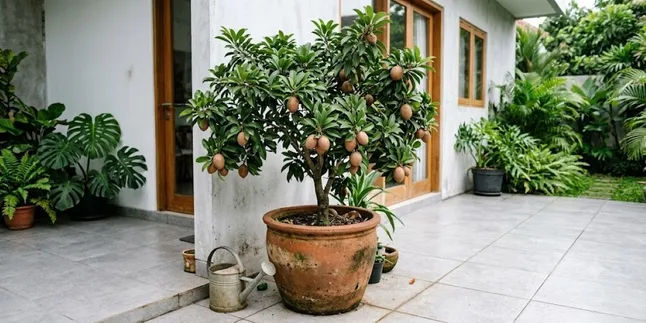
4 Ways to Grow Sapodilla in a Pot to Keep It Short and Fruit Quickly, Suitable for Small Spaces
Want sapodilla to thrive in a small space? This method of planting sapodilla in a pot to keep it short can be tried directly at home.
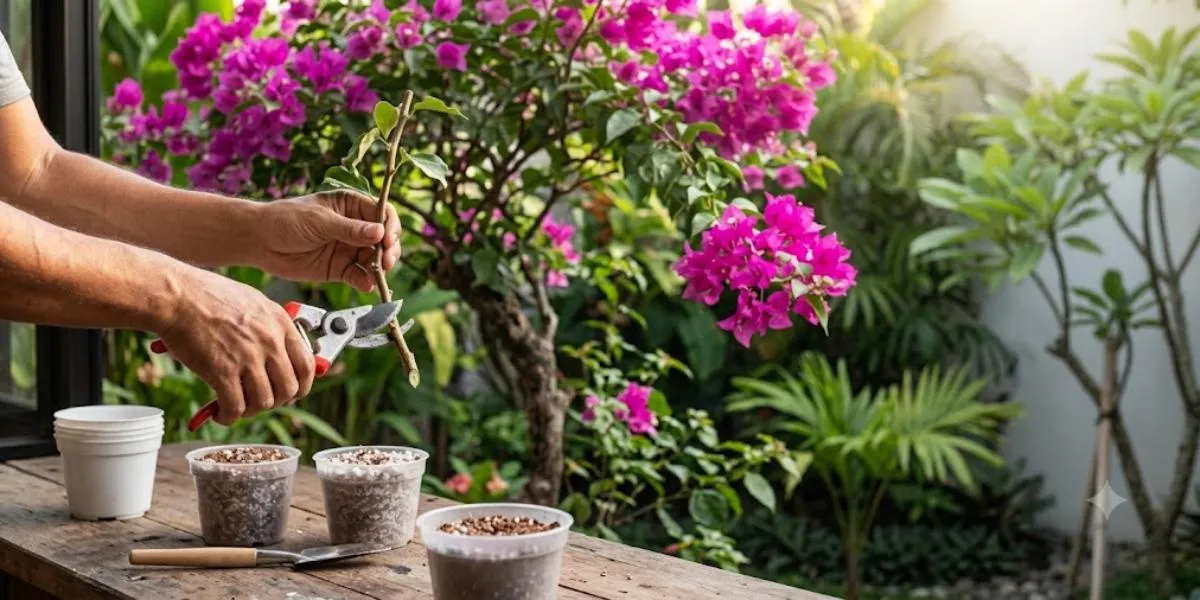
Kapanlagi.com - How to plant bougainvillea flowers from cuttings has become one of the most chosen plant propagation techniques because it is practical, cost-effective, and has a high success rate. The stem cutting method also allows new plants to have the same characteristics as the parent, including flower color and growth.
Bougainvillea is known as a tropical ornamental plant that can produce vibrant colors almost all year round. In addition to being resistant to hot weather, this plant is also relatively easy to care for, making it suitable for planting in home gardens or in pots. When done with the right techniques, bougainvillea cuttings can start forming roots in about 6–12 weeks. Some guidelines from horticultural websites even mention that the selection of cuttings, planting medium, and moisture are the main factors determining the success of the propagation process.
Stem cuttings are the most recommended vegetative propagation method for bougainvillea. According to Gardening Know How and Blooming Backyard, this method is faster than planting from seeds because the new plants will have the same traits as the parent. Here are the steps for how to plant bougainvillea flowers from cuttings that can be done at home, Thursday (30/7/2026)
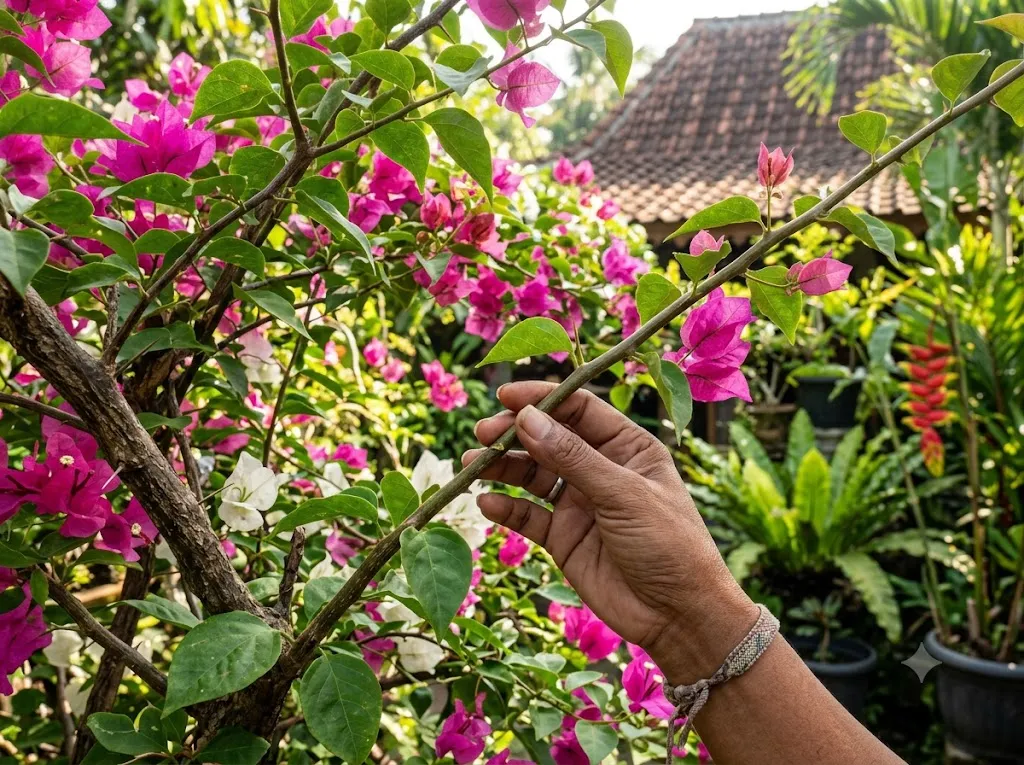
Choose a healthy parent plant (AI generated)
The first step is to choose a parent plant that is thriving, pest-free, and blooming regularly. A healthy plant has more energy reserves, allowing the cutting stems to form roots more quickly.
Blooming Backyard recommends taking cuttings from plants that are mature enough and not experiencing stress from drought or disease. If the weather is very dry, water the plant a day before cutting so that the stems have enough moisture.
The selection of stems is crucial for the success of the cuttings. The best stems are semi-hardwood, which are stems that have started to harden but are not too old. This type of stem has more food reserves compared to younger stems, increasing their chances of survival.
The ideal stem length is about 10–15 cm with four to six nodes or buds.
Avoid choosing stems that are too young as they are prone to rot, while stems that are too old usually take longer to root.
Use sharp pruning shears that have been sterilized with alcohol or hydrogen peroxide. Cut the stem just below the leaf node at the bottom, while the top part is cut slightly above the leaf node. A clean cut will speed up the healing process and reduce the risk of fungal infection.
Leave two to three leaves at the top of the cutting, then remove all the leaves at the bottom. Reducing the number of leaves aims to decrease evaporation so that the plant's energy is more focused on forming new roots. If the leaves are still large, part of their surface can be trimmed to further reduce evaporation.
Plant the cuttings correctly (AI generated)
One technique commonly used in nurseries is to thinly scrape the bark of the lower stem for about 2–5 cm until the cambium layer is visible. This cambium layer will later produce new root tissue. After that, dip the bottom part of the stem into rooting hormone. According to Blooming Backyard, root hormones help accelerate root formation, although cuttings can still grow without hormones if the conditions are ideal.
The planting medium must be able to retain moisture while also having good drainage. Blooming Backyard uses a mixture of:
Meanwhile, for home use, the medium can be made from a mixture of sand, burnt rice husk, and cocopeat in equal proportions. Before use, the medium should be moistened until damp, but not soggy.
Insert the stem about 3–5 cm into the planting medium in an upright position. If using a large pot, the cuttings can be planted around the edge of the pot with a distance of about 5–7 cm. According to the experience shared by Blooming Backyard, the edges of the pot tend to be warmer, which can stimulate root growth better than the center.
After all the cuttings are planted, water until the medium is sufficiently moist. Next, avoid overwatering because overly wet media can trigger stem rot. The moisture of the medium is far more important than the amount of water.
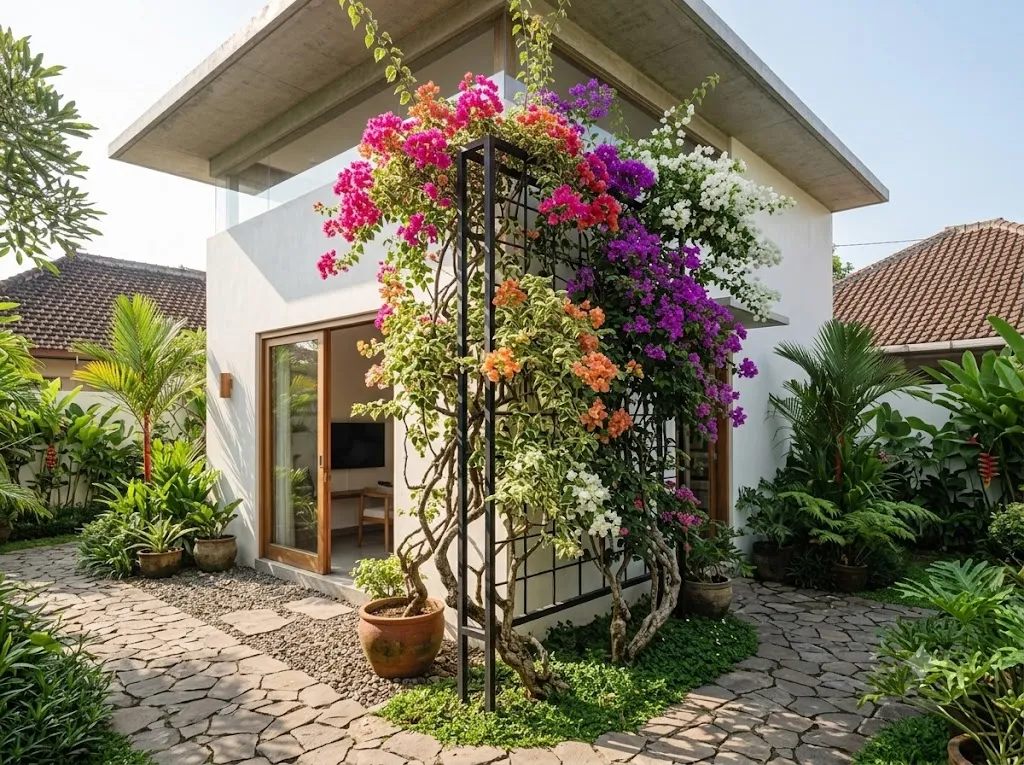
How to plant bougainvillea from cuttings (AI generated)
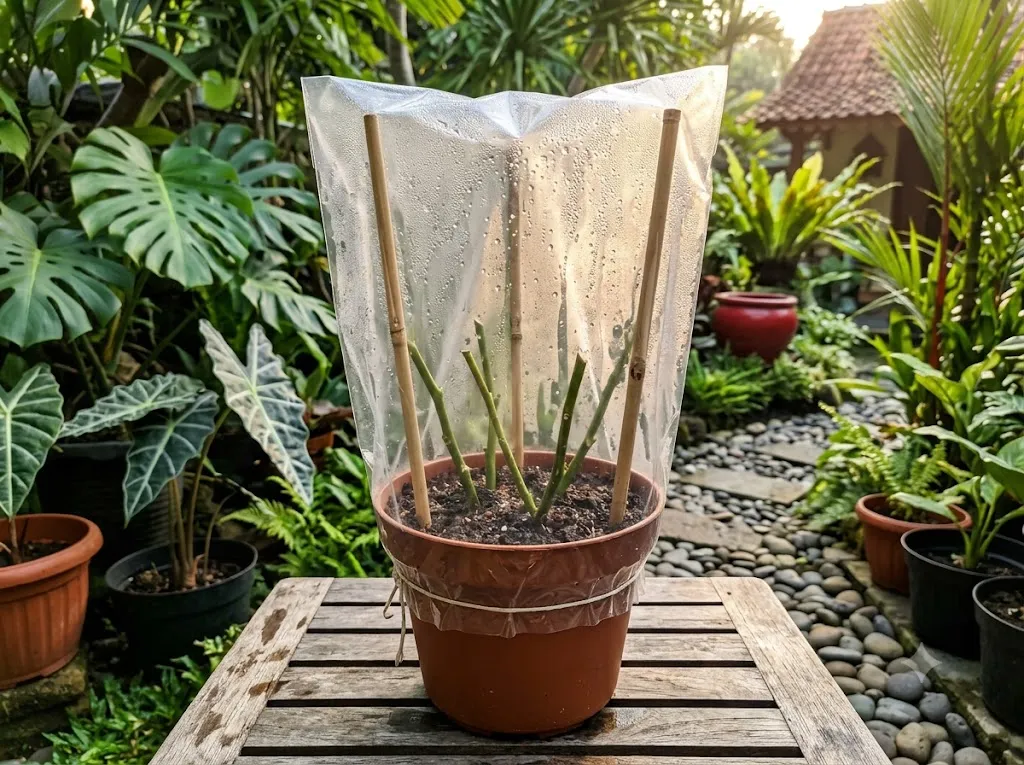
To maintain humidity around the cuttings, cover the pot with clear plastic to create a mini greenhouse effect. Use small bamboo or supports so that the plastic does not touch the leaves, as the dew that collects can trigger rot. Open the cover for one to two hours every one or two weeks to ensure good air circulation.
Bougainvillea is a tropical plant, so warm temperatures are the best condition for root formation. According to Blooming Backyard, the ideal temperature is in the range of 24–27°C. Place the pot in a bright location with indirect light. Avoid direct midday sun exposure as it can cause the cuttings to lose water too quickly.
Around the sixth week, try to gently pull the stem. If you feel a slight resistance, it means the roots are starting to form.
In ideal conditions, roots usually appear within about 6–8 weeks. At lower temperatures, this process can take up to 12 weeks. Once new shoots begin to grow, the cover plastic can be permanently removed.
Once the roots are strong enough and the plant produces several new leaves, transfer it to a more fertile growing medium. Use a mix of garden soil, mature compost, and burned husk so the plant can grow faster. During the first few weeks, place the plant in a location that gets morning sunlight before finally moving it to a spot that receives full sunlight.

How to plant bougainvillea from cuttings (AI generated)
According to Blooming Backyard, bougainvillea cuttings can actually be done throughout the growing season.
However, the best results are generally obtained in:
Excessively hot weather can cause the stems to lose water before they have a chance to form roots.
The success of cuttings not only depends on the planting medium but also on the care provided. Here are some mistakes to avoid.
After successfully applying the method of planting bougainvillea flowers from cuttings, follow these care tips to ensure optimal growth of the plants.
With proper care, bougainvillea will grow into a lush plant and produce brightly colored flowers almost year-round.
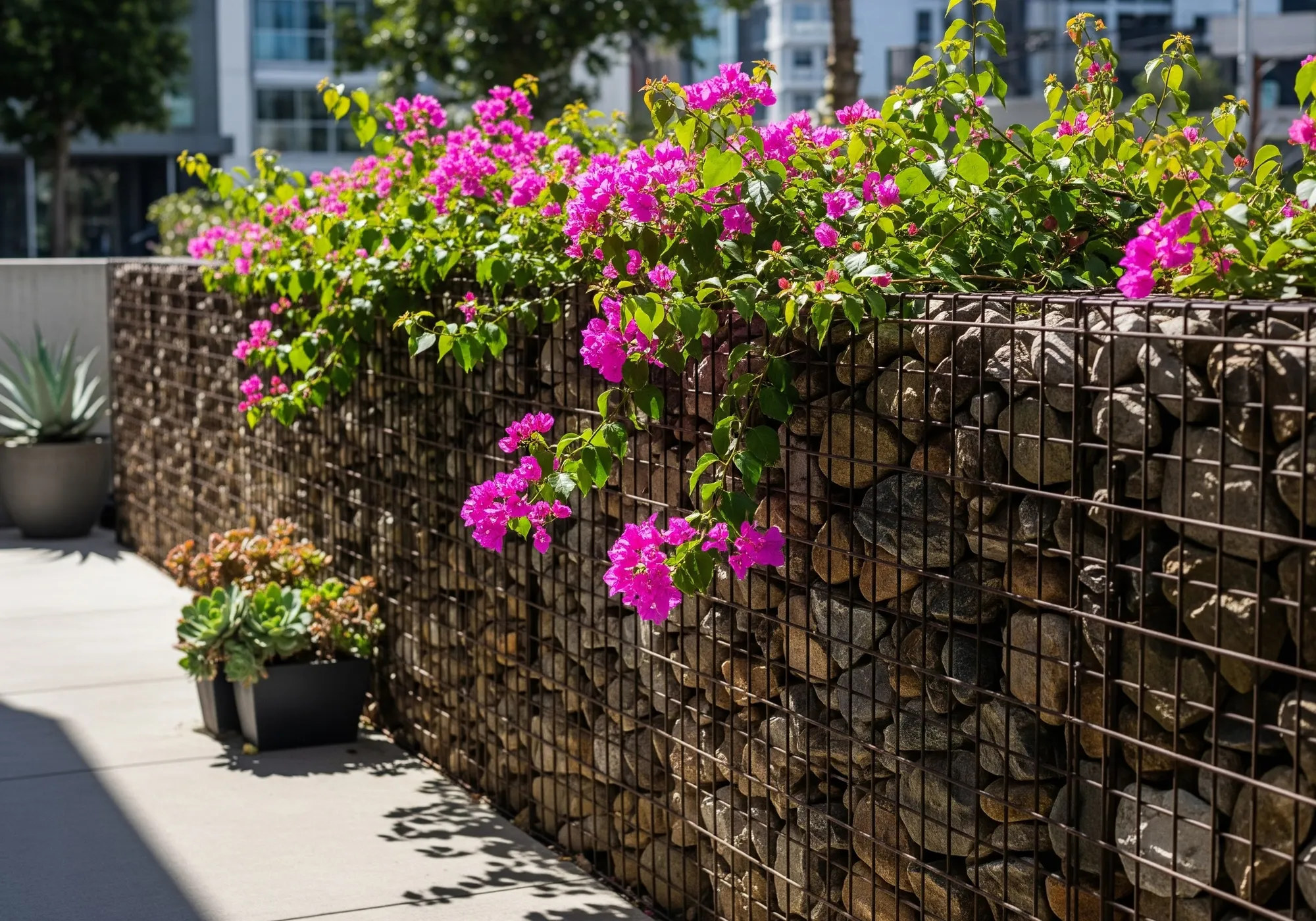
How to plant bougainvillea from cuttings (AI generated)
Generally around 6–8 weeks at ideal temperatures. In cooler conditions, root formation can take up to 12 weeks.
Not mandatory, but root hormones can increase the chances of success and speed up root formation.
Semi-woody stems about 10–15 cm long with four to six nodes are the best choice.
When the weather is warm but not too hot, for example, at the beginning of the rainy season in tropical areas or early spring in subtropical regions.
The most common causes are overly wet media, poor drainage, stems that are too young, or excess moisture without air circulation.
References
(kpl/yni)
Cobain For You Page (FYP) Yang kamu suka ada di sini,
lihat isinya
Want sapodilla to thrive in a small space? This method of planting sapodilla in a pot to keep it short can be tried directly at home.

A collection of films that tell the story of twins who were separated since childhood for various reasons.

Discover the best pirate-themed movies filled with adventure, high-seas action, treasure, betrayal, and thrilling modern piracy stories.

Discover recommendations for romantic comedies that present warm and touching ensemble cast love stories like Love Actually. This selection of films offers a holiday vibe and romance that is sure to melt your heart.
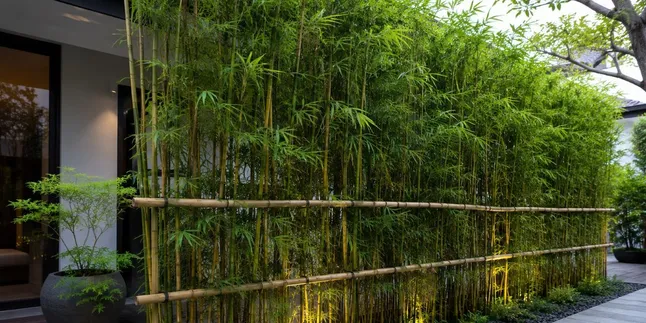
Check out the plants that make your home more private while being beautiful to look at, from Japanese bamboo to tea plants.
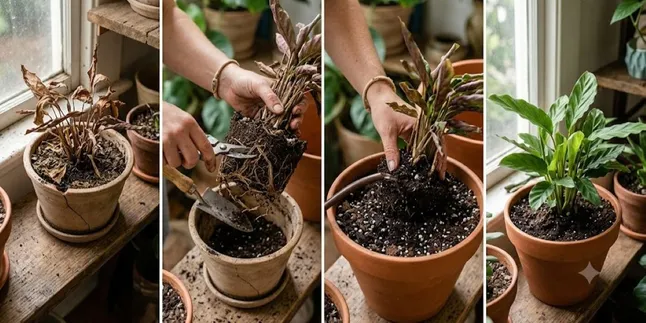
Is your beloved ornamental plant wilting and nearly dead? Don't worry! Follow this complete guide to identify the causes, perform effective rescue actions, and keep your green collection fresh and thriving again.
