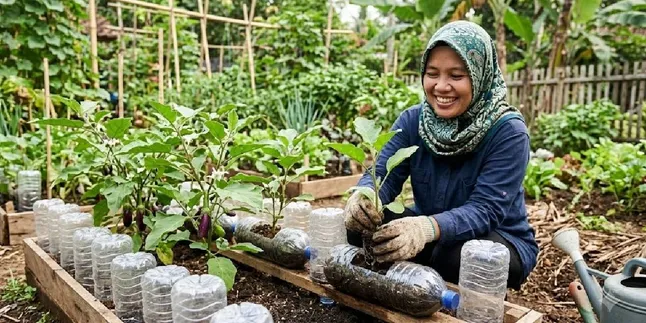
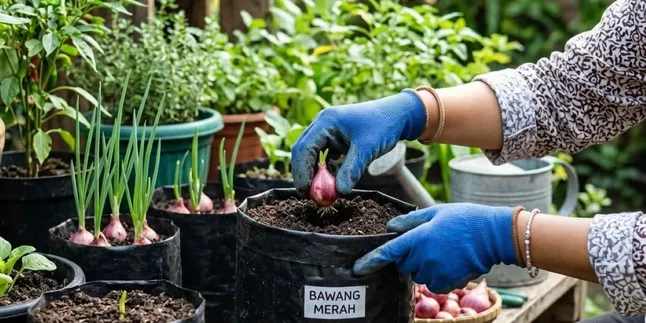
Kapanlagi.com - Many people want to garden at home but feel they don't have the time to care for plants. There is a notion that gardening requires a "green thumb" or natural talent. In fact, the secret to successful gardening is not talent, but rather the selection of the right types of plants.
For those of you with busy schedules, often forgetting to water, or trying gardening for the first time, easy-to-care vegetables for busy people are the perfect solution. Vegetables in this category have high resistance to pests, are adaptive to extreme weather, and do not require complicated care to thrive. In fact, some of them can grow just because their seeds fall to the ground!
This article will discuss 10 types of vegetables that are most suitable for you who are busy but still want to enjoy fresh and organic vegetables from your own garden.
1. Water Spinach — The Resilient Versatile One
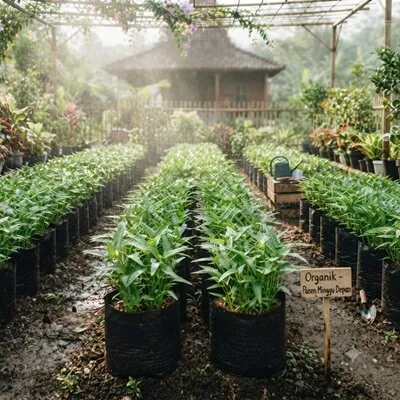
Illustration of water spinach. Photo: AI Generated
Water spinach is widely recognized as a champion in terms of resilience among various types of green vegetables. This plant has an extraordinary adaptability as it can thrive in both soil and directly in water through a simple hydroponic system. Its highly aggressive growth characteristics mean that this plant does not require special attention as long as it receives adequate water supply every day.
The main advantage of water spinach is its ability to be harvested repeatedly over a long period. You simply cut the top part of the stem when harvest time comes, and then let the rest grow back fresh new shoots. Additionally, this plant is very tolerant of various weather conditions and is rarely affected by serious plant pests.
To achieve the best results in your home garden, it is recommended to plant water spinach in a pot or a sufficiently large container. Adequate growing space will stimulate the development of roots and stems, allowing you to enjoy a more frequent harvest cycle. It’s no wonder that many beginners choose water spinach as their first favorite option in gardening.
2. Spinach — Fast-Growing and Nutrient-Packed
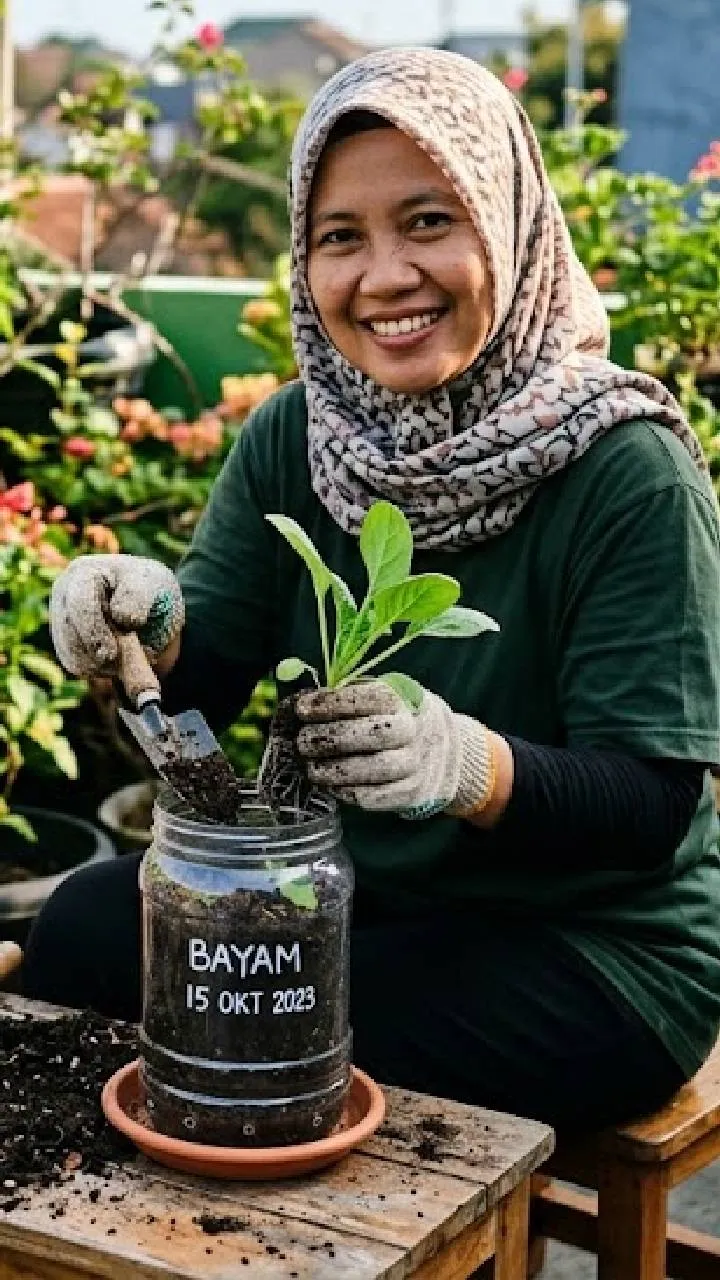
Spinach. Photo: AI Generated
Spinach is the most practical option for anyone who desires an instant harvest without complicated care processes. Its planting method is quite easy, where you only need to scatter the seeds evenly on the surface of the soil, and nature will assist in the subsequent growth process. This plant also has excellent resistance to the intense sunlight typical of tropical regions.
In terms of productivity, spinach offers a rapid harvest period as it can be picked within just 3 to 4 weeks after planting. Additionally, this vegetable is highly adaptable and can be cultivated in various types of planting media, ranging from hanging pots, soil beds, to home hydroponic systems. Its main requirements are daily sunlight and regular watering without making it too soggy.
To keep this plant productive, you can apply a partial harvesting technique on certain leaves only. This method allows the main stem to remain alive and grow new leaves that can be harvested again a few days later. This flexibility is what makes spinach a staple vegetable at home.
3. Green Mustard and Pak Choi — 'Forgiving' Plants
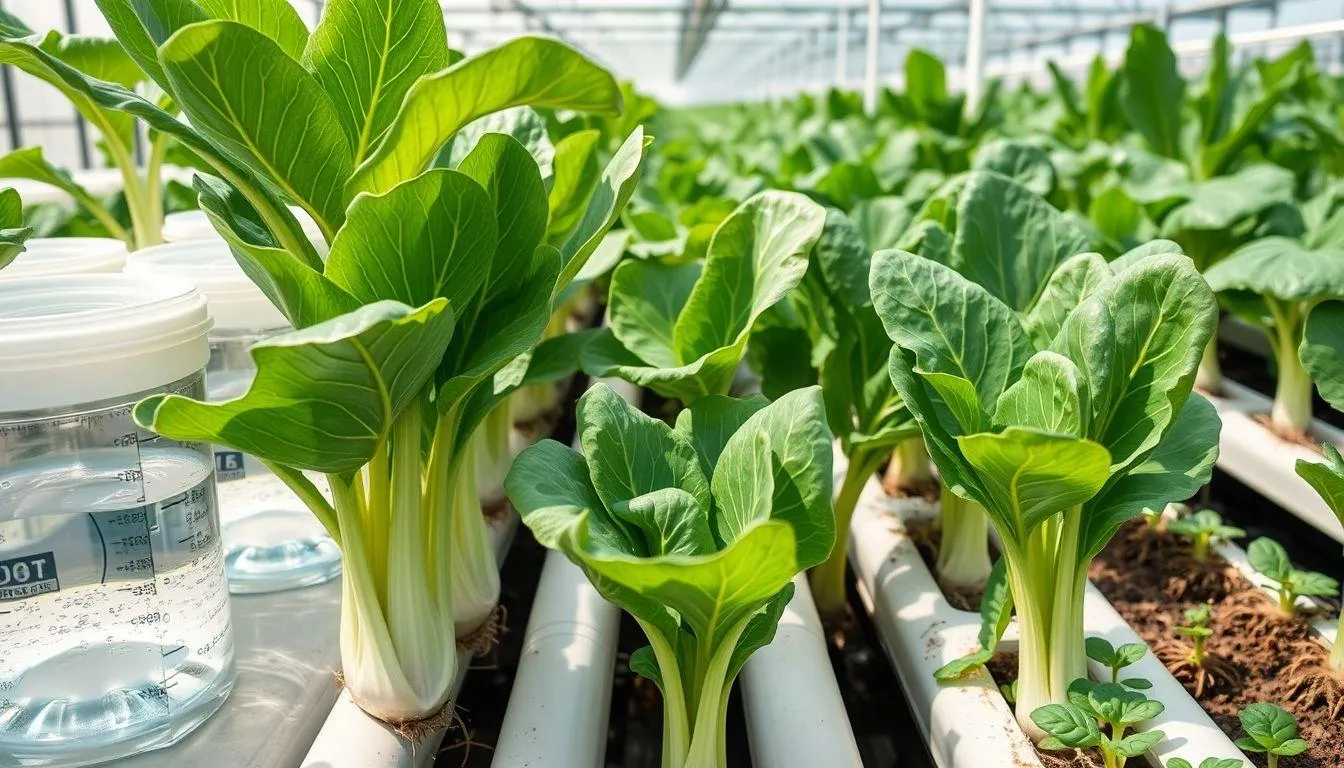
Pakcoy
The mustard plant family, such as green mustard and pak choi, is known as a group of vegetables that are highly adaptable to various surrounding environmental conditions. These plants can adjust well to different types of soil structures without demanding overly complicated nutrient qualifications. Their flexible characteristics make mustard often referred to as a "forgiving" plant for beginners.
If at any time you accidentally delay watering, these vegetables generally do not die immediately; instead, they can survive and quickly return to freshness shortly after being supplied with water. Their harvest time is also relatively short, ranging from 30 to 40 days after the initial seed planting process. You can utilize pots or used polybags around the house as cultivation containers.
Another interesting advantage of this group of mustard is its ability to grow new leaf shoots after the main leaves are picked. As long as the root system in the soil remains intact, this plant will continue to produce fresh leaves. Its bright green appearance also enhances the aesthetics of your open kitchen area.
4. Brazilian Spinach — A Plant That Almost Never Dies
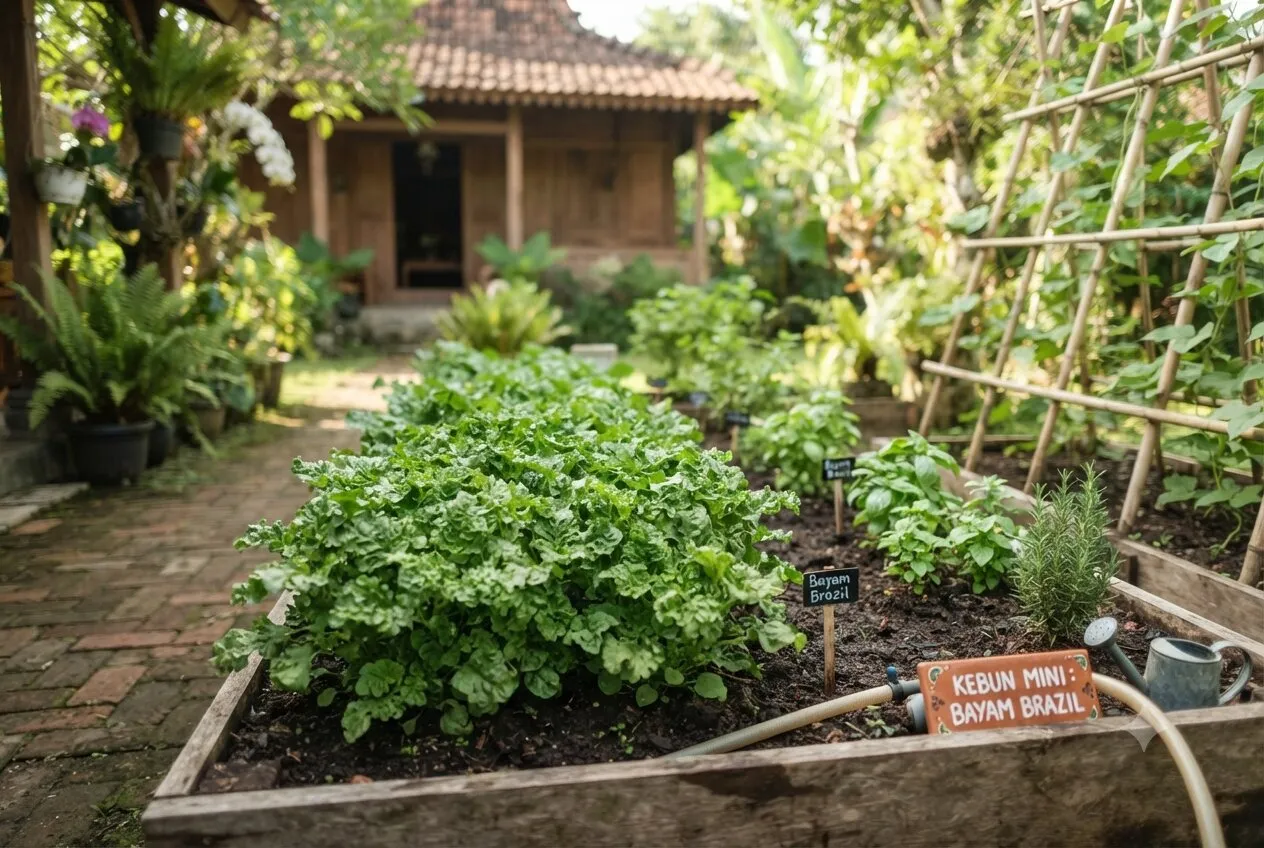
Brazilian Spinach. Photo: AI Generated
Brazilian spinach may still sound unfamiliar to some laypeople, but this vegetable holds incredible potential as one of the easiest plants to care for. You do not need special seeds to grow it; simply take a cutting of its stem and stick it directly into the soil. In a relatively short time, the cutting will root and grow vigorously.
This plant is known for being very resilient as it almost never fails to grow, even when planted in sandy soil. It also has excellent natural resistance to various types of plant pests without the need for chemical pesticide intervention. In fact, in many cases of home care, Brazilian spinach can thrive even when rarely or never given additional fertilizer.
The recommended harvesting method is to cut the stem close to the soil surface to encourage the growth of broader new shoots. Besides being processed into a variety of delicious dishes, its lush and attractive leaf shape also makes this plant function as a garden ornament. Its presence in your yard will ensure your daily vegetable supply is easily met.
5. 5. Katuk Leaves — A Fence Plant That Can Be Cooked
Katuk Leaves
Katuk leaves are one type of traditional vegetable that has resilient properties and a very long harvest cycle. You only need to plant it once in your yard, provide regular watering, and ensure its location receives enough sunlight for the leaves to continue thriving. The more often the leaves are picked for consumption, the more this plant will diligently grow new shoots.
The health benefits of katuk leaves are well-known, especially for pregnant and breastfeeding mothers, as their content has been proven effective in stimulating the smooth production of breast milk (ASI). From a spatial layout perspective, this plant is very efficient as it can be planted in rows along the edge of the house fence. Thus, it serves a dual purpose as a green living fence as well as a source of vegetable stock for the family.
The process of propagating this plant is also very simple as it can be done through direct stem cuttings. Just cut a healthy branch from the parent plant and stick it into the soil, and it will live independently for its entire life. Minimal care makes katuk leaves very ideal for homeowners with a busy lifestyle.
6. 6. Moringa Leaves — A Superfood in Your Own Garden
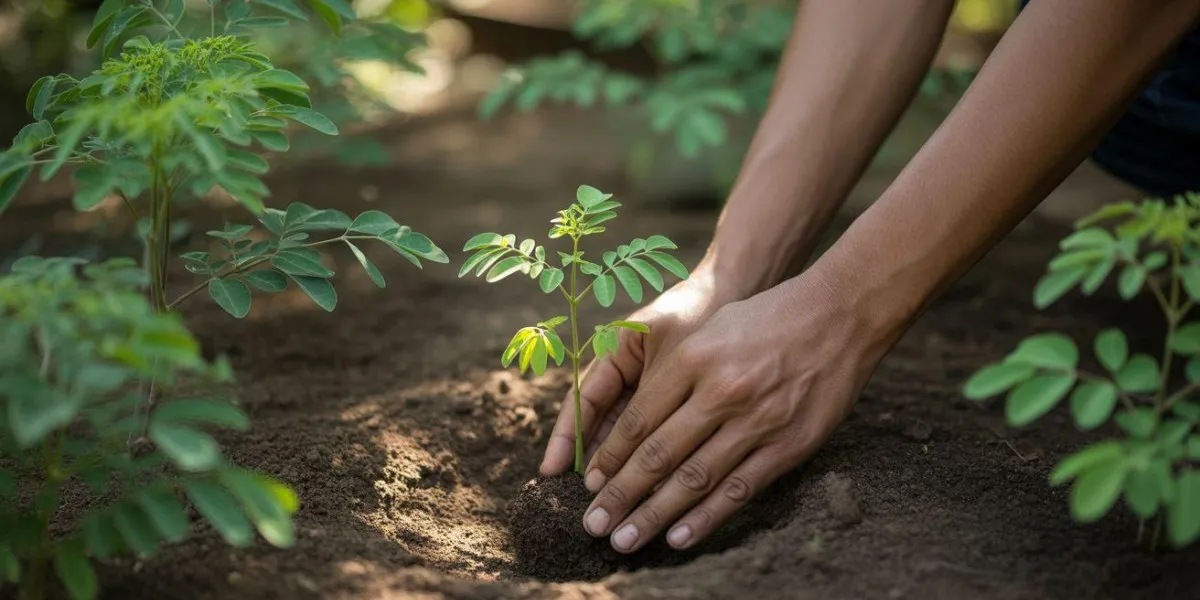
Planting Moringa Leaves
The moringa tree is now gaining global recognition as one of the sources of superfood thanks to its extremely dense and complete nutritional content. Within each leaf lies a source of protein, calcium, potassium, vitamin C, vitamin D, and various essential minerals that are greatly needed by the human body. Planting it in your backyard is the best preventive step to maintain your family's health.
The cultivation method for moringa leaves is considered very friendly for busy people because you only need to cut its branches and then stick them directly into the soil. This plant can grow independently without requiring special fertilizers or complicated pest control sprays. In addition to branch cuttings, you can also grow it from old moringa seeds.
As a perennial plant, the moringa tree can survive and produce harvestable leaves for decades. This means you only need to plant it once at the beginning to enjoy its harvest continuously for a lifetime. Its flexibility and resilience make moringa a highly valuable green vegetation investment for your home.
7. 7. Green Onions — The Super Easy Regrow Method
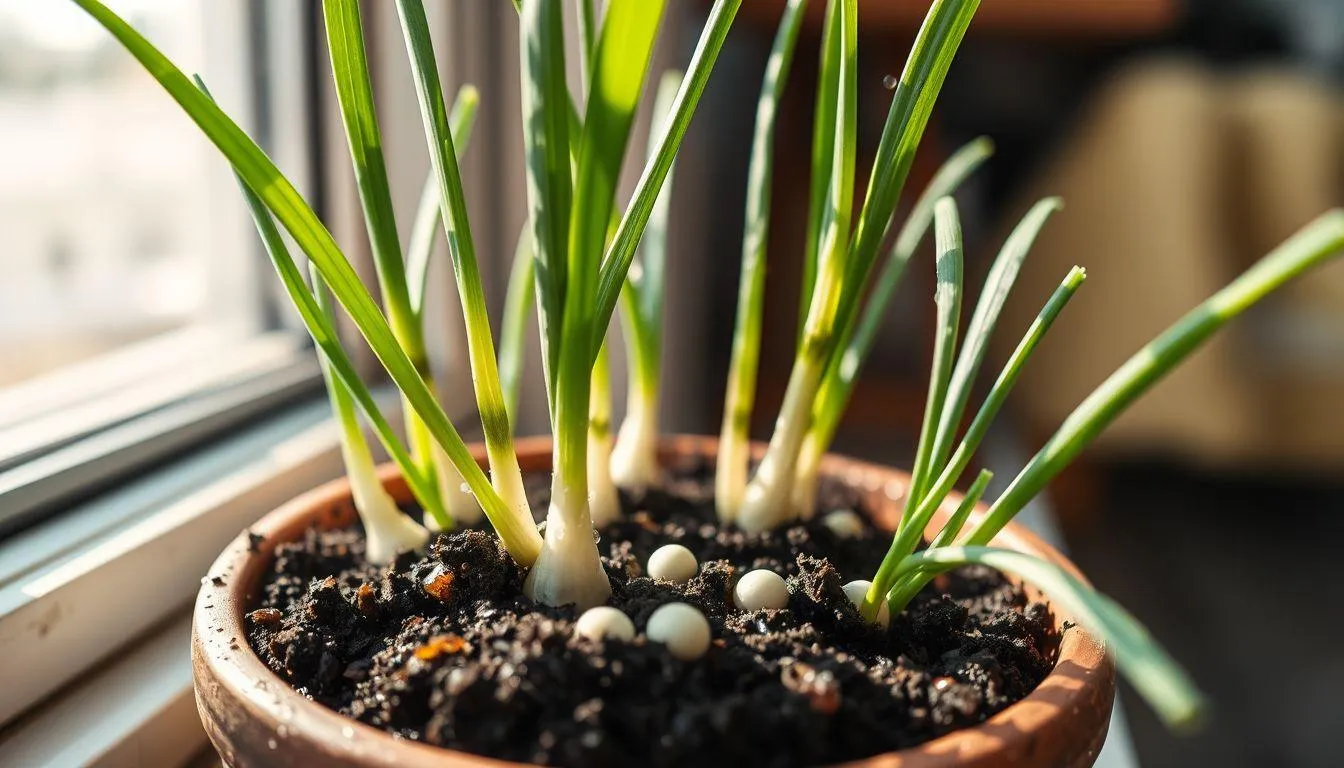
Planting Green Onions
Growing green onions at home does not always have to start with buying new seeds from the agricultural store. You can utilize the regrow method, which takes advantage of the leftover root cuttings from fresh green onions that you just bought at the traditional market. This method has proven to be very cost-effective and almost never fails for beginners.
The main advantage of this method is its incredible space efficiency because green onions do not require a large planting area. You can even place them in a pot or a small glass filled with water near the kitchen window. Just make sure the bottom root part is submerged in water or planted in moist soil, and new green shoots will soon sprout within a few days.
Daily care for this plant is also very minimal, without requiring exhausting extra attention. You can simply pick a few leaves from the top while cooking in the kitchen, while the bottom part will continue to grow back. This practical method is very suitable for urban communities with high mobility.
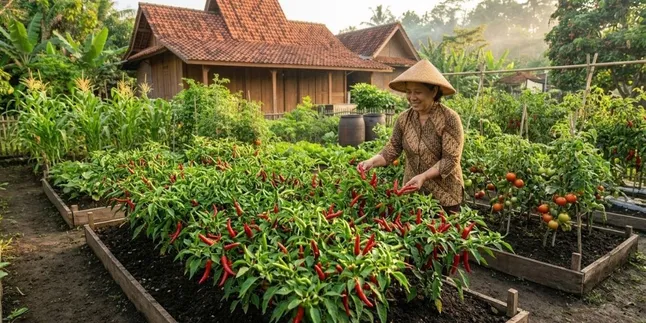
8. 8. Bird's Eye Chili — The Independent Spicy One
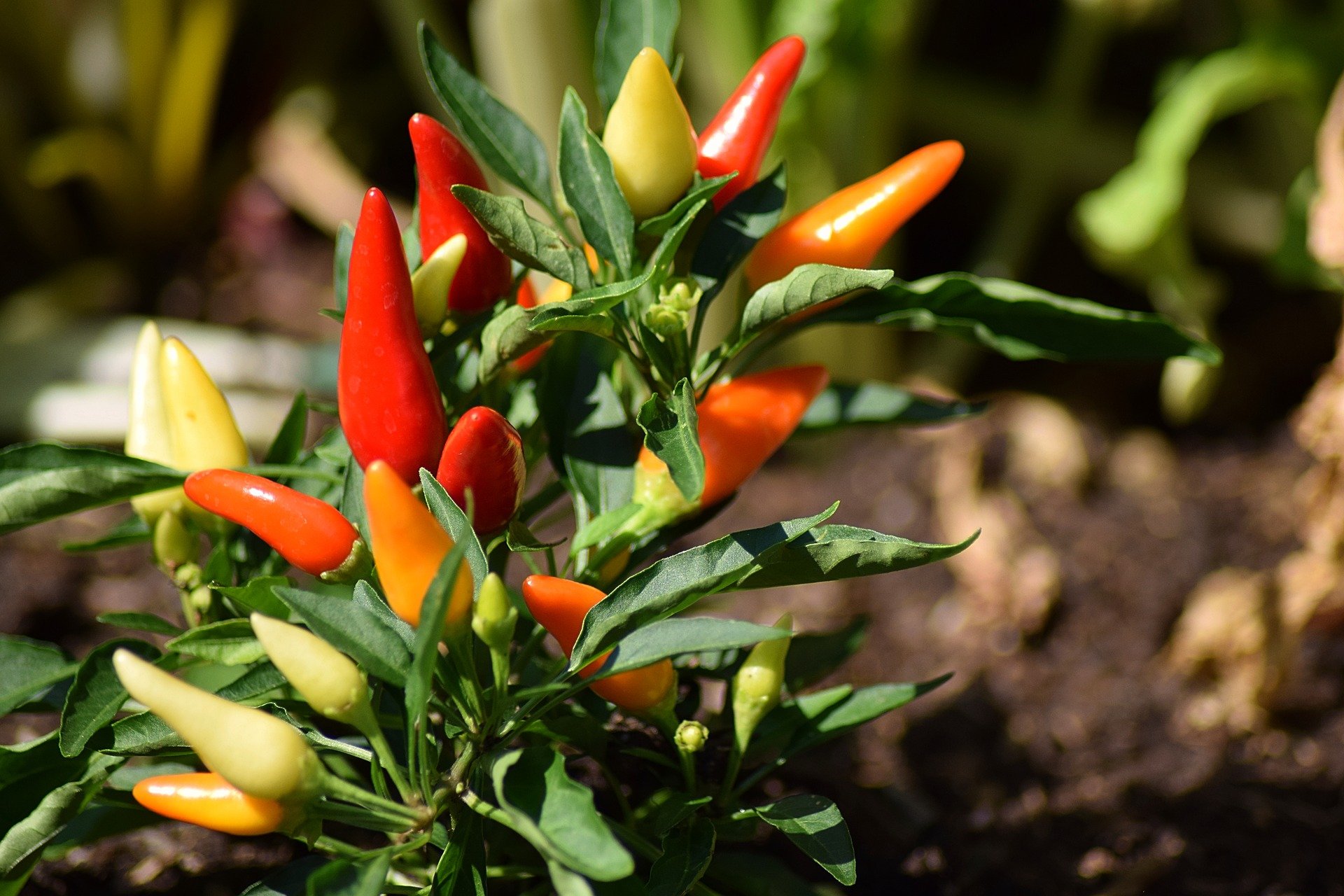
Bird's Eye Chili
Bird's eye chili holds a special position as one of the kitchen spice plants with the highest level of independence. Once this plant successfully passes the initial seedling phase and begins to grow robustly, it will transform into vegetation that is highly resistant to various extreme weather conditions. Its presence in the yard will be a loyal helper for your daily spicy culinary needs.
As a perennial plant, once bird's eye chili grows well, it will continuously produce fruit repeatedly over a long period. You don’t need to worry about providing complicated extra care or checking on it every day. The main key to its successful cultivation is simply ensuring that the pot or planting area receives full sunlight exposure throughout the day.
By providing a sunny spot and adequate watering, bird's eye chili will respond with an abundance of lush fruit. This plant proves that gardening as a hobby doesn’t always take up a lot of your free time. Its fresh spicy harvest certainly provides a unique satisfaction for its owner.
9. 9. Lettuce — Fresh Salad from a Small Pot
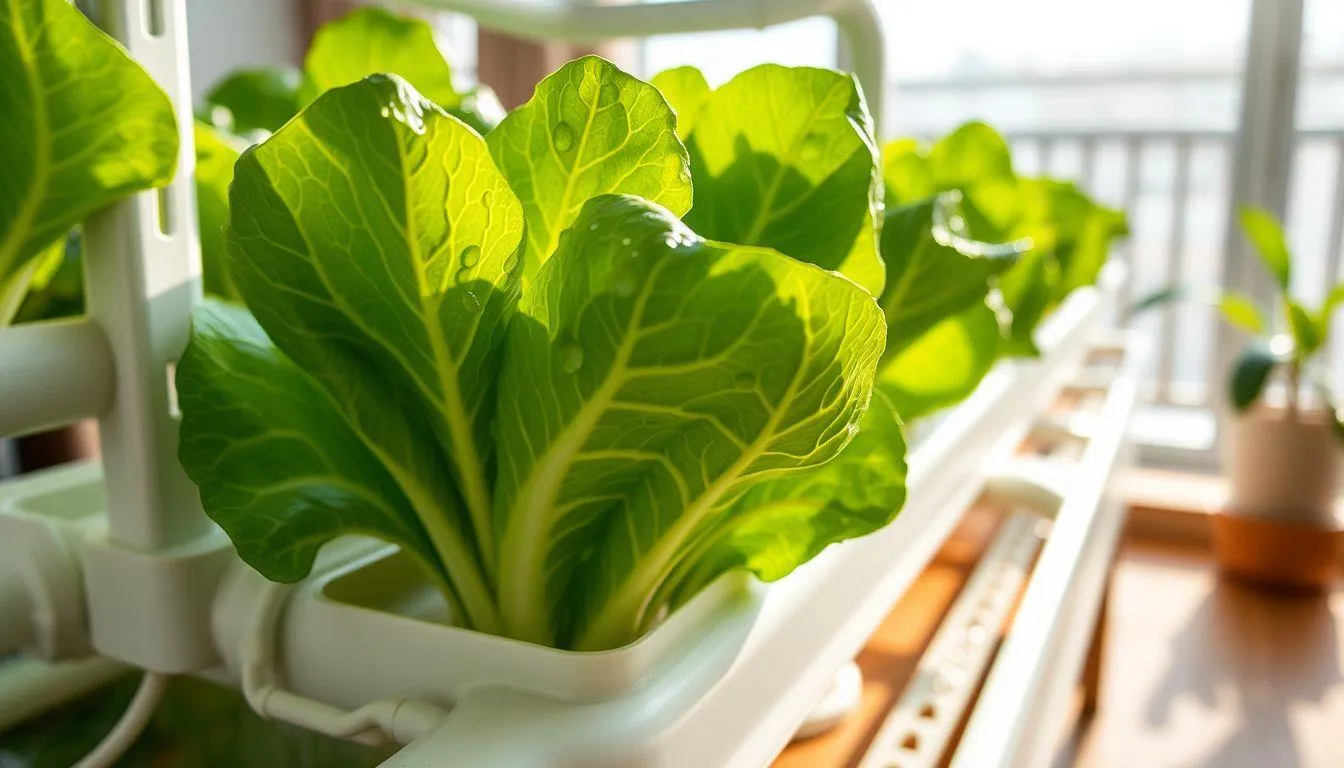
Lettuce
Lettuce is a type of leafy vegetable that is known to be very beginner-friendly due to its relatively fast growth process and easy manageability. This plant does not require complicated growing media qualifications and can adapt well to various types of garden soil. Its flexible character also makes it very tolerant of slightly shaded planting areas.
The advantage of lettuce lies in its compact physical size, which means it does not require a large area of land at home. You can plant it in rows in small pots or recycled containers on your terrace. As long as its water needs are maintained regularly every day, the lettuce leaves will grow fresh with a crisp texture.
Lettuce harvesting techniques can be done gradually by picking the outer leaves first. Allow the young leaves in the center to remain intact so that their growth continues for the next harvest cycle. This fresh salad vegetable is ready to accompany your healthy meal menu at any time.
11. Questions About Easy-to-Care Vegetable Plants for Busy People
Q: What is the easiest vegetable plant to care for for super busy people?
A: Water spinach and spinach are the best choices. Water spinach can grow in soil or water, is very resilient, and rarely suffers from pests. Spinach can be harvested in 3–4 weeks with minimal care. Both are "fail-proof" plants that are suitable for beginners.
Q: What vegetables can be harvested multiple times without replanting?
A: Many! Sweet potato leaves, Brazilian spinach, moringa leaves, water spinach, and green onions are some examples of vegetables that can be planted once and harvested continuously. Some of them can even last for decades, like the moringa tree.
Q: How can I grow vegetables if I don't have a large area?
A: Almost all of the vegetables above can be grown in pots, polybags, or even used plastic bottles. Green onions and lettuce can even grow in small pots on the windowsill. The important thing is to ensure the pot has drainage holes and receives enough sunlight.
Q: What should I do if I often forget to water my plants?
A: Choose drought-tolerant plants like kale and spinach. You can also use a wick system (fabric wick) from a water bottle under the pot so that the plants stay watered even if you forget to water them. Additionally, use a medium-sized pot that can retain moisture longer.
Q: Do I need to use chemical fertilizers?
A: No need. You can use simple organic fertilizers like leftover rice washing water (tajin) which is rich in nutrients. Just provide it once a week. Compost or manure can also be an economical alternative.
Q: How long does it take to start harvesting?
A: Very quickly! Spinach and kale can be harvested in 3–4 weeks after planting. Green onions using the regrow method can be harvested in a few days after the shoots appear. This is very motivating for beginners who want to see quick results.
Q: Are these plants safe from pests?
A: Most of the vegetables recommended above rarely suffer from serious pests, especially kale, Brazilian spinach, and katuk leaves. However, keep monitoring the condition of the leaves regularly. If there are pests, you can use organic pesticides made from natural ingredients like papaya leaves or garlic.
(kpl/mab)
Disclaimer: This translation from Bahasa Indonesia to English has been generated by Artificial Intelligence.


 Follow
 Rekomendasi