Kapanlagi.com - Water spinach is one of the easiest vegetables to cultivate at home because it grows quickly and does not require a large area. However, not all water spinach plants can produce thick, crispy, and high-quality stems. Mistakes in choosing seeds, planting media, and care methods often result in water spinach stems growing small, elongated, or weak.
To achieve a bountiful harvest, proper cultivation techniques are needed from the start of planting. Fertile soil conditions, balanced watering, adequate nutrients, and ideal planting distances will greatly affect the size of the stems and the growth rate of water spinach. If all these factors are taken into account, water spinach can be harvested in about 25–35 days, depending on the variety and environmental conditions.
So, how do you grow water spinach for thick stems and quick harvesting? Citing various sources, Wednesday (29/7/2026), check out the information below.
1. Choose Quality Water Spinach Seeds with High Germination Power
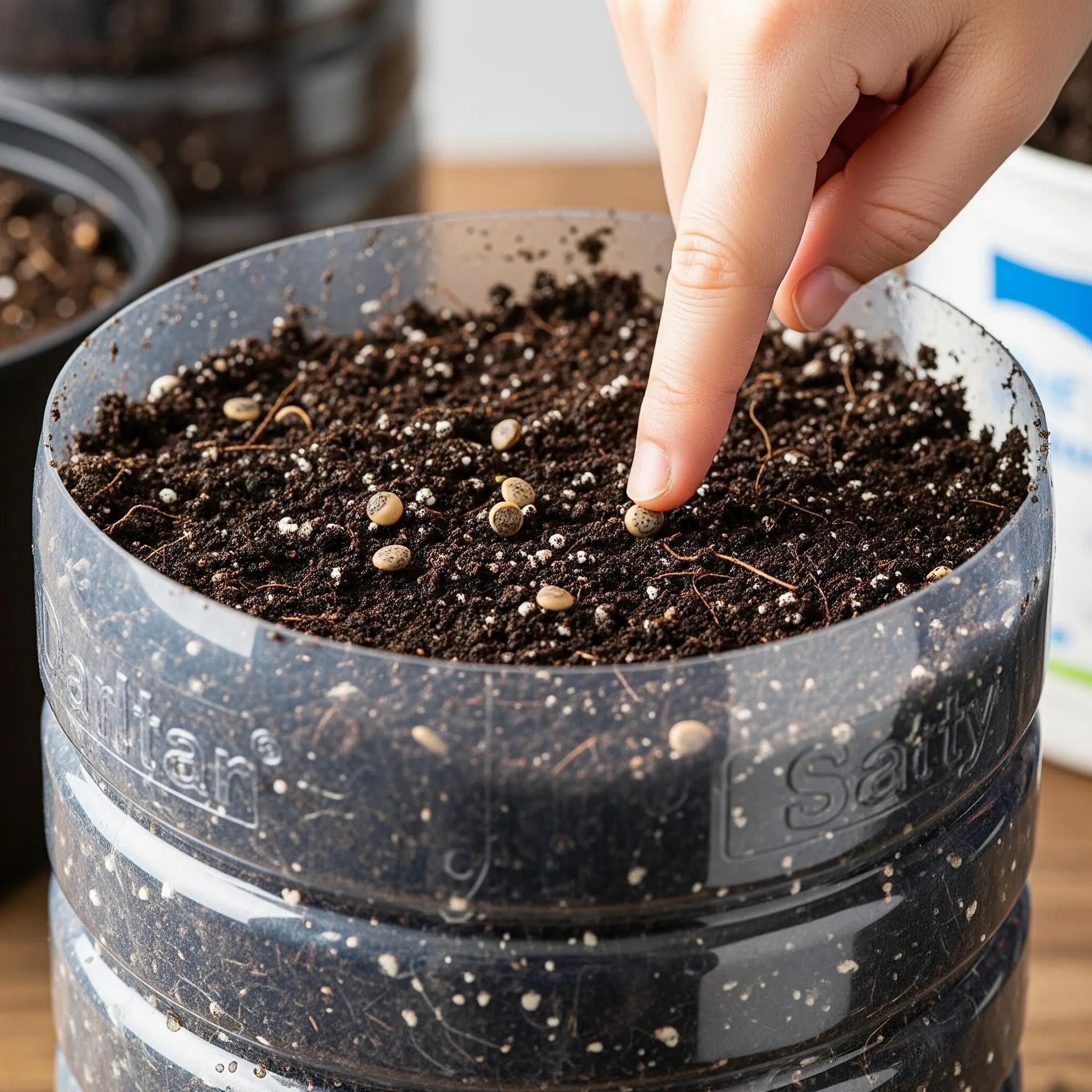
The first step that determines the success of water spinach cultivation is selecting quality seeds. Use seeds from trusted producers with high germination rates so that most seeds can grow uniformly. Healthy seeds usually have a uniform size, are not cracked, are not moldy, and have a dark brown color according to their varietal characteristics.
In addition to seed quality, also choose a variety that suits the cultivation purpose. Land water spinach generally produces sturdier stems and is suitable for planting in yards or polybags, while water spinach is more suitable for constantly moist land. Choosing the right variety helps the plants adapt better to the environment, thus maximizing their growth.
Before planting, seeds can be soaked in clean water for several hours. Seeds that sink usually have better quality compared to those that float. Soaking also helps accelerate the germination process, so the plants grow more uniformly and have a strong start to their growth.
2. Use Loose and Organic-Rich Growing Media
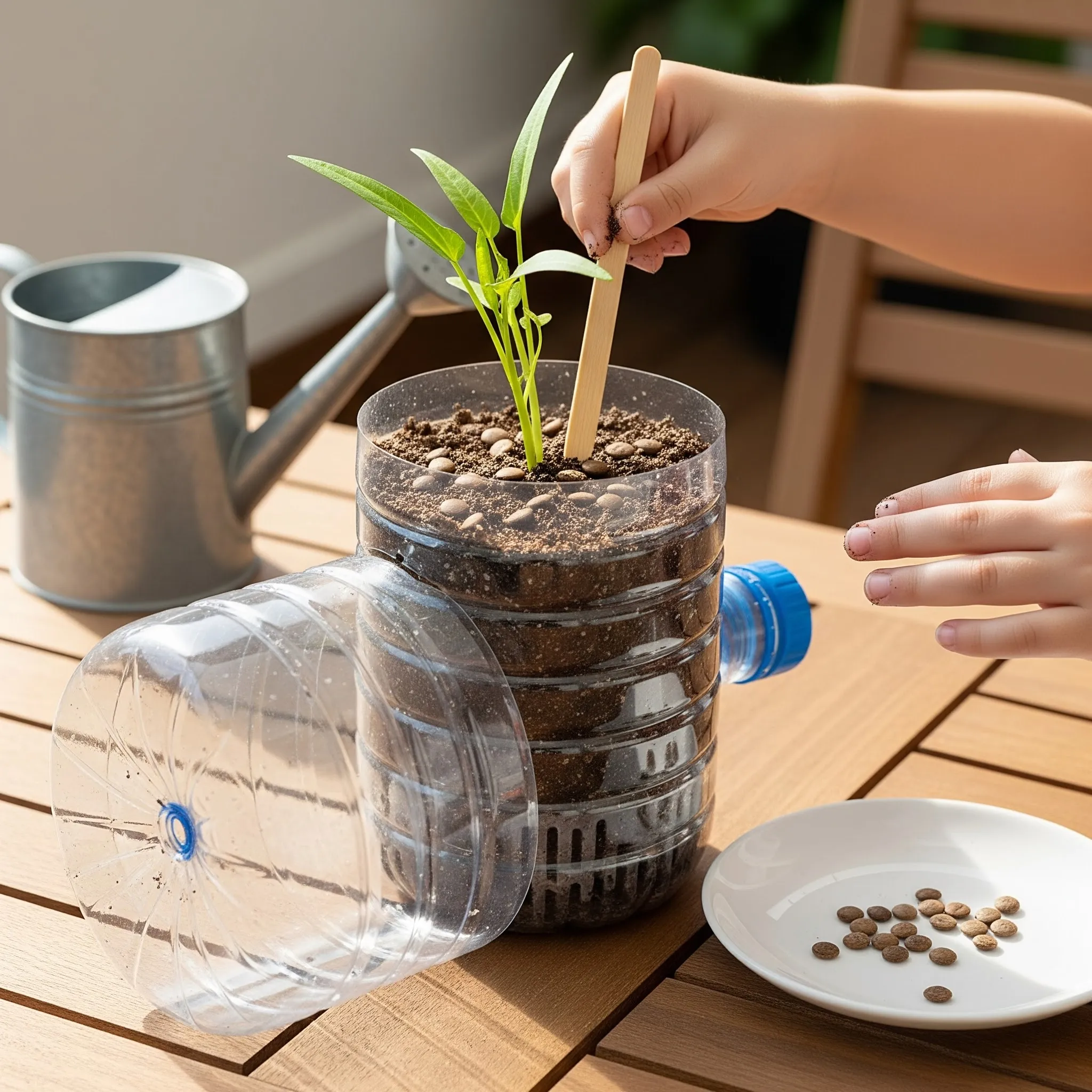
Growing media plays an important role in the formation of the stem of water spinach. Loose soil allows the roots to develop more freely, enabling optimal absorption of water and nutrients. It is advisable to use a mixture of soil, mature compost, and burnt husks or sand in a balanced ratio so that the media has good drainage as well as the ability to retain moisture effectively.
Mature compost or manure becomes a very beneficial source of organic material. In addition to providing nutrients, organic matter also improves soil structure, making it easier for roots to develop. Healthy roots will support the growth of the stem to be larger, stronger, and less prone to falling over.
Avoid using soil that is too dense or always waterlogged. Such conditions can hinder root growth and even increase the risk of rot. Conversely, fertile media with good aeration will allow water spinach to grow faster with a fuller stem.
3. Set Planting Distance So That Plants Do Not Compete for Nutrients
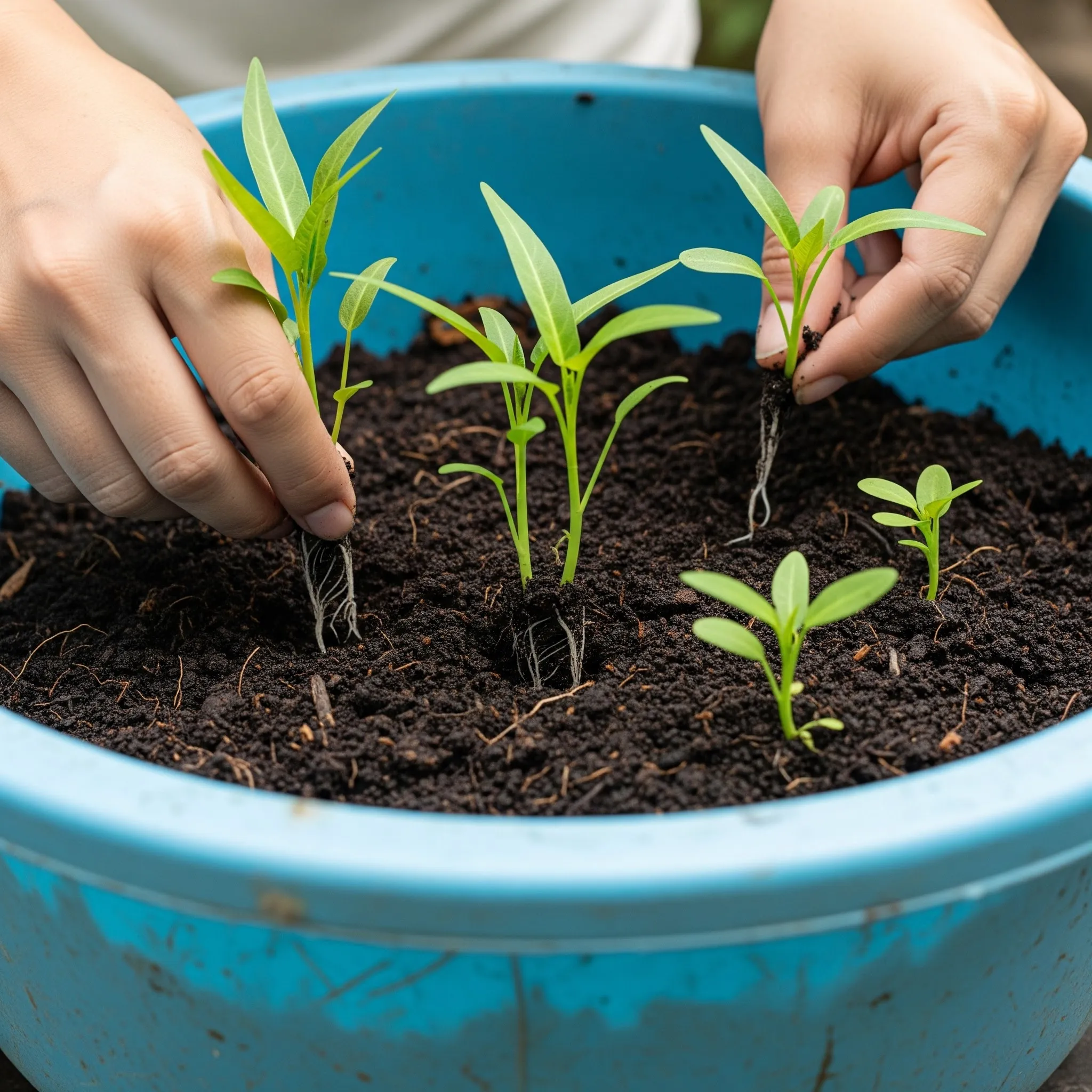
A common mistake is sowing seeds too closely together. Although it initially seems to produce many plants, excessive density causes each plant to compete for light, water, and nutrients. As a result, the stems grow small, thin, and elongated.
If planting in beds, make sure to provide enough space between plants so that each individual has room to grow. When planting in polybags or pots, adjust the number of plants according to the size of the container so that the roots do not crowd each other.
The ideal planting distance also improves air circulation among the plants. This condition helps reduce excess moisture that can trigger the emergence of fungal diseases. In addition to producing larger stems, the plants also become healthier until harvest time.
4. Water Regularly but Not Excessively
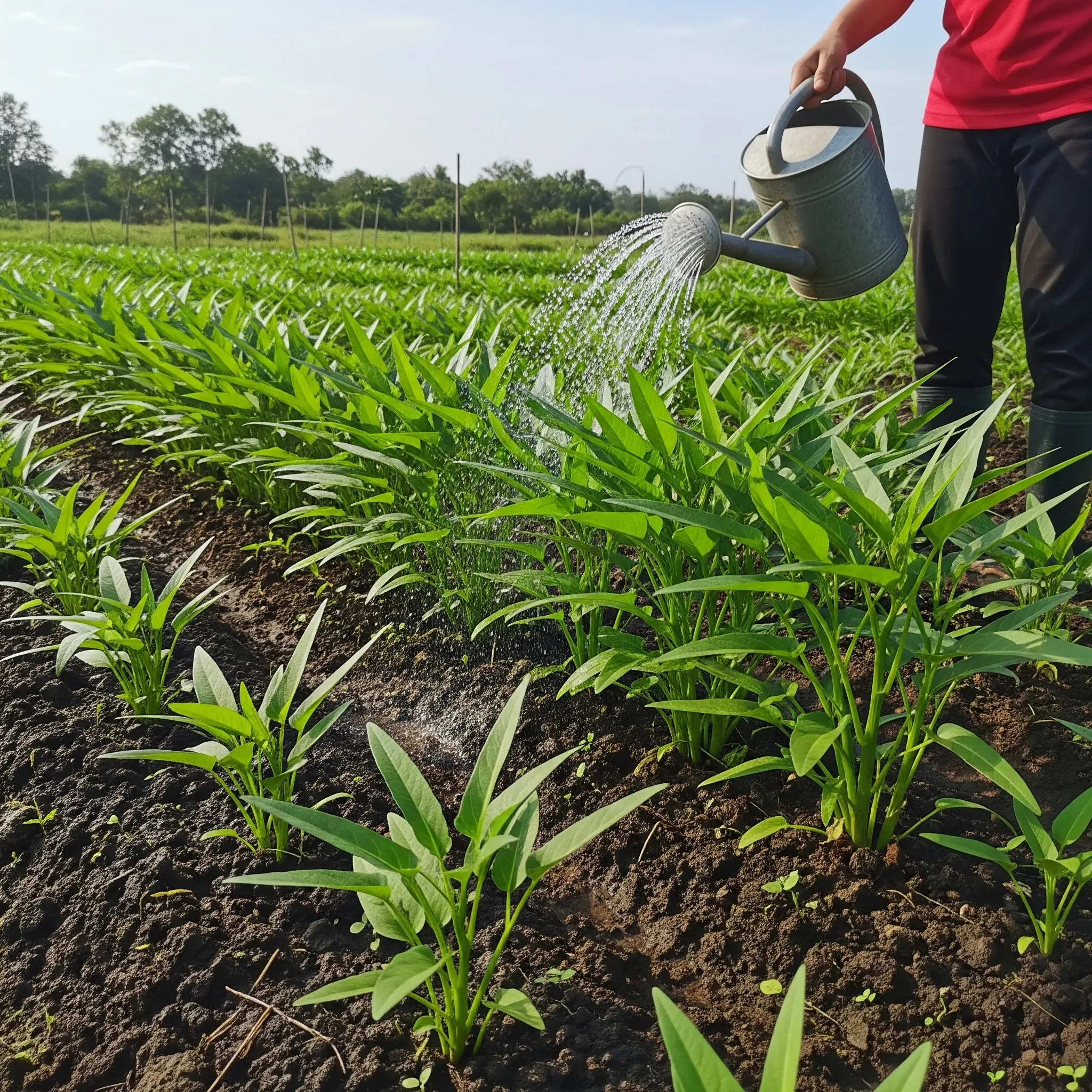
Water spinach thrives in moist soil conditions, but this does not mean that the medium must always be flooded. Regular watering helps maintain the photosynthesis process and the absorption of nutrients to be optimal, resulting in faster stem growth.
The best time to water is in the morning or late afternoon when the air temperature is not too high. Watering at these times helps reduce water evaporation, allowing soil moisture to last longer. During the dry season, the frequency of watering can be increased according to the condition of the planting medium.
Conversely, excessive watering can actually reduce the oxygen content in the soil. Roots become difficult to breathe and are prone to rotting. Therefore, the balance between moisture and drainage is key for water spinach to grow lush with large stems.
5. Provide Additional Fertilizer According to Growth Phase

In addition to relying on nutrients from the growing medium, water spinach needs extra nutrition during its growth period. In the early phase, nitrogen is essential to stimulate the formation of leaves and stems. Liquid organic fertilizer, compost, or well-decomposed manure can be good choices to support vegetative growth.
When the plants start to grow rapidly, provide additional fertilization in sufficient amounts without overdoing it. Proper fertilization will help the stems become thicker, the leaves greener, and the growth more uniform.
Avoid excessive nitrogen fertilization as it can make the plants overly bushy but the stems become soft. Balanced fertilization will produce sturdier, crisper water spinach with better harvest quality.
6. Ensure the Plants Get Enough Sunlight

Water spinach requires adequate sunlight to carry out the photosynthesis process optimally. Ideally, the plants receive direct sunlight for several hours each day. Adequate light helps in the formation of energy used to enlarge the stems, leaves, and roots.
Plants that lack sunlight tend to experience etiolation, which is a condition where the stems grow elongated, thin, and paler in color. In addition to reducing harvest quality, this condition also makes the plants more prone to falling over and less attractive during harvest.
If planting water spinach in your yard or balcony, choose a location that is not obstructed by buildings or large trees. With sufficient lighting, the plants will grow more compactly, have larger stems, and the leaves will remain a vibrant green.
7. Harvesting at the Right Time to Maintain Quality
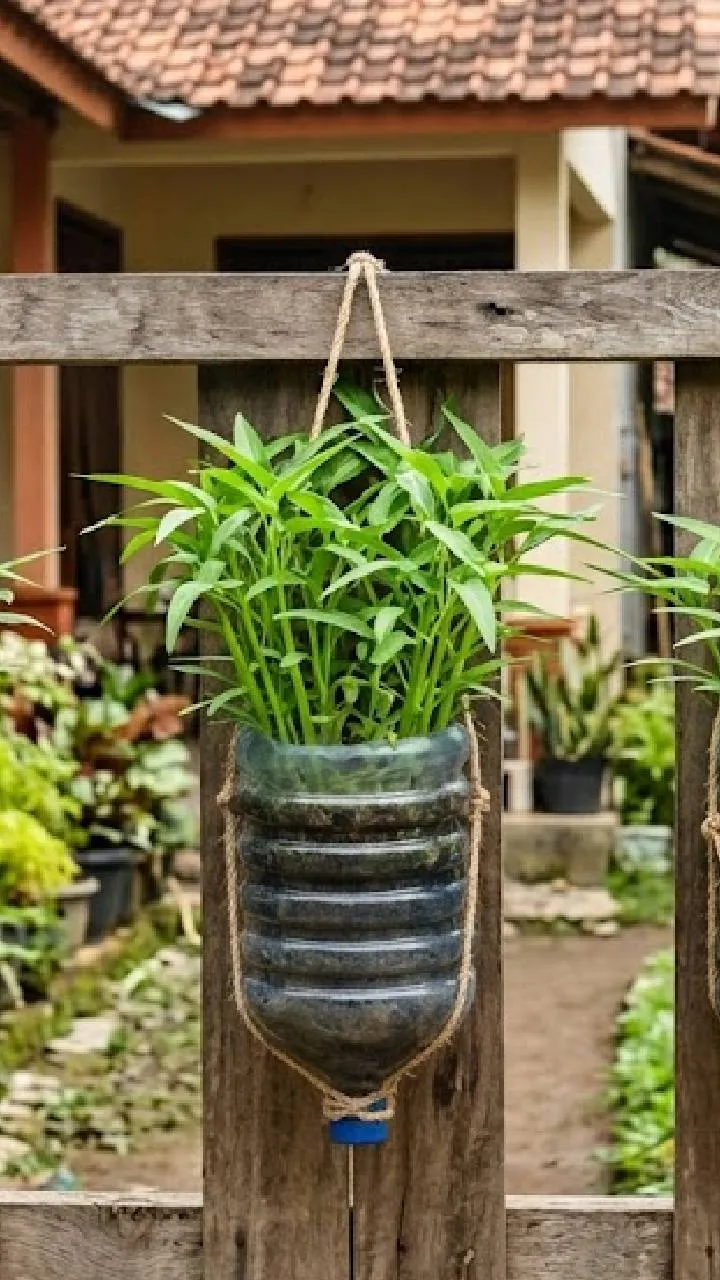
Many people think that the longer water spinach is allowed to grow, the thicker its stems will become. However, if the harvest is delayed, the stems can actually become harder, fibrous, and the quality decreases. Therefore, the harvest time needs to be adjusted according to the age of the plant and its growth conditions.
Generally, water spinach is ready to be harvested when it reaches a height of about 20–30 centimeters with dense-looking stems and perfectly developed leaves. Use scissors or a sharp knife when harvesting to avoid damaging the stems, allowing the remaining plants to regrow in some cultivation methods.
Harvesting at the right time not only produces crisper and tastier water spinach but also maintains the productivity of the plants. With consistent care from the beginning of planting to the harvest period, you can obtain large-stemmed, fresh, and high-quality water spinach for personal consumption or sale.
8. Questions & Answers About How to Plant Water Spinach for Thicker Stems and Faster Harvesting
1.How long can water spinach be harvested after planting?
Generally, water spinach can be harvested in about 25–35 days after planting, depending on the variety, weather conditions, growing medium, and care. If the plants receive enough sunlight, water, and nutrients, their growth tends to be faster with thicker stems.
2.Why do water spinach stems grow small and thin?
Small water spinach stems are usually caused by several factors, such as planting too closely, insufficient sunlight, poor nutrient medium, or improper watering. The use of low-quality seeds can also affect stem size and uniformity of plant growth.
3.Is it better to plant water spinach in soil or in polybags?
Both can yield good results if properly cared for. Planting in soil generally provides more space for roots, allowing the plants to grow more optimally. Meanwhile, polybags are a practical choice for those with limited space, as long as fertile planting media and adequate container size are used.
4. What fertilizer is suitable for bigger water spinach stems?
Organic fertilizers such as compost and well-matured manure are excellent for improving soil fertility. Additionally, fertilizers with sufficient nitrogen content can help the growth of stems and leaves during the vegetative phase. However, fertilization should be done according to the dosage to keep the plants balanced and prevent the stems from becoming too soft.
5. How often should water spinach be watered?
Water spinach likes moist planting media, so watering should be done daily, especially during the dry season. However, avoid waterlogging as it can cause roots to lack oxygen and increase the risk of rot.
(kpl/iya)
Disclaimer: This translation from Bahasa Indonesia to English has been generated by Artificial Intelligence.


 Follow
 Rekomendasi