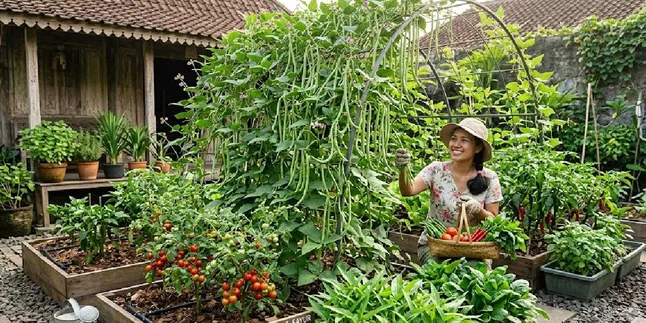
Kapanlagi.com - Who doesn't know jipang vegetables or Siamese pumpkin? This vegetable, scientifically named Sechium edule, is indeed a favorite on Indonesian dining tables due to its delicious taste and crunchy texture. It's no wonder that many people are curious about how to properly plant jipang vegetables so they can harvest them themselves in their backyard without having to buy them from the market every day. Besides being economical, growing your own is certainly healthier as it is free from excess pesticides.
Interestingly, a study in the Agrohita Journal (Vol. 8, No. 4, 2023) by Luluk Prihastuti Ekowahyuni et al., mentions that semi-organic cultivation of Siamese pumpkins has proven effective in improving the quality of harvests that are safer for consumption. This proves that with the right techniques, this plant can grow lush and healthy. Here is Liputan6.com's review on how to properly plant jipang vegetables from various sources Thursday (30/7/2026).
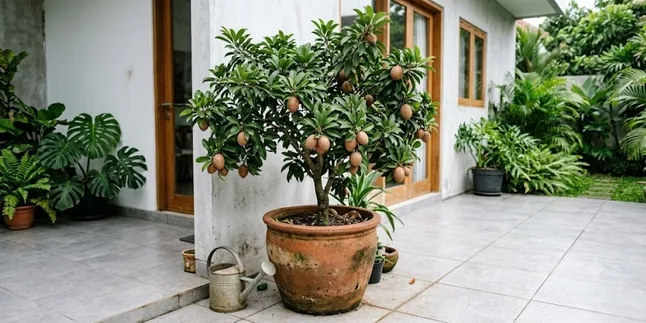
1. Choosing Superior Seeds from Mature Fruit
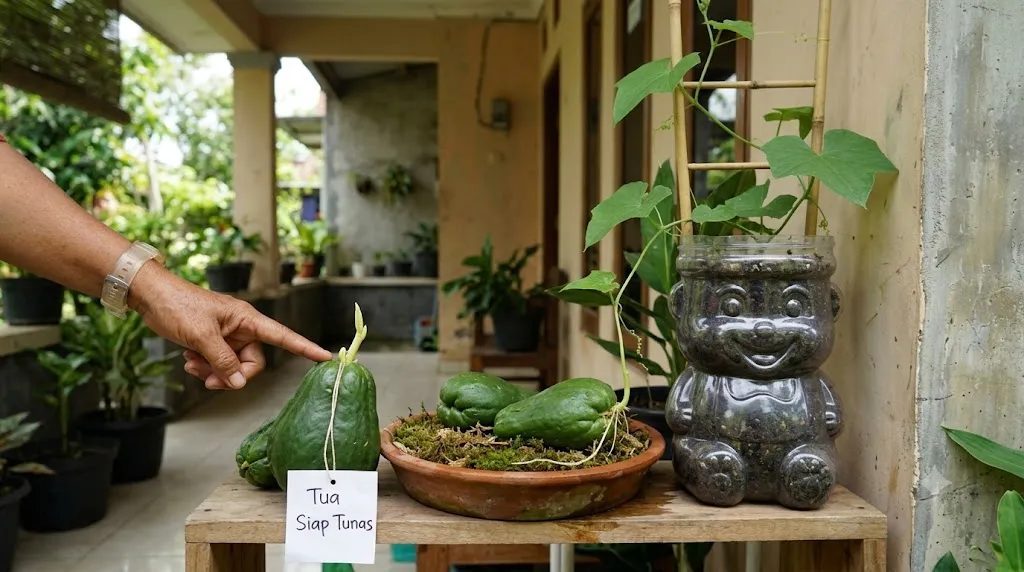
Choosing Superior Seeds from Mature Fruit (AI Generated)
The first and most crucial step is to choose high-quality jipang seeds because this is the main determinant of your future harvest's success. Make sure to select fully mature Siam pumpkin fruit, with a hard skin, dark green color, and no physical defects or signs of pest damage so that the shoots can grow optimally.
After obtaining the mature fruit, do not plant it directly into the ground; instead, store it in a moist and shaded place for a few days. Allow shoots to emerge approximately 10-20 cm from the tip of the fruit. This natural sprouting process is very important to ensure the roots are ready to adapt when transferred to the field.
2. Preparing Loose and Fertile Soil
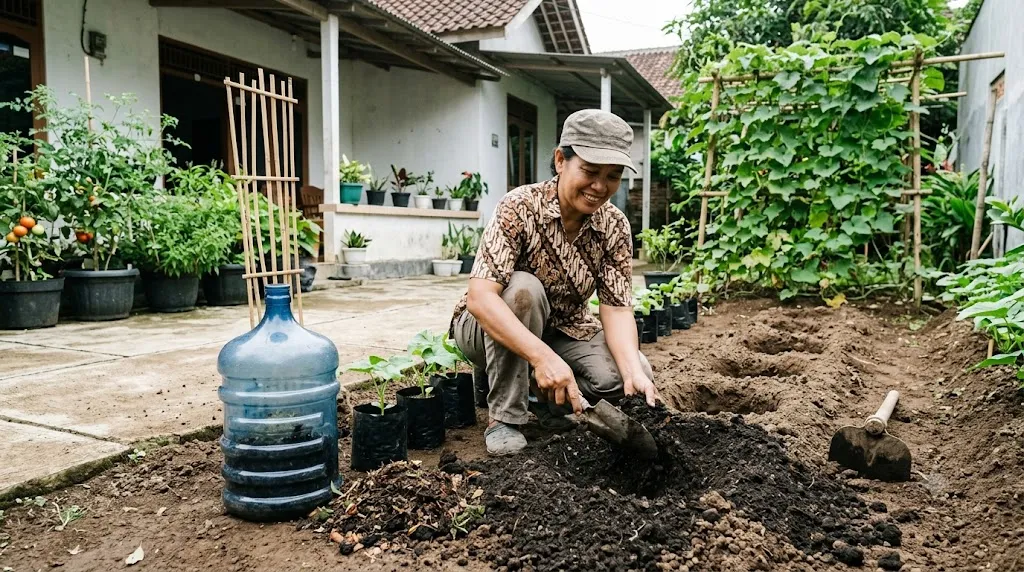
Preparation of Loamy and Fertile Land (AI Generated)
Jipang plants thrive in loose, nutrient-rich soil with good water drainage to prevent root rot. You need to dig the soil to a depth of 30 cm, then mix it evenly with manure or well-decomposed compost to enhance fertility and improve the structure of overly compacted soil.
If you have limited land or the soil is less than ideal, create planting holes measuring 50 x 50 cm with a depth of 40 cm to house the jipang seeds. Fill the holes with a mixture of soil and manure in a 1:1 ratio, then let it sit for a week before planting to allow toxic gases from the soil to dissipate completely.
3. Targeted Planting Techniques
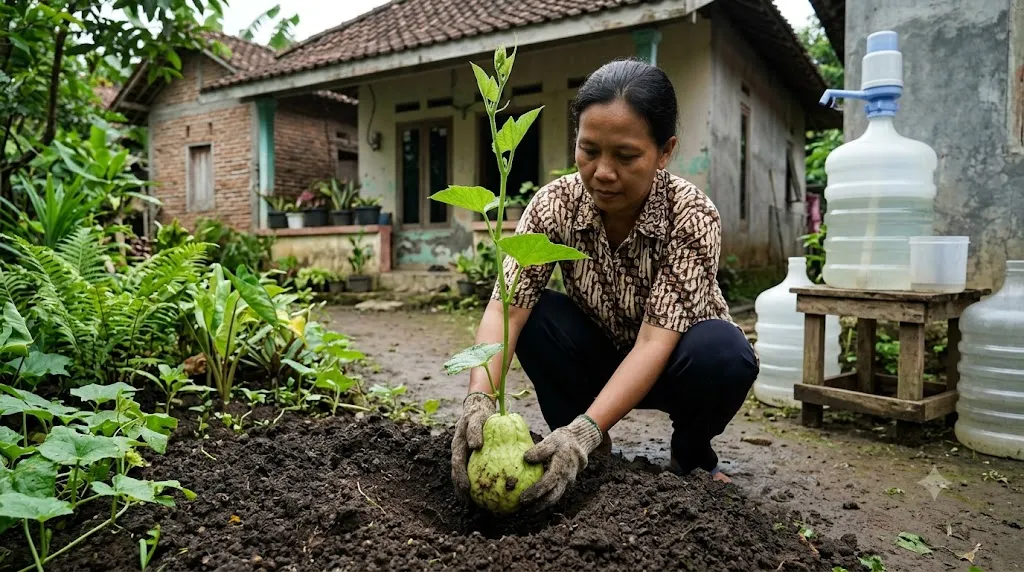
Targeted Planting Techniques (AI Generated)
The process of planting jipang should not be done carelessly; position the sprouted seeds carefully into the planting hole. Only insert half of the fruit into the soil, while the sprout part must remain above the soil surface and facing straight up so that the growth of the stem is not hindered.
The best time to plant is at the beginning of the rainy season because the availability of water is abundant for the initial phase of vegetative growth. If you plant in the dry season, make sure to water it twice a day, in the morning and evening, so that the seedlings do not wilt and die from drought before their roots are firmly gripping the soil.
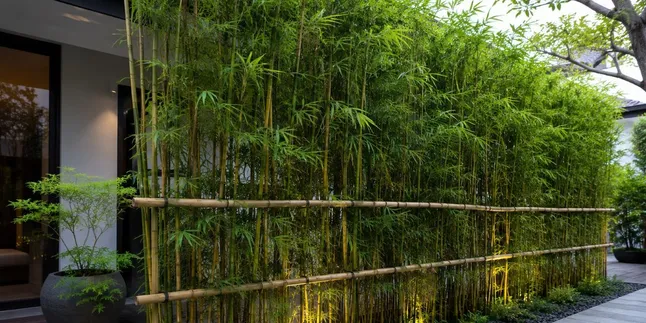
4. Installation of Strong Trellises (Supports)
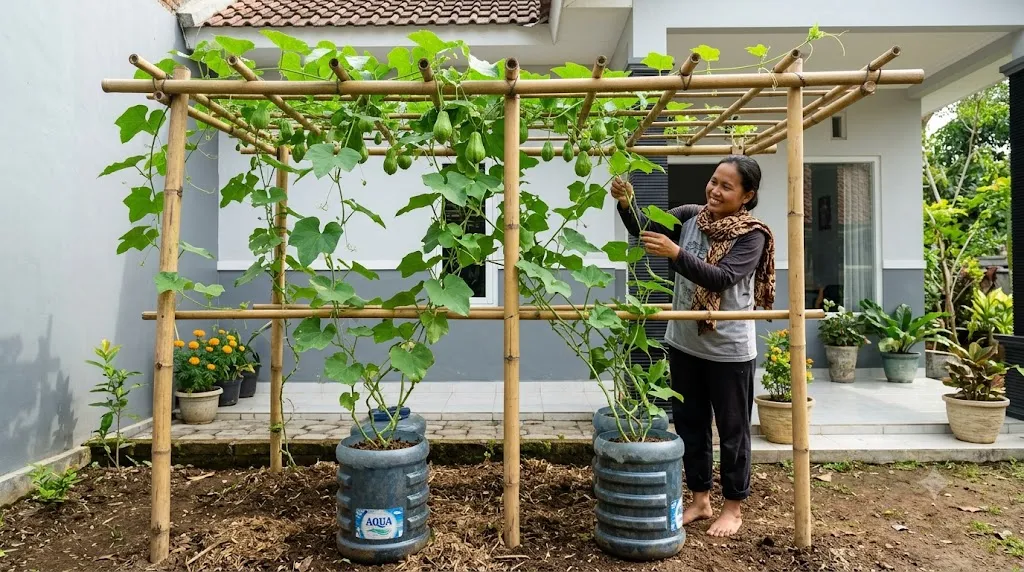
Installation of a Strong Trellis (Climbing Support) (AI Generated)
Remember, jipang is a climbing plant that requires a living support or trellis to support its heavy stem and fruit. Make a trellis from strong bamboo with a height of about 2 meters above the ground to ensure good air circulation and sunlight can evenly reach all parts of the plant.
- The design of the trellis should resemble a flat or slightly sloped roof to prevent rainwater from pooling in between the leaves.
- Ensure the supporting poles are planted deep enough so they do not topple over when the plant becomes lush and bears heavy fruit later.
- Manually guide the plant's tendrils to the climbing poles at the beginning of growth so the plant grows neatly and orderly along the path.
5. Routine Care and Harvest Time
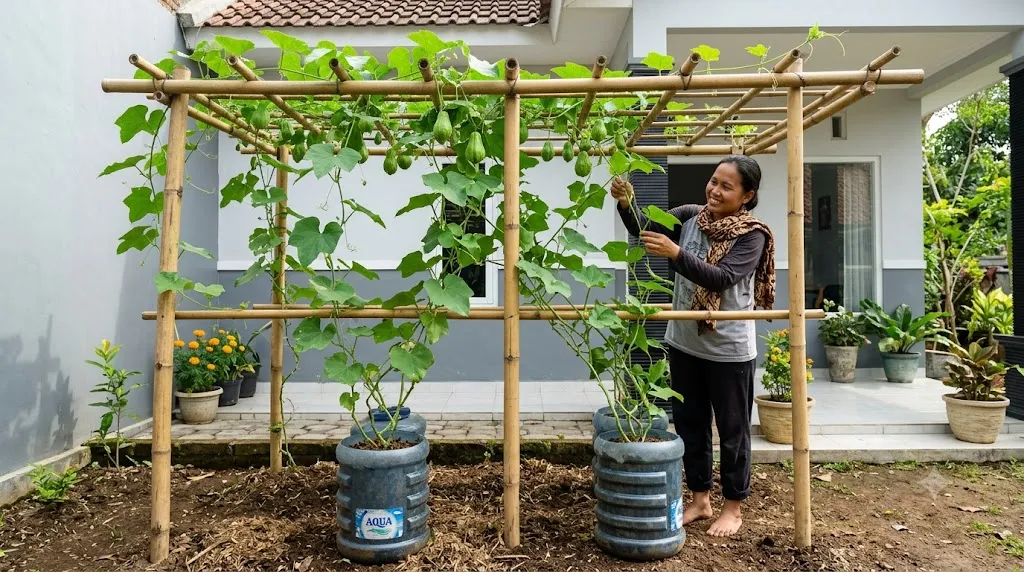
The key to ensuring jipang bears abundant fruit consistently is regular care, especially watering and pruning leaves. Water regularly every day, but avoid waterlogged soil. Additionally, prune old or yellowing leaves so that nutrients can be focused on the formation of new flowers and fruits.
You can start harvesting jipang fruit for the first time when the plant is 3 to 4 months old after planting, depending on the fertility of the soil. The signs that the fruit is ready to harvest are that its size is maximized, but the skin still looks shiny and is not too hard. Cut the fruit stem with a sharp knife to avoid damaging the main stem of the plant.
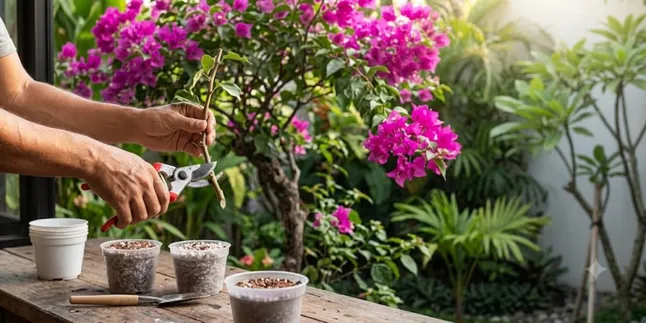
6. The Secret of Topping Pruning to Prevent Fruit from Dropping
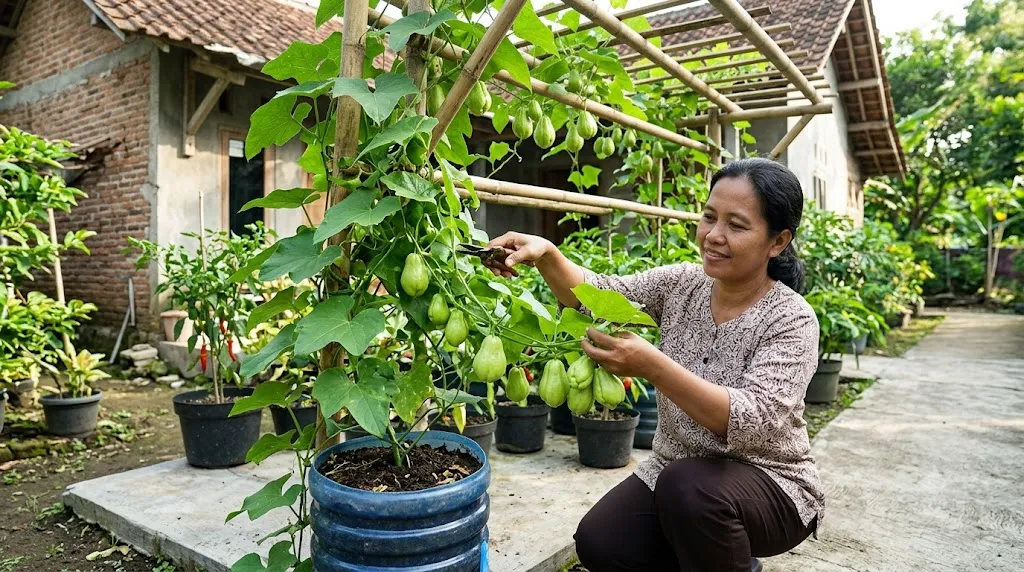
The Secret of Topping Pruning to Prevent Fruit from Dropping (AI Generated)
One of the secret tricks of successful farmers that is rarely known by the general public is the technique of topping the main stem when the plants are 3-6 weeks old. By cutting the main shoot, the plants will be stimulated to grow many new side branches that will actually become the place for the emergence of more and denser fruit candidates.
In addition to topping, you also need to reduce the overly dense leaves around the fruit so that sunlight can penetrate. Sufficient sunlight will prevent excessive humidity that is favored by fungi, while also speeding up the fruit ripening process so you can harvest more often with super premium fruit quality.
7. Q&A About Jipang Cultivation
1. How long can the productive lifespan of the jipang plant last and continue to bear fruit?
The jipang plant has a relatively long lifespan compared to other vegetables, reaching a productive age of 3 to 4 years if properly cared for. During this period, you do not need to replant from scratch; just perform regular fertilization and rejuvenation by pruning old stems so that young shoots can grow back and produce fruit.
2. What are the pests that most frequently attack jipang and how can they be dealt with?
The main enemies of the jipang plant are usually fruit flies that cause the fruit to rot and become maggot-infested, as well as aphids that curl the leaves. The solution is quite simple; you can set up fruit fly traps or spray plant-based pesticides made from neem leaf extract or tobacco soak water that is safe for the surrounding environment.
3. Can jipang be planted in pots if there is no large land available?
Of course, planting jipang in pots or large polybags with a diameter of at least 40-50 cm is a smart solution for limited space. The key is to use very porous planting media, diligently provide liquid fertilizer every week, and ensure there is a mini trellis or house fence for the stems to climb in search of sunlight.
(kpl/ibr)
Disclaimer: This translation from Bahasa Indonesia to English has been generated by Artificial Intelligence.


 Follow
 Rekomendasi