Kapanlagi.com - The practices and virtues of the Night of Lailatul Qadar are among the most anticipated topics by Muslims every time Ramadan arrives. This night, which is said to be better than a thousand months, is believed to be a special moment when the mercy, forgiveness, and blessings of Allah SWT descend abundantly for His servants who sincerely worship.
During this blessed and forgiving month of Ramadan, Muslims are encouraged to increase various good deeds to attain the pleasure and maximum rewards from Allah SWT. This is in line with Allah's words in the Qur'an: “The Night of Lailatul Qadar is better than a thousand months.” (QS. Al-Qadr: 3).
As reported by KapanLagi from NU Online, the night of Lailatul Qadar is also a rare opportunity that does not come every time, thus Muslims are encouraged to enliven it with worship, prayer, and good deeds. Even in a hadith narrated from Muhammad, it is mentioned, “Whoever revives the Night of Lailatul Qadar with faith and hopes for reward from Allah, then his past sins will be forgiven.” (HR. Bukhari and Muslim).
1. Understanding and Meaning of Lailatul Qadar
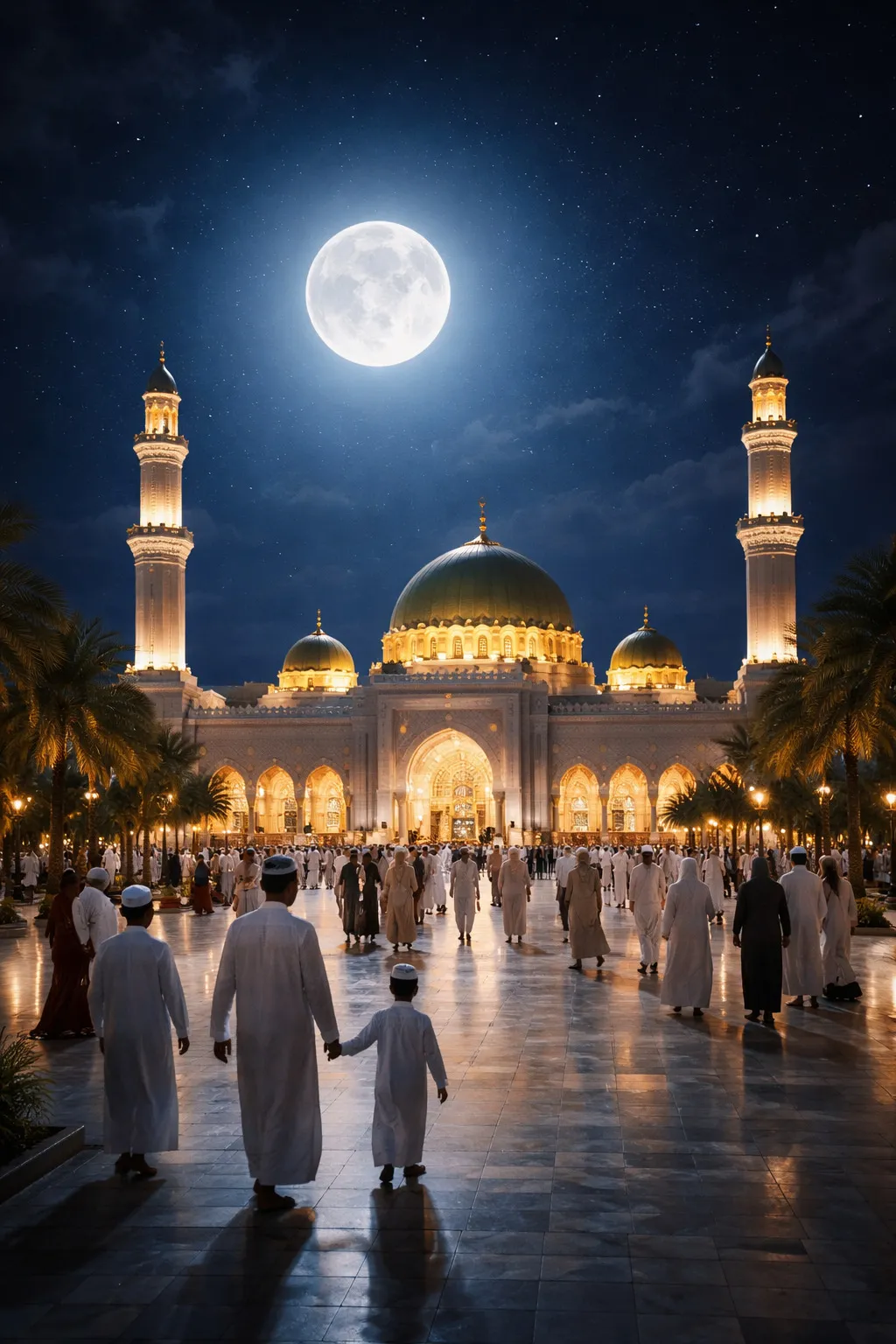
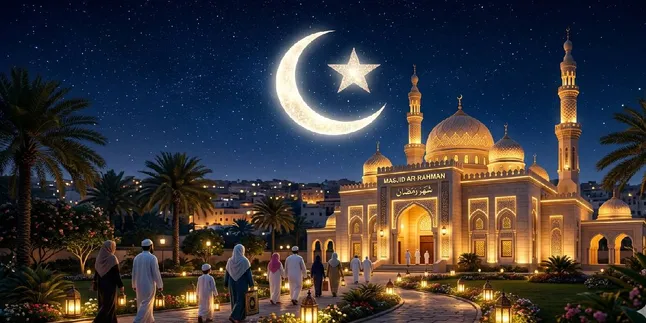
bright full moon/image by AI
In the studies of scholars, Lailatul Qadar has a very profound meaning and is not merely understood as a night full of blessings. According to the explanation of M. Quraish Shihab published on the Nahdlatul Ulama website as summarized by KapanLagi, the word qadar can be interpreted as decree, honor, as well as measure or determination set by Allah SWT.
This meaning indicates that the night of Lailatul Qadar is the time when various divine decrees for humanity are determined. In Surah Al-Qadr verse 1 it is also mentioned, “Indeed, We have sent it down (the Qur'an) on the night of Lailatul Qadar.” This verse emphasizes that this night holds a very exalted position as it marks the beginning of the revelation of the Qur'an to the Prophet Muhammad SAW.
Furthermore, scholars explain that Lailatul Qadar also symbolizes spiritual honor for those who utilize it sincerely. Those who enliven this night with worship are believed to attain a high rank in the sight of Allah SWT.
2. When Does Lailatul Qadar Occur?
The question of when exactly Lailatul Qadar occurs is always a concern for Muslims every Ramadan. Based on various hadiths, the Prophet Muhammad SAW advised his followers to seek it during the last ten nights of Ramadan, especially on the odd nights.
In one hadith it is mentioned: “Seek Lailatul Qadar on the odd nights of the last ten nights of Ramadan.” (HR. Bukhari). This hadith indicates that the time of this night is deliberately kept secret so that Muslims will be more diligent in worship throughout the end of Ramadan.
Meanwhile, based on a study published by NU Lampung, there is a prediction that Lailatul Qadar in 2026 may occur on the 25th night of Ramadan. Nevertheless, scholars continue to emphasize that the certainty of its timing is known only to Allah SWT, so Muslims are encouraged to engage in worship throughout all the nights of the last ten days.
Thus, the main spirit in waiting for Lailatul Qadar is not merely guessing its date, but rather increasing worship consistently. The more good deeds performed during those nights, the greater the chance for someone to receive the blessings of that special night.
3. The Virtues of the Night of Lailatul Qadar
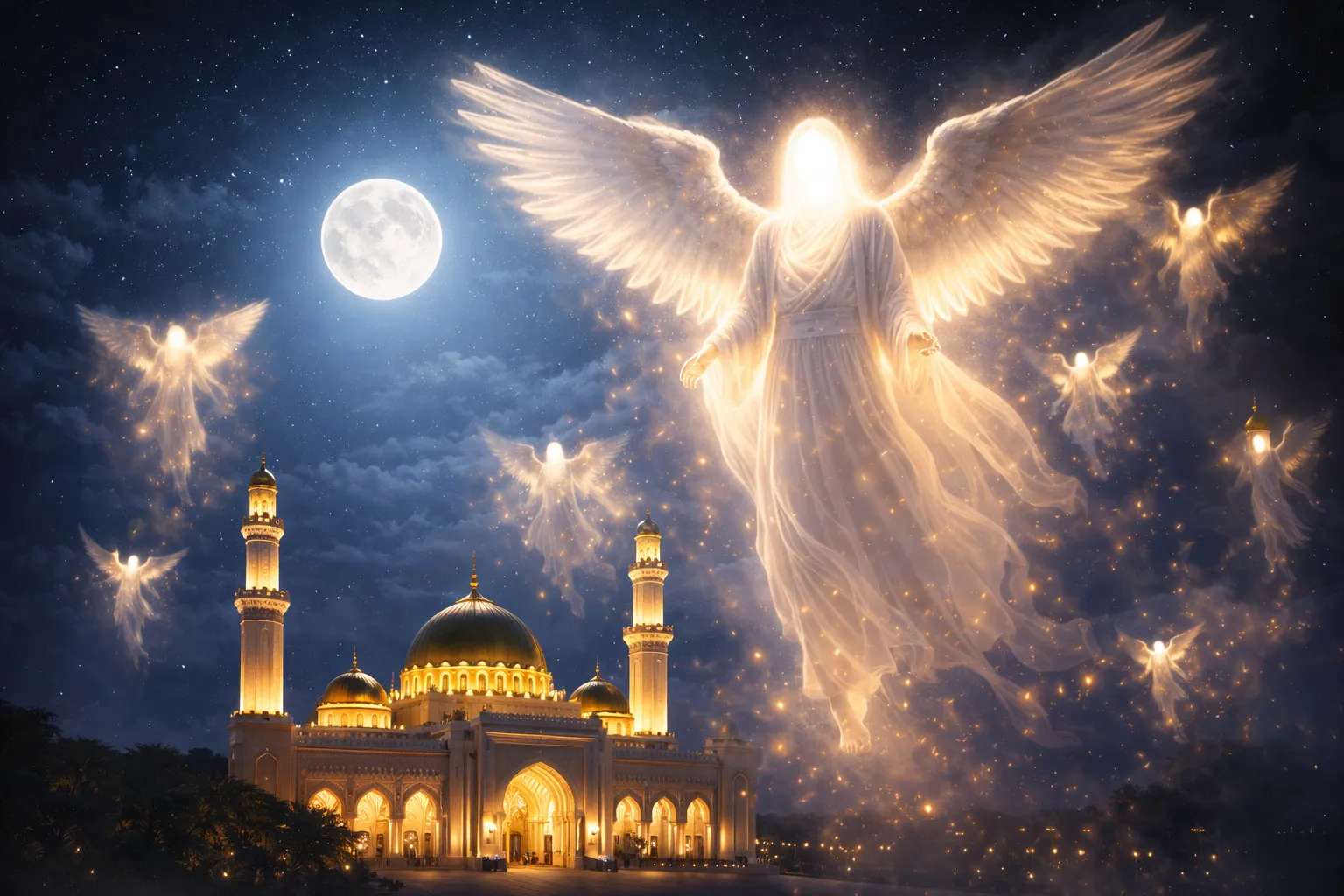
angel descending/image by AI
The Night of Lailatul Qadar has many virtues that make it the most special night in Islam. One of its virtues is mentioned directly in the Qur'an, which is its value being better than a thousand months.
Allah SWT says:
"The Night of Glory is better than a thousand months." (QS. Al-Qadr: 3).
Scholars explain that a thousand months is equivalent to about 83 years. This means that one night of worship on Lailatul Qadar has a reward that exceeds worship for decades.
Additionally, on this night, angels descend to the earth bringing various blessings and mercy. This is mentioned in the Qur'an:
"On that night, the angels and the Spirit (Gabriel) descend by permission of their Lord for every matter." (QS. Al-Qadr: 4).
Another virtue is the forgiveness of sins for those who spend the night of Lailatul Qadar in faith and sincerity. The Prophet Muhammad SAW said:
"Whoever performs prayer on the Night of Lailatul Qadar out of faith and hoping for reward, his past sins will be forgiven." (HR. Bukhari and Muslim).
For this reason, many Muslims take advantage of the last ten nights of Ramadan with i'tikaf, night prayers, reading the Qur'an, and increasing their supplications.
4. Recommended Practices on the Night of Lailatul Qadar
Reviving the night of Lailatul Qadar is not only done with one type of worship. According to the explanation found on the NU Jombang website, there are several practices exemplified by the Prophet Muhammad SAW to attain the blessings of that night.
Night Prayer (Qiyamul Lail)
One of the main practices on the night of Lailatul Qadar is performing night prayers such as tahajud and tarawih. The Prophet Muhammad SAW was known to be very diligent in worship during the last ten nights of Ramadan.
Aisyah RA narrated:
"When the last ten nights of Ramadan arrived, the Prophet tightened his waist belt, revived the night, and woke up his family." (HR. Bukhari and Muslim).
Night prayers at this time become a form of closeness of a servant to Allah SWT. In the calm atmosphere of the night, prayers and supplications to Allah feel more focused.
5. Increasing Supplications
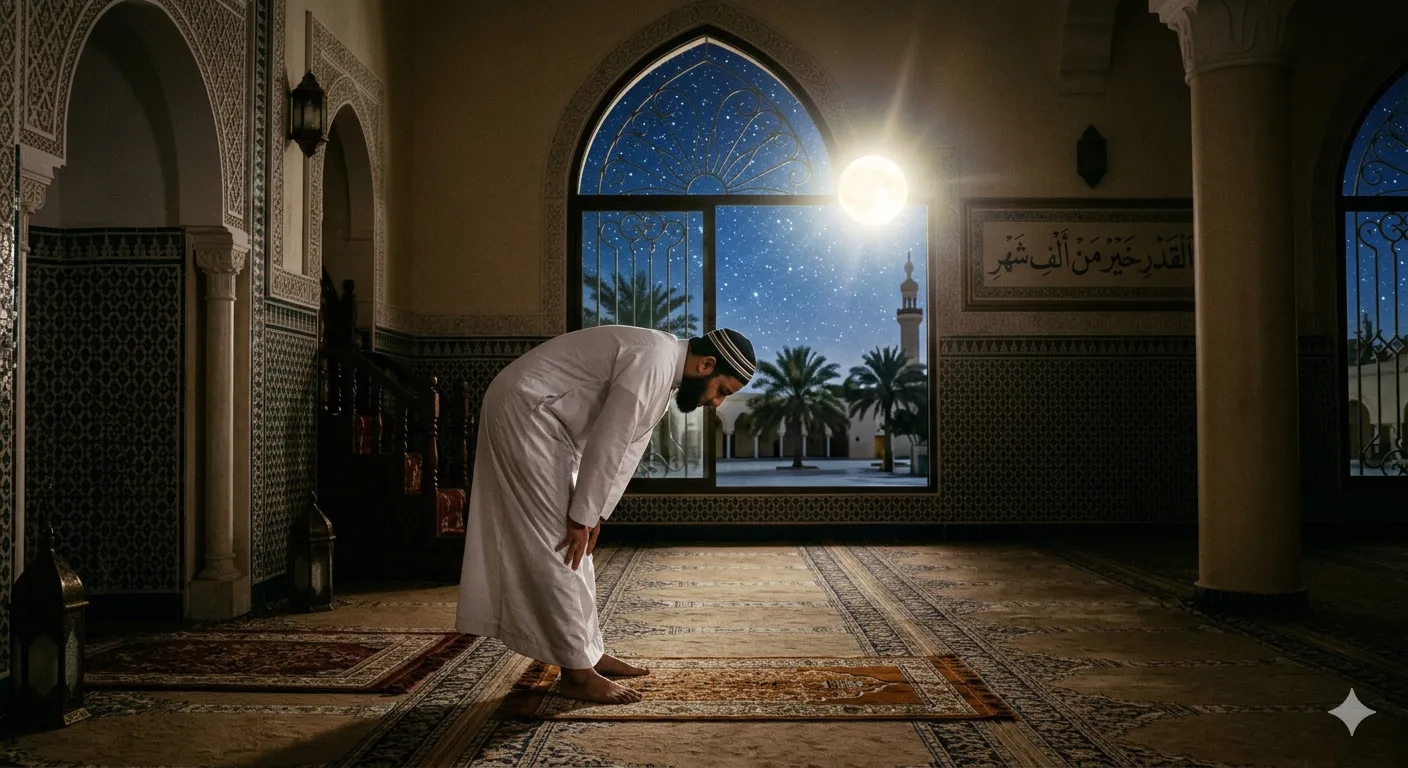
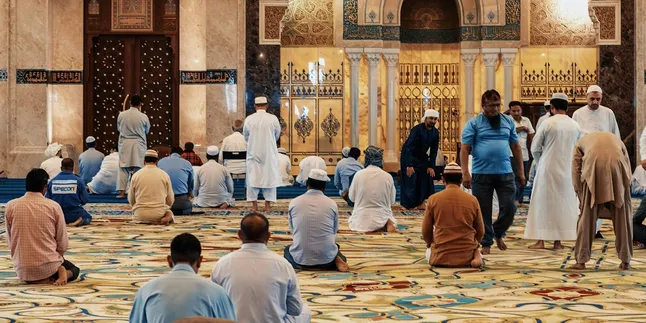
night prayers/image by AI
In addition to night prayers, increasing supplications is also an important practice on Lailatul Qadar. Even the Prophet Muhammad SAW taught a specific prayer that is recommended to be recited on that night.
The prayer is as follows:
"Allahumma innaka ‘afuwwun tuhibbul ‘afwa fa’fu ‘anni."
The meaning is: “O Allah, You are Most Forgiving and love forgiveness, so forgive me.”
This prayer is narrated in a hadith from Aisha RA when she asked the Prophet about the best prayer to recite during Lailatul Qadar. This hadith serves as a guideline for Muslims to seek forgiveness with full humility.
6. Reading and Reflecting on the Qur'an
Another highly recommended practice is reading the Qur'an. This is very relevant because the night of Lailatul Qadar is the time when the Qur'an was first revealed.
Allah SWT says:
"Indeed, We sent it down on a blessed night." (QS. Ad-Dukhan: 3).
Reading the Qur'an on this night is not just about reading the text, but also understanding its meaning. Many scholars suggest combining it with reflection (tadabbur) so that the heart becomes closer to Allah.
7. I'tikaf in the Mosque
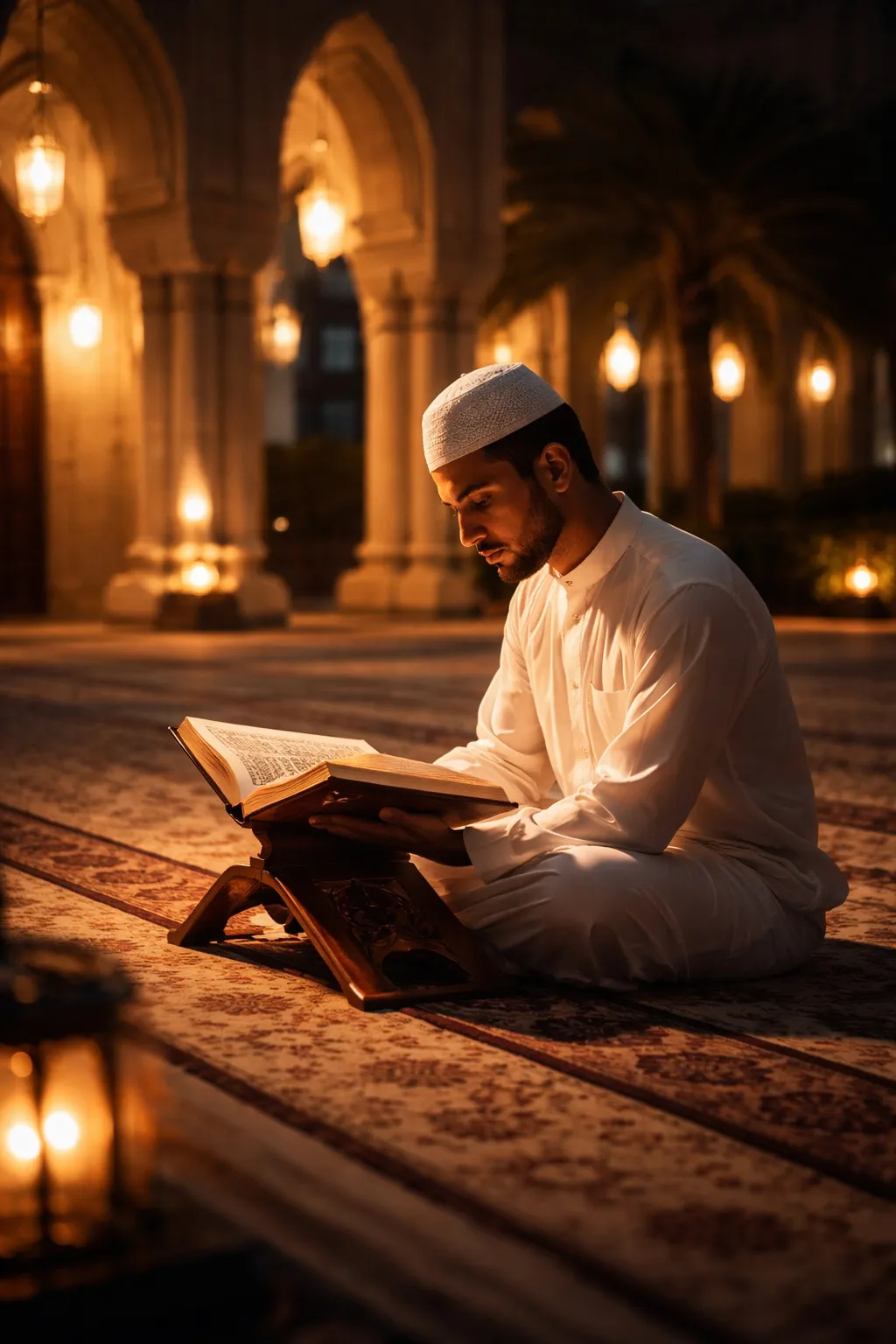
read the Quran/image by AI
I'tikaf is a practice that is also highly recommended during the last ten nights of Ramadan. This act of worship is performed by staying in the mosque to increase remembrance (zikr), prayers, and other acts of worship.
It is known that the Prophet Muhammad (SAW) regularly performed i'tikaf every Ramadan until he passed away. In a hadith it is mentioned:
“The Prophet Muhammad (SAW) always performed i'tikaf during the last ten days of Ramadan.” (HR. Bukhari).
Through i'tikaf, a Muslim can fully focus on worship without being disturbed by worldly affairs.
8. The Wisdom of Lailatul Qadar
Lailatul Qadar not only holds a high value of worship, but also contains great wisdom for human life. This night teaches the importance of earnestness in seeking the mercy of Allah SWT.
With the exact time of Lailatul Qadar being kept secret, Muslims are encouraged to continue worshiping consistently throughout Ramadan. This fosters strong spiritual habits in daily life.
Additionally, Lailatul Qadar also serves as a moment for self-reflection. On this night filled with forgiveness, every Muslim is invited to seek forgiveness for past mistakes and to commit to becoming a better person.
Ultimately, the blessings of Lailatul Qadar are not only felt on that night but also bring about changes in a person's life after Ramadan ends.
9. FAQ
1. What is meant by the Night of Lailatul Qadar?
The Night of Lailatul Qadar is a night full of glory that occurs during the month of Ramadan and is said to be better than a thousand months. On this night, Allah SWT sends down mercy, blessings, and decrees for His creatures, as mentioned in Surah Al-Qadr in the Qur'an.
2. When does the Night of Lailatul Qadar occur?
Lailatul Qadar is believed to occur on one of the nights in the last ten days of the month of Ramadan, especially on odd nights such as the 21st, 23rd, 25th, 27th, or 29th. Since the exact time is kept secret, Muslims are encouraged to increase their worship on all nights at the end of Ramadan.
3. Why is the Night of Lailatul Qadar so special?
The special nature of Lailatul Qadar lies in the immense reward for worship during this night, which is even better than worship for a thousand months. In addition, angels descend to the earth bringing mercy and blessings until dawn.
4. What are the recommended practices on the night of Lailatul Qadar?
Some of the recommended practices include night prayers (qiyamul lail), reading the Qur'an, increasing supplications and seeking forgiveness, as well as performing i'tikaf in the mosque. These practices were exemplified by Muhammad during the last ten nights of Ramadan.
5. What are the signs that someone has received the night of Lailatul Qadar?
Scholars explain that those who attain Lailatul Qadar usually feel tranquility, peace, and a strong urge to do good deeds. Additionally, the morning after Lailatul Qadar is mentioned in several hadiths to have a bright and calming atmosphere.
Want to know the latest information about the entertainment world? Come check it out at KapanLagi.com. If not now, when?
(kpl/mda)
Disclaimer: This translation from Bahasa Indonesia to English has been generated by Artificial Intelligence.


 Follow
 Rekomendasi