

 Follow
 Rekomendasi
15 Korean Dramas About Work Rivals Who Eventually Become a Couple, from Business Proposal to Crazy Love
From enemies to lovers! Here are 15 Korean dramas about work rivals who ultimately become a couple. Get ready to smile at their chemistry.
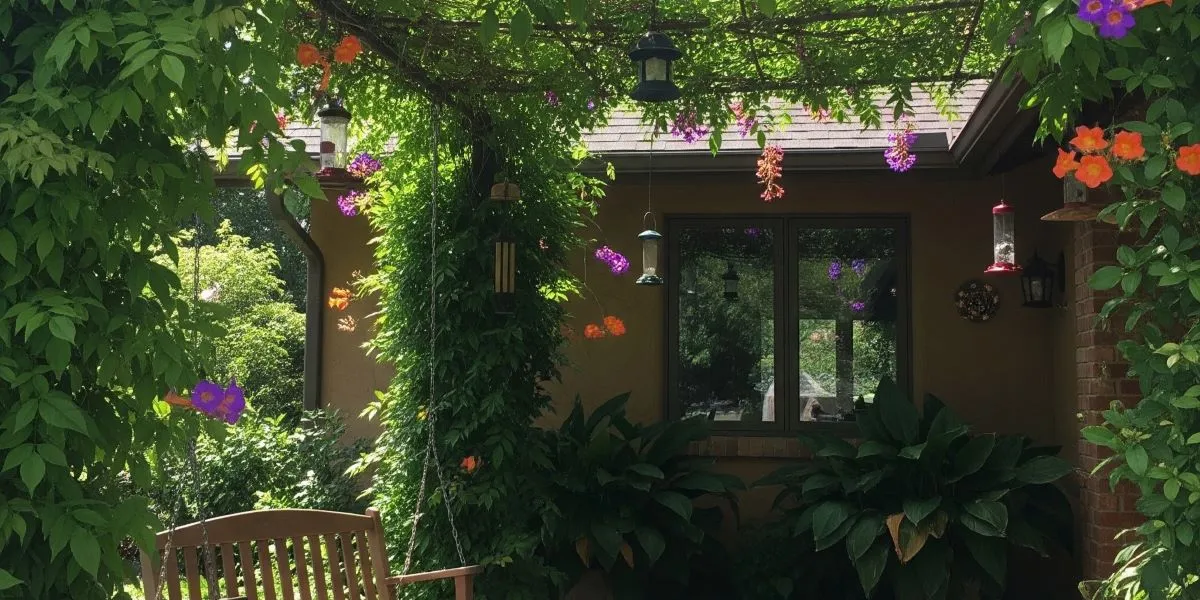
Kapanlagi.com - A canopy in front of or beside a house not only serves as protection from heat and rain, but it can also be an important part of the home's appearance. Unfortunately, a canopy that is left unattended can sometimes look empty and feel hot, especially when using materials that do not provide much coolness. One simple way to make the area more comfortable is to add climbing plants that can grow along the canopy frame.
Climbing plants have interesting growth characteristics because their stems and tendrils can be directed to cover the top and sides of the canopy. As they grow denser, these plants can provide a green impression while helping to create a cooler atmosphere. Some types even produce flowers with attractive colors, making the canopy not only a shade provider but also a decorative element that beautifies the yard.
However, not all climbing plants are suitable for planting on canopies. The selection needs to be adjusted to the light conditions, the size and strength of the canopy frame, growth rate, water needs, and the level of care that can be provided. If you want to achieve a green canopy without having to wait too long, some types of climbing plants are known for their relatively fast growth and ease of direction. So, what are some fast-growing climbing plants for canopies that can make a house more beautiful? Citing various sources, Tuesday (18/8/2026), here is the information review.
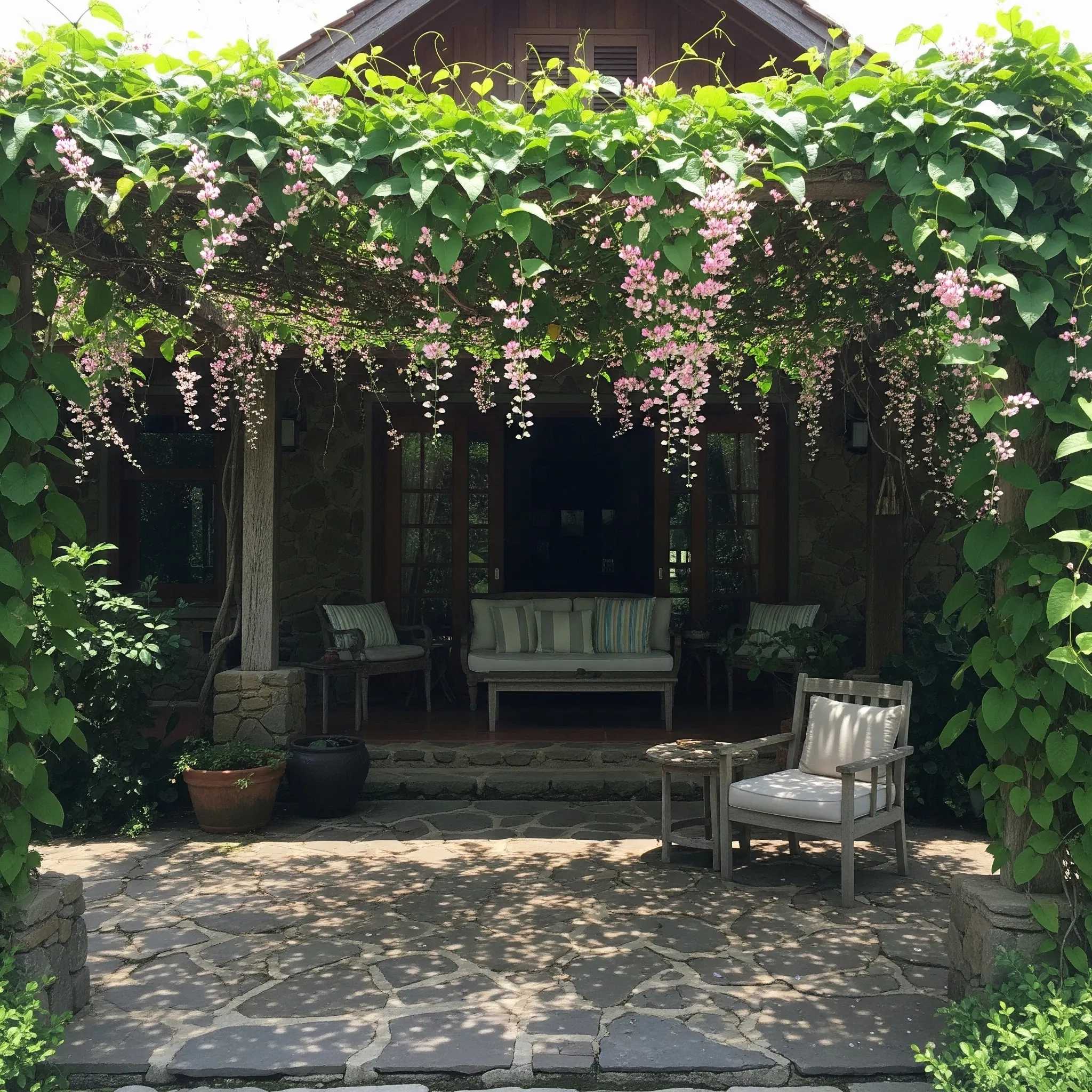
Bridal veil (Antigonon leptopus) is one of the attractive climbing plants to green up canopies. This plant has relatively fast growth and can climb along the available framework. Its main attraction lies in the pink to white flowers that appear in sufficient numbers, making the surface of the canopy look livelier when the plant starts to bloom.
This plant prefers locations with ample sunlight exposure. Therefore, bridal veil is better placed on canopies that are in open areas and receive direct or abundant sunlight. The growing medium should have good drainage to prevent water from pooling around the roots. Soil that is too wet for a long time can hinder the plant's growth.
Its rapid growth is both an advantage and something to be mindful of. The stems and tendrils need to be periodically directed to spread evenly over the canopy. Pruning can also be done when growth starts to become too dense or extends beyond the desired area. With such care, the plant can form a green layer and attractive flowers without making the canopy look unkempt.
Alamanda (Allamanda cathartica) is known as a tropical ornamental plant with bright yellow trumpet-shaped flowers. This plant can grow long and can be directed onto trellises or canopy frames. Its striking flower color makes alamanda suitable for homeowners who want to create a bright and tropical impression in their terrace area.
Alamanda requires sufficient sunlight for optimal growth and flowering. The plant should be planted in fertile media with good drainage. Watering should be adjusted to the weather conditions and planting media, as the plant needs moisture but does not like constantly waterlogged soil.
Because its growth can be quite dense, alamanda should not be left to grow unchecked. The elongated stems need to be directed onto the canopy frame, while excessively long parts can be pruned. It is also important to note that alamanda sap can cause irritation in some people, so it is advisable to wear gloves when pruning and keep the plant away from areas easily accessible to children or pets.
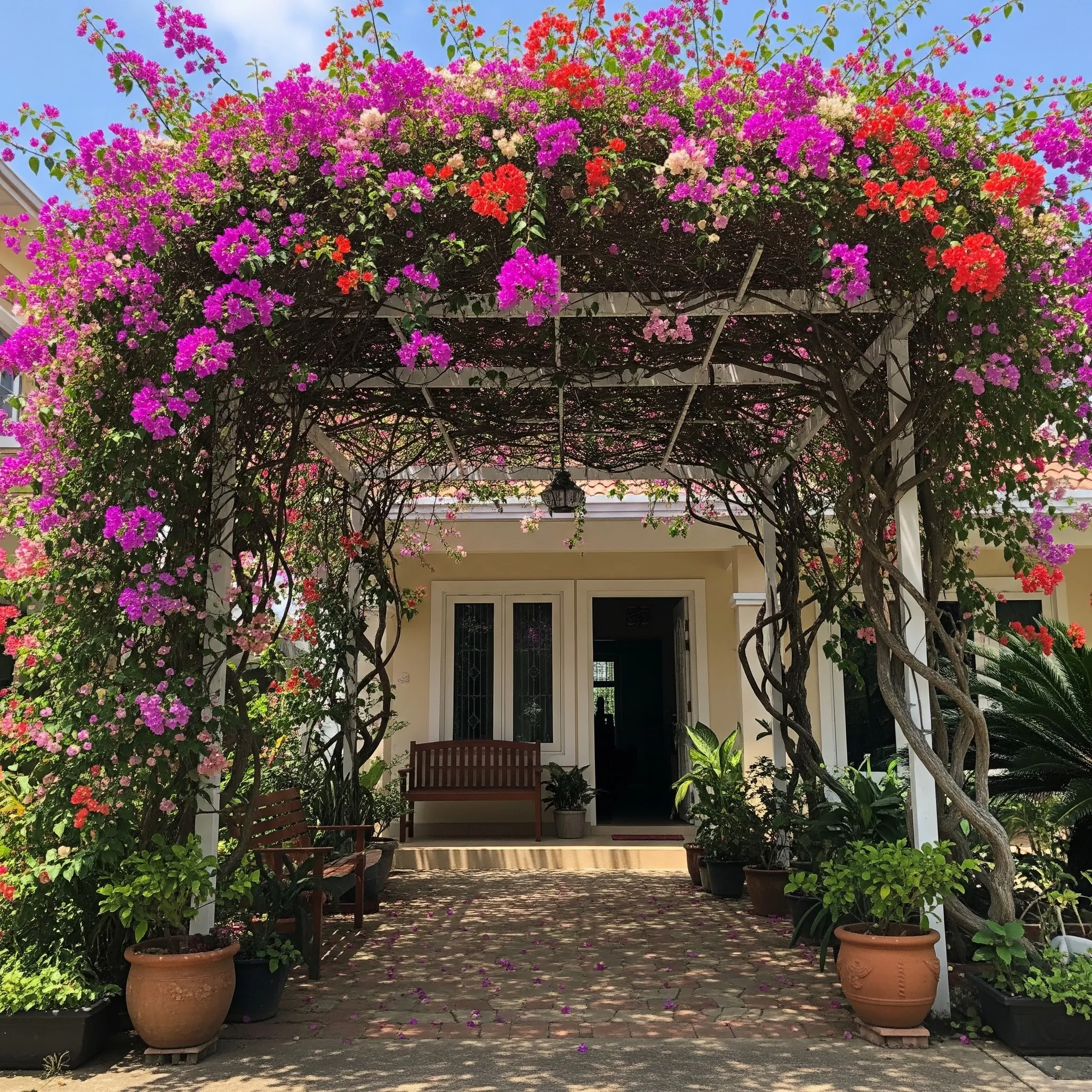
Bougainvillea or bougainvillea (Bougainvillea) is a climbing plant that is very popular in tropical areas. This plant has a variety of colors, ranging from pink, red, purple, white, to orange, depending on the variety. The presence of striking flowers and bracts can make the canopy look like it has natural decorations.
Bougainvillea loves abundant sunlight and tends to bloom more profusely when it receives good lighting. This plant is relatively resistant to hot conditions after it has grown well, making it a good choice for canopies in open yards. The planting medium must still have good drainage because standing water can disrupt root health.
Although often referred to as a climbing plant, bougainvillea does not have tendrils like some other climbing plants, so its stems need to be directed and tied to the canopy frame. Another thing to consider is the thorns on some types of bougainvillea. Pruning should be done carefully, and the plant should not be placed in pathways frequently used by residents. In addition, the canopy frame must be strong enough to support older and bushy plants.
Dutch Jasmine (Combretum indicum), also known as Chinese honeysuckle or Rangoon creeper, is an attractive flowering vine for canopies. The flowers of this plant have a distinctive color change as they develop, starting from white and then turning pink to reddish. This change allows a single plant to provide an interesting combination of colors.
This plant can grow quite long, making it suitable to be directed on a pergola or canopy. A location that receives adequate sunlight will help its growth and flower formation. The plant should be planted in fertile soil with good drainage and receive sufficient watering, especially during its growth stage.
Because its stems can become quite dense, pruning becomes an important part of its care. Stems that grow in undesired directions can be cut, and new growth can be redirected back to the canopy frame. With regular management, Dutch jasmine can provide a combination of green leaves and colorful flowers that make the relaxation area under the canopy feel more lush.
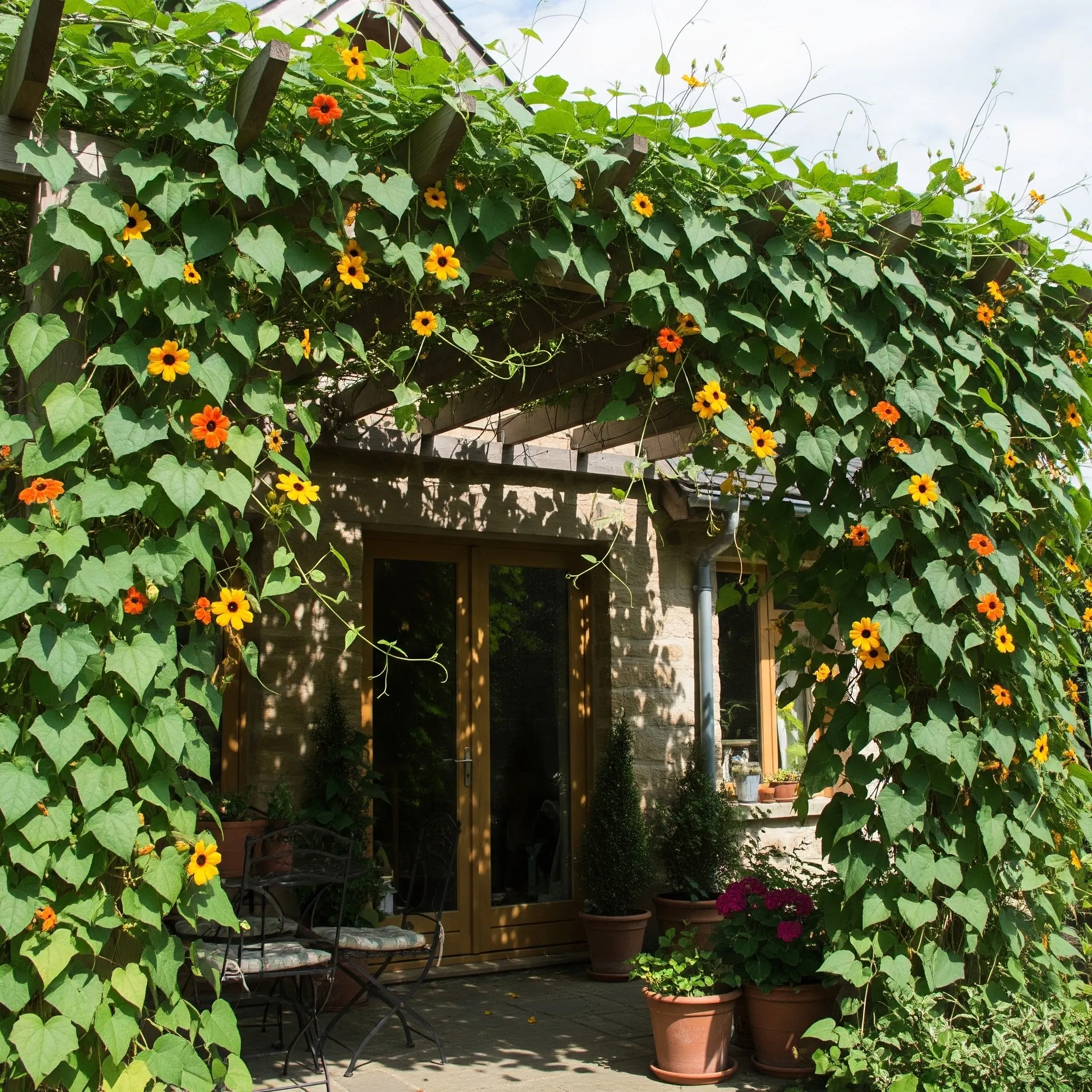
Thunbergia, especially the varieties with trumpet-shaped flowers and contrasting centers, is an attractive climbing plant for covering canopy frames. This plant can grow quickly under suitable conditions and produces many leaves and flowers. Its bright colors can provide a decorative accent to a previously plain canopy.
Thunbergia generally prefers bright conditions with adequate sunlight. The plant can be planted directly in the ground or in large containers placed near the canopy poles. Loose, well-draining media will help root development. Regular watering is necessary, but care should be taken not to make the media too soggy.
Because this plant has relatively active growth, the climbing direction should be determined from the start. Use safe ties or supports to help the stems reach the top of the canopy. Pruning can be done to maintain shape while encouraging tidier growth. With this arrangement, Thunbergia can create a quite attractive green cover without taking over the entire canopy area.
Petrea (Petrea volubilis) can be a choice for homeowners who want a climbing plant with a different flower appearance. This plant produces clusters of purple or bluish flowers that can hang when fully developed. When in full bloom, the clusters provide a dramatic look to the canopy and make the terrace area appear more decorative.
Petrea can grow in tropical regions and prefers conditions that receive plenty of light. The plant requires a growing medium with good drainage and adequate watering. If planted in a location that is too dark, its growth may be less than optimal, and flower formation will not be as good as that of plants receiving sufficient light.
To be used as a canopy plant, petrea needs to be given a strong climbing structure. The stems can be directed to follow the top of the frame and then pruned to maintain the desired shape. Since larger plants can become quite heavy, ensure that the canopy frame is truly sturdy before allowing it to cover a wide area.
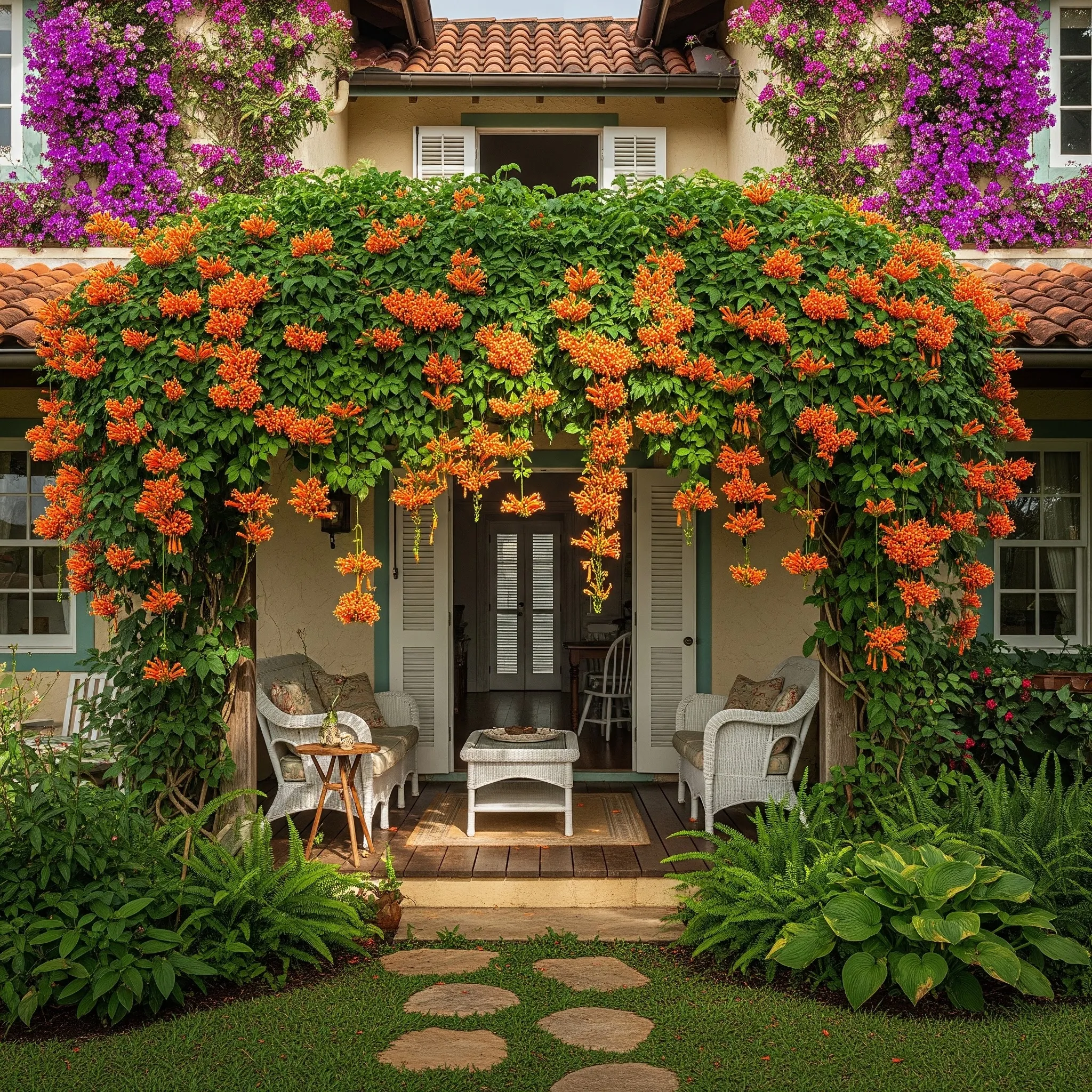
Flame vine (Pyrostegia venusta) is a climbing plant that has flowers ranging in color from orange to bright orange. When in full bloom, this plant can create a blanket-like appearance of flowers over the trellis structure. Its color is very suitable for creating tropical accents in the yard and making the canopy stand out.
This plant can grow quite quickly when it receives the right conditions, especially good lighting. Fertile planting media with good drainage can support its growth. Watering is done according to the needs of the plant and weather conditions, avoiding continuously wet media.
Because its growth can quickly fill the climbing area, flame vine requires regular pruning. Stems that are too long can be directed back to empty areas of the canopy, while parts that have become too dense can be trimmed. Such care is important so that the plant not only grows quickly but also forms a neat and proportional green canopy.
Mandevilla is a flowering climbing plant that has trumpet-shaped flowers in a variety of colors, including pink, red, and white. Its glossy green leaves also make the plant look attractive even when not in bloom. Its decorative character makes mandevilla suitable for terrace areas, pergolas, or canopies with not too large a frame.
This plant requires bright light to grow and bloom well. Mandevilla also needs a planting medium with good drainage because the roots do not like overly wet conditions. If planted in a pot near a canopy, choose a sufficiently large container so that the roots have room to grow, and don't forget to provide drainage holes.
Mandevilla needs to be directed using supports because the plant requires a place to climb. The stems can be wrapped or loosely tied to the frame so that their growth follows the shape of the canopy. Light pruning can help maintain the shape while controlling growth. The plant should also not be allowed to become too dense if the canopy is small to ensure good air circulation.
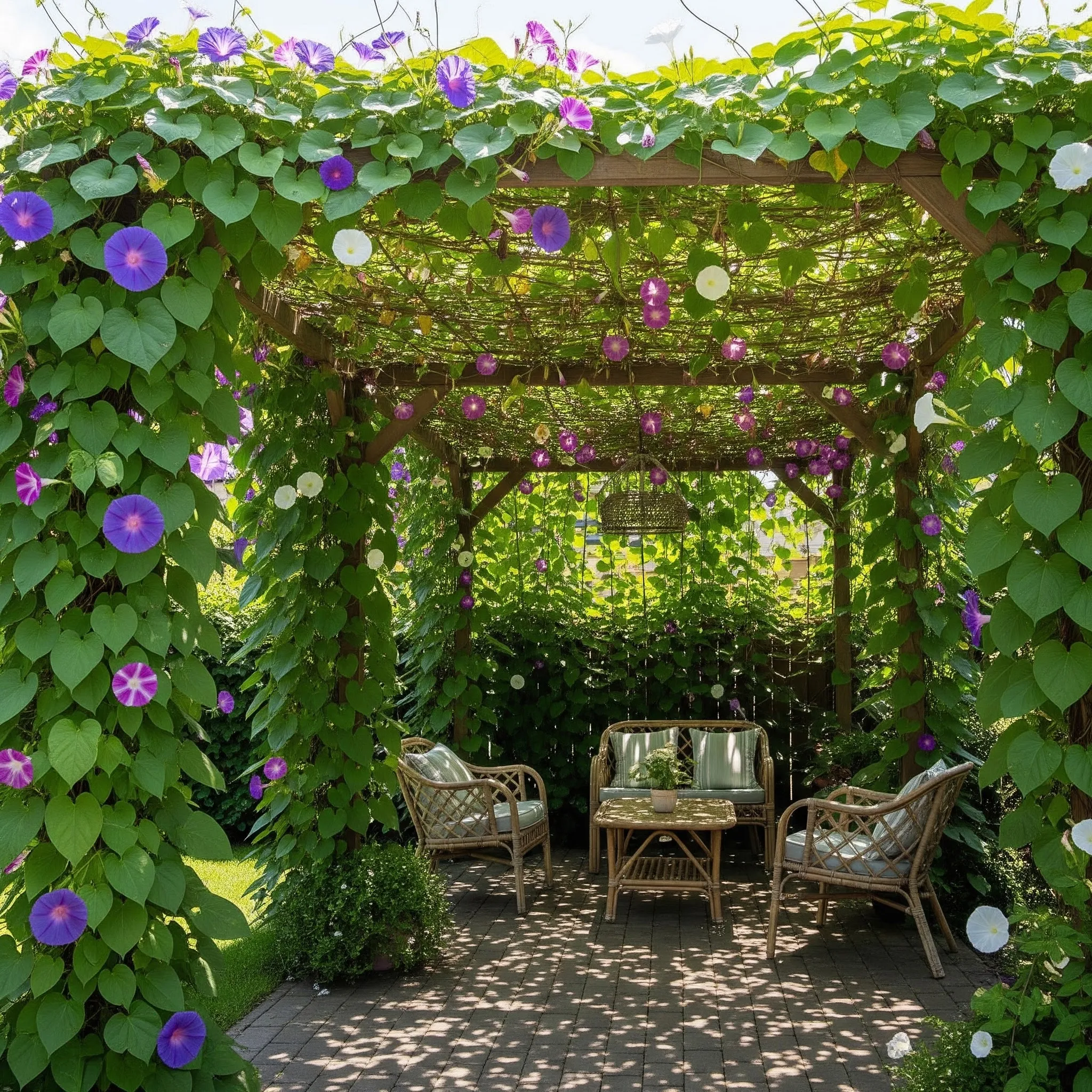
Morning glory (Ipomoea spp.) is a group of climbing plants known for their rapid growth and trumpet-shaped flowers. The flowers can come in various colors, depending on the species or variety. This plant can quickly cover structures, making it a popular choice for those who want to achieve a green appearance in a relatively short time.
This plant generally prefers ample sunlight and well-drained soil. Due to its fast growth, morning glory can be an option for canopies that require quicker plant coverage. However, water needs must still be monitored, especially during hot periods and when the plants are in the early stages of growth.
The advantage of rapid growth also means that the plants need to be pruned and directed more frequently. If left unchecked, the stems can creep into unwanted areas and make the canopy look too dense. Therefore, regular pruning is necessary, and any parts growing outside of the structure should be removed or cut back. For some species of Ipomoea, the seeds can also spread easily, making growth control important to prevent the plants from becoming too invasive in garden areas.
Japanese Jasmine can be a choice for homeowners who want to introduce a climbing plant with fragrant flowers while also providing a softer appearance. This plant can be directed onto a pergola or trellis and produces flowers that create a romantic impression in the terrace area. The presence of brightly colored flowers among the green foliage also makes the canopy look more lively.
To ensure good growth, the plant should be placed in a location that receives adequate sunlight and planted in fertile media with good drainage. Watering should be done when the media begins to dry out, adjusting the frequency based on weather conditions. Periodic fertilization can also help maintain vegetative growth and support flowering, but the dosage should still follow the plant's needs.
To make it a canopy cover, the stems need to be gradually directed using a frame or climbing ties. Pruning can be done when the plant becomes too dense or grows outside the canopy area. With consistent care, this plant can help create a greener, more beautiful, and pleasant relaxing area. Also, ensure that the type of plant purchased is truly suitable for the local climate conditions, as the local name “Japanese Jasmine” may be used for different plants in various places.
Some climbing plants that can be considered include bridal veil, alamanda, bougainvillea, Dutch jasmine, Thunbergia, petrea, flame vine, mandevilla, morning glory, and Japanese jasmine. The growth rate can vary depending on the type of plant, light conditions, growing media, water, and care.
Yes. Plants that grow lush and are directed to cover the top of the canopy can help provide natural shade. However, the level of shade depends on the density of the leaves and the area covered. Plants still need to be pruned so that their growth does not become too dense.
Plants such as bougainvillea, alamanda, bridal veil, and flame vine can be good choices for areas that receive plenty of light. Some flowering plants actually require sufficient sunlight exposure for optimal growth and blooming.
No. The selection of plants must consider the strength of the canopy frame, the size of the plants when mature, growth rate, light requirements, and stem characteristics. Plants that are too heavy or grow very aggressively can burden the structure if the canopy is not designed to support them.
Use strings, special plant wires, trellises, or other safe climbing structures to guide the stems. Tie the stems loosely so as not to injure the plants and provide guidance periodically. When the stems begin to fill the desired area, pruning can be done to maintain its shape.
(kpl/iya)
Cobain For You Page (FYP) Yang kamu suka ada di sini,
lihat isinya
From enemies to lovers! Here are 15 Korean dramas about work rivals who ultimately become a couple. Get ready to smile at their chemistry.
Fresh water spinach can be harvested quickly at home! Utilize used buckets and follow this practical guide for easy, healthy, and environmentally friendly hydroponic water spinach cultivation.

Do you like Korean dramas with a time travel theme? Check out 10 Korean dramas about going back to the past to change fate with stories full of plot twists.
How to overcome curling and wilting taro leaves by identifying the causes and appropriate care steps.
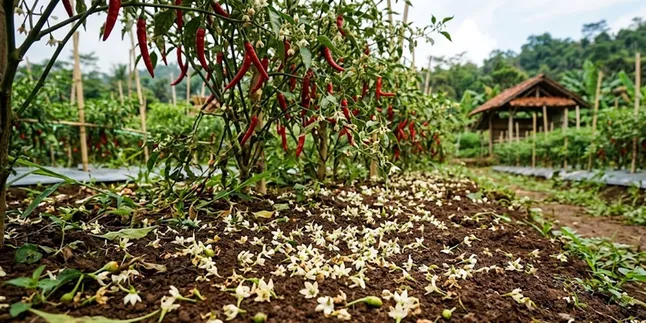
Falling chili flowers can be caused by temperature, watering, nutrition, pests, and even pollination. Identify the causes and follow these 8 simple ways to ensure the flowers survive and the plants become more productive.
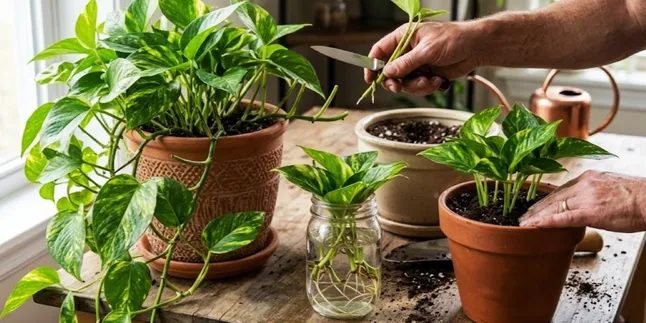
How to propagate pothos using water, planting media, and layering to quickly grow roots and produce new seedlings.
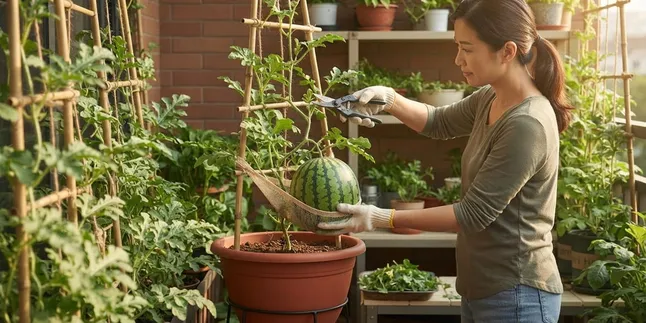
Learn the complete way to plant watermelon in narrow land using pots or polybags. Find tips on choosing mini varieties, planting media, care, and pruning to ensure abundant and sweet fruits.

Discover 12 interesting movies about mummies that are ready to entertain you, from classics to modern films.
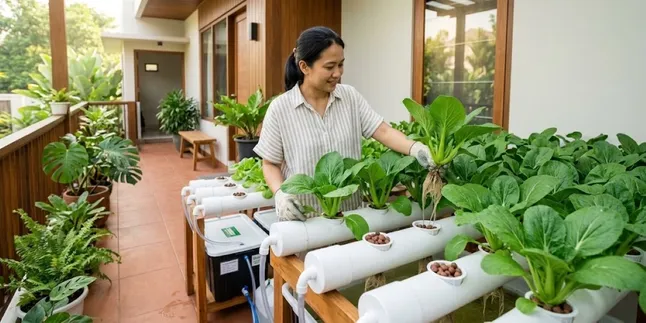
Learn how to grow hydroponic mustard greens without needing soil and large land. Suitable for trying at home with a narrow yard.

Movies set in Ancient Greece do not only revolve around warfare, but also present tales of heroism, intrigue, and adventures inspired by the history and legends of the past.

Take a peek at a drama about a group of neighbors who help each other face problems. The story is warm and touching.
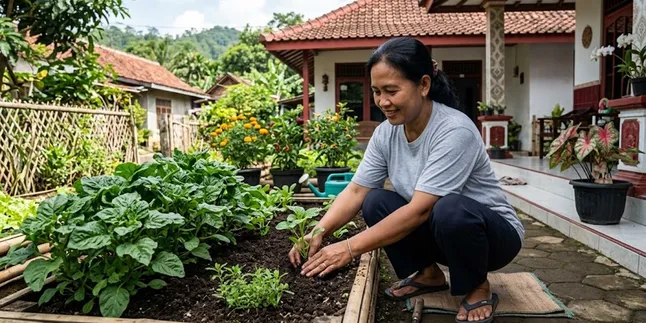
Want to have a stock of healthy vegetables at home? Let's learn how to grow Brazilian Spinach easily, which can be harvested repeatedly and is rich in nutrients for your healthy lifestyle!
