

 Follow
 Rekomendasi
5 Film Choices That Teach How to Face Grief, Helping You Understand the Meaning of Loss
These films offer deep perspectives on grief, from interpersonal relationships to personal journeys, helping viewers understand and process loss.
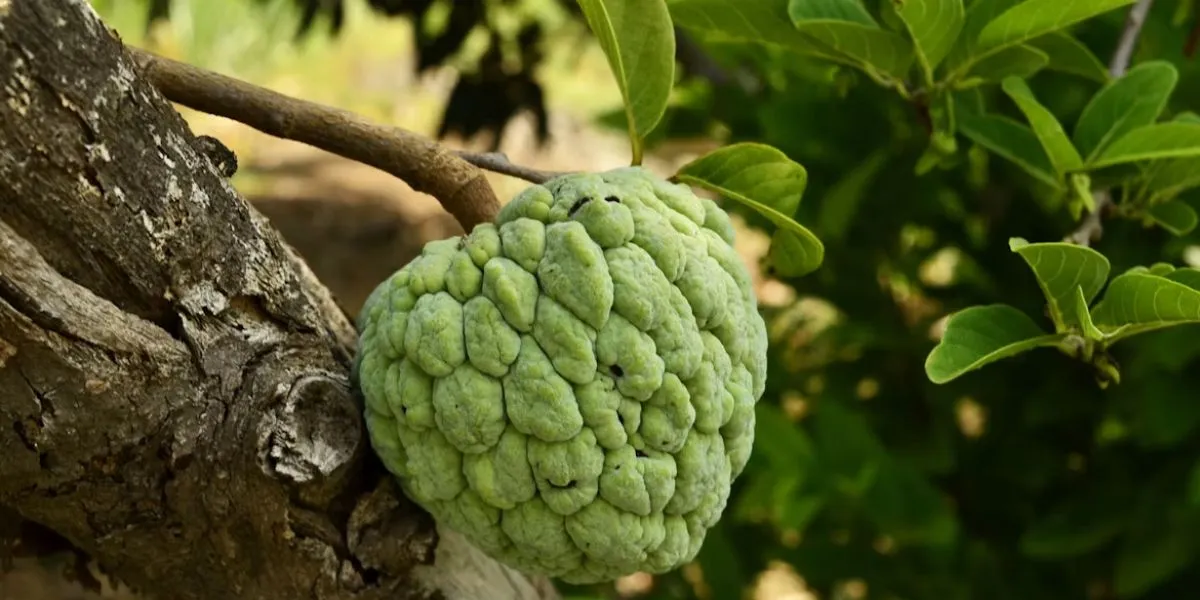
Kapanlagi.com - Cherimoya, a tropical fruit with a sweet and creamy taste and soft texture, is a favorite among many. However, to obtain cherimoya fruit that is not only abundant but also has an optimal level of sweetness, special attention is needed in its cultivation process. Understanding how to grow cherimoya for sweeter and higher quality fruit is the key for growers, both beginners and experienced.
The proper cultivation process for cherimoya involves a series of crucial steps, from seed selection to post-harvest care. Each stage plays an important role in determining the quality and taste of the resulting fruit.
By applying proven methods, you can enhance the potential of cherimoya trees to produce satisfying sweet fruits. Without further ado, here is the guide on how to grow cherimoya for sweeter and higher quality fruit, as reported by KapanLagi.com from various sources, Wednesday (5/8/2026).
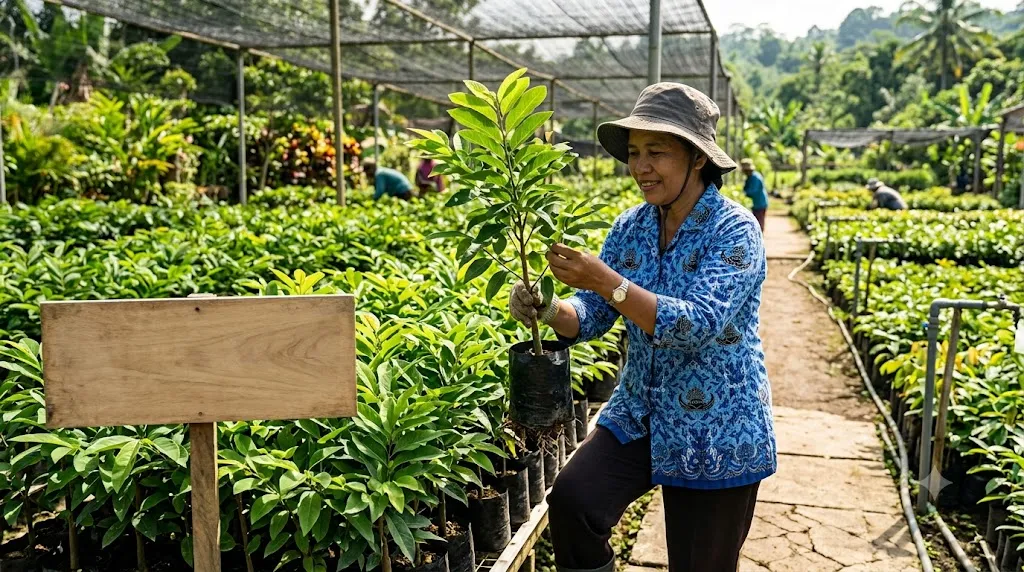
How to Plant Cherimoya for Sweeter Fruit/AI Generated
The first crucial step when planting soursop is selecting the seeds. The quality of the seeds has a direct impact on the productivity and taste of the fruit in the future. It is recommended to choose superior varieties such as Jumbo Soursop or New Varieties, which are known to produce large-sized fruit, thick flesh, few seeds, and a naturally sweet flavor.
Seeds that come from vegetative propagation techniques, such as grafting or air layering, are highly recommended. This method ensures that the seeds will inherit the superior traits from the parent plant, including fruiting speed and taste quality. Additionally, seeds produced by grafting or air layering tend to show signs of flowering more quickly, which means that harvest time can arrive sooner.
Besides the type and propagation method, it is also important to consider the suitability of the variety to the climate at the planting location. Ensure that the selected seeds have adapted well to the local environmental conditions to guarantee optimal growth. Choosing seeds that have already shown signs of flowering can also be a good indicator for the potential of an earlier harvest.
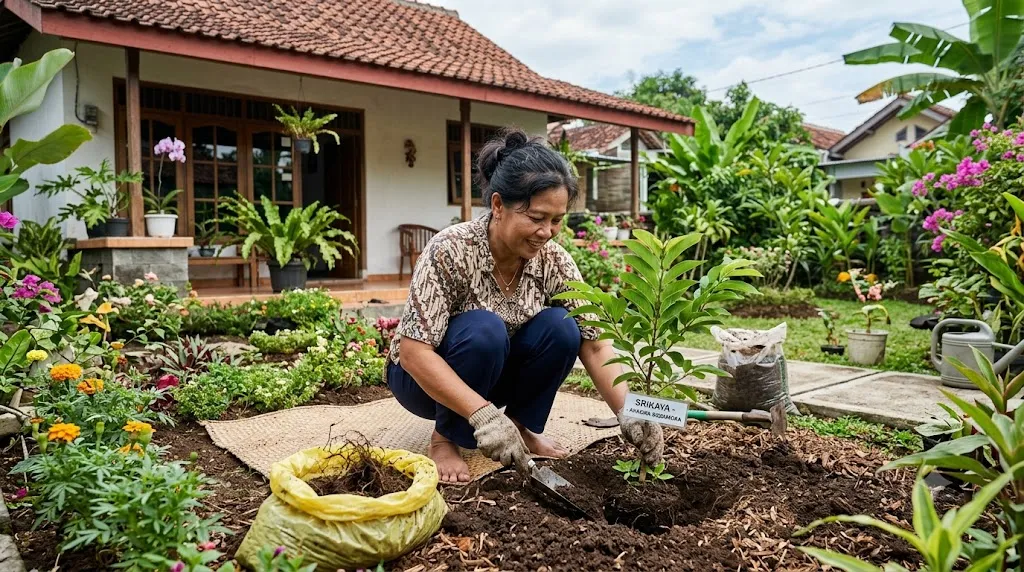
How to Plant Cherimoya for Sweeter Fruit/AI Generated
Planting media and location play a vital role in the success of cherimoya cultivation and are an inseparable part of how to plant cherimoya. Cherimoya plants thrive in soil that has good drainage, is rich in nutrients, and is fertile. The ideal soil acidity level or pH ranges from 6.5 to 7.0, which is slightly acidic to neutral.
To create optimal planting media, it is recommended to use a mixture of soil, compost, and sand in a ratio of 2:1:1. Another alternative is a combination of soil, manure, and sawdust with a similar ratio. It is important to remember that cherimoya is not tolerant of overly wet or soggy soil conditions, as this can hinder growth and cause root problems.
In addition to the quality of the planting media, the planting location should also receive adequate sunlight exposure for several hours each day. Sunlight is essential for the photosynthesis process, which supports overall plant growth. Cherimoya plants are well-suited for cultivation in tropical climates, at altitudes between 100 to 1000 meters above sea level.
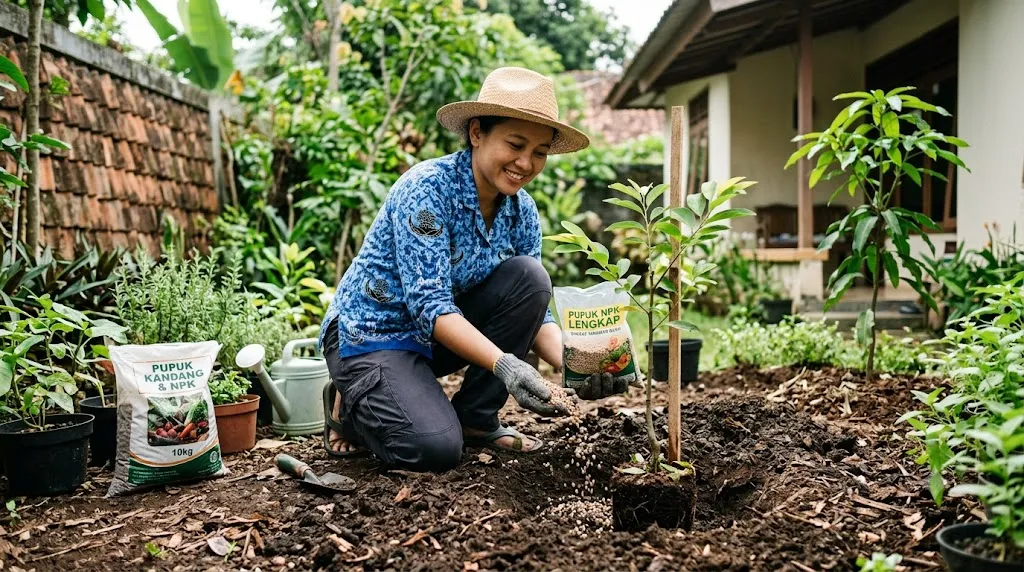
How to Plant Cherimoya for Sweeter Fruit/AI Generated
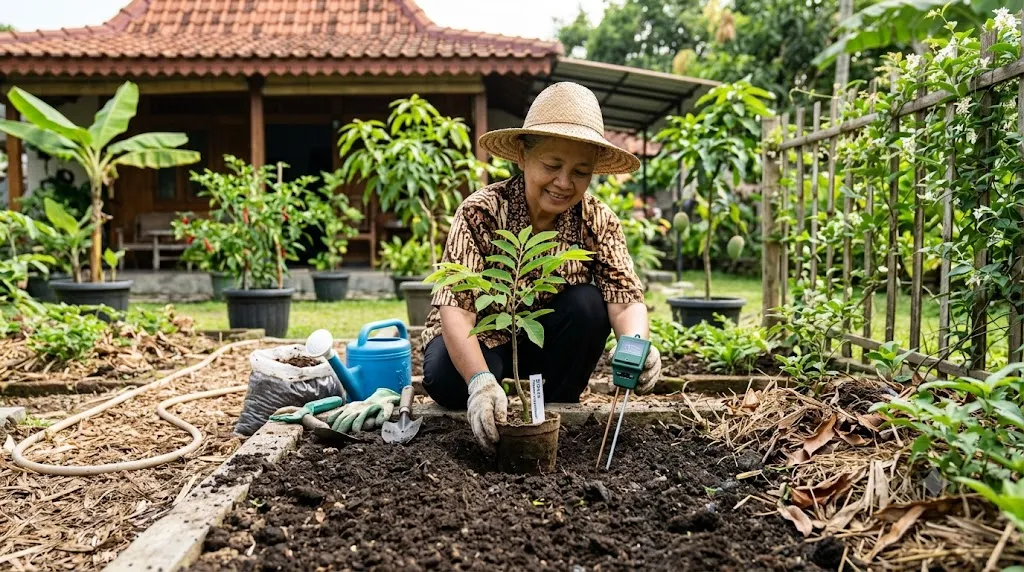
Balanced and regular fertilization is one of the main strategies in planting cherimoya. Providing adequate nutrition is crucial to support the vegetative and reproductive growth of the plant, which ultimately affects the quality and taste of the fruit. Balanced NPK fertilizer, such as the 10-10-10 formula, is highly recommended during the active growth period.
Fertilizers with balanced nitrogen, phosphorus, and potassium content will encourage strong root development, healthy leaf growth, and abundant fruit production. Fertilization schedules should be conducted every 4 to 6 weeks during the plant's growth period. Focus fertilizer application on the phase leading up to flowering to maximize yield and sweetness of the fruit.
In addition to chemical fertilizers, the use of organic fertilizers is also highly recommended. Organic fertilizers not only provide additional nutrients but also play a crucial role in improving the quality and fertility of the cultivation land in the long term. However, it is important to avoid over-fertilization, as this can lead the plant to focus too much on leaf growth and reduce energy for fruit formation.
How to Plant Cherimoya for Sweeter Fruit/AI Generated
Another crucial aspect of planting cherimoya is proper watering. Cherimoya plants require a regular water supply to maintain soil moisture, especially during critical phases such as from flowering to harvest. Consistent moisture supports the formation and development of fruit.
Although they need water, the soil conditions should not be flooded or muddy. Soil that is too wet can hinder flower growth and trigger root rot, which will negatively impact fruit quality. Therefore, watering should be adjusted according to weather conditions and soil moisture levels.
During the flowering period, the watering routine should be more closely monitored to prevent flower drop due to drought. For cherimoya plants grown in pots, watering should be done daily until water is seen coming out of the drainage holes at the bottom of the pot. This ensures that the entire growing medium receives adequate moisture without causing waterlogging.
How to Plant Cherimoya for Sweeter Fruit/AI Generated
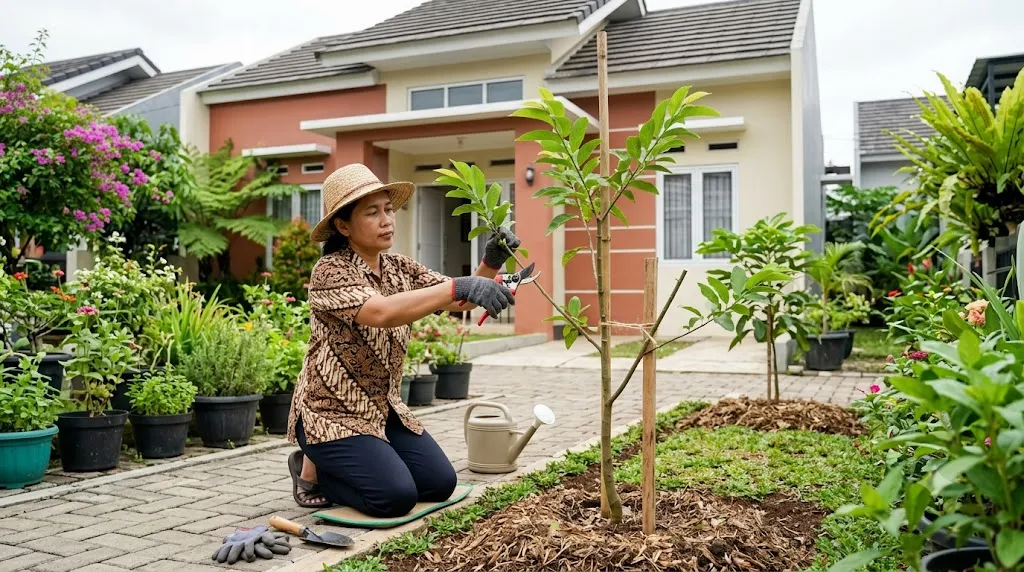
Regular pruning is an effective technique in growing cherimoya. The main purpose of pruning is to accelerate and increase fruit production, improve air circulation among the branches, and ensure that all parts of the plant receive optimal sunlight exposure.
Branches that are old, unhealthy, or growing too densely should be pruned. The best time to prune is at the beginning of the rainy season, as during this period the plants tend to be more active in their growth and have a greater chance of producing new flowers. To stimulate flower bud formation, cut 2-3 leaves at the tip of the branch, leaving about half a finger's width from the leaf stem.
Cherimoya plants have apical dominance, which means growth tends to focus on the main shoot. Pruning will encourage the growth of new, more productive branches at the bottom. Additionally, rejuvenation pruning can also be done after the fruiting period to stimulate the emergence of more fertile replacement buds that are ready to bear fruit in the next season.
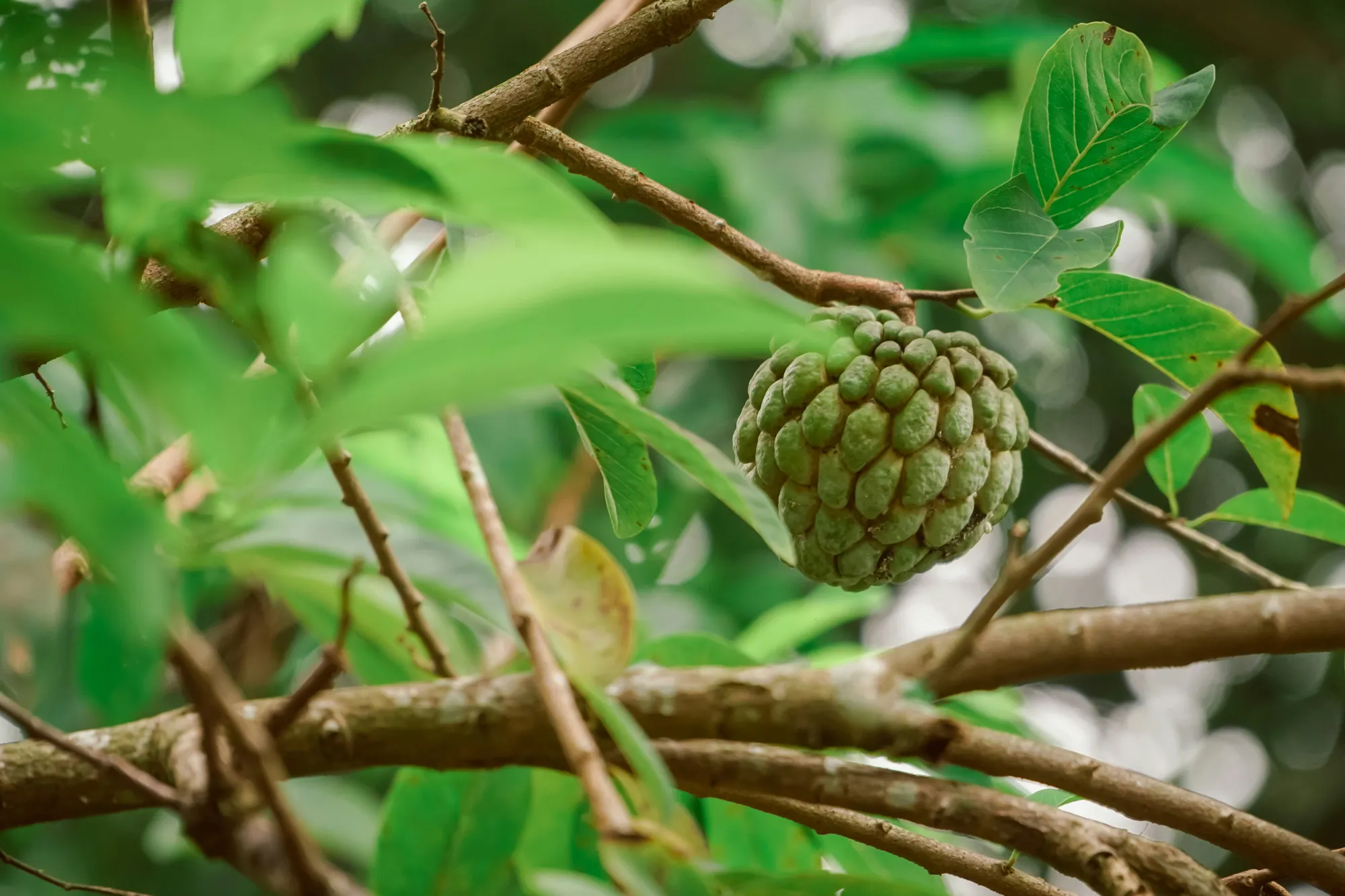
Illustration of Planting Cherimoya/Photo by Muhamad Farihin on Unsplash
Effective pest and disease control is an important stage in planting cherimoya. Cherimoya plants are vulnerable to several types of pests, such as whiteflies and fruit flies, which can disrupt growth and damage fruit quality. Whiteflies, for example, can inhibit plant growth and cause the fruit to dry out.
Meanwhile, fruit flies pose a serious threat as they can damage the fruit by piercing it and laying their eggs inside, which will then hatch into destructive larvae. To control these pests, several steps can be taken. Starting with clearing weeds around the plants to reduce competition for nutrients and pest hiding places.
Manual removal of pests, the use of insecticidal soap, or systemic insecticides according to the recommended dosage can also be options. Individually wrapping fruit is also very effective in protecting it from fruit fly attacks. Overall, maintaining garden cleanliness is an important practice to prevent the spread of pests and diseases, ensuring that cherimoya fruit grows healthy and sweet.
What type of cherimoya seedling is recommended for sweeter fruit?
High-quality cherimoya seedlings such as Jumbo Cherimoya or New Varieties, especially those from grafting or cuttings, are recommended because they produce sweeter fruit and bear fruit more quickly.
What is the ideal planting medium for cherimoya to ensure sweet fruit?
The ideal planting medium is fertile soil with good drainage, slightly acidic to neutral pH (6.5-7.0), and a mixture of soil, compost, and sand or manure.
What fertilizer should be used to make cherimoya fruit sweeter?
Use balanced NPK fertilizer (e.g., 10-10-10) regularly, especially before the flowering period, and complement it with organic fertilizer to improve soil quality.
Why is proper watering important for the sweetness of cherimoya fruit?
Regular watering maintains the soil moisture needed by the plants, especially during flowering, but avoid waterlogged soil as it can hinder flower growth and cause root rot, which ultimately affects fruit quality.
How can pruning help cherimoya fruit become sweeter?
Routine pruning helps stimulate the growth of new, more productive branches, improves air circulation, and ensures adequate sunlight exposure, thus supporting optimal and sweet flower and fruit formation.
(kpl/nti)
Cobain For You Page (FYP) Yang kamu suka ada di sini,
lihat isinya
These films offer deep perspectives on grief, from interpersonal relationships to personal journeys, helping viewers understand and process loss.
Growing sweet starfruit in pots is an attractive option for those who want to enjoy their own harvest without having to own a large garden.
How to plant katuk to encourage budding needs to be considered from the planting process to its care.

Dive into the world of Japanese cinema that blends the beauty of cherry blossoms with stories of farewells and tragic love, presenting a deep and unforgettable melancholic atmosphere.
How to plant cassava leaves for abundant shoots helps the plant produce more buds without interfering with tuber formation.

Discover 10 Indian films that depict festive and complex traditional weddings, as well as inspiring love struggles.

Discover Korean films that evoke emotions and thoughts about politics and power, from thrillers to true dramas.
18 herbal plants that effectively repel mosquitoes naturally. Learn about their active ingredients and how to use them.

Learn how to clean marble floors without wearing them down to keep them clean, shiny, and durable.

Witness the thrilling stories of survival struggles after plane crashes, from real tragedies in the Andes to dilemma-filled pilot dramas. Prepare yourself for the tension.

Here are 10 movies that are only understood after watching them twice; they have twists and hidden symbols, from Memento to Donnie Darko, a must-add to your watch list.

Some Korean dramas actually become more exciting and profound after their early episodes, offering character development, plot, and captivating 'slow burn' romance that captures the audience's heart.
