Kapanlagi.com - Not all plants need daily attention to thrive. Some types can survive with less frequent watering, specific lighting, or changes in environmental conditions. Such characteristics make low-maintenance plants suitable for beginners or homeowners with busy schedules.
There is quite a variety of such plants, ranging from snake plants, ZZ plants, pothos, cacti, succulents, to aloe vera. Each has different shapes, sizes, and environmental needs. When choosing low-maintenance plants, it's essential to consider the placement location so that the plants can thrive optimally.
In addition to being practical, easy-to-care-for plants can also beautify various corners of your home. Small-sized plants can adorn a work desk, trailing plants are perfect for shelves or hanging pots, while taller varieties can serve as accents on a terrace. So, what are the plants that don't require much care and are suitable for you if you have limited time to tend to them?
1. Mother-in-law's Tongue
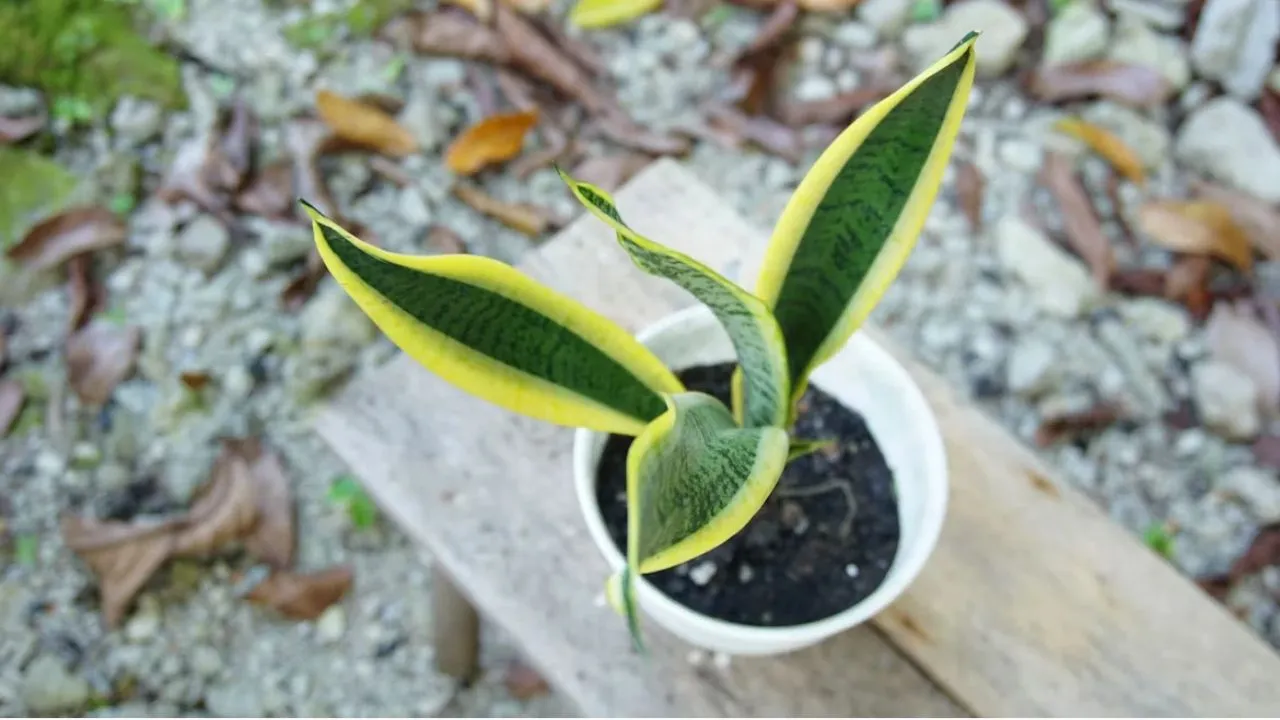
Mother-in-law's Tongue/Photo by aditya hermawan on Unsplash
Mother-in-law's tongue has become one of the popular ornamental plant choices, especially for beginners who are just starting to build a collection of plants at home. This plant has a very distinctive visual character with its upright, elongated leaves, arranged neatly, thus providing a clean, modern, and organized impression in various corners of the room. In addition to having an attractive appearance, mother-in-law's tongue is also available in various sizes and shapes, ranging from small-sized plants to be placed on tables or shelves to larger types to fill empty corners in the room.
This plant is relatively resilient when watering intervals are not too frequent, making it quite practical for homeowners with busy schedules or those who are not accustomed to intensive plant care. Although it has a good tolerance level to water scarcity, lighting needs must still be considered to ensure optimal leaf growth and keep the plant looking healthy. The condition of the growing medium should also not be overlooked, as overly moist media for a long time can disturb root health and increase the risk of various problems occurring at the bottom of the plant.
Mother-in-law's tongue has a wide placement flexibility, making it suitable for beautifying bedrooms, living rooms, workspaces, office areas, or home terraces. Small-sized plants can be a perfect choice for narrow areas, such as side tables, decorative shelves, or corners near windows. Meanwhile, larger plants can be placed in tall pots as decorative accents in room corners, near entrances, or in specific areas that need a touch of green to make the atmosphere feel more vibrant.
2. Pothos
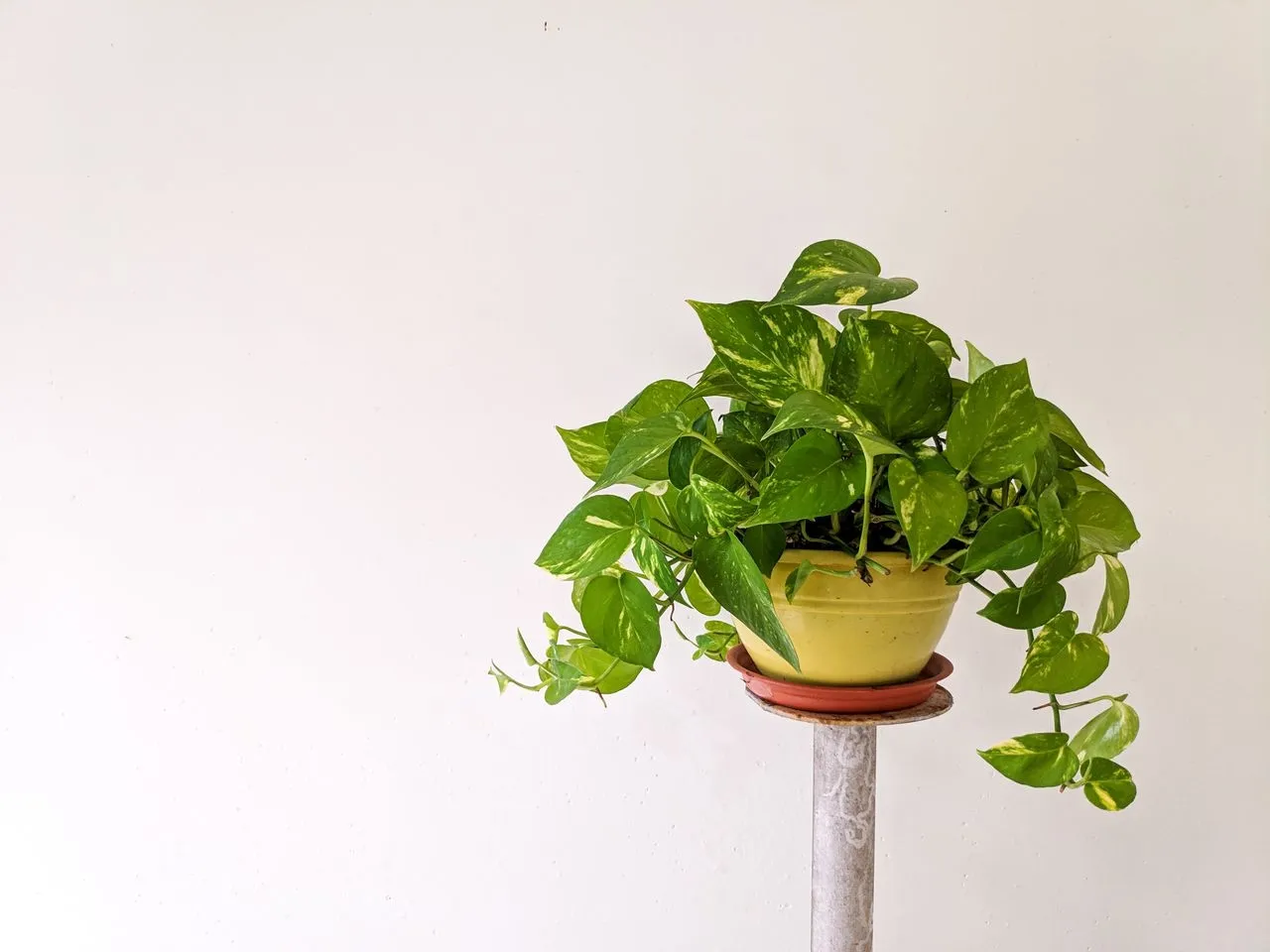
(Photo: Pexels)
Pothos, also known as devil's ivy, is a climbing plant characterized by heart-shaped leaves and stems that tend to drape or extend following the medium in which they grow. This characteristic makes this plant very flexible for various decoration concepts, especially for homeowners who want to bring a natural green atmosphere without using overly large plants. Pothos can be placed on tiered shelves, wall brackets, hanging pots, or specific containers so that the stems and leaves can grow more decoratively.
Its care is relatively simple and does not require complicated techniques for beginners. One of the advantages of pothos lies in the ease of propagation through stem cuttings, allowing a healthy parent plant to be used as a source to produce new plants in greater numbers. This method is certainly appealing for hobbyists who want to gradually expand their collection without having to continuously buy new plants. With adequate basic care, the resulting cuttings can be developed into potted plants or hanging plants ready to beautify various parts of the home.
The flexibility of pothos also makes it suitable for interior decoration in various styles, ranging from minimalist, natural, modern concepts to tropical-themed rooms. Its increasingly long and draping leaves can give a green impression to corners of the house without requiring too much floor space. Its placement on high shelves or hanging pots also allows owners to utilize vertical areas that are often not maximally used, making the decoration look more dynamic without making the room feel crowded.
3. ZZ Plant
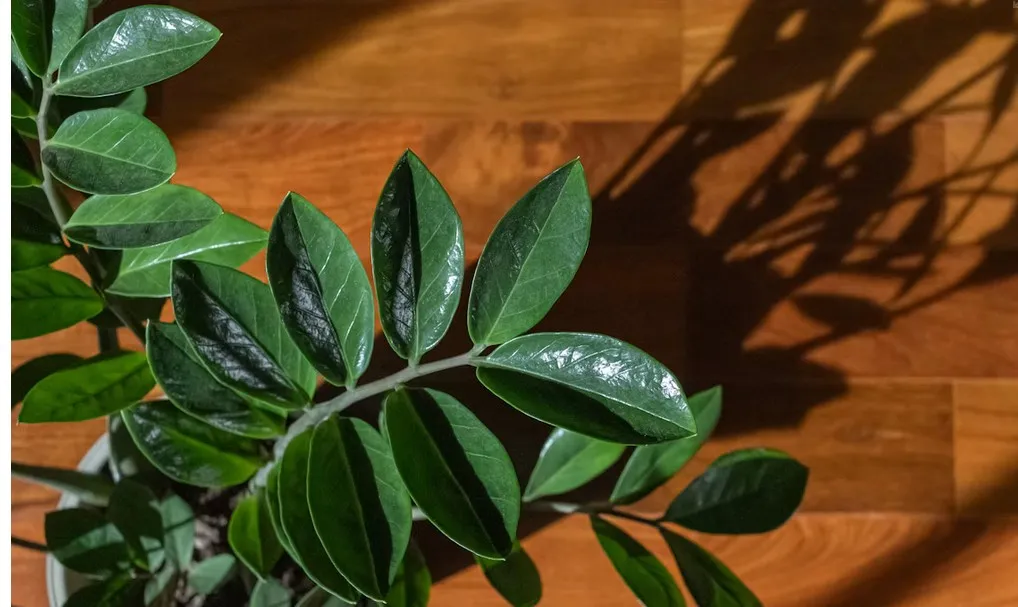
Source: Unsplash by Gigi Visacri
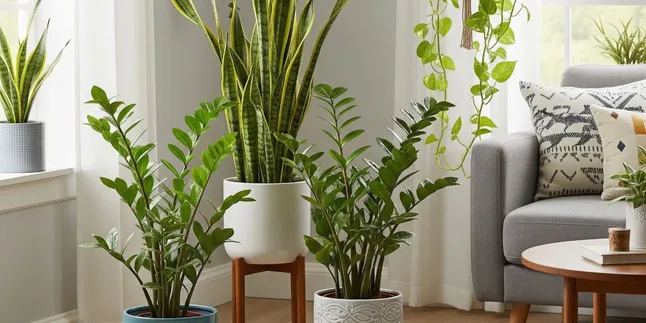
The ZZ plant or Zamioculcas zamiifolia is known as an ornamental plant that has a fairly good tolerance to low light environments, making it a popular choice for homeowners or offices with spaces that do not receive direct sunlight. This plant has thick, glossy leaves arranged in rows on its stem, giving an elegant and modern impression that easily blends with minimalist interiors or professional-themed decorations. Its tidy shape also makes the ZZ plant look attractive even when allowed to grow naturally without requiring special shaping.
The frequency of watering the ZZ plant does not need to be done too often, especially if the growing medium still retains moisture. One important aspect of caring for this plant is to avoid conditions where the medium is too wet for extended periods, as excess water can disrupt the root system and increase the risk of rot. Therefore, using a medium with good drainage capacity is an important part of ZZ plant maintenance. Plant owners should check the condition of the medium first before watering again so that watering is not done solely based on a fixed schedule.
The ZZ plant is very suitable for homeowners with busy routines, who often travel, or do not have much time for daily care. This plant can still serve as an attractive decorative element in workspaces, living rooms, bedrooms, or other areas that need an additional green element but have limited light intensity. Its clean and elegant appearance also makes this plant easy to combine with simple pots or decorative containers, thereby enhancing the visual value of the room without requiring many additional elements.
4. Aloe Vera
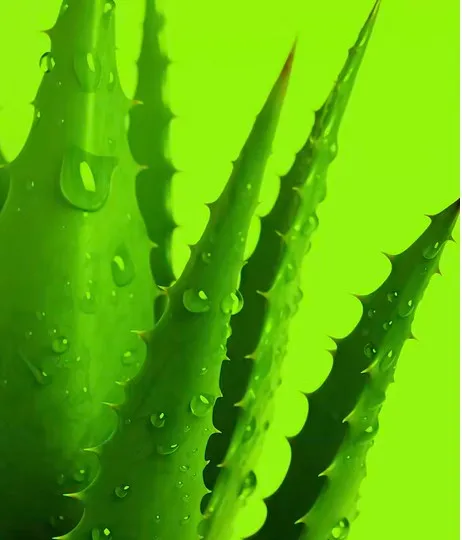
Source: Unsplash by Allec Gomes
Aloe vera is a type of succulent plant that has thick, fleshy leaves containing gel inside. The shape of the leaves is the most easily recognizable characteristic, making this plant serve not only as a home decoration but also widely known for various specific needs. Its care is relatively practical, so aloe vera can be chosen by beginners starting to grow plants or homeowners wanting to introduce a multifunctional plant in their yard, terrace, balcony, or pots near windows.
The water requirements for aloe vera tend to be not too high, especially if the plant is placed in an environment with adequate lighting and the growing medium has the ability to drain excess water well. Overwatering should be avoided as the roots of succulent plants are more susceptible to problems when they are continuously in overly moist conditions. A porous-textured medium and pots with drainage holes can help maintain moisture balance around the roots while reducing the likelihood of water being retained for too long after watering.
In addition to being used as an ornamental plant, aloe vera is also known to have various uses in daily life, especially its gel part. However, the use of aloe vera for consumption, skincare, or specific purposes needs to consider the type of plant and the safety of its use. Not all conditions or processed products can be treated the same way, so utilization should be done wisely and not carelessly. As a decorative element, this plant is quite attractive through its distinctive leaf shape and does not require excessive additional decoration.
5. Cactus
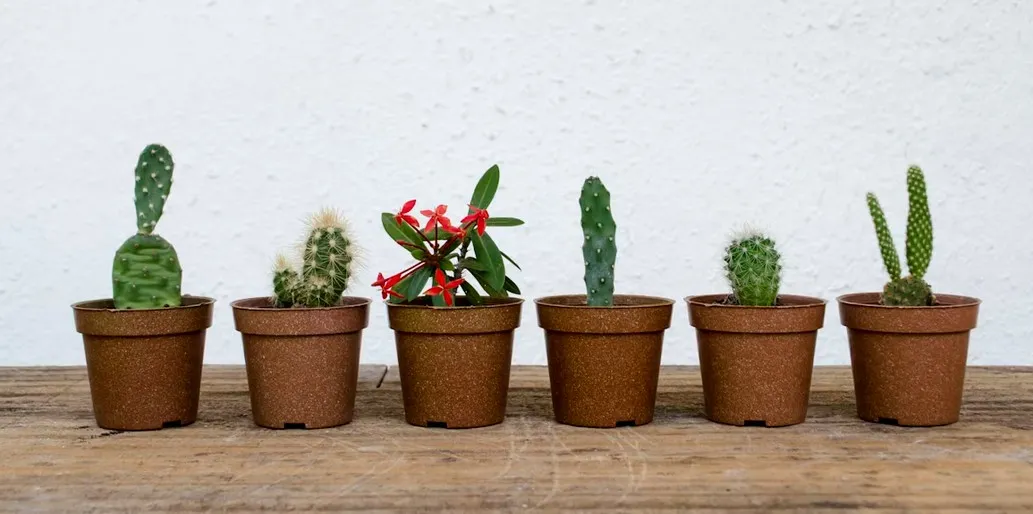
Photo by Unsplash
Cacti have become a popular choice for people who want to have ornamental plants but cannot water them regularly every day. This plant is known for its highly diverse body shapes, ranging from small round types, elongated, branching, to larger varieties. The uniqueness of these shapes gives cacti their own aesthetic value and can be used to bring a different character to home decor, workspaces, study tables, display shelves, or terraces.
Although their water needs tend to be low, cacti still require lighting appropriate to their type for healthy growth. The planting medium should also have optimal drainage so that water can escape quickly after watering. One of the most common mistakes in cactus care is giving too much water or watering too often, especially when the medium does not really need additional water. Being too wet can cause root damage and ultimately affect the health of the entire plant.
The diversity of shapes and sizes makes cacti very easy to combine as decorative elements in various places. Miniature cacti can be placed on work desks, small shelves, window sills, or specific corners of a room, while larger types can serve as accents on terraces or outdoor areas that receive adequate light. The use of ceramic pots, cement pots, or simple containers can also be adjusted alongside the interior concept so that cacti not only function as plants but also become part of the room's decorative composition.
6. Succulent
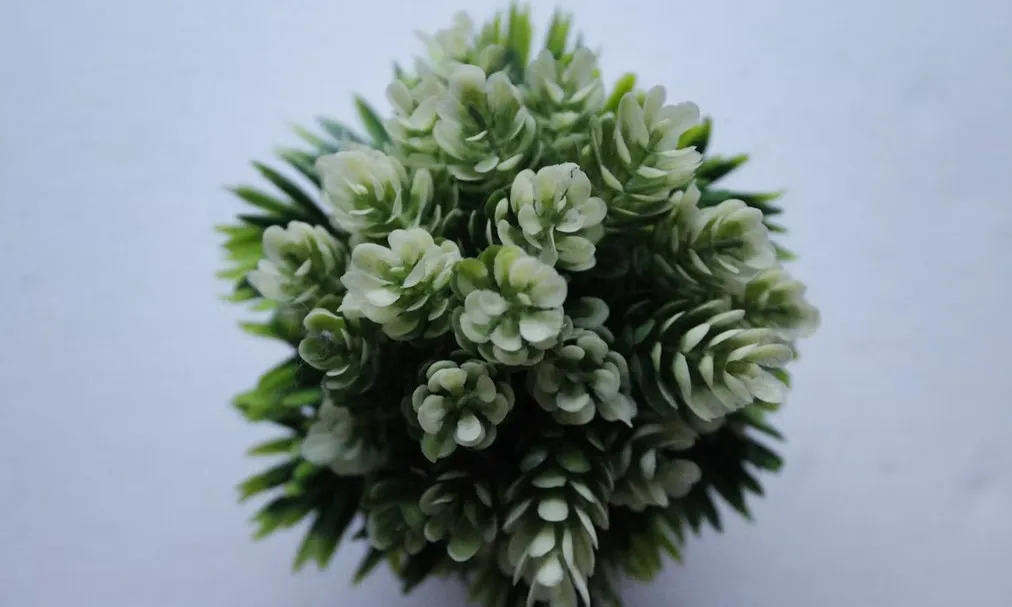
Unsplash by Ririn Fitri Astuti
Succulents are a group of plants that have the ability to store water reserves in certain parts of their bodies, such as leaves, stems, or other tissues. This ability makes several types of succulents more capable of facing conditions where watering is not frequent compared to plants that require high moisture. In addition to this practical characteristic, succulents are also known for their unique body shapes, varied leaf arrangements, and attractive color variations, making them widely used for home decoration and mini plant collections.
Succulents are generally relatively small in size, making them very suitable for placement in apartments, small-sized houses, work desks, shelves, ledges, or other small decorative areas. Various forms such as rosettes, elongated leaves, round leaves, or growth resembling small bushes provide many alternatives for homeowners wishing to create decorative compositions. Several pots containing succulents of different types can even be arranged side by side to form a mini collection with a more varied appearance without requiring a large area.
Although they are known to be easy to care for, succulents still require proper lighting and watering management to ensure their growth is not disturbed. Overwatering is one of the important issues because succulent roots tend to be sensitive to overly wet media. Using porous planting media, pots with drainage holes, and the habit of checking soil conditions before watering are simple steps to help keep the plants healthy. With a care pattern according to their needs, succulents can be a practical decoration choice for homeowners with limited time.
7. Paris Lily
The Paris lily or spider plant is an ornamental plant with long, slender leaves that grow in clumps from the base of the plant. Several varieties display a combination of green and white on the leaves, giving a fresh appearance without needing striking flowers. This growth form makes the Paris lily suitable for placement in regular pots or hanging containers, especially when homeowners want to present plants with a lush and trailing character.
In terms of care, the Paris lily is relatively simple and can be an interesting choice for beginners. This plant can also produce offsets in certain areas, which can be separated and developed into new plants once they are strong enough. The ability to produce offsets offers a distinct advantage for plant enthusiasts, as their collection can gradually increase without always having to buy seeds. This process is also quite interesting to learn for those new to understanding vegetative propagation techniques.
The visual character of the Paris lily is very suitable for homes with a natural, tropical, or minimalist ambiance. The plant can be placed in indoor spaces if there is adequate indirect lighting available, or used as an ornament for terraces and balconies depending on the needs of the variety. As it grows denser, the leaves will hang out of the pot and create a more vibrant visual effect. Hanging containers can be the right choice to highlight that shape without taking up much floor space.
8. Questions and Answers About Low-Maintenance Plants
1. What are some plants that do not require much maintenance?
Some popular choices include mother-in-law's tongue, ZZ plant, pothos, cactus, succulent, aloe vera, and Paris lily. These types are relatively easy to care for as long as the basic needs of the plants are met.
2. Are low-maintenance plants suitable for beginners?
Very suitable. These types of plants are generally more tolerant of small mistakes in care, helping beginners gradually learn to recognize the needs of plants.
3. Which plants are suitable for people who travel often?
Mother-in-law's tongue, ZZ plant, cactus, and some succulents can be considered. This group does not require frequent watering, although the light requirements for each type still need to be observed.
4. Do easy-care plants need to be watered often?
No. Some plants are actually healthier if the growing medium is allowed to dry out partially before being watered again. The frequency of watering should follow the type of plant, pot size, medium, temperature, and environmental conditions.
(kpl/ses)
Disclaimer: This translation from Bahasa Indonesia to English has been generated by Artificial Intelligence.


 Follow
 Rekomendasi