

 Follow
 Rekomendasi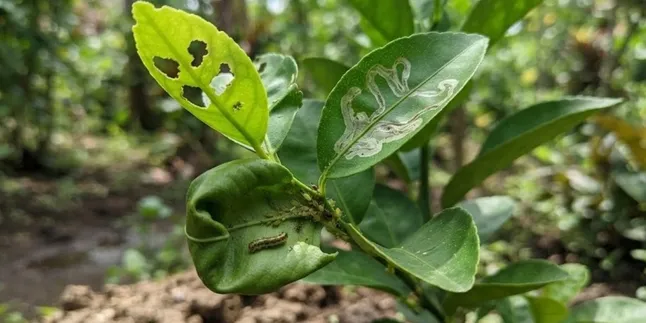
Causes of Holes and Curling in Citrus Leaves, Recognize Pests and Trigger Factors
Find out the causes of holes and curling in citrus leaves, ranging from caterpillars, snails, to the leafminer pest that often attacks.
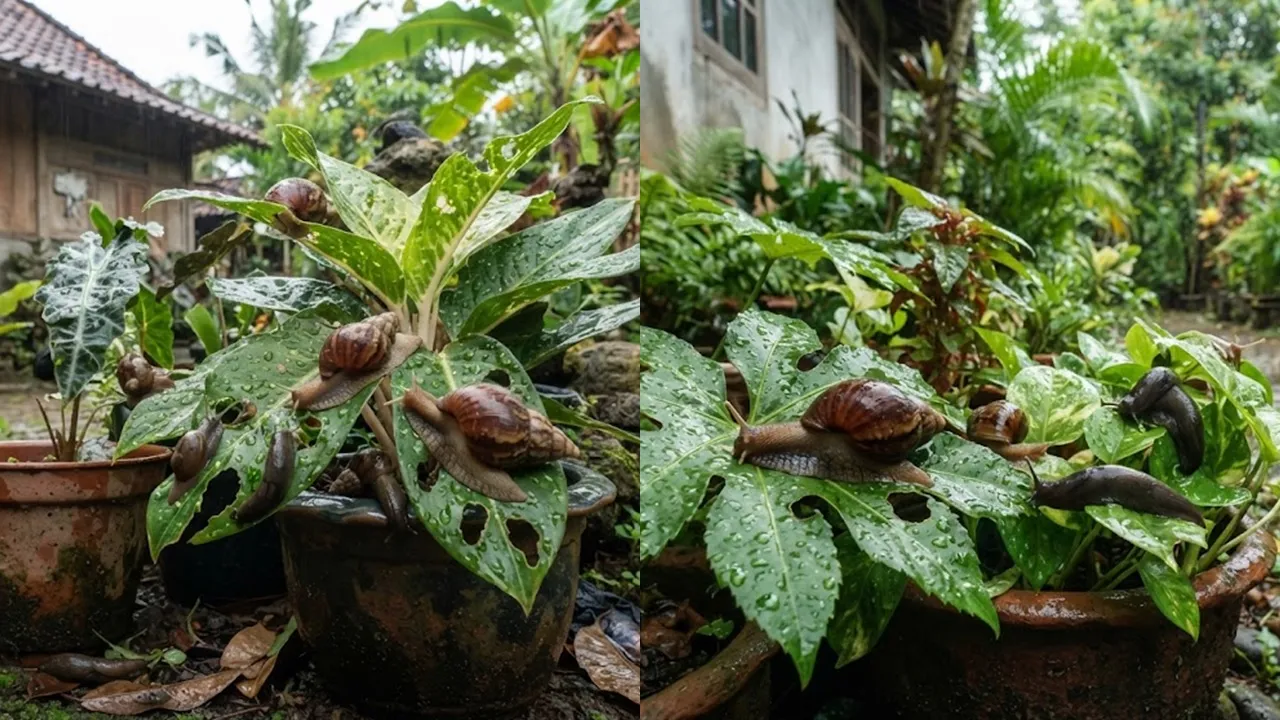
Kapanlagi.com - Creating a pot area that is less attractive to snails and slugs can be done by keeping the area around the pot dry, clean, and not providing easy hiding spots. Snails and slugs often appear around plants, especially when the environmental conditions are humid and there are leftover leaves or objects that can serve as shelters.
The presence of snails and slugs should be monitored because both can eat leaves, shoots, and young parts of the plant. Damage is often seen after night or in the morning when these animals are active in search of food. Therefore, management can start from the area around the pot without having to immediately use extermination substances.
Creating a pot area that is less attractive to snails and slugs can also be achieved through simple maintenance habits. The following steps can be routinely applied to reduce hiding places and food sources that attract snails and slugs back to the pot area. Read more, presented by KapanLagi, Wednesday (2/9).
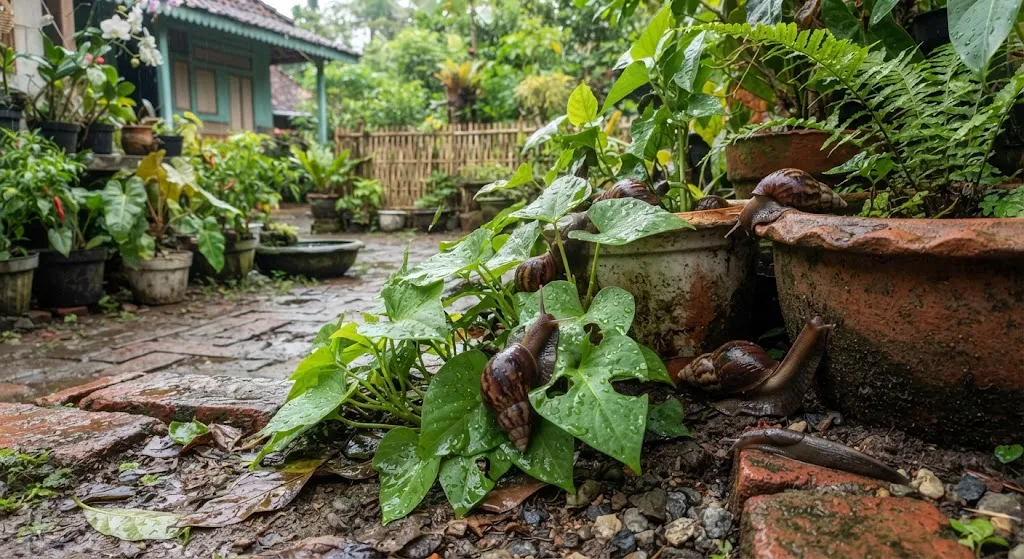
Leaves that are inhabited by snails and slugs (AI generated)
Fallen leaves left around the pot can become a hiding place for snails and slugs. Piles of leaves also retain moisture, creating a more suitable environment for these animals. Therefore, the area around the pot should be checked regularly and cleaned when leaves begin to accumulate.
Cleaning does not have to be done in a special way. Leaves can be gathered by hand or with gardening tools, then disposed of or utilized as compost material depending on the condition. Special attention should be given to the bottom of the pot, as that area is often overlooked when cleaning the yard.
This step is an important part of making the pot area less attractive to snails and slugs by reducing hiding spots. If done regularly, the condition around the plants becomes easier to monitor, allowing for early detection of snails and slugs.
Snails and slugs can hide under boards, stones, empty pots, cardboard, or other objects placed near plants. Items that are rarely used should be moved from the pot area to prevent them from becoming hard-to-check hiding spots.
Empty pots also need attention, especially if placed directly on the ground and rarely moved. The bottom can become a space protected from light. Regularly cleaning and checking that area helps find hiding snails or slugs.
Organizing the plant area also makes it easier for the owner to notice changes around the pots. If there are no objects covering the soil surface, the presence of snails and slugs is easier to detect. This method can be done without altering the plants or using specific materials.
Watering needs to be adjusted to the plant's requirements so that water does not pool around the pot. Areas that remain wet can create a more suitable environment for snails and slugs. Therefore, watering should ideally be done at times that allow the surface around the plant to not remain constantly wet.
If the plant is in a pot, also pay attention to the holes at the bottom of the container. Water needs to have an outlet so that it does not get trapped for too long. Repeated pooling needs to be investigated to identify the cause so that the conditions around the pot can be improved.
Watering management does not mean that the plant should be deprived of water. The needs of each plant are different, so the amount of water still needs to be adjusted. The principle is to avoid excess water in areas that are not needed by the plant and to keep the pot environment easy to manage.
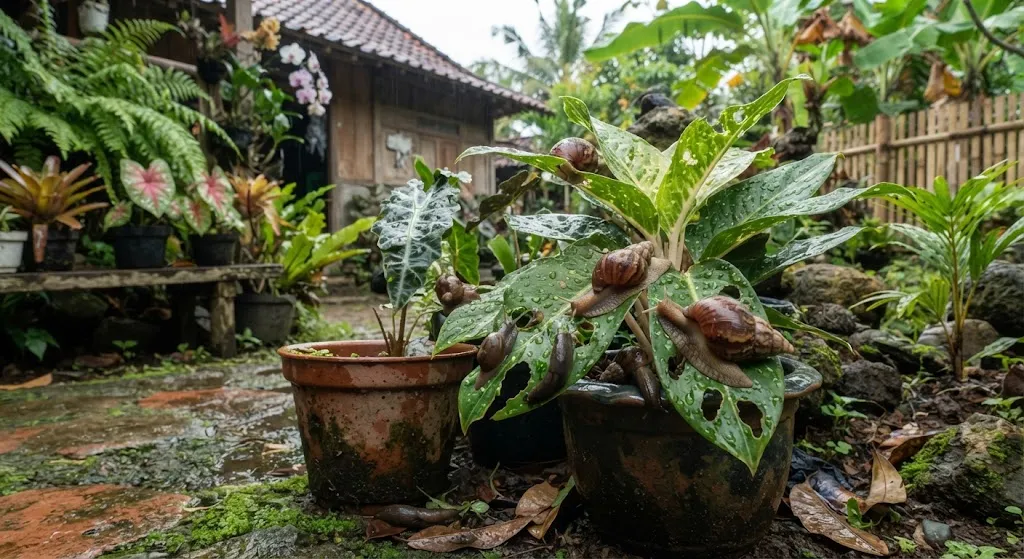
Slugs and snails on plants (AI generated)
Weeds that grow densely around the pot can provide shelter for snails and slugs. Their leaves cover the soil surface and make these animals harder to see. Therefore, weeds growing around the pot need to be removed periodically.
Cleaning can be done while checking the undersides of leaves and around the soil surface. If snails or slugs are found, they can be removed from the plant area. Such inspections also help identify parts of the garden where they frequently appear.
A weed-free pot area is easier to maintain and inspect. This step can be part of making the pot area less desirable for snails and slugs by reducing the space available for hiding.
Pots placed too closely together make the plant area more enclosed. The space between pots can trap leaves, water, and other debris, which then becomes a shelter for snails and slugs.
Providing distance between pots helps light and air enter the area around the plants. Plant owners can also more easily check the undersides and sides of each pot. If there are snails or slugs, their presence is not too difficult to find.
This arrangement does not require major changes. Pots can simply be moved so that the undersides and the space between them can be cleaned. Making the pot area less attractive to snails and slugs through this simple arrangement also facilitates watering and caring for the plants.
Snails and slugs are often easier to find when environmental conditions support their activity. Checking in the evening or morning can help determine if these animals are around the plants.
Use a flashlight if the inspection is done after dark, then check the undersides of leaves, stems, soil surface, and sides of pots. Inspections do not need to take a long time, but it is advisable to do them regularly if the plants often suffer damage to their leaves.
Knowing the time of appearance helps determine the next steps. If snails and slugs are found in certain areas, that area can be cleaned immediately and their hiding places reduced. This way, management is not done randomly.
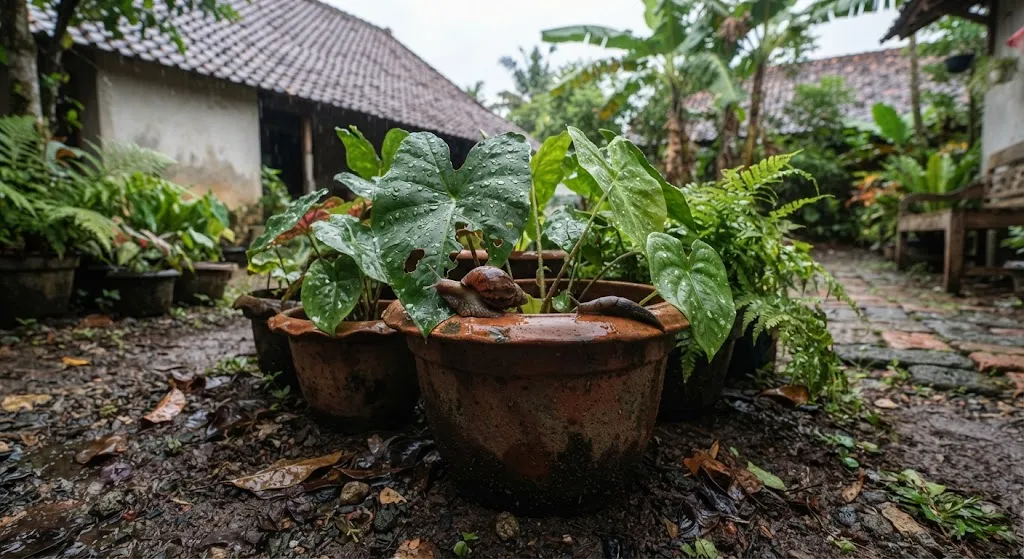
Snails and slugs that become plant pests (AI generated)
An easily monitored pot area helps plant owners notice changes before damage spreads. The surface around the pot should not be cluttered with unnecessary objects, while fallen leaves and weeds need to be cleaned regularly.
Inspections can also be done while watering the plants. Look for bite marks on leaves, slime on certain surfaces, or snails and slugs under the pot. These signs can indicate that the area needs to be checked more frequently.
The way to make the pot area less attractive to snails and slugs ultimately relates to the habits of caring for the plant environment. Cleanliness of the area, water management, pot arrangement, and regular inspections can be done gradually so that maintenance does not feel like an additional heavy task.
Moist conditions, plant debris, food, and shelter around the pot can attract snails and slugs to the plant area.
Yes. Snails and slugs can eat leaves, shoots, and other parts of the plant, leaving bite marks on the plants.
Inspections can be done in the evening or early morning, especially after the environment has been moist.
Reduce hiding spots, clean up leaf debris, control weeds, manage watering, and check plants regularly.
Not necessarily. The frequency of cleaning can be adjusted based on environmental conditions and how often snails and slugs appear.
(kpl/rul)
Cobain For You Page (FYP) Yang kamu suka ada di sini,
lihat isinya
Find out the causes of holes and curling in citrus leaves, ranging from caterpillars, snails, to the leafminer pest that often attacks.
Discover effective ways to arrange plates and glasses in the kitchen to keep them neat, save space, and look more aesthetic. Starting from sorting items to using special racks.

10 popular movies about villains getting karma, from betrayal to endings that feel very satisfying.
Recipe for glutinous rice cake filled with coconut and brown sugar, a popular traditional snack also known as Kue Bugis or Awug-Awug, with a chewy texture and a sweet, rich filling that tempts the palate.

Discover nine dolphin and ocean life themed movies that touch the heart, complete with synopses and ratings for your inspirational viewing.

Recommendations for marathon runner-themed films that can be watched to lift your spirits when you're feeling down.

Recommendations for Korean dramas about extended families with complicated relationships, from Reborn Rich to Our Golden Days, that keep you intrigued until the end.
Create pandan sago cake with a crunchy texture on the outside and melt-in-your-mouth inside. This recipe combines sweetness, savory flavor, and a distinctive pandan aroma, perfect for Eid or daily snacks.
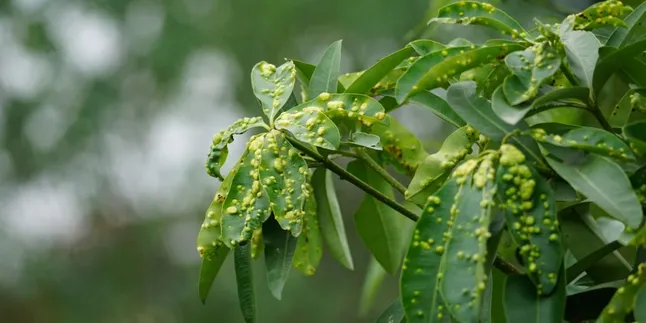
Recognize plant pests that often hide behind leaves, such as aphids and mites. Understand the signs of their attack.
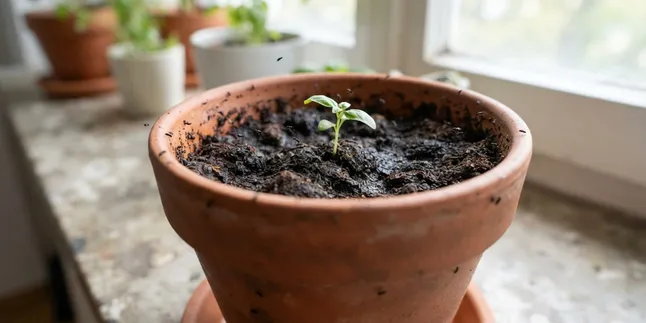
Why do potted plants often attract small flies? Discover various main causes of fungus gnats, ranging from overwatering, poor drainage, to decaying organic matter, along with their solutions.
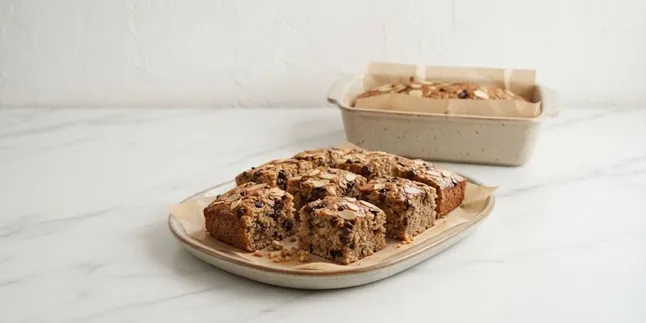
Make a practical, delicious, and easy banana oat cake recipe without wheat flour, no mixer needed.
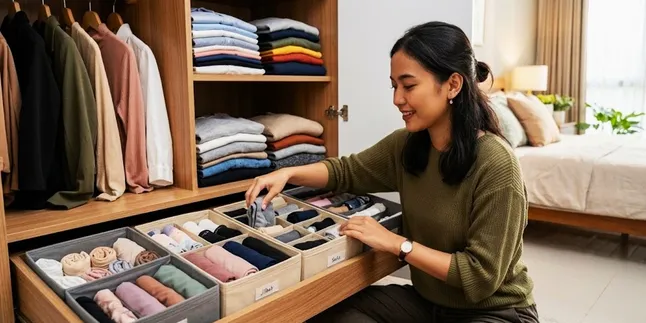
Are clothes always piling up? Check out how to organize clothes in the closet to save space and make them easy to find, in a super efficient way from Kapanlagi.
