Kapanlagi.com -
The presence of small black insects flying around indoor ornamental plants or garden pots often becomes a very disturbing sight for the residents of the house. Many ornamental plant owners often wonder why the potting soil is frequently visited by small flies continuously, even though the plants appear to be well cared for. These annoying insects are commonly known as fungus gnats, where their presence indicates certain environmental conditions in the growing medium that are highly favored by these pests for breeding.
Scientifically, these small flies are attracted to growing media that are too wet, humid, and contain a lot of organic matter undergoing microscopic decomposition. Although adult flies do not bite humans or pets, the population of larvae living in the top layer of potting soil can feed on algae, fungi, and damage the young root tissues of your ornamental plants. Therefore, recognizing the main triggering factors is a crucial step before this pest population breeds uncontrollably in your home.
This article will discuss in detail the various factors causing why potting soil is often visited by small flies based on scientific references and the latest horticultural guidelines. Let's take a look at the review below to understand the root of the problem while finding the most effective and targeted handling methods, as summarized by KapanLagi.com from various sources, Wednesday (2/9/2026).
1. Excessive Watering (Overwatering)
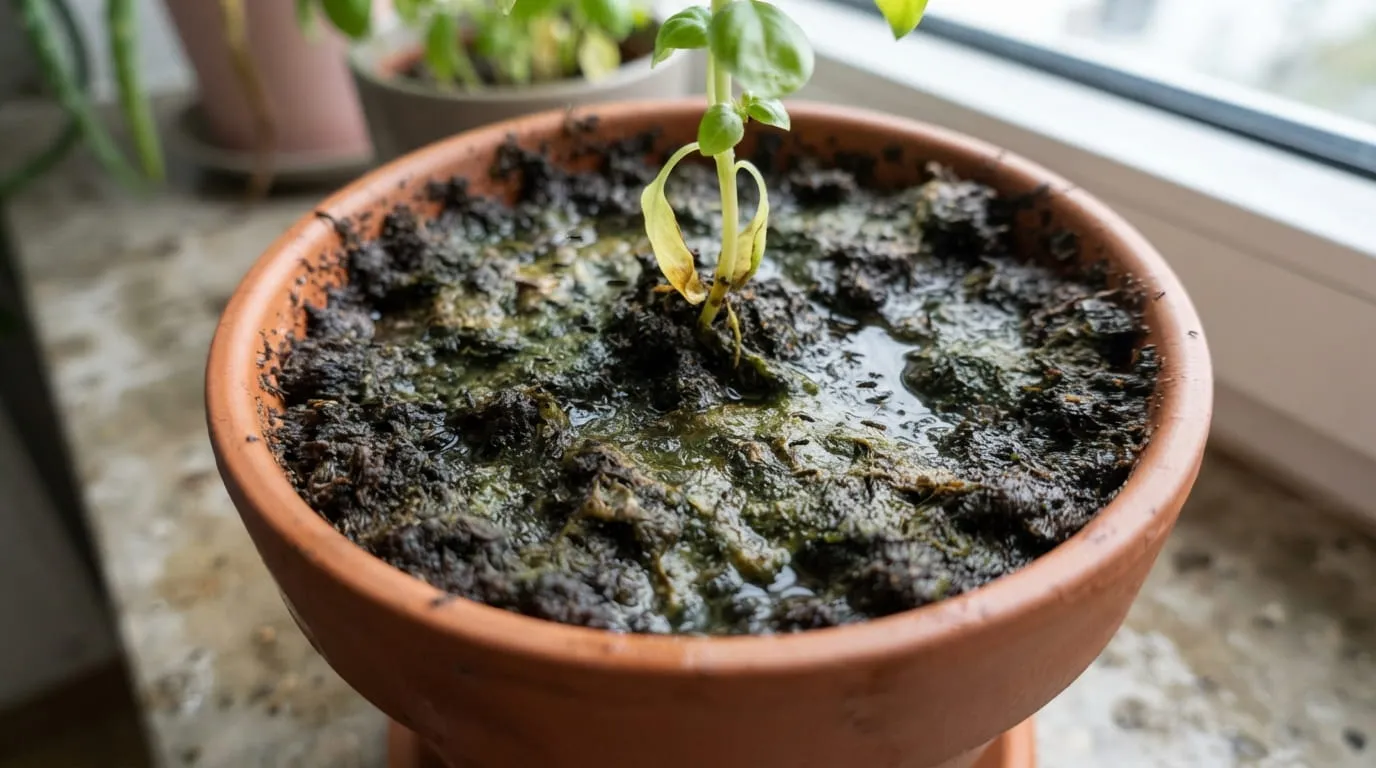
Overwatering. Photo: AI Generated
The main and most common factor causing potted soil to frequently attract small flies is the habit of overwatering plants, also known as overwatering. Constantly wet, soggy potting soil that is never allowed to dry creates a very ideal micro-ecosystem for adult female flies to lay hundreds of their eggs. The larvae of fungus gnats heavily rely on high humidity to survive and complete their metamorphosis cycle.
When the growing medium is continuously saturated with water, the aeration process within the soil is disrupted, triggering light root rot. This wet condition also accelerates the formation of an algae layer on the soil surface, which becomes the main food source for fungus gnat larvae. To address this, you need to apply the let it dry method by allowing the top layer of soil to dry to a depth of 2–3 cm before the next watering.
2. Poor Pot Drainage System
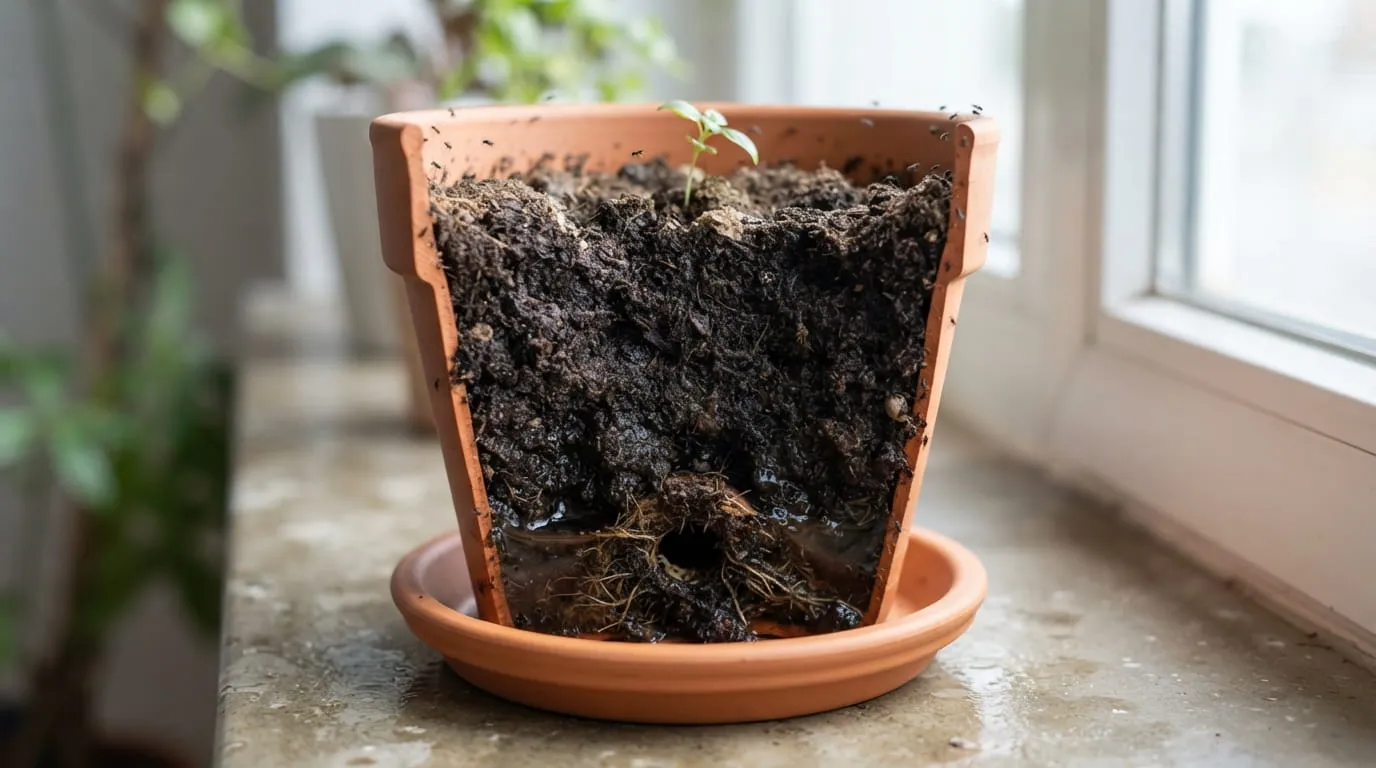
Poor Pot Drainage System. Photo: AI Generated
The next reason why potted soil often attracts small flies is closely related to the poor drainage system of your plant container. Many ornamental pots, especially decorative pots without holes at the bottom or pots whose drainage holes are clogged with leftover media and old roots, cause leftover watering water to pool at the bottom of the pot for a long time.
This pooling of water at the bottom of the pot keeps the lower part of the soil permanently moist even though the top surface appears dry. The damp condition trapped inside a closed pot is very attractive to moisture-seeking insect pests. Ensuring that each pot has smooth drainage holes and adding a layer of gravel at the bottom of the pot is an essential step to prevent water from being trapped.
3. Placement of Pots in Low Sunlight Areas
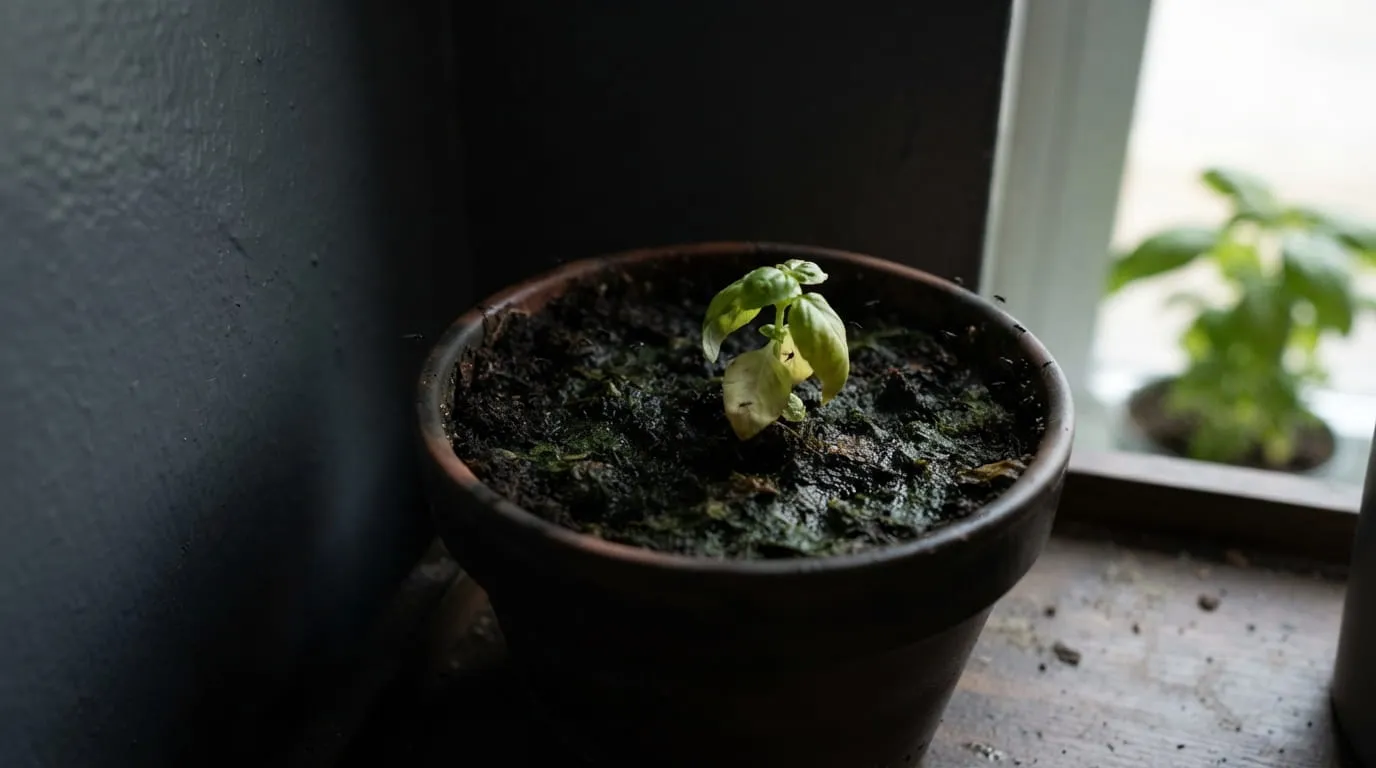
Placement of Pots in Low Sunlight Areas. Photo: AI Generated
The placement or position of ornamental plants inside the house also plays an important role in the emergence of small fly pests. Indoor ornamental plants placed in dark corners of the room, with poor air ventilation, or rarely exposed to direct sunlight will experience a very slow process of water evaporation from the surface of the growing medium.
As a result, the soil moisture lasts much longer compared to pots placed near windows or in bright areas. The warm room temperature combined with maintained soil moisture allows the life cycle of fungus gnats to progress very quickly. Periodically moving pots to areas with good air circulation and adequate light can break this pest's life cycle.
4. Use of Organic Materials and Incompletely Mature Compost
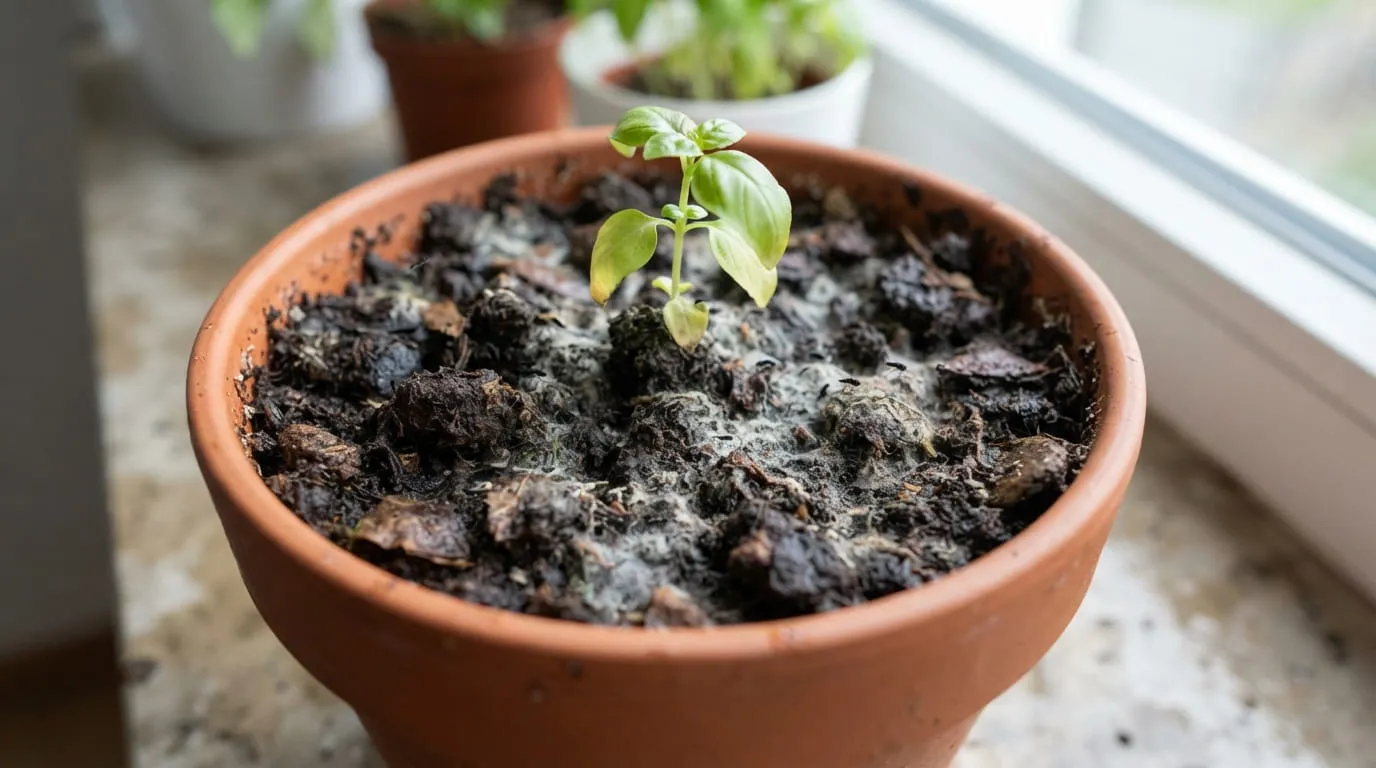
The Use of Organic Materials and Incomplete Compost. Photo: AI Generated
The nutrient content in potting soil is crucial for plant health, but the compost or manure used as planting media must be considered for its maturity level. The use of homemade compost or manure that is not fully mature (not completely decomposed) will emit a very strong aroma of fermentation and organic decay.
The distinctive aroma of this raw organic material acts as a natural magnet, attracting adult flies from various corners of the room to lay eggs inside the pot. Additionally, the ongoing decomposition process inside the pot produces microscopic fungi that provide abundant nutrients for fly larvae. Choose high-quality sterile commercial potting media to avoid initial contamination.
5. Growth of Microscopic Fungi on Soil Surface
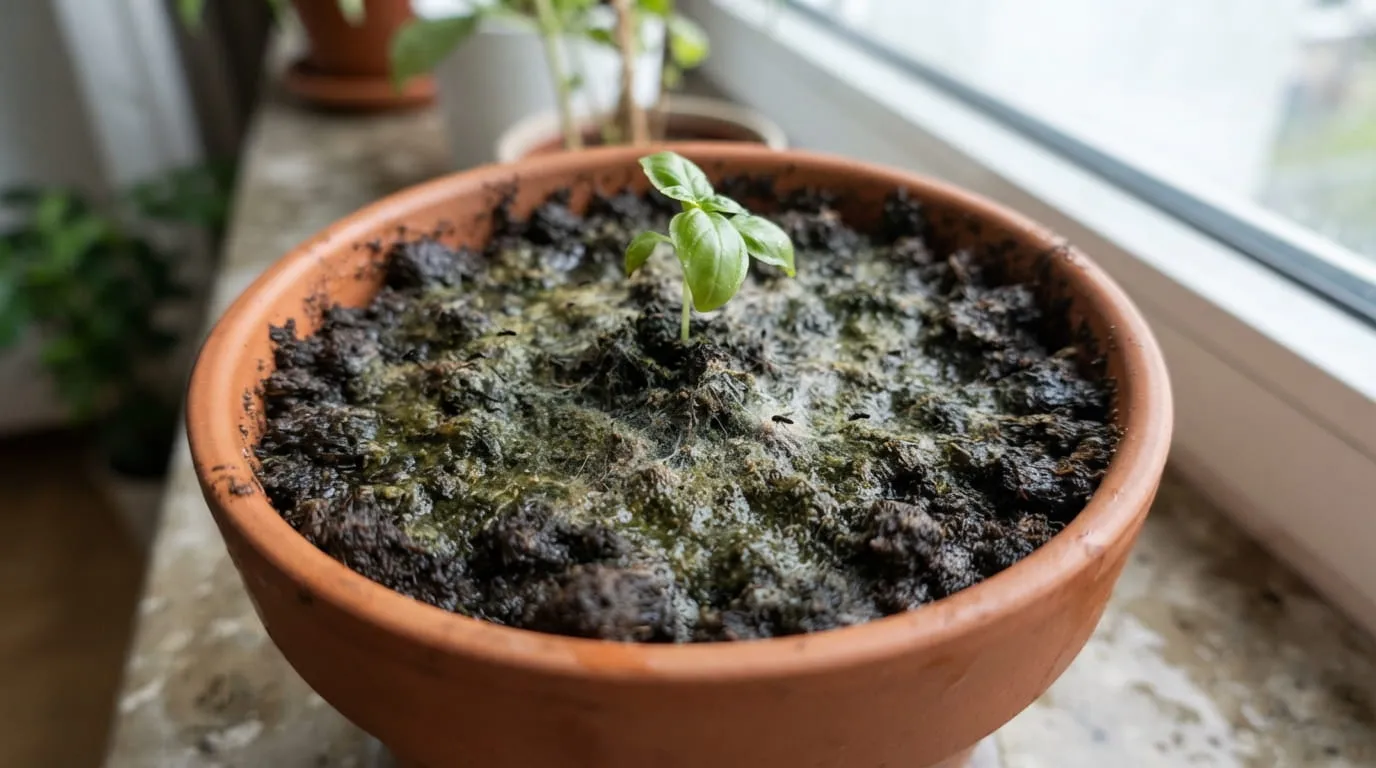
Growth of Microscopic Fungi on Soil Surface. Photo: AI Generated
Consistently high soil moisture will trigger the growth of various types of microscopic fungi and algae on the surface of the growing medium as well as around the base of the plant stems. These fungi are often not visible to the naked eye in the early stages, but their presence is abundant in wet pots.
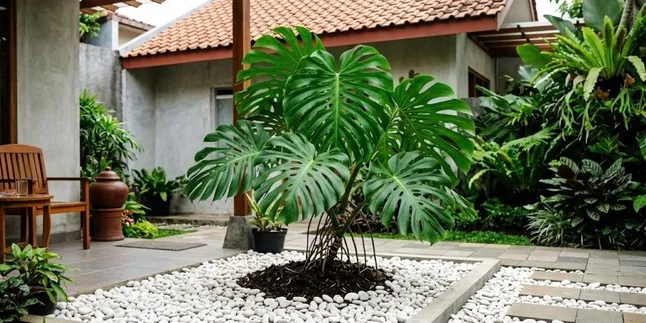
For fungus gnats, the presence of fungi and mycelium in the soil is a primary source of very tasty nutrition. The symbiotic relationship between high moisture, fungal growth, and the presence of these small flies explains why this pest population can explode rapidly in your ornamental plant pots. Sprinkling a layer of decorative gravel or sand about 1 cm thick on the soil surface can inhibit fungal growth while also preventing flies from laying eggs.
6. Application of Sweet-Scented Liquid Organic Fertilizer (POC)
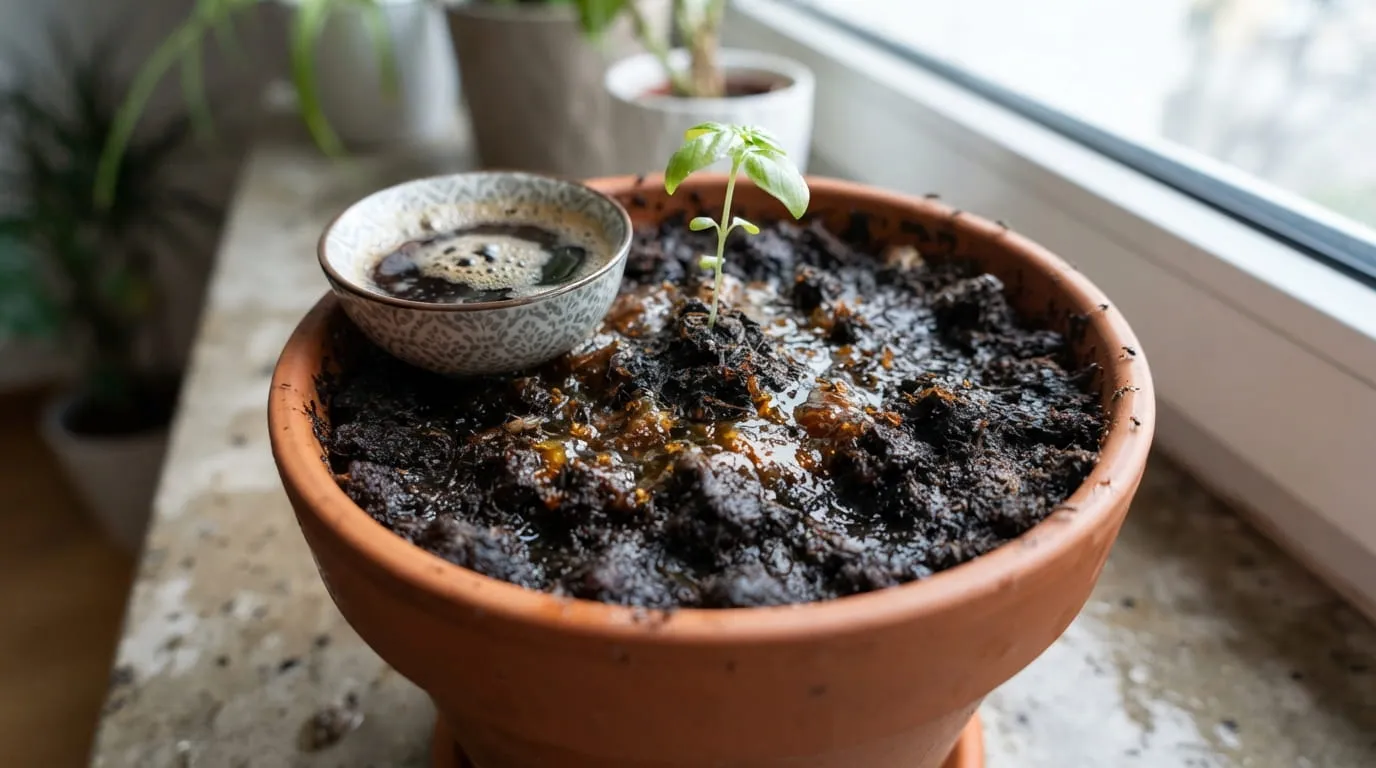
Sweet-Scented Liquid Organic Fertilizer (POC). Photo: AI Generated
Plant enthusiasts often utilize liquid organic fertilizer (POC) made from the fermentation of household waste or other sweet materials to nourish ornamental plants. However, the excessive application of POC directly onto the surface of the potting soil without proper measurement can actually trigger the arrival of various types of insects.
High-nutrient liquids containing residual sugars, amino acids, or fermented materials will leave a sticky residue with a strong aroma on the surface of the growing medium. This sweet and sour aroma not only attracts fungus gnats but also invites fruit flies and ants into the pot. Be sure to dilute POC according to the recommended dosage and avoid spills on the edges of the pot.
7. Questions About the Causes of Small Flies in Potted Soil
Q: Are small flies in potted soil (fungus gnats) harmful to humans?
A: No, adult fungus gnats do not bite humans, do not spread infectious diseases to humans, and are not toxic. However, their presence in large numbers indoors can be very disturbing to the visual comfort of the residents.
Q: Can the larvae of small flies kill ornamental plants?
A: In healthy adult plants, root damage by larvae is generally well tolerated. However, for young plant seedlings or weakened plants, an infestation of large numbers of larvae can damage the root system and hinder plant growth.
Q: What is the most effective way to eliminate small flies in pots without chemical pesticides?
A: The most effective method is to control soil moisture by reducing the frequency of watering (allow the soil to dry 2–3 cm from the top), covering the soil surface with gravel or sand, and placing yellow sticky traps (yellow sticky trap) near the pot.
(kpl/mab)
Disclaimer: This translation from Bahasa Indonesia to English has been generated by Artificial Intelligence.


 Follow
 Rekomendasi