Kapanlagi.com - Utilizing a small yard to reduce grocery expenses is now easier than ever. Even with limited land available, the area around the house can still be optimized into a mini garden that produces various vegetables and kitchen herbs for daily needs.
The concept of urban farming not only helps families obtain fresher food supplies but also reduces the frequency of shopping at the market. Clean harvests that can be picked directly when needed ensure that kitchen needs are met every day.
In addition to providing economic benefits, gardening at home can also be a fun activity. An empty yard can transform into a green space that makes the home feel more comfortable.
1. Planting Family's Favorite Vegetables in the Yard
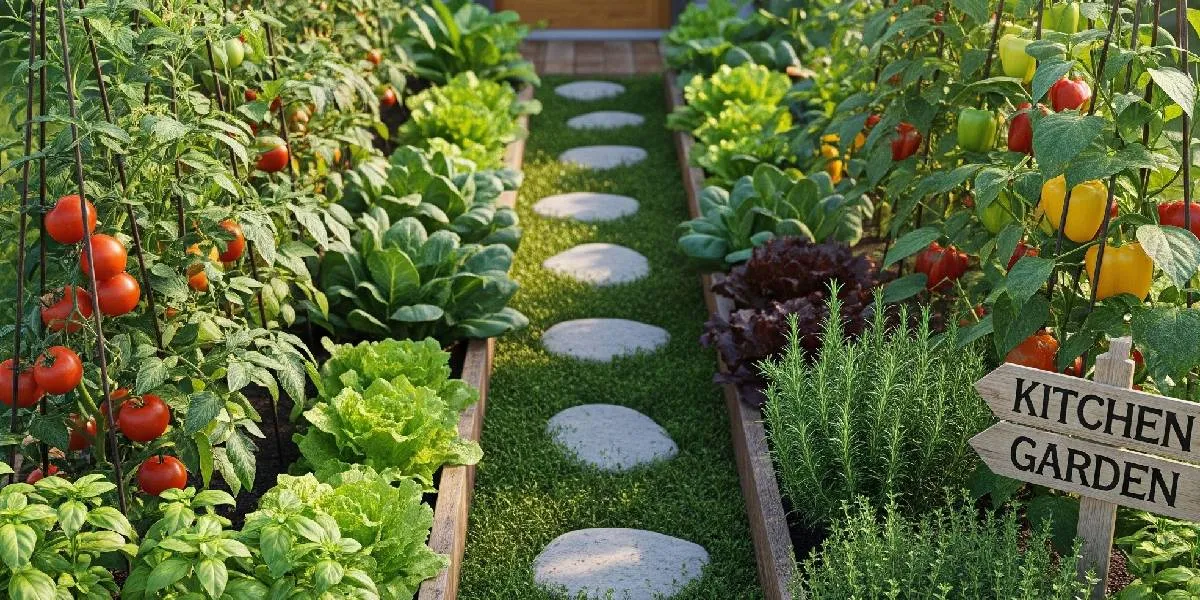
One of the simplest ways to utilize a small yard is by planting vegetables that are often consumed daily. Spinach, kale, mustard greens, and bok choy are quite popular choices because they are easy to cultivate.
Growing these vegetables yourself helps reduce regular expenses for kitchen needs. When the plants are ready for harvest, the family can pick them directly without needing to buy them at the market or supermarket.
Another advantage is that the vegetables can be consumed fresher. Harvesting just before cooking helps maintain the quality of the ingredients used.
2. Provide a Special Area for Chili and Kitchen Spices
Chili and various spice plants are almost always needed in home cooking. Therefore, growing them yourself can be a practical step to save expenses.
Some plants that are suitable for cultivation in pots or polybags include chili, green onions, celery, ginger, turmeric, kencur, lemongrass, and basil. Their care is relatively easy and does not require a large area.
These plants can be placed on the terrace, balcony, or corners of the yard that receive enough sunlight. When the prices of chili or spices rise, the supply from the home garden can help meet cooking needs.
3. Maximize Space with Vertical Garden Concept
Limited land is not an excuse not to garden. The walls of the house or fences can be utilized as planting areas with a vertical concept.
Tiered racks, PVC pipes, or used wooden pallets can be used as media to arrange plants in a stacked manner. This method allows for more plants to be cultivated without requiring a large area.
In addition to being functional, vertical gardens also help create a neater appearance in the yard. This concept is widely applied in minimalist homes that have limited yard space.
4. Transform Used Items into Plant Pots
Various used items at home can be repurposed as plant pots. Plastic bottles, old buckets, and even biscuit tins can be transformed into useful planting containers.
This method helps reduce the costs of creating a mini garden as there is no need to buy many new pots. At the same time, household waste can also be reused, giving it practical value.
To ensure healthy plant growth, each container needs to have drainage holes to prevent water pooling. With a little creativity, used containers can even become decorative elements that beautify the garden area.
5. Try Hydroponic Systems for Limited Land
Hydroponics has become one of the suitable methods to apply in narrow yards. This technique does not use soil and can be made with simple tools, including used plastic bottles.
Some common types of plants cultivated using this method are lettuce, pakcoy, and water spinach. The harvest is known to be clean and easy to maintain.
In addition to saving space, the use of water in hydroponic systems is also more efficient compared to conventional planting methods. Because its maintenance is quite simple, this method often becomes a choice for beginners.
6. Combine Fish and Plant Cultivation
For those with a slightly larger space, the aquaponics system can be an interesting alternative. This method allows for the simultaneous cultivation of plants and fish within one system.
In addition to producing vegetables, household members also have the opportunity to obtain fish for family consumption. Thus, the available food sources become more diverse.
In this system, fish waste is utilized as nutrition for the plants. The use of chemical fertilizers can be reduced, while water circulation occurs efficiently, making it more environmentally friendly.
7. Arrange a Mini Garden to Remain Productive Throughout the Year
A well-arranged garden is an important factor for sustainable harvests. Choose a location that receives enough sunlight and use fertile planting media.
Routine maintenance such as watering, applying organic fertilizers, and pruning yellowing leaves should be done consistently. These simple steps help maintain plant health.
Selecting short-lived plants can also speed up the harvest time. With a crop rotation pattern, a small yard not only looks greener but can also provide fresh food for the family's kitchen needs every day.
(kpl/mda)
Disclaimer: This translation from Bahasa Indonesia to English has been generated by Artificial Intelligence.


 Follow
 Rekomendasi