

 Follow
 Rekomendasi
10 Recommendations for Twin Peaks-esque Movies Set in Small Towns Full of Secrets and Intrigue
Explore recommendations for Twin Peaks-esque movies filled with mystery and intrigue behind the facade of a small town.

Kapanlagi.com - The comfort zone feels safe because everything is familiar and rarely demands more effort. However, that comfort slowly turns into a trap that makes days feel the same without any new direction. Understanding how to get out of your comfort zone without disrupting life is important so that the same old routine does not continue to limit your movement and personal development.
Many people are reluctant to leave their comfort zone because they are afraid of failure, afraid of being judged by others, or worried about losing the sense of security they have had all this time. This fear makes even small changes feel heavy to undertake, causing the old routine to be maintained even though it no longer provides satisfaction.
For those of you who want to get out of your comfort zone but are still afraid, don't worry. Here are some ways to get out of your comfort zone without disrupting life that you can try, summarized by KapanLagi.com from various sources, Tuesday (18/8/2026).

Change the Usual Route. (Image: pvproductions/Magnific)
The same road or route every day makes the eyes stop truly seeing the surroundings because everything is already recorded in the mind. Changing the route to the office, school, or even the market by just one turn is enough to slowly change the way the brain processes the environment every day.
This small change opens up the possibility of discovering new stalls, small parks, or neighbors who have never been greeted before after years of living around there. It's not about the distance being farther or closer, but about paying attention to the details that have been overlooked every day.
This habit can start from the simplest steps, for example, getting off one stop earlier, choosing a different alley on the way home, or walking on a route that is rarely taken. This method is one of the lightest to try because it does not significantly increase travel time.
The tongue also has its own comfort zone formed by years of eating habits without realizing it. Ordering a dish that has never been tried, stopping by a restaurant with cuisine from another region, or tasting unfamiliar spices can be a simple way to train oneself to be open to new things without having to travel far.
A taste that does not suit the palate is not a failure, but rather part of the process of getting to know one’s own taste better than before. Each attempt adds a new reference about what is liked and what is found to be undesirable, making future food choices more diverse.
The habit of tasting new foods can also be done without leaving home, for example, by cooking recipes from other regions using ingredients available in one's own kitchen. This method is inexpensive, easily accessible, and still provides a new experience each time it is tried, even with ingredients that have been frequently purchased.

Keep the Phone Away for One Hour. (Image: AI Generated)
Putting the phone in another room for an hour turns out to be quite difficult for most people who are used to holding it all day. The habit of checking the screen every few minutes makes it rare for the mind to truly quiet down and focus on one thing for a long time.
When the phone is set aside, free time feels longer and often brings up ideas that don't emerge when busy scrolling the screen endlessly. Sitting without notification distractions gives space for the mind to process things that have been postponed because attention is always taken by the phone.
This practice can start from small moments like having breakfast, sitting on the porch in the afternoon, or waiting in line without opening any apps. The more often it is tried, the feeling of restlessness from not holding the phone will gradually decrease on its own.
Neighbors, regular vendors, or coworkers who are encountered every day often only receive a brief nod without further conversation for years. Asking how they are or sharing simple stories can open up conversations that have never happened despite frequent meetings.
Such brief conversations can sometimes reveal unexpected information or stories, ranging from cooking recipes, recommendations for places, to interesting life experiences from people whose faces have been known for a long time. Relationships that were once flat can gradually become closer over time.
This approach does not require special preparation, just one sincere question when passing by on the street or in front of the house. This small habit is one way to step out of the comfort zone without disrupting life, and it is the easiest to practice every day without needing a special schedule.
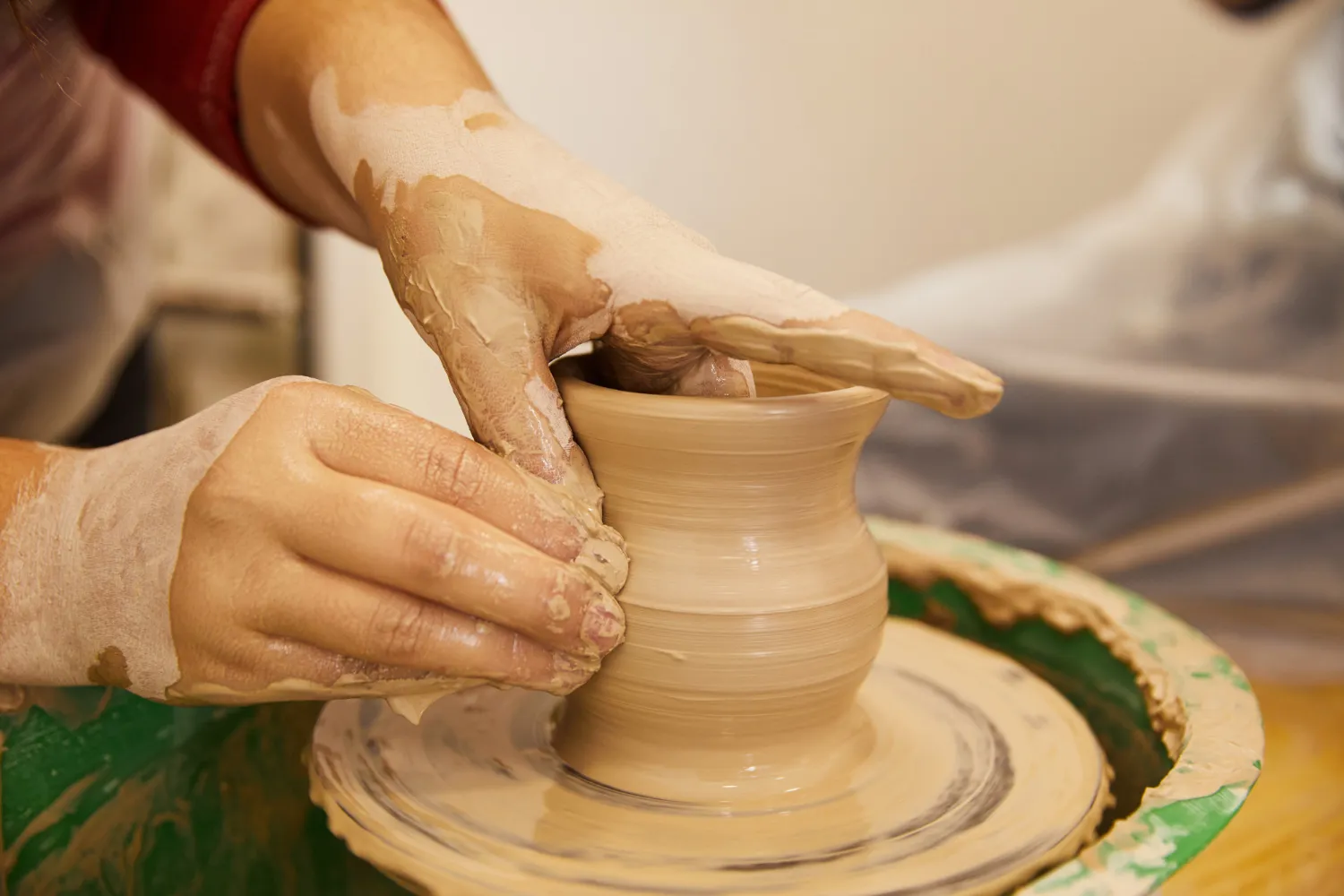
Take a New Class Even If You Are Not Skilled Yet. (Image: freepic.diller/Magnific)
Trying new skills like painting, dancing, or knitting is often postponed due to the fear of looking awkward in front of others who are more experienced. In fact, that awkward feeling is part of the learning process that reminds us what it feels like to be a beginner again after years of getting used to the same routine.
Making mistakes while learning something new is not a sign of failure, but rather a natural part of practice that everyone experiences without exception. Asking simple questions or laughing when making a mistake actually makes the learning process feel lighter and reduces the pressure to master the skill immediately.
Short classes in your local area can be an easily accessible starting point without the need for high costs or long travels. You don’t need to be skilled right away; just enjoy the process of trying something completely new from scratch until you become accustomed to it.
Having lunch alone, watching a movie in a theater without friends, or strolling through the market by oneself often feels awkward on the first attempt. The assumption that everyone is paying attention usually exists only in one's own head and rarely actually happens in reality.
Most people around are actually busy with their own affairs and do not really pay attention to others who come alone to the same place. Time alone like this actually provides space to recognize what is truly liked without consideration or opinion from others at all.
Solo activities like this can start from simple things like having coffee alone at a new café near home or work. The more it is tried, the less awkward it will feel, replaced by a new sense of comfort with one's own time.

Accept Small Invitations That Are Often Overlooked. (Image: Brooke Cagle/Unsplash)
Simple invitations like a short gathering, hanging out, or just chatting over the phone are often declined due to feeling tired or lazy to leave the house after a day of activities. Accepting just one small invitation is enough to open up interactions that have been missed due to the habit of declining without much thought.
Small social interactions have been proven to help maintain a good mood, even for those who are more comfortable being alone during their free time. There’s no need to join big events; just being present for a little while can provide noticeable benefits for everyday mood.
This approach can start with accepting one invitation a week, without the need to force oneself to attend all the events that come and go. Gradually, the habit of declining invitations will be replaced with an openness to accepting new opportunities that were previously always overlooked.
A big wish list often feels overwhelming to fulfill, so it ends up never being started until many years later. Replacing that list with notes of simple things that have never been done makes the targets feel lighter to pursue one by one without the pressure of a specific timeline.
The contents of the notes can include small things like watching the sunrise, listening to stories from parents, visiting the nearest museum, or writing with a hand that is rarely used in daily life. All of these things feel light yet still provide new experiences that can be remembered at any time.
When feeling stuck in the same routine, this list can be revisited, and one thing from the list can be tried immediately without waiting for the right time. This method helps maintain the habit of stepping out of the comfort zone without feeling burdensome.
What is a simple example of stepping out of the comfort zone in everyday life? Simple examples include changing your daily route, trying a new food menu, or greeting a neighbor who usually just gets a nod. These activities do not require major preparation and can be practiced right away without needing to wait for a special time.
Why is stepping out of the comfort zone important for mental health? Trying new things helps keep the brain active in processing different experiences, thus maintaining a better mood throughout the day. A monotonous routine for a long time can actually risk making days feel flat and easily forgotten.
Does stepping out of the comfort zone have to be done in extreme ways? No. Small changes like taking a short class, eating alone outside, or turning off your phone for an hour are enough to have the same effect without needing to change the entire structure of your life that is already in place.
How can you start the habit of stepping out of your comfort zone without feeling overwhelmed? Start with one small habit a week, such as accepting one invitation or trying one new dish that you haven't experienced before. Once you're used to it, this habit can be gradually increased according to your comfort level without rushing.
What are the benefits of noting things that you haven't tried? This note helps to create smaller targets that are easier to achieve compared to a heavy wishlist. When feeling bored with your routine, one item from that note can be tried immediately without having to think for long.
(kpl/bim)
Cobain For You Page (FYP) Yang kamu suka ada di sini,
lihat isinya
Explore recommendations for Twin Peaks-esque movies filled with mystery and intrigue behind the facade of a small town.

Running out of things to watch? Check out these recommendations for immigrant struggle films that touch the heart, filled with hope, loss, and the struggle for a better life.
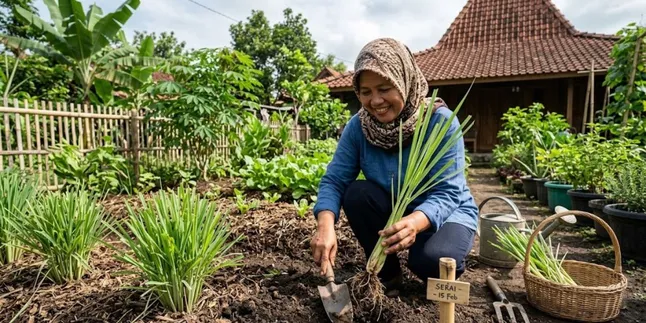
Discover an easy guide to planting lemongrass in your yard, from selecting seeds to optimal care for healthy and aromatic lemongrass.

Explore the universe through recommendations for astronomy-themed movies with stunning visuals. Feel the tension of Neil Armstrong, survive on Mars, and unravel the mysteries of outer space!

Not only beautifying the home, these 10 climbing plants for canopies can provide shade. Check out the fast-growing and easy-to-care-for options.

From enemies to lovers! Here are 15 Korean dramas about work rivals who ultimately become a couple. Get ready to smile at their chemistry.

Fresh water spinach can be harvested quickly at home! Utilize used buckets and follow this practical guide for easy, healthy, and environmentally friendly hydroponic water spinach cultivation.

Do you like Korean dramas with a time travel theme? Check out 10 Korean dramas about going back to the past to change fate with stories full of plot twists.
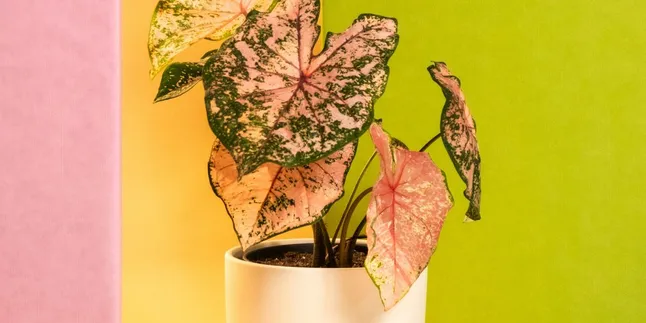
How to overcome curling and wilting taro leaves by identifying the causes and appropriate care steps.

Falling chili flowers can be caused by temperature, watering, nutrition, pests, and even pollination. Identify the causes and follow these 8 simple ways to ensure the flowers survive and the plants become more productive.
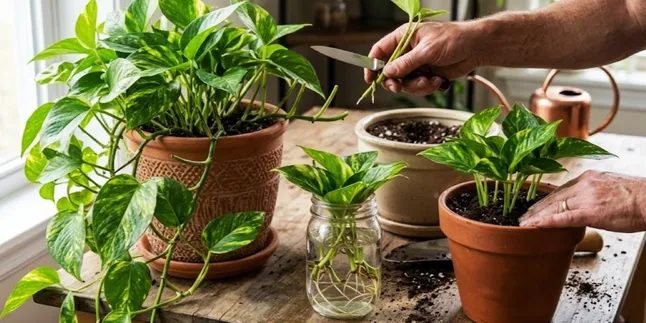
How to propagate pothos using water, planting media, and layering to quickly grow roots and produce new seedlings.
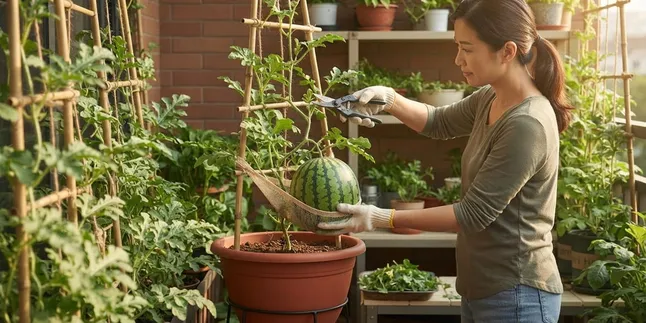
Learn the complete way to plant watermelon in narrow land using pots or polybags. Find tips on choosing mini varieties, planting media, care, and pruning to ensure abundant and sweet fruits.
