Hello KLovers! Do you have a hot terrace but still want it to look lush? Pothos, also known as Epipremnum aureum, can be a great choice because of its beautiful appearance and relatively easy care. However, excessive heat can still cause its leaves to yellow or wilt. So, how do you care for pothos in a hot terrace to keep it fresh?
Although known for its resilience, pothos still requires proper care when placed in areas with high temperatures. Yellowing or wilting leaves can be a sign that the plant is experiencing problems, ranging from improper watering, too much direct sunlight, to unsuitable growing media.
There's no need to rush to move it indoors. There are several simple tricks that can help pothos thrive in a hot terrace. From placement, watering, growing media, to fertilization, check out the complete guide to keep its leaves green and not easily wilted.
1. Rules for Watering Pothos in Hot Weather
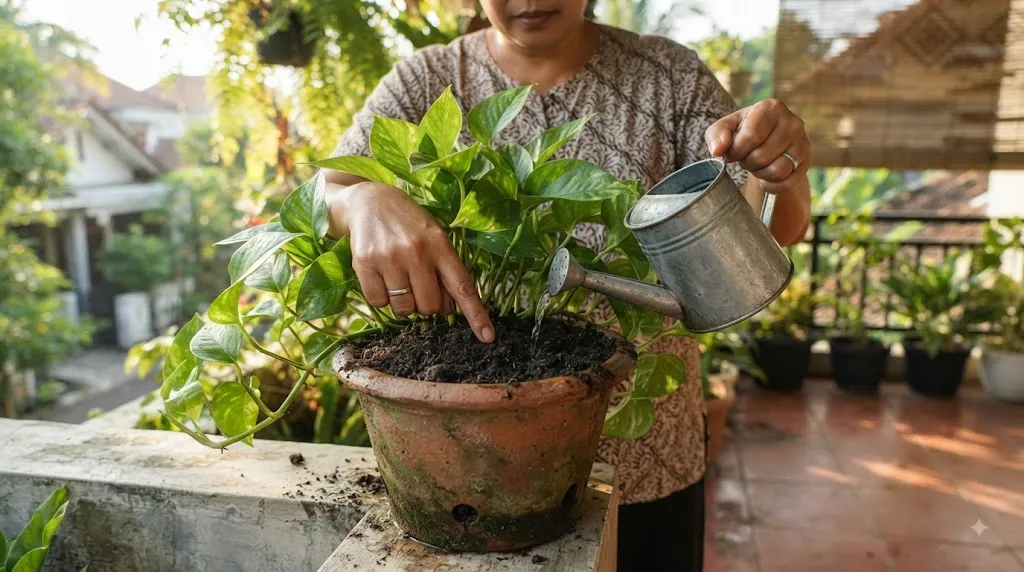
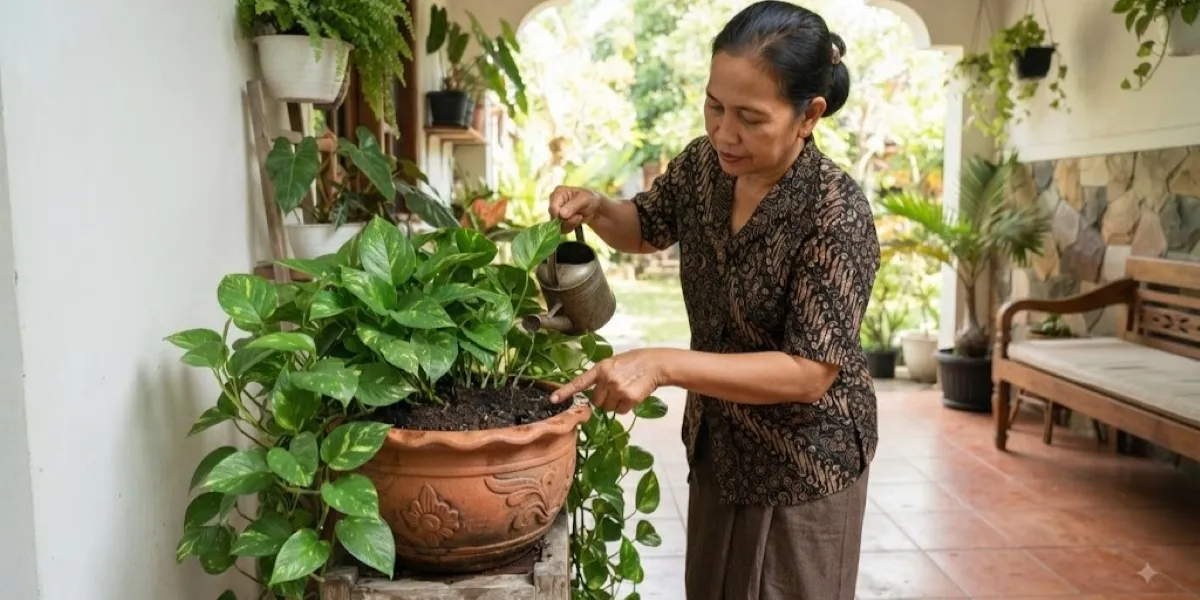
Watering Golden Pothos in Hot Weather. (AI Generated)
Watering is a crucial factor in maintaining the health of pothos, especially when the sun is scorching the terrace. This plant actually prefers soil conditions that dry out between watering cycles. Overwatering can be its enemy, as it can cause root rot, which is often marked by the appearance of black spots on the leaves or leaves suddenly dropping off.
Conversely, a lack of water is equally dangerous. The leaves of pothos will show symptoms of yellowing and wilting, looking lethargic, and gradually changing color if the water supply is insufficient. To avoid this problem, it is important to regularly check the moisture of the soil. Water the plant only when the top layer of soil, about 2-3 cm, feels dry to the touch.
Ideally, watering should be done once a day in the morning. Use room temperature water and ensure the pot has adequate drainage holes to prevent waterlogging that can damage the roots. If the pot feels light when lifted, it may indicate that your plant is thirsty and needs water immediately.
2. Determining the Best Location for Golden Pothos
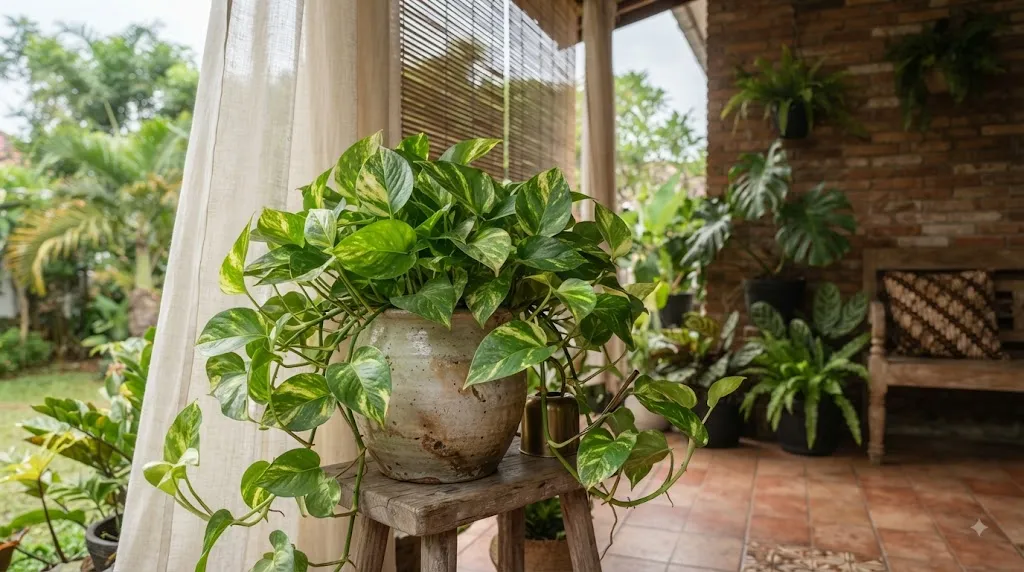
Pothos (AI Generated)
Golden pothos requires bright, indirect light to grow optimally. In its natural habitat, this plant is accustomed to growing under the dense canopy of tropical forests. Therefore, exposure to intense direct sunlight, especially the harsh afternoon sun, can cause its leaves to burn and turn yellow.
Place golden pothos in a location that receives bright lighting but is not exposed directly, such as near a window with sheer curtains. Windows facing east or north often provide the moderate light intensity that this plant prefers. If your patio feels too hot, consider moving the pot a few steps away from the direct light source or providing additional shade.
Although golden pothos is known to be tolerant of low light conditions, its growth may be slower, and its leaf color may be less vibrant or even pale if it does not receive enough light. Balancing lighting is the key to keeping the leaf color a lovely green and supporting healthy growth.
3. Ideal Planting Media for Optimal Growth
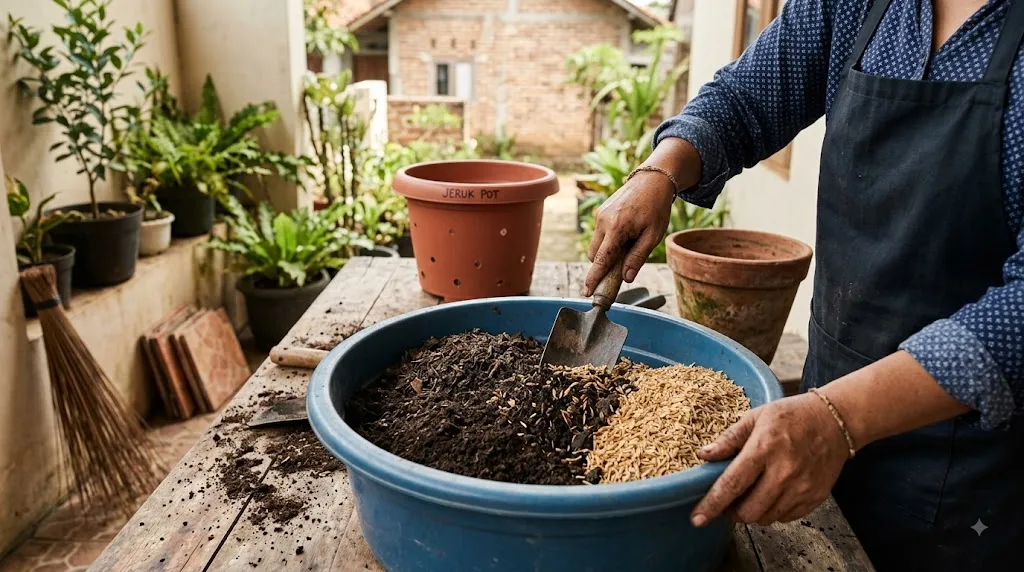
Mix the Growing Media. (Image: AI Generated)
Quality planting media is an important foundation for the healthy and lush growth of pothos. This plant thrives well in regular potting soil with good drainage. A recommended planting media combination is a mixture of soil, manure (compost), and river sand in a ratio of 1:1:1.
Other planting media options that can also be considered include garden soil, humus soil, rice husks, cocopeat, and vermiculite. Humus soil, for example, is organic material that has decomposed and is rich in essential nutrients for plants. Meanwhile, burned husks have good porosity and a carbon content that is beneficial for loosening the soil.
The most important thing is to ensure that the pot has very good drainage facilities to eliminate excess water. Poor drainage can be a major cause of root rot and yellowing leaves. Using the right planting media will significantly support nutrient absorption and prevent moisture problems in the plant's root area.
4. Additional Nutrition Through Routine Fertilization
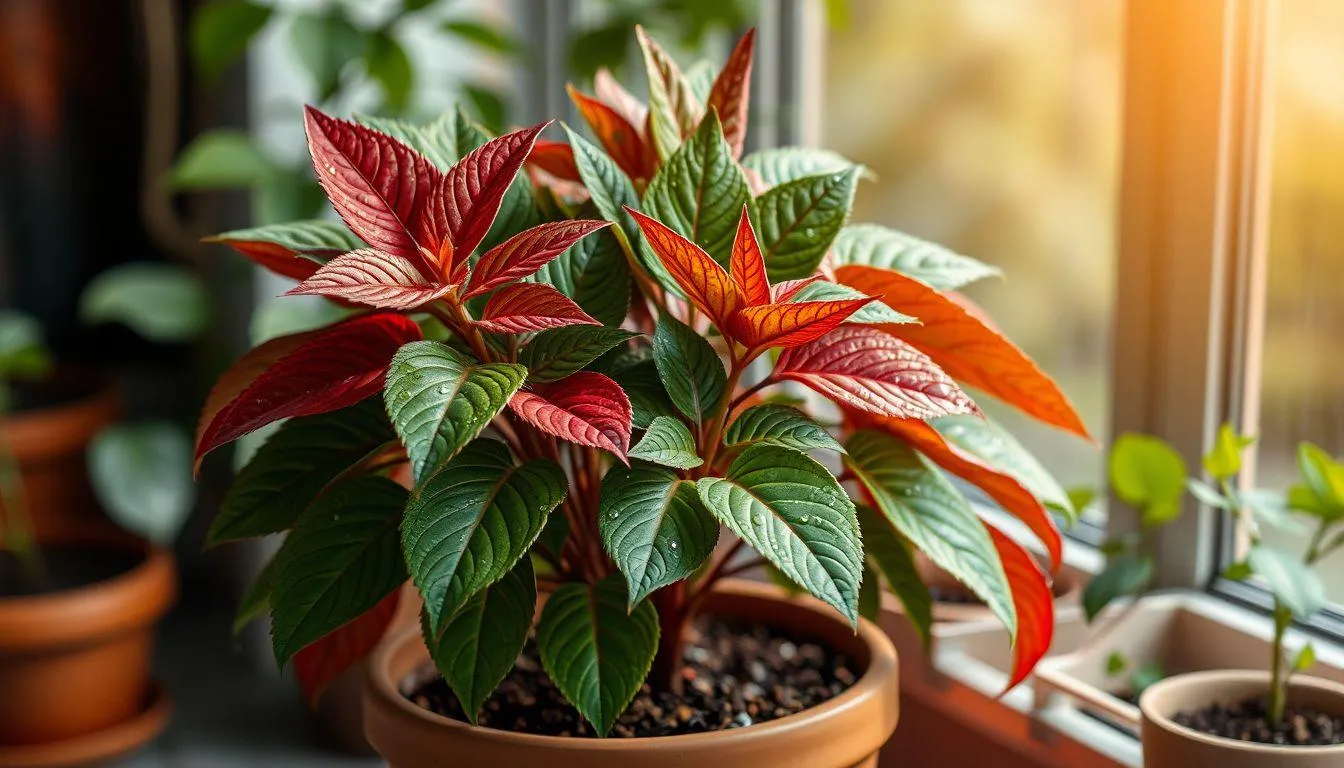
Routine Fertilization of Pothos. (AI Generated)
Routine fertilization is an effective way to ensure that the variegated philodendron receives the additional nutrients needed for optimal growth. Organic fertilizers, such as manure, can naturally enrich the nutrient content of the growing media, making it more fertile. Fertilization with organic fertilizers can be done every three months.
In addition to organic fertilizers, inorganic fertilizers such as NPK pearl 16-16-16 can also be an option. This type of fertilizer can be applied every two weeks with a dosage of a quarter teaspoon dissolved in one liter of water. Nitrogen fertilizers are excellent for promoting the growth of branches and leaves, while potassium fertilizers play an important role in maintaining the green color of the variegated philodendron leaves. It is important to remember that improper fertilization, whether too much or too little, can cause the leaves to yellow.
During spring and summer, when the plants are in an active growth phase, liquid fertilization can be given once a month. However, in autumn and winter, the frequency of fertilization can be reduced as the plants usually enter a dormant period. Balanced nutrition not only strengthens the roots but also supports the growth of new leaves and enhances the plant's resistance to pest and disease attacks.
5. Benefits of Pruning for Lush Pothos
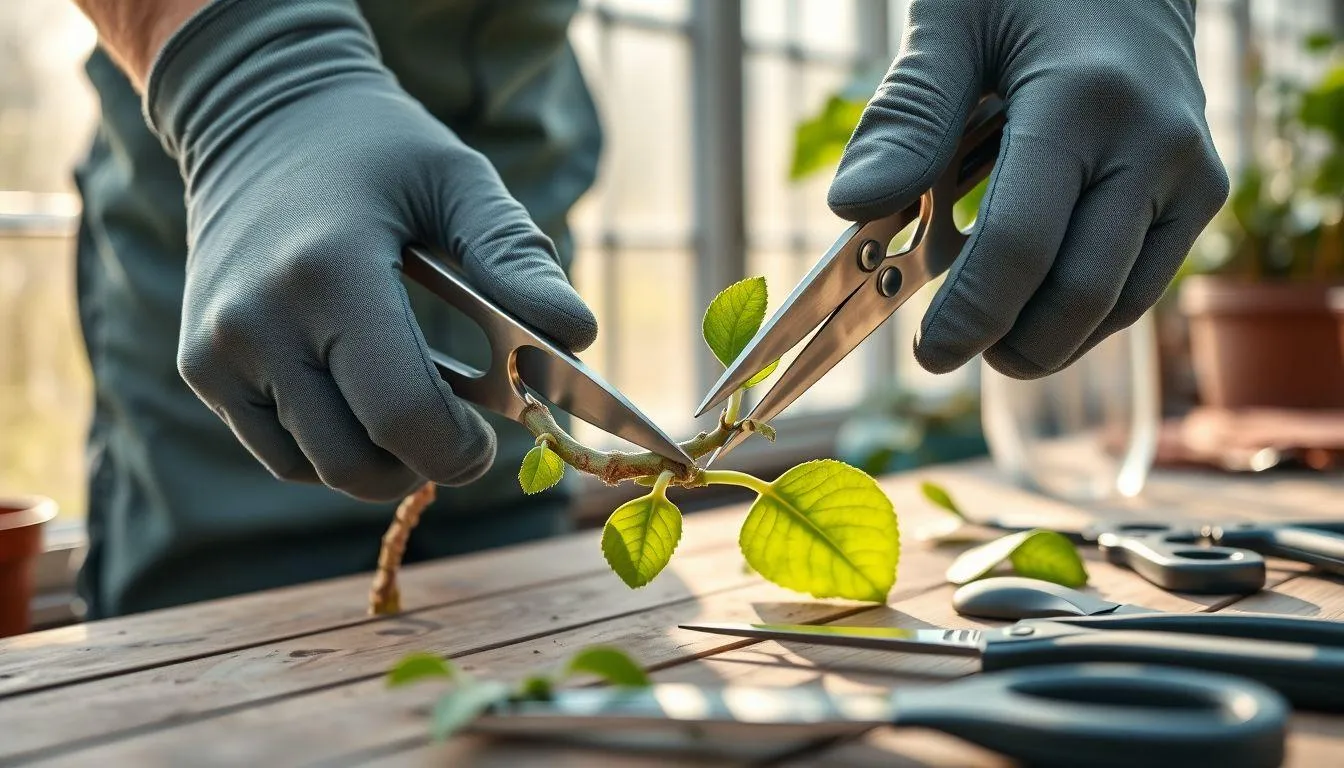
Pruning for Pothos. (AI Generated)
Pruning is an important action to maintain the neat shape of pothos and simultaneously encourage the growth of new shoots. Without regular pruning, the stems of pothos tend to grow thinner and longer. Periodic pruning will tidy up the appearance of the plant and stimulate the emergence of new shoots, making the plant's canopy look thicker and lusher.
The best time to prune pothos is during spring, summer, and autumn, which are its active growth periods. Cut the excessively long stems just above the leaf nodes to stimulate the growth of new branches. Always use sharp and sterile plant scissors to prevent the spread of pathogens and minimize stress on the plant.
Pruning is also very useful for removing damaged, discolored, dead, or dying leaves, which can disrupt the aesthetics and health of the plant. If you want to make your pothos plant denser, a slightly harder pruning may be necessary. Regular trimming is also important considering that pothos is a fast-growing and easy-to-vine plant.
6. Protecting Pothos from Pests and Diseases
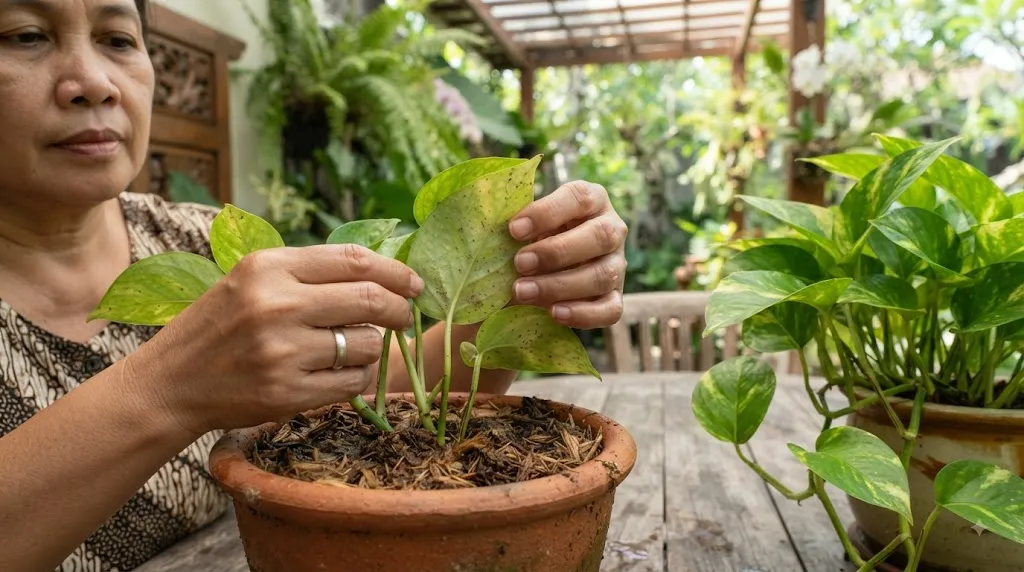
Protecting the Pothos from Pests and Diseases. (AI Generated)
Although pothos is known as a resilient plant, it is not entirely immune to pest and disease attacks that can cause its leaves to yellow or wilt. Pests such as aphids, spider mites, or whiteflies can infest the plant, leading to stress and discoloration of the leaves. These insects suck the sap from the plant, gradually weakening it.
Fungal or bacterial diseases can also pose a threat, often causing spots to appear on the leaves and affecting the overall health of the plant. Therefore, regular inspections of the plant are crucial to detect early signs of pest or disease attacks. If detected, immediate treatment using insecticidal soap or neem oil should be applied.
Isolating the affected plant is a wise step to prevent the spread of pests or pathogens to other nearby plants. Pruning infected leaves and providing good air circulation can also greatly assist in the recovery process. Prompt and appropriate treatment will keep the health and appearance of your beloved pothos in top condition.
7. Brief Q&A About Pothos Care
Why are the leaves of the pothos turning yellow even though they are often watered?
Leaves can turn yellow due to overwatering (poor drainage, root rot), direct sunlight exposure, lack of nutrients, or pest/disease attacks. Make sure the soil dries out between waterings.
How often should I ideally water pothos on a hot terrace?
Water when the top 2-3 cm of soil is dry. On a hot terrace, it could be every morning, but always check the soil moisture first.
Can pothos be placed in direct sunlight?
Not recommended. Direct sunlight, especially in the afternoon, can scorch the leaves and cause yellowing. Look for a location with bright indirect light.
What type of growing medium is best for pothos?
A good growing medium should have excellent drainage, such as a mix of soil, manure, and river sand (1:1:1), or a combination of humus soil, rice husks, and cocopeat.
How can I encourage the pothos leaves to grow denser?
Regularly prune the long stems. This will stimulate the emergence of new shoots, making the plant denser and bushier.
(kpl/rao)
Disclaimer: This translation from Bahasa Indonesia to English has been generated by Artificial Intelligence.


 Follow
 Rekomendasi