

 Follow
 Rekomendasi
A Lineup of Indonesian Celebrities Watching the 2026 World Cup Live, Some Invited by FIFA!
The euphoria of the 2026 World Cup has indeed sparked interest from a number of Indonesian artists to fly and watch live in America, Canada, and Mexico.
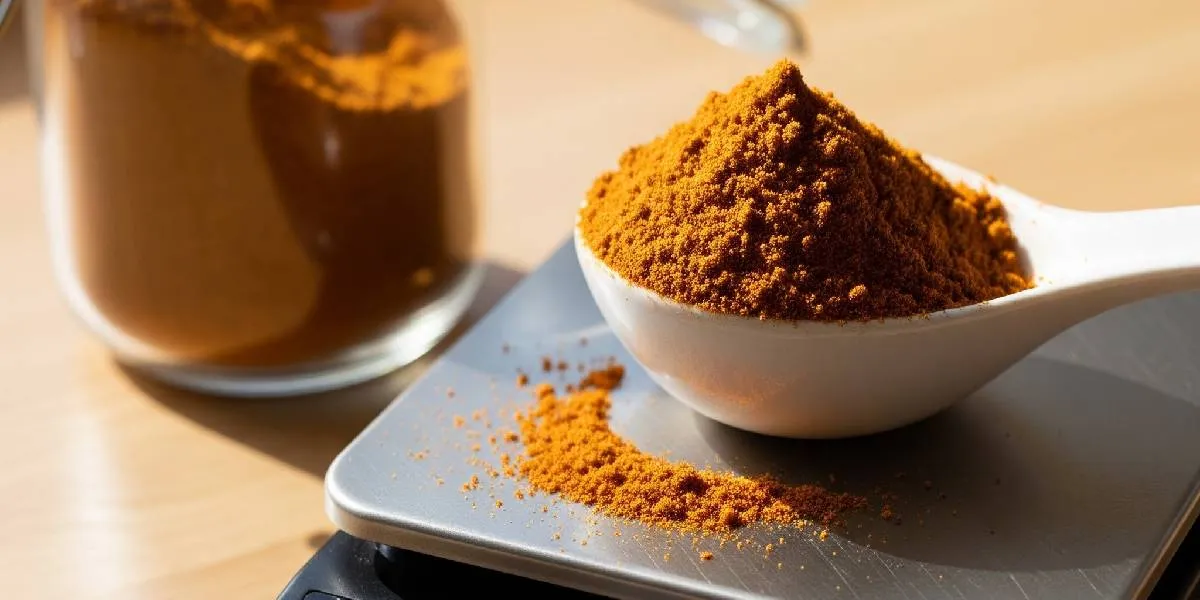
Kapanlagi.com - Converting 250 grams to tablespoons is a common question when cooking or baking. Although it sounds simple, this conversion actually does not have one definitive answer because grams and tablespoons are two different units.
Grams are used to measure mass or weight, while tablespoons measure volume. That’s why the number of tablespoons for a weight of 250 grams can vary depending on the type of ingredient used. Flour, sugar, honey, butter, and cooking oil have different densities, so the conversion results are not the same.
As a general reference, one standard American tablespoon has a volume of about 15 mL. Based on this benchmark, 250 grams of a substance with a density equivalent to water is approximately equal to 16–17 tablespoons. This standard refers to the NIST Handbook 44, which states that one measuring tablespoon is worth 15 milliliters.
Before converting 250 grams into tablespoons, it is important to understand the function of each unit. A gram is a unit of mass in the metric system abbreviated with the symbol g. One gram is equivalent to about 0.035 ounces.
Meanwhile, a tablespoon (tbsp) is a unit of volume. In the American standard, one tablespoon is equivalent to three teaspoons or about 15 milliliters for nutritional labeling purposes.
This difference is what makes direct conversion impossible. For example, one tablespoon of granulated sugar weighs differently compared to one tablespoon of butter, even though the volume is the same. The same applies to flour, honey, salt, and cooking oil.
Additionally, the size of a tablespoon is not always the same in every country. An American tablespoon is about 14.8 mL, the British one is traditionally about 17.7 mL, while Australia uses a size of 20 mL. These differences should be noted when following recipes from abroad.
The conversion from grams to tablespoons is done by dividing the weight of the ingredient by the average weight of that ingredient in one tablespoon.
The simple formula is:
Tablespoons = Weight (grams) ÷ Weight per tablespoon of the ingredient
If the available data is in density in grams per milliliter (g/mL), that value needs to be multiplied by 14.7868 to convert it to grams per tablespoon.
Some examples of the calculations include:
The differences in these numbers indicate that the type of ingredient is the main factor in determining the conversion result.
To make it easier to use while cooking, here is a conversion chart for 250 grams to tablespoons based on some commonly used ingredients in the kitchen.
Ingredient | Approximate 250 Grams |
Water | ±17 tbsp |
All-purpose flour | ±32 tbsp |
Granulated sugar | ±20 tbsp |
Powdered sugar | ±28 tbsp |
Brown sugar (packed) | ±18–19 tbsp |
Butter | ±18 tbsp |
Cooking oil | ±19 tbsp |
Honey | ±12 tbsp |
Milk | ±16 tbsp |
Table salt | ±17 tbsp |
Cocoa powder | ±36 tbsp |
Yogurt | ±16 tbsp |
As another example, 250 grams of bread flour in many European recipes is equivalent to about 33 tablespoons or roughly two cups. Conversely, denser ingredients like honey require a much smaller number of tablespoons even though the weight is the same.
This table can serve as a practical guide when you don't have a kitchen scale. However, the results are still estimates as the characteristics of each ingredient vary.
The absence of a specific number to convert grams to tablespoons is due to the differences in density or specific mass of each ingredient. Density indicates how much weight a material has in a certain volume. The denser a material, the heavier it is in one tablespoon.
Since grams measure weight while tablespoons measure volume, they can only be converted if the density of the material being used is known. That is why 250 grams of flour requires a significantly larger number of tablespoons compared to 250 grams of honey.
As an illustration, one tablespoon of packed brown sugar weighs about 12.18 grams. Meanwhile, one tablespoon of powdered sugar weighs only about 7.56 grams. Although their volumes are both one tablespoon, their weights differ, so the conversion results will not be the same.
In addition to the type of material, storage conditions can also affect measurement results. Humidity, temperature, and the way the material is placed into the spoon can alter its actual weight. For example, packed flour will yield a greater weight compared to loosely filled flour.
For baking needs or recipes that require high precision, using a digital scale remains the most accurate choice compared to relying on spoon measurements.
Although digital scales provide the most precise results, many people still rely on tablespoons when cooking at home. To ensure the measurements are closer to the recipe requirements, there are several things to consider.
Use standard measuring spoons, not regular tablespoons used for eating. The size of household tablespoons can vary, so the measurements may not always align with the standard of 15 mL.
When measuring dry ingredients like flour or sugar, level off the surface of the ingredient using the back of a knife. The tablespoon measurements used in various conversion charts are level measurements, not heaping spoons.
Avoid pressing or packing the ingredients into the spoon. Packed flour can weigh up to about 30 percent more than flour measured normally. Small differences like this can affect the final texture of cakes or bread.
The method of scooping the ingredients also affects the measurement results. Each brand of flour or sugar can have slightly different textures, so the weight in one tablespoon can vary.
Using stainless steel measuring spoons is also recommended because their sizes are more consistent. For ingredients like butter, the storage temperature also affects the weight per tablespoon. Melted butter and cold butter do not always weigh the same even if the volume is equivalent.
In addition to understanding the conversion of 250 grams to tablespoons, there are several other units that are often used in various cooking recipes. Knowing the relationships between these units can help reduce errors when following recipes from both domestic and international sources.
In the American kitchen standard, one cup is equal to 16 tablespoons or about 240 mL. Meanwhile, one tablespoon is equivalent to three teaspoons.
In Indonesia, one ounce means 100 grams. This definition differs from the international ounce, which is approximately 28.35 grams. This difference often causes confusion when using recipe references from abroad.
The difference in tablespoon standards also needs to be considered. Recipes from America generally use a size of 15 mL, while Australian recipes use a tablespoon with a capacity of 20 mL. When following international recipes, ensuring the standard used can help achieve results closer to the original.
For liquid ingredients like water, converting kilograms to liters is relatively easy because the density of water is close to 1 gram per milliliter. However, this condition does not apply to oil, honey, milk, or other ingredients that have different densities.
Converting grams to tablespoons is indeed very helpful when a kitchen scale is not available. However, the conversion results remain estimates as they are influenced by many factors, ranging from the density of the ingredients, the size of the spoon, to the method of measuring.
In the world of baking, precise measurements play a crucial role in the final outcome. An excess of flour can make the texture of bread or cake harder and drier, while using too much sugar can affect both the shape and the level of sweetness.
Therefore, the use of digital scales is still recommended when a recipe requires consistent results. Meanwhile, for everyday cooking, a conversion table from grams to tablespoons can serve as a practical guide as long as the type of ingredients used is properly considered.
By understanding the difference between weight and volume, you will no longer struggle to determine how many tablespoons are equivalent to 250 grams. Always ensure to adjust the conversion according to the ingredients used so that the results of your cooking and baking are more accurate and in line with the recipe.
(kpl/mda)
Cobain For You Page (FYP) Yang kamu suka ada di sini,
lihat isinya
The euphoria of the 2026 World Cup has indeed sparked interest from a number of Indonesian artists to fly and watch live in America, Canada, and Mexico.

Utilize used ceramic fragments to create an aesthetic and durable garden path. Follow the steps to ensure a neat, sturdy, and comfortable result.

The menteng tree is once again in demand as a local fruit plant that is becoming increasingly rare. Get to know its characteristics, benefits, habitat, as well as how to plant and care for it.

Looking for an anti-climb laser cut iron fence? Check out eight designs that prioritize security while beautifying the front appearance of your home.

Kitchen design inspiration with a washing area to prevent dampness, ranging from semi-outdoor concepts to material selection to keep the kitchen clean and comfortable.

Homes in flood-prone areas can still have productive yards. Check out various land arrangement concepts that help keep the yard beneficial throughout the year.

The 2026 Bhayangkara Day carries the theme of 80 Years of Service, Polri for the Community. Check out the messages, logo meanings, ceremony locations, and the messages behind the 80th Polri commemoration.

Ruben explained that his facial hair grows quite fast. However, during his time in the Holy Land, he intentionally did not shave his beard to be more focused on performing worship.

Want your home garden to stay tidy even if it's rarely cleaned? A number of low-maintenance landscaping concepts can be a choice for various types of modern residences.

The preparations for Taylor Swift and Travis Kelce's wedding are said to be getting more extravagant. A giant castle is reportedly being built at Madison Square Garden to realize a fairy tale-like celebration.

Not all anime villains are hated. These five characters actually have touching stories that make many fans hope they become protagonists.

Netflix has finally announced the release schedule for ONE PIECE: HEROINES. This latest spin-off will highlight Nami's story with several original scenes.
