Kapanlagi.com - Keeping the home environment is not just about making the residence look tidy, but also about building habits that support the health of all family members. Simple steps like disposing of trash properly, cleaning the floors, and maintaining the bathroom can be the beginning of creating a cleaner and more comfortable home.
Ways to maintain the home environment also include waste management, keeping indoor air quality, conserving water and electricity usage, and introducing green plants around the house. These various habits not only make the residence feel healthier but also help in preserving the environment.
According to Healthline, regularly cleaning the house can reduce the presence of bacteria, viruses, dust, and pests that can trigger diseases or allergies. This benefit becomes even more important if there are family members who are ill, making home cleanliness a higher priority.
1. Daily Habits that Help Keep the House Always Clean
Maintaining the cleanliness of the house should be done consistently every day so that the work does not pile up. Dividing tasks into simple activities in a short time keeps the house well-maintained without feeling exhausting.
Waste management is one of the main steps. Separate organic, inorganic, and hazardous waste (B3) from the start. Organic waste can be processed into compost, while inorganic waste is collected for recycling. Use trash bins with lids to prevent odors and avoid attracting insects.
In addition, clean the house thoroughly by sweeping, mopping the floors, and dusting various furniture. Areas that are frequently touched, such as door handles, light switches, and the kitchen, also need extra attention as they can easily become places for dirt to accumulate.
Drainage channels need to be cleaned periodically to prevent clogs and to avoid becoming breeding grounds for mosquitoes. Bathrooms should be scrubbed at least once a week, and the floors should be kept dry to avoid slipping and prevent mold.
Do not let dirty dishes or laundry pile up. These conditions can trigger unpleasant odors, become a breeding ground for germs, and attract cockroaches. Regular cleaning actually makes the work easier.
The habit of removing footwear before entering the house also helps reduce dirt from outside. After activities, it is advisable to wash hands with soap as part of the effort to maintain the personal hygiene of all household members.
During the rainy season or humid conditions, attention to cleanliness needs to be increased because moisture accelerates the growth of bacteria and mold. Regularly cleaning the bathroom and keeping the house dry can help maintain a hygienic living environment.
2. How to Improve the Quality of the Home Environment
In addition to visible cleanliness, the quality of air inside the house also affects the health of the family. The Healthy Buildings team from Harvard T.H. Chan School of Public Health states that most of the time people spend indoors, making indoor air quality an important factor.
Air circulation can be improved by regularly opening windows to create cross ventilation. The use of exhaust fans in the kitchen and bathroom also helps reduce steam, smoke, and pollutants inside the house.
Room humidity needs to be controlled by promptly fixing leaks and drying wet areas. An excessively humid environment facilitates the growth of mold and mildew that can disrupt respiratory health.
The choice of cleaning materials should also be considered. Natural materials such as white vinegar, baking soda, and lemon can be used to help clean various surfaces. However, bleach should not be mixed with vinegar or other cleaning liquids as it can produce harmful gases.
Ornamental plants such as snake plants, pothos, and peace lilies can be placed indoors to help filter air pollutants. The presence of plants also becomes part of efforts to create a healthier living environment.
As an additional protective measure, homes should be equipped with smoke and carbon monoxide detectors. Meanwhile, cleaning fluids and other chemicals should be stored in a locked cabinet and out of reach of children.
3. Eco-Friendly Homes Start with Pest Control and Energy Conservation
Maintaining the home environment also means preventing the emergence of pests while using resources more wisely. Both of these aspects benefit the residents of the house as well as the surrounding environment.
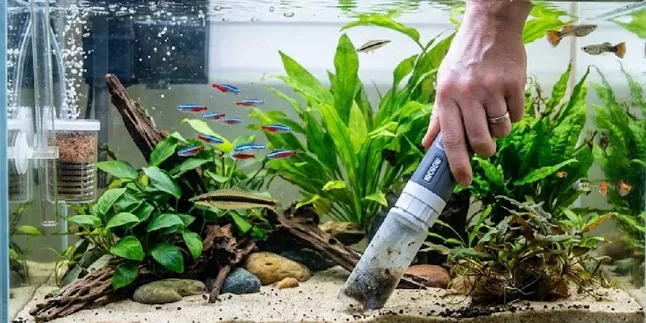
Dengue fever prevention can be carried out through the 3M Plus movement, which involves draining water storage containers, tightly covering water containers, and recycling used items that have the potential to hold water. Additional steps such as keeping fish that eat larvae can also be applied.
Cracks and holes in walls should be sealed to prevent rats, cockroaches, and lizards from easily entering the house. Storing food in tightly sealed containers also helps reduce the likelihood of pest emergence.
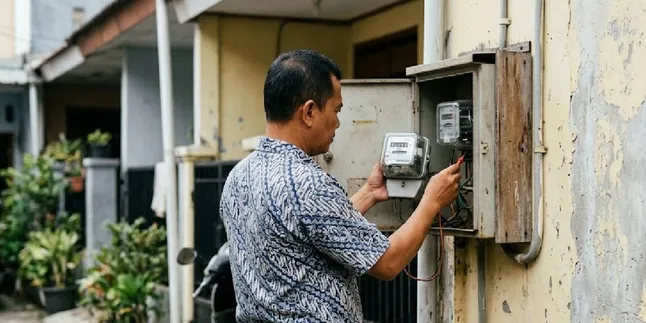
Using water and electricity efficiently is also part of maintaining the home environment. Habits such as turning off the tap while brushing teeth, using LED lights, unplugging unused electronic devices, and running the washing machine only with a full load can help reduce energy consumption and carbon emissions.
The use of single-use plastics can also be reduced by bringing shopping bags and refillable water bottles, as well as choosing products with less packaging. These simple steps help reduce the amount of plastic waste that is difficult to decompose.
Planting trees or plants in the yard provides additional benefits such as carbon dioxide absorption, creating shaded areas, and helping to reduce the risk of flooding. Easy-to-care-for productive tree species can be a choice for the home yard.
The Washington State Department of Health explains that sealing entry points for pests and storing food in airtight containers is an important part of pest control without reliance on chemicals. Meanwhile, the Ministry of Health refers to the 3M Plus movement as an effective effort to curb the spread of dengue fever in residential areas.
These various steps can also be combined with habits of saving electricity and preserving natural resources starting from the home environment.
4. Benefits of Maintaining a Clean Home Environment for Health and Daily Life
Regularly maintaining the house provides benefits that are not only related to cleanliness but also to physical health, comfort, and spending efficiency.
A clean environment helps reduce the spread of bacteria, viruses, and pests that cause diseases such as diarrhea, typhoid, respiratory infections, dengue fever, as well as disturbances caused by cockroaches and rats.
Good air circulation and minimal dust help maintain indoor air quality, especially for residents with asthma or allergies. A well-organized home can also help create a more comfortable atmosphere, thus supporting mental health and sleep quality.
On the other hand, habits of conserving water and electricity can reduce monthly bills, while a clean and green home also helps maintain the surrounding environment and preserve property value.
Habits of keeping the house clean will be easier to implement if introduced early to children. Thus, concern for the environment can grow as part of a family culture that is practiced consistently every day.
(kpl/mda)
Disclaimer: This translation from Bahasa Indonesia to English has been generated by Artificial Intelligence.


 Follow

 Rekomendasi