

 Follow
 Rekomendasi
Andien Shares Tips for Suhoor During Ramadan, Not Just Filling but Full of Nutrition
Andien shares tips for suhoor during Ramadan to keep the body energized with nutritious food.

Kapanlagi.com - Ramadan is a month full of blessings for Muslims, synonymous with various acts of kindness and concern for others. In addition to competing to do good for others, this month can also be an opportunity to show concern for the environment.
During fasting, the appetite often feels greater than usual. This condition often makes someone want to buy or prepare food that is more special compared to everyday menus.
As a result, the food available at iftar often overflows, leading to some being wasted. In fact, the essence of fasting is about simplicity and discipline, making Ramadan the perfect moment to evaluate consumption habits to be more eco-friendly. Read more below.
Read other articles on the same topic at Liputan6.
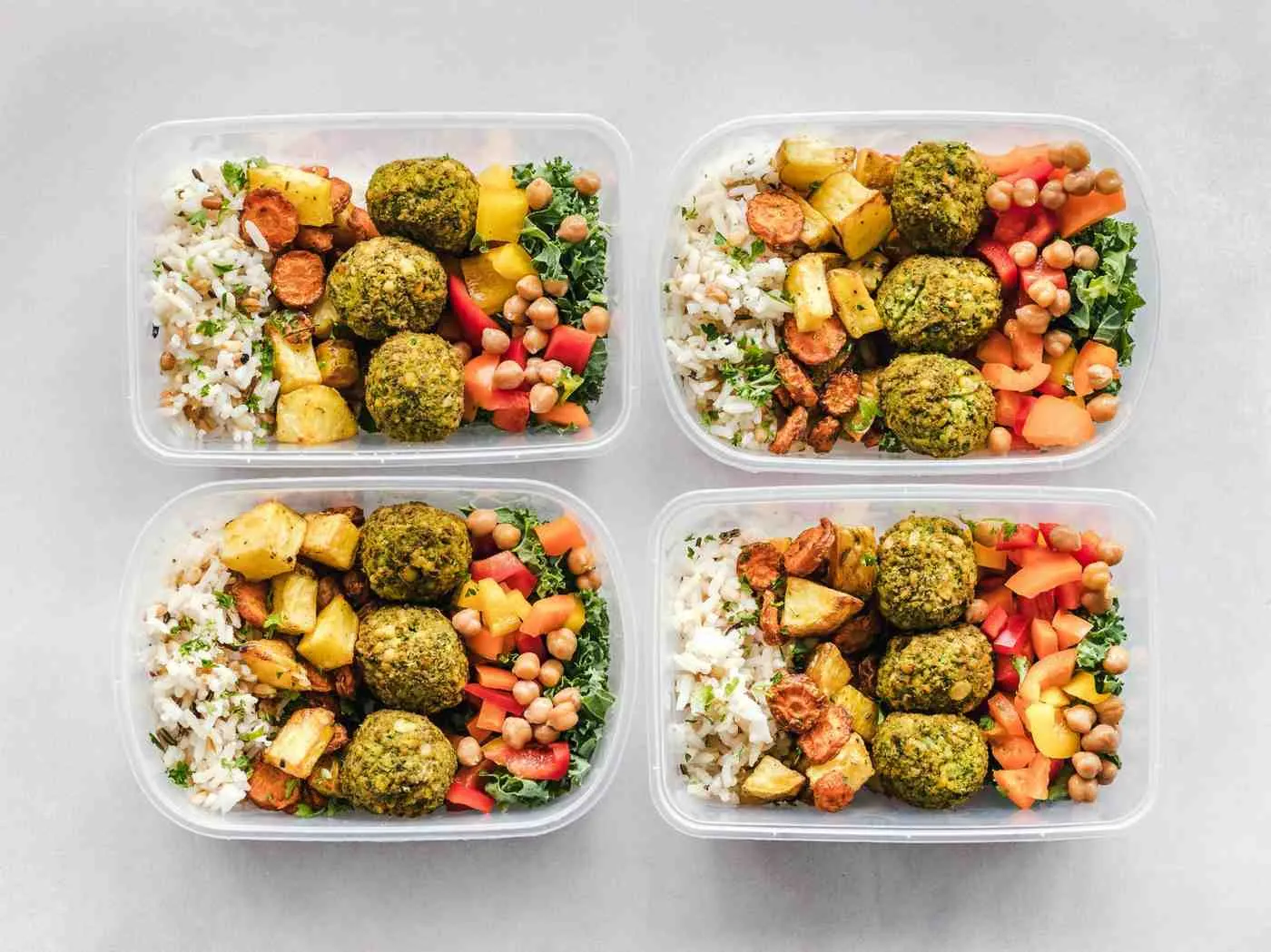
Buy takjil using your own container (c) Illustration Pexels
One simple way to reduce waste during Ramadan is to avoid takjil sold in plastic packaging. If you intend to buy food for breaking the fast on the street, it is better to bring your own food box or drinking container.
At first, it may feel unusual, but this habit can help reduce single-use waste. Takjil sellers generally do not mind if buyers bring their own containers as long as we are willing to ask and try it.
If you forget to bring a container from home, another option is to look for takjil packaged in used paper or banana leaves. This type of packaging is more environmentally friendly compared to single-use plastic.
Leftover food from iftar is often thrown away immediately because it is considered no longer suitable for consumption. In fact, this food can still be utilized for suhoor the next day.
Throwing away food is not only wasteful for the food itself, but also for the time and money that have been spent to prepare it. Therefore, leftover food should be stored in the refrigerator so it can be reheated during suhoor.
If there are still leftovers, the food can even be enjoyed for iftar the following day. This habit helps reduce waste while minimizing food scraps.
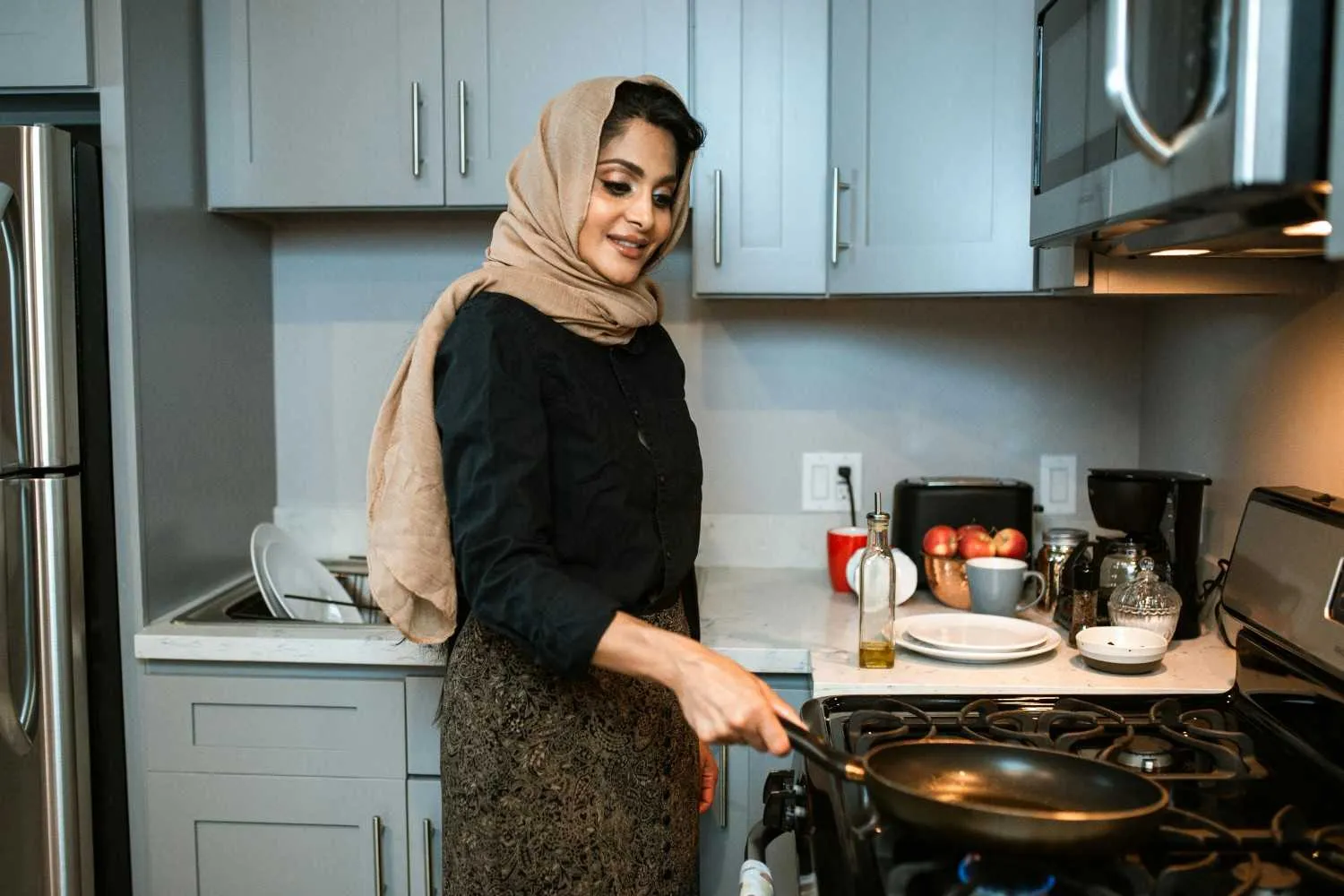
Cooking for yourself can also save expenses (c) Illustration Pexels
Many people fill their Ramadan time with schedules of breaking fast together with friends or family. However, the fasting month can also be an opportunity to cook more often at home.
With a smaller eating rhythm compared to regular days, Ramadan can actually be a moment to save expenses. One way to make this easier is by creating meal planning or menu planning in advance.
Menu planning makes cooking activities more organized and enjoyable. Additionally, the food consumed can also be healthier and more controlled because we can increase the amount of vegetables and fruits.
The zero waste lifestyle concept also strongly supports this kind of eating pattern. Vegetables and fruits produce waste that is easier to process, and can even be turned into compost.
As the time for breaking the fast approaches, various food options often look very tempting. This condition makes many people buy food in quantities greater than what is actually needed.
In fact, not all of that food ends up being eaten. As a result, some food ends up as leftovers or is even thrown away immediately.
Controlling the desire to buy excessive food is an important step in implementing a less waste lifestyle during Ramadan. By buying just enough, the amount of food waste can also be reduced.

Reduce the habit of shopping for non-essential items (c) Illustration Pexels
Ramadan can also be the perfect moment to try to reduce the habit of shopping for items other than essential needs. Focusing only on food needs can help reduce the potential waste from other consumer goods.
Before buying something, it is advisable to check the contents of the closet at home. There may still be many clothes or items that are actually still usable.
For example, Eid clothes from two years ago may still be wearable. If you really have to buy new items, the habit of donating one old item can help reduce the accumulation of goods while also sharing with others.
Q: What is meant by less waste during Ramadan?
A: Less waste refers to the effort to reduce waste production during Ramadan, especially from food, plastic packaging, and unnecessary consumer goods.
Q: Why is food often wasted during Ramadan?
A: This often happens due to the desire to buy or prepare excessive food during iftar, so not everything is consumed.
Q: What are some simple ways to reduce waste when buying ta’jil?
A: One way is to bring your own food or drink containers from home to avoid using single-use plastic.
Q: Can leftover iftar food still be eaten during sahur?
A: Leftover food can still be eaten if stored properly in the fridge and reheated during sahur.
Q: Why does meal planning help reduce waste?
A: Meal planning helps control the amount of food cooked, thereby reducing the risk of leftovers and waste.
Want to read other latest updates? Come read at KapanLagi.com. If not now, when else?
(kpl/sjn)
Cobain For You Page (FYP) Yang kamu suka ada di sini,
lihat isinya
Andien shares tips for suhoor during Ramadan to keep the body energized with nutritious food.

The holy month of Ramadan is a special moment for DJ Dinar Candy. Instead of being busy with her disc jockey work, Dinar chooses to focus on worship and reduce worldly activities. Read more here...

There are specific requirements that musicians must meet if they want to cash out their rights. Read more here!

Wardatina Mawa's decision to divorce Insanul Fahmi is very firm. She emphasizes that there is no turning back to the man who has given her one child in the future. Read more here...

Performing umrah for almost three weeks made Kimberly Ryder have to give up time away from her children. This time, Kimberly entrusted the care of her two children to their father. Read more here...

Ghea Indrawari voices the song for the Skin Haya Nyi Roro Kidul in Honor of Kings. Not only singing, she also wrote the song Heart of the Ocean. Check out more here KLovers.

Anang Hermansyah shows a portrait of togetherness while reading with Arsya and Arsyi at home. Check out the full details below!

Briell's 7th birthday, Momo Geisha's daughter, was celebrated grandly with a ZOOTOPIA theme and colorful pastel decorations.

Couple Hanggini and Luthfi Aulia share sweet moments while preparing for their first child's gender reveal party. Check out their aesthetic photos and excitement below!

A surprise birthday photo for Mahalini's 26th from Rizky Febian with a unique concept "Warung Ceu Lini".

Instagram star Ruce Nuenda is currently under the spotlight of netizens after sharing her activities on social media while experiencing measles. Check out the complete information below!

Pipik Dian Irawati had to make a tough decision to postpone her pilgrims' departure to Saudi Arabia for umrah for the sake of everyone's safety. Read more here...
