Kapanlagi.com - Having a lush and green home garden is a dream for many homeowners. However, concerns about structural damage to buildings such as foundations, paving, or drainage due to plant root systems often become a barrier.
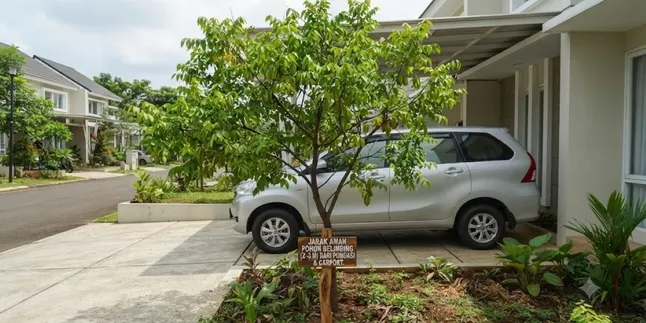
Choosing shallow-rooted plants that are safe for your home garden is a smart solution to this problem, allowing you to enjoy the beauty of nature without the risk of infrastructure damage. Plants with non-aggressive root systems will maintain the structural integrity of your property while creating an aesthetic and functional environment.
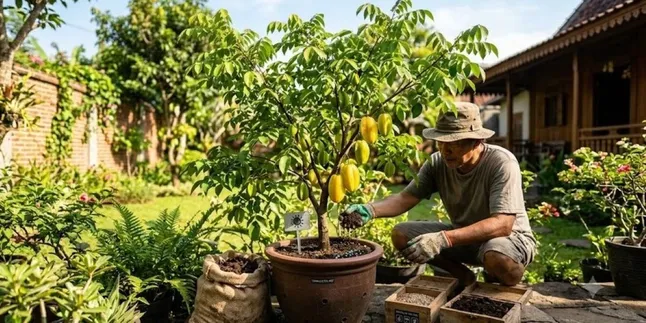
In addition to safeguarding the structure, shallow-rooted plants that are safe for home gardens also offer ease of maintenance and design flexibility. These types of plants are generally easier to relocate, do not require deep soil excavation, and are suitable for various types of containers or limited planting areas.
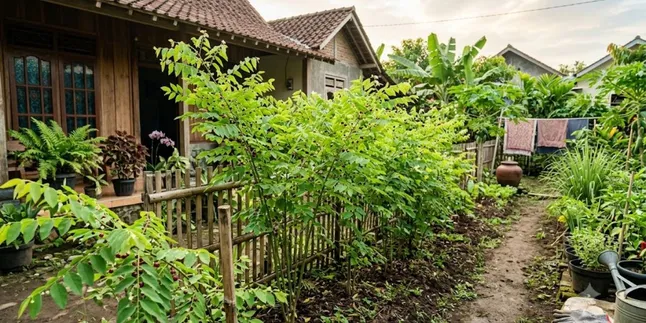
By selecting the right plants, you can create a beautiful, functional, and sustainable garden that not only enhances the appearance of your home but also provides peace of mind as you won’t have to worry about root issues in the future.
1. Portulaca (Krokot)
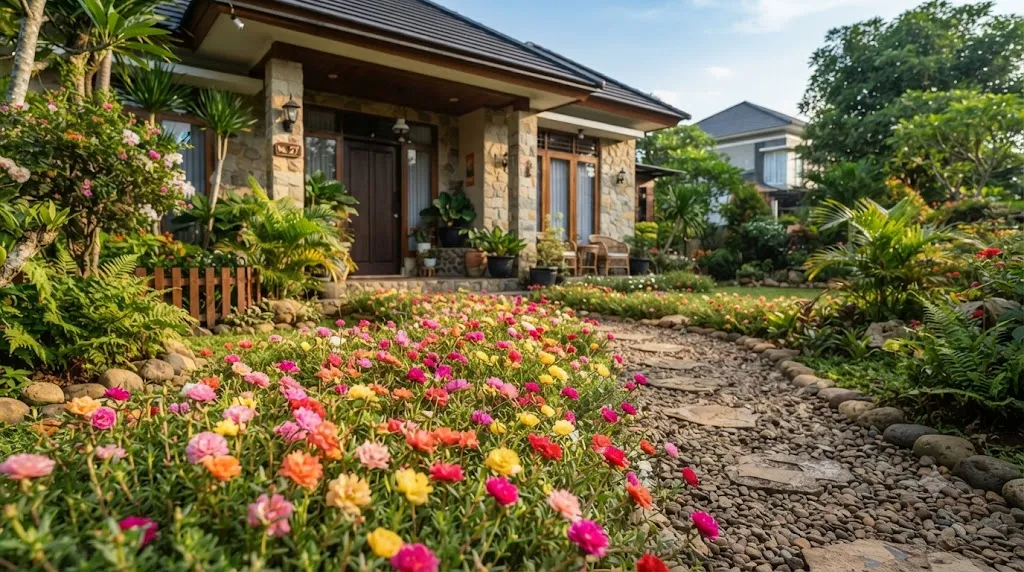
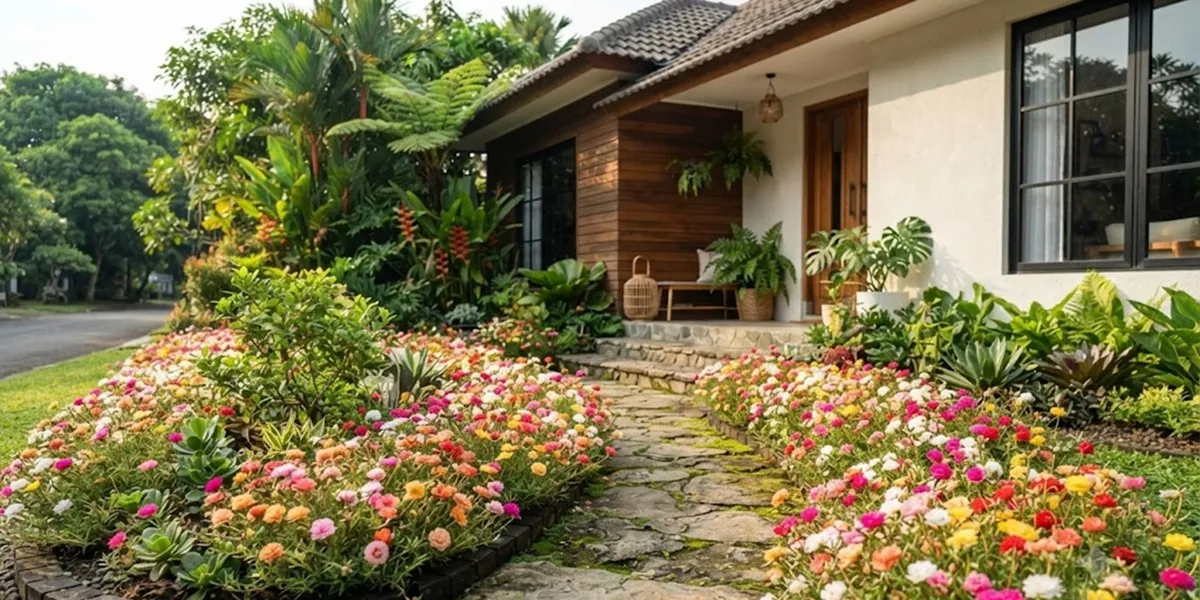
Shallow-Rooted Plants (AI Generated)
Portulaca, or commonly known as krokot, is an impressive ornamental plant with bright flowers and thick succulent leaves. This plant is known for its ability to thrive in full sunlight and its tolerance to less fertile soil conditions. Its fleshy leaves help the plant store water, making it an excellent choice for dry climates or for those seeking low-maintenance plants.
Krokot is one of the shallow-rooted plants that is safe for home gardens due to its fibrous and non-invasive root system. Its fine roots spread horizontally in the topsoil, not penetrating too deep or spreading aggressively that could damage foundations or paving. This makes it an ideal choice to plant near building structures, in between paving gaps, or as ground cover in sensitive areas.
For planting portulaca, choose a location that receives full sunlight for at least six hours a day. This plant prefers well-draining soil, even slightly sandy or rocky soil. Watering can be done regularly while the plants are still young, but once established, portulaca is quite drought-tolerant and only needs to be watered when the soil feels dry.
2. Vinca (Periwinkle)
Vinca, also known as periwinkle, is a popular ornamental plant known for its resilience and ability to bloom year-round in tropical climates. This plant features glossy dark green leaves and trumpet-shaped flowers in various colors such as white, pink, purple, and red. Vinca can grow as an upright or trailing plant, making it versatile for various landscaping needs.
As a shallow-rooted plant that is safe for home gardens, vinca has a relatively shallow and non-aggressive root system. Its roots tend to spread horizontally in the topsoil, forming a dense network that does not damage. This makes it very suitable for planting in areas close to foundations, sidewalks, or in pots and containers.
Vinca grows best in locations that receive full to partial sunlight. Although tolerant of various soil types, it prefers well-drained soil. Watering should be done regularly, especially when the plant is young, but avoid overwatering, which can lead to root rot.
3. Petunia
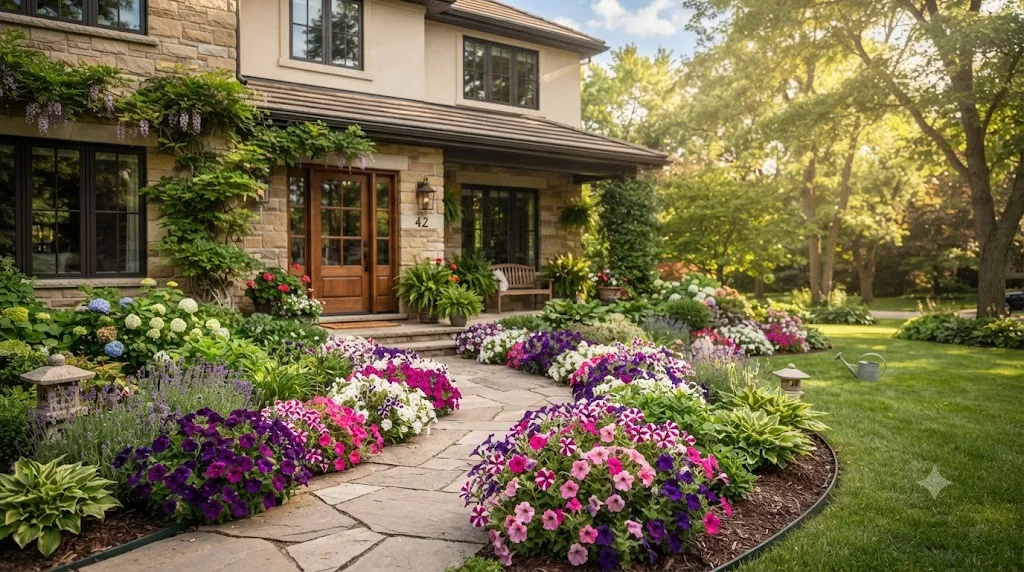
Shallow-Rooted Plants (AI Generated)
Petunia is one of the most popular flowering ornamental plants, known for its soft petals and a variety of stunning bright colors. Petunia flowers can be found in various shapes and sizes, from single to double varieties, with solid colors, stripes, or contrasting edges. This plant thrives in full sunlight and produces abundant flowers from spring to fall.
The shallow and fibrous root system of petunias makes them an excellent choice as a shallow-rooted plant that is safe for home gardens. The roots do not penetrate deeply into the soil or spread aggressively, thus posing no threat to the foundation of the house, paving, or underground drainage.
For optimal petunia growth, plant in a location that receives full sunlight for at least six hours a day. Petunias require well-draining, nutrient-rich soil. Watering should be done regularly, especially during dry periods, but avoid waterlogging.
4. Impatiens (Water Flower)
Impatiens, often referred to as water flowers or touch-me-nots, are very popular ornamental plants for shady areas in gardens. This plant is known for its abundant and colorful flowers, which can be found in shades of pink, red, orange, purple, and white. Its bright green leaves provide a beautiful contrast to the cheerful blooms.
As a shallow-rooted plant that is safe for home yards, impatiens have a compact and non-invasive root system. The roots tend to stay in the upper soil layer, not spreading widely or penetrating deeply, thus not threatening the integrity of foundations, paving, or drainage systems.
Impatiens require a location that is partially to fully shaded, especially in areas with scorching summers, to protect their leaves from sunburn. This plant loves moist but well-drained soil. Watering should be done regularly and consistently, as impatiens are very sensitive to drought.
5. Begonia
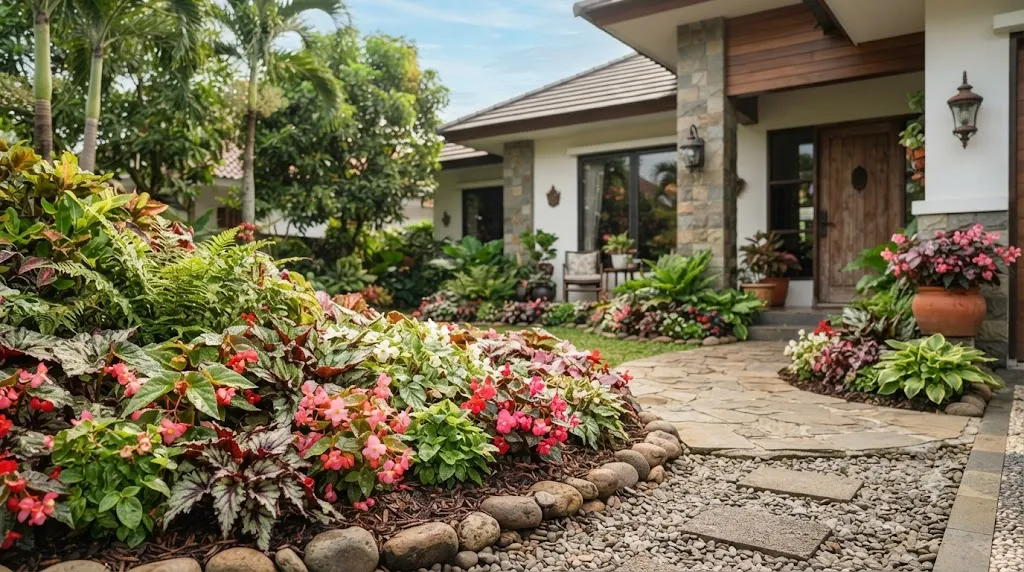
Shallow-Rooted Plants (AI Generated)
Begonia is a highly diverse genus of plants, offering a variety of shapes, sizes, and colors of leaves and flowers. Some varieties are grown for their spectacular flowers, while others are valued for their diverse and attractive foliage. This plant generally thrives in partial to full shade, making it a popular choice to brighten areas that receive little direct sunlight.
With a shallow and fibrous root system, begonias fall into the category of shallow-rooted plants that are safe for home gardens. Their roots will not penetrate deeply into the soil or spread aggressively, thus posing no risk of damage to foundations, paving, or drainage systems.
Begonias generally require a location with partial to full shade, although some varieties of wax begonias can tolerate full sunlight in cooler climates. These plants prefer soil that is rich in organic matter, moist, and well-drained. Watering should be done regularly, keeping the soil moist but not soggy.
6. Lantana
Lantana is a tough and attractive flowering shrub, known for its clusters of colorful flowers that change color over time. Its small, clustered flowers can be found in color combinations such as yellow, orange, pink, and red, often with several different colors in one cluster. This plant is highly tolerant of heat and drought, making it an excellent choice for warm climates.
As a shallow-rooted plant that is safe for home gardens, lantana has a relatively shallow and non-invasive root system. Its roots tend to spread horizontally in the upper soil layers, forming a dense root mass that does not penetrate deeply. This makes it a safe choice to plant near foundations, along walkways, or as a border plant.
Lantana grows best in locations that receive full sunlight for at least six hours a day. This plant is very tolerant of various soil types, as long as they are well-drained. Once established, lantana is very drought-tolerant and only requires occasional watering.
7. Coleus
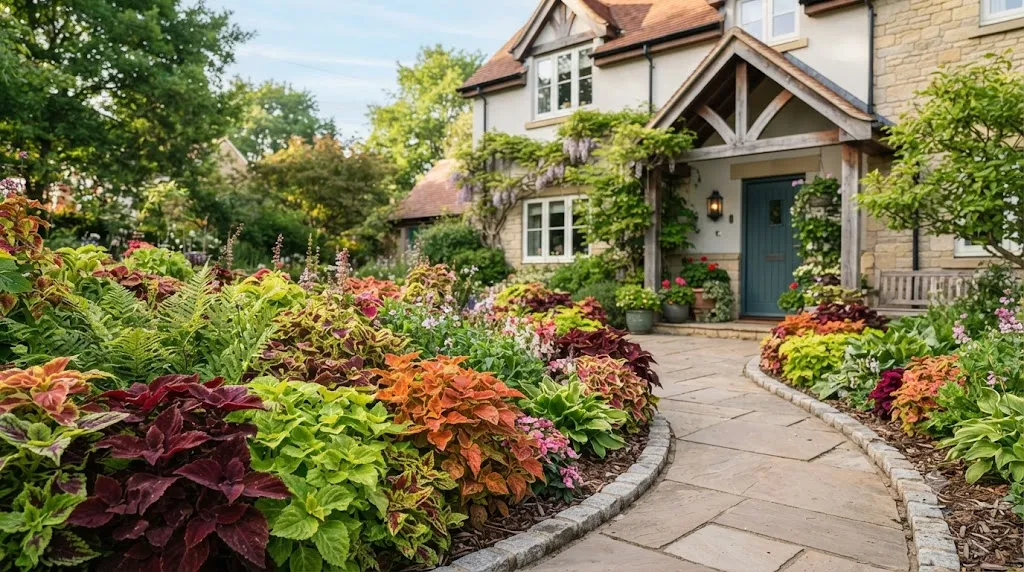
Shallow-Rooted Plants (AI Generated)
Coleus is an ornamental plant highly valued for its colorful and diverse leaves, not its flowers. Coleus leaves come in an extraordinary spectrum of colors, including green, yellow, red, pink, purple, and brown, often with complex patterns and color combinations. This plant can grow as an upright or creeping plant, and its size varies depending on the variety.
With a shallow and compact root system, coleus is one of the shallow-rooted plants that is safe for home gardens. Its roots do not penetrate deeply into the soil or spread aggressively, thus posing no risk of damage to foundations, paving, or drainage systems.
Coleus grows best in locations that are partially to fully shaded, although some new sun-tolerant varieties can withstand more light. This plant prefers soil that is rich in organic matter, moist, and well-drained. Watering should be done regularly, keeping the soil moist but not soggy.
8. Spider Plant (Chlorophytum comosum)
The spider plant, or spider plant, is a popular ornamental plant known for its long, arching leaves, which are often striped. This plant produces "spiderettes" or small offshoots that hang from long stems, resembling small spiders, and can be easily propagated. The spider plant is very easy to care for and tolerant of various conditions, making it an excellent choice for beginners.
As a shallow-rooted plant that is safe for home gardens, the spider plant has a fibrous and shallow root system. Its roots do not penetrate deeply into the soil or spread aggressively, thus posing no risk of damage to foundations, paving, or drainage systems.
The spider plant grows best in locations with bright indirect light, although it can tolerate lower light conditions. Avoid direct, harsh sunlight, which can scorch its leaves. This plant enjoys well-draining soil that is slightly moist.
9. Mondo Grass (Ophiopogon japonicus)
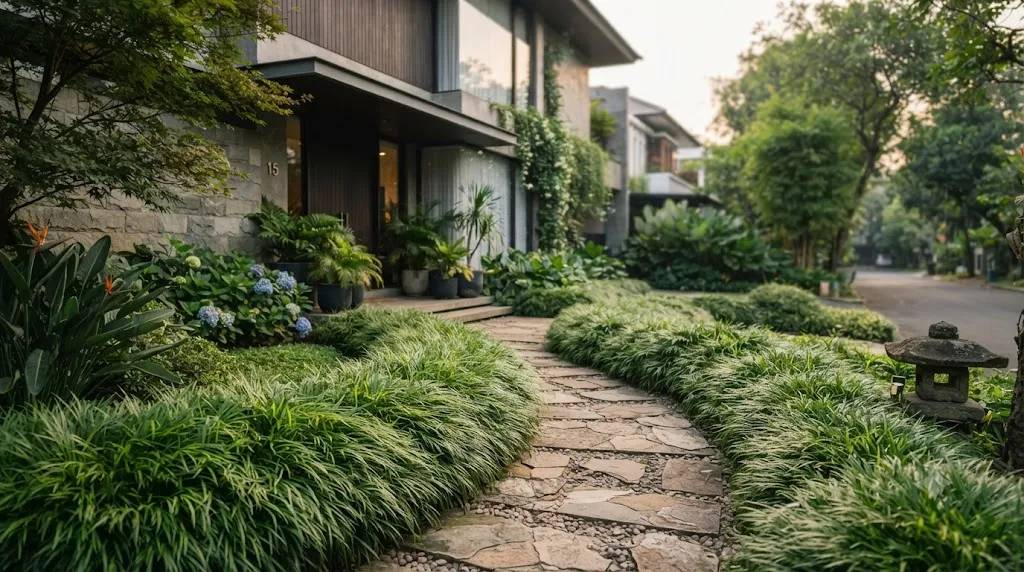
Shallow-Rooted Plants (AI Generated)
Mondo grass, or mondo grass, is a popular ground cover plant known for its slender, grass-like leaves and low growth. This plant forms dense clumps that provide a smooth texture to the landscape. Mondo grass is available in dark green and black varieties, the latter being very popular for creating dramatic contrast.
As a shallow-rooted plant that is safe for home yards, mondo grass has a fibrous and shallow root system. Its roots form a dense network in the upper soil layer but do not penetrate deeply or spread aggressively, which could damage structures.
Mondo grass grows best in locations with partial to full shade. Although it can tolerate full sunlight in cooler climates, its leaves may scorch under intense sunlight. This plant prefers organic-rich, moist, and well-draining soil.
10. Liriope (Lilyturf)
Liriope, or lilyturf, is a tough and versatile ground cover plant, known for its grass-like leaves and small spike-shaped flowers that appear in the summer. Its dark green or striped leaves provide an attractive texture to the landscape. This plant is highly tolerant of various conditions, including shade, drought, and different types of soil.
As a shallow-rooted plant that is safe for home gardens, liriope has a fibrous and shallow root system. Its roots form a dense network in the topsoil but do not penetrate deeply or spread aggressively that could damage structures.
Liriope grows best in locations with partial to full shade, although some varieties can tolerate full sunlight in cooler climates. This plant is very tolerant of various soil types, as long as they are well-drained.
11. Questions and Answers About Safe Shallow-Rooted Plants
Why is it important to choose shallow-rooted plants for the home yard?
It is important to prevent damage to the house's foundation, paving, and drainage caused by plant roots growing too deep or spreading widely.
Are shallow-rooted plants difficult to care for?
No, most shallow-rooted plants suitable for home yards are generally easy to care for and tolerant of various conditions.
Can shallow-rooted plants be planted near the foundation of the house?
Yes, shallow-rooted plants are designed to have a non-invasive root system, making it safe to plant them near the foundation without the risk of damage.
What are some examples of popular shallow-rooted ornamental plants?
Some popular examples include Portulaca, Petunia, Impatiens, Begonia, and Vinca, which offer bright flowers and easy maintenance.
How can I ensure that the plants I choose are truly shallow-rooted?
Always check the plant description or consult with a horticulturist to understand the characteristics of its root system before planting near important structures.
(kpl/ank)
Disclaimer: This translation from Bahasa Indonesia to English has been generated by Artificial Intelligence.


 Follow
 Rekomendasi