

 Follow
 Rekomendasi
9 Self Reward Ideas That Won't Break the Bank, Still Indulge Yourself Without Draining Your Wallet
Self reward ideas that won't break the bank to indulge yourself without spending a lot of money.
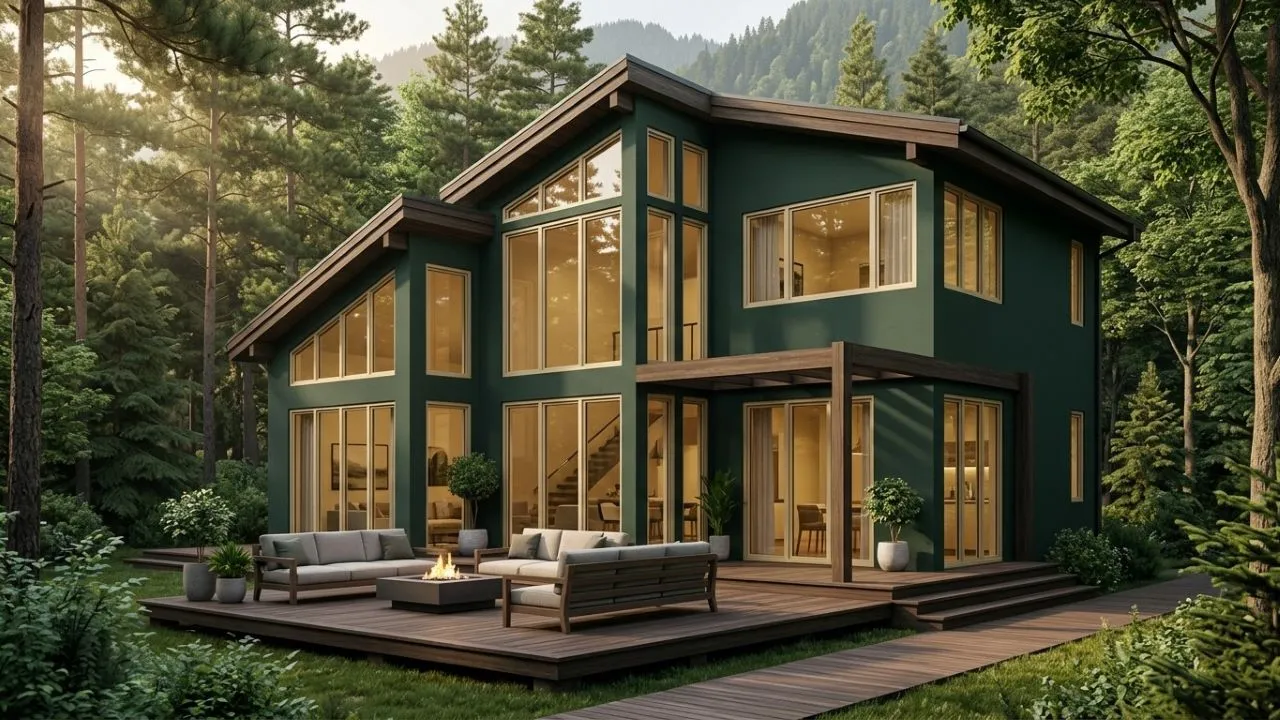
Kapanlagi.com - A house surrounded by many trees indeed offers a cool, shady atmosphere and feels close to nature. However, the presence of dense trees can sometimes make the facade of the house look darker, especially when the sunlight entering the yard is limited. This condition makes the choice of paint color one of the important factors to keep the house looking bright and attractive.
The paint colors for a house surrounded by many trees should not only be chosen based on trends but also consider the lighting conditions and the green colors present in the surroundings. Certain colors can make the facade look brighter and more spacious, while colors that are too dark can potentially make the house blend more with the shadows of the trees. On the other hand, colors that are too flashy may not necessarily fit as they can reduce the natural impression already formed by the green environment around the house.
So what are the paint colors for houses surrounded by many trees? Quoting from various sources, Thursday (3/9/2026), check out the following information review.
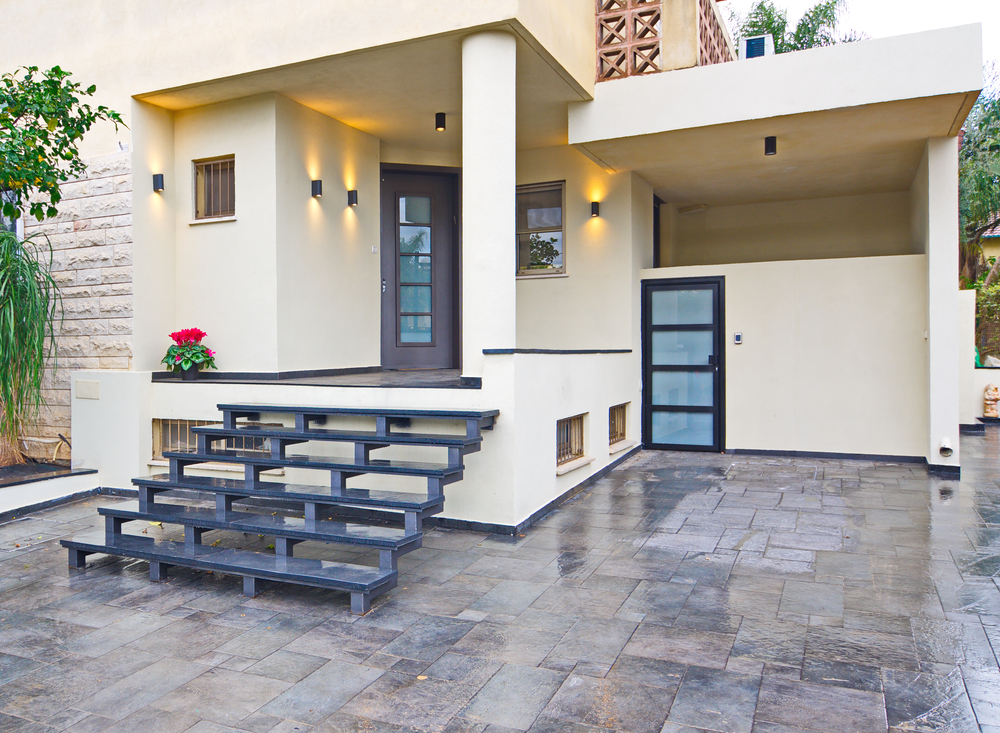
Warm beige is one of the safe paint color choices for homes surrounded by many trees. This color has a neutral character with a slight cream undertone, allowing it to create a warm impression without being too flashy. When situated among green trees, beige can create a soft enough contrast so that the facade of the house remains clear, but does not clash with the natural colors of the foliage and yard.
Another advantage is that beige is relatively easy to combine with various exterior elements. This color can be paired with white frames, wooden doors, natural stone, or brown accents to create a natural look. In homes located in shaded areas, beige with warm undertones can also help provide a cozier impression compared to very cool white. The choice of a matte or eggshell finish can be adjusted to the facade material and the desired level of maintenance.
To avoid a monotonous appearance, beige can be combined with slightly darker colors on doors, fences, or architectural details. If the trees around the house are very dense, it is advisable to choose a light enough beige so that the facade does not lose its visual appeal when in shadow. With a combination of green plants, wooden elements, and the right exterior lighting, beige can make a home feel cool while also having an elegant appearance.
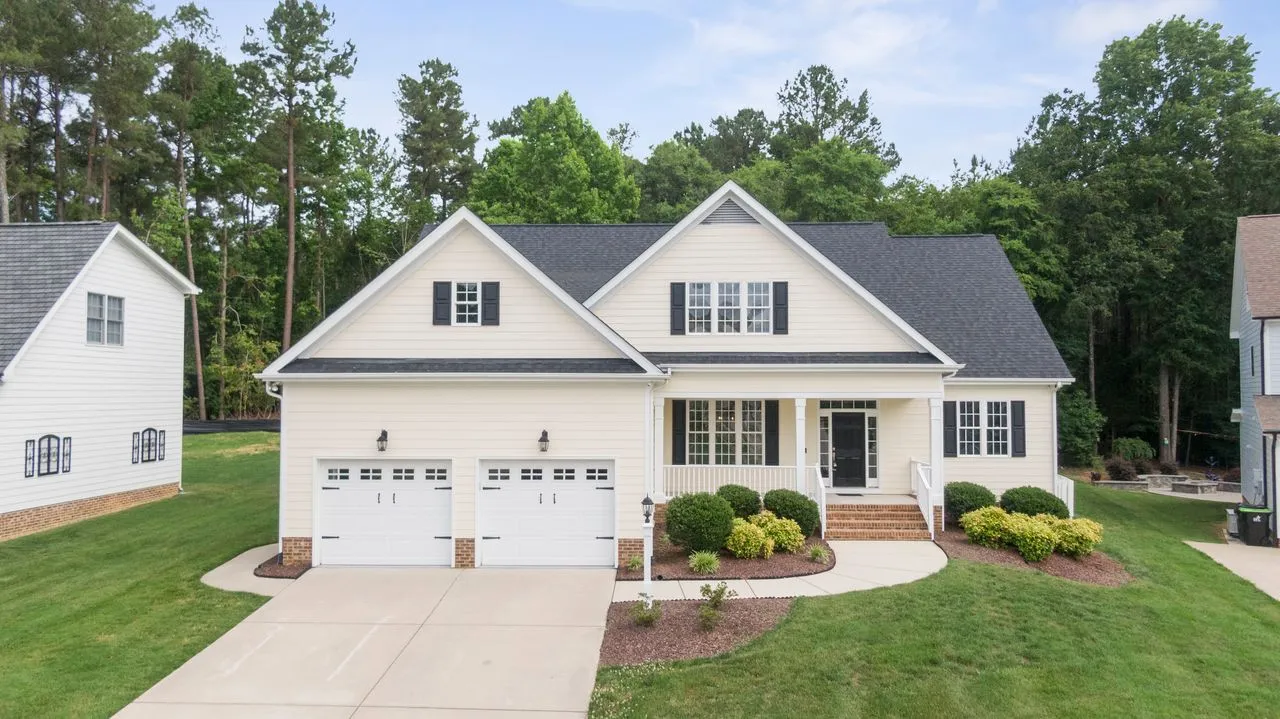
House Color Ivory White Photo by Curtis Adams on Pexels
Ivory white can be an alternative for homeowners who want to achieve a bright facade without appearing too rigid. Unlike pure white, which looks very bright, ivory white has a slight warm tone that makes it easier to blend in with a tree-filled environment. This color can also help make the exterior of the house look brighter when the yard area receives limited sunlight due to the tree canopy.
A house surrounded by green plants usually already has many visual elements from nature. Therefore, ivory white can serve as a simple backdrop so that the trees become the prominent feature. Green leaves will appear more contrasting against the ivory-colored walls, while the facade still feels soft. This color is also suitable for various house styles, ranging from minimalist, classic, tropical, to modern natural style.
Although it gives a clean and bright impression, ivory white requires attention to cleanliness because dust, soil splashes, moss, or stains from moisture can be more easily visible. This is especially important if the house is located under trees that frequently shed leaves or branches. Use appropriate exterior paint materials for outdoor conditions and perform regular cleaning to keep the color looking fresh.
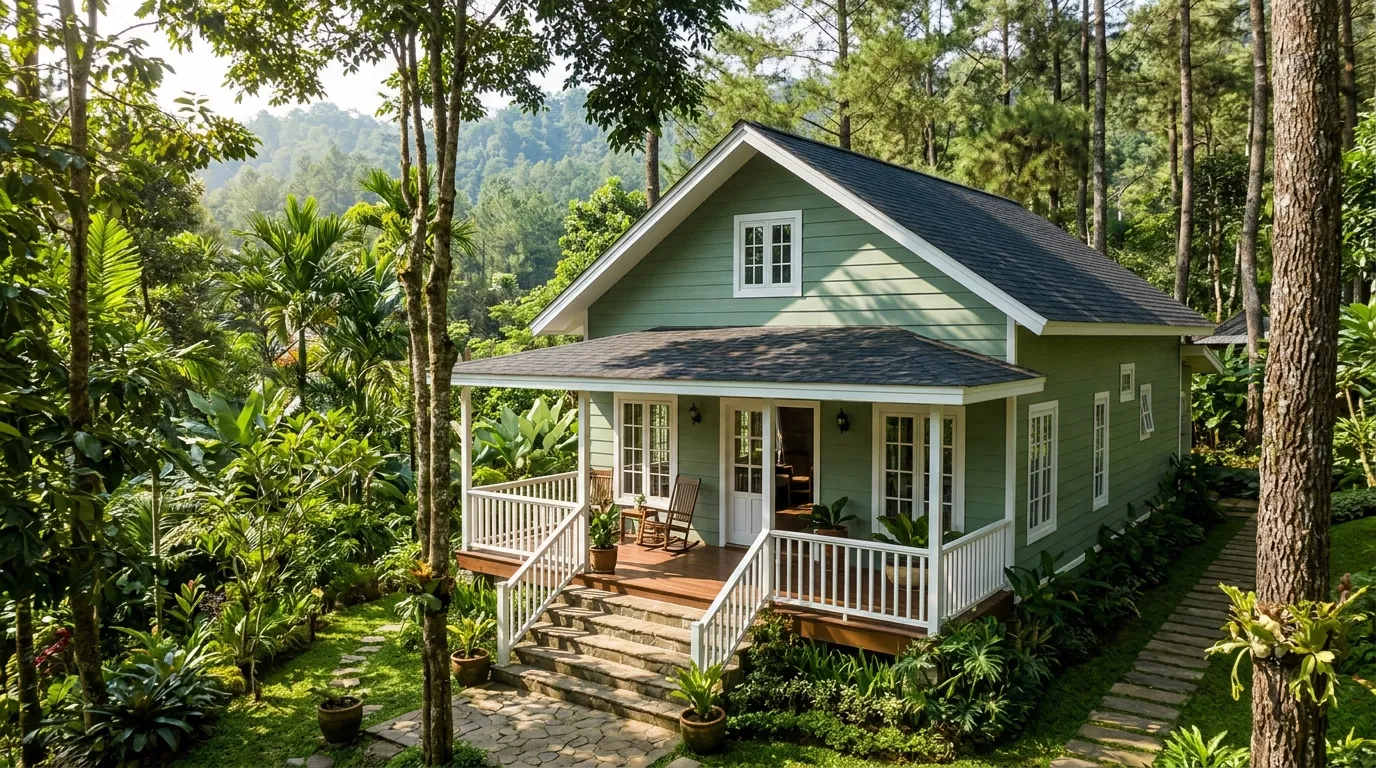
Sage green is a soft green color with a slight grayish tone that is currently widely used in natural-themed residential concepts. This color is appealing for homes surrounded by many trees because it visually relates to the color of the foliage without having to use a bright green. As a result, the facade appears more integrated with the environment while still having a color that distinguishes it from the surrounding trees.
The use of sage green can create a calm and natural atmosphere. This color pairs well with wooden elements, natural stone, cream, warm white, or brown. In homes with gardens full of plants, this combination can make the overall exterior feel like part of the garden. Sage green can also be applied to entire walls or just as an accent in certain areas such as the porch, doors, or facade surfaces.
However, the selection of the brightness level of sage green should be considered if the house is located in a very shady area. A too-dark sage can make the facade appear even dimmer when covered by the shadows of trees. For such conditions, choose sage with a lighter tone or combine it with ivory white frames and details. This way, the green color still gives a natural impression without making the house look completely integrated with the shadows of the trees.
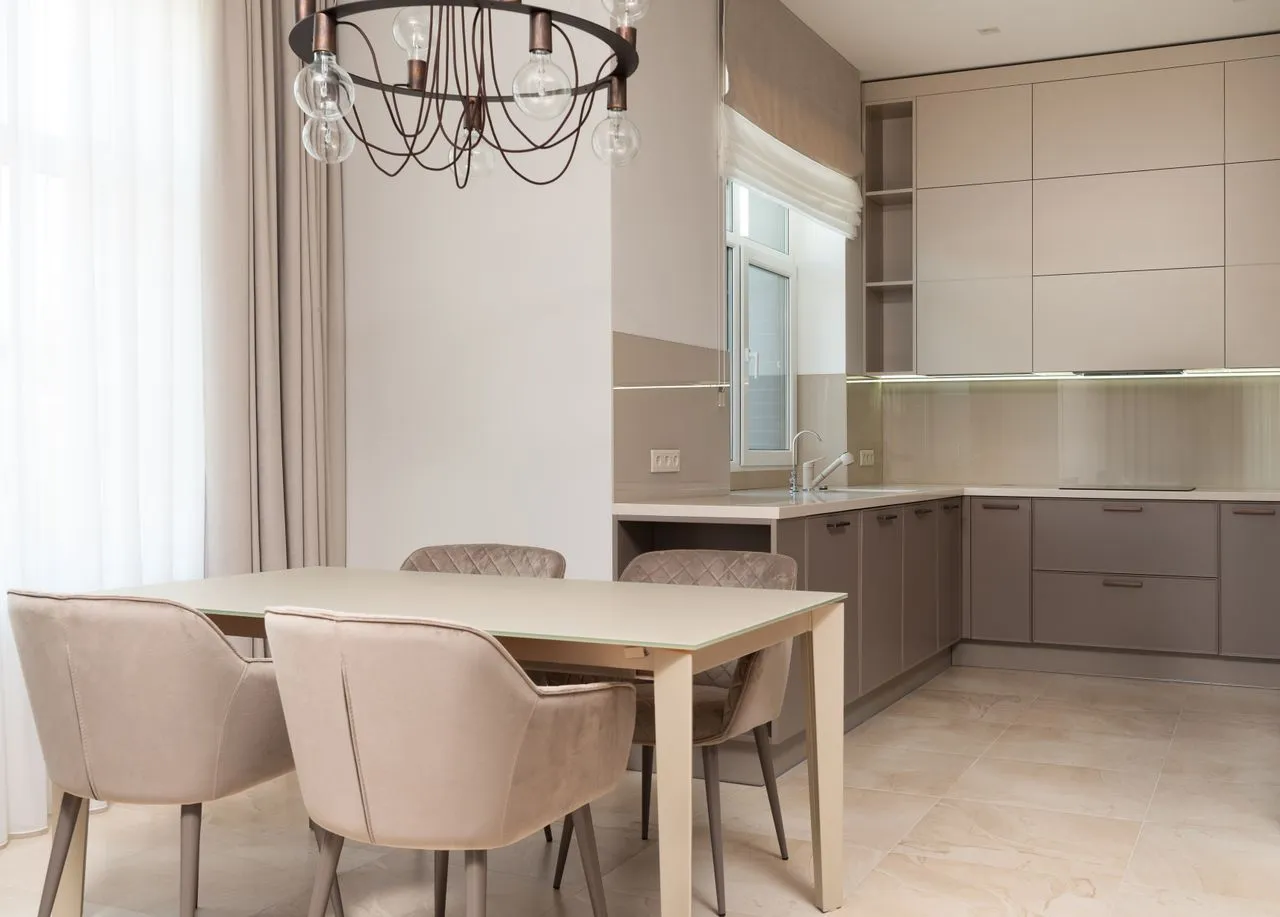
Greige house color. Photo by Max Vakhtbovych on pexels
Greige is a combination of gray and beige that produces a neutral color with a modern yet warm impression. This color is suitable for homes surrounded by many trees because it is not as bright as white, but also not as dark as some deep gray colors. Greige can give an elegant impression to the facade while still maintaining a harmonious relationship with the green environment around the house.
One of the advantages of greige is its flexibility in being combined with various materials. A greige facade can look attractive when combined with natural wood, stone, black frames, or white details. If the house has many plants in front, this neutral color can serve as a backdrop that makes the green elements appear more vibrant. Because of its not too striking character, greige is also suitable for homeowners who prefer a minimalist and modern style.
Choosing the undertone is an important part when using greige. A color that is too gray can appear cold in areas with minimal light, while greige with warmer beige tones tends to give a more comfortable impression. Before painting the entire facade, it is advisable to apply a sample to a small area and observe the color changes in the morning, afternoon, and evening. This method helps ensure that the color remains appropriate for the actual lighting conditions.
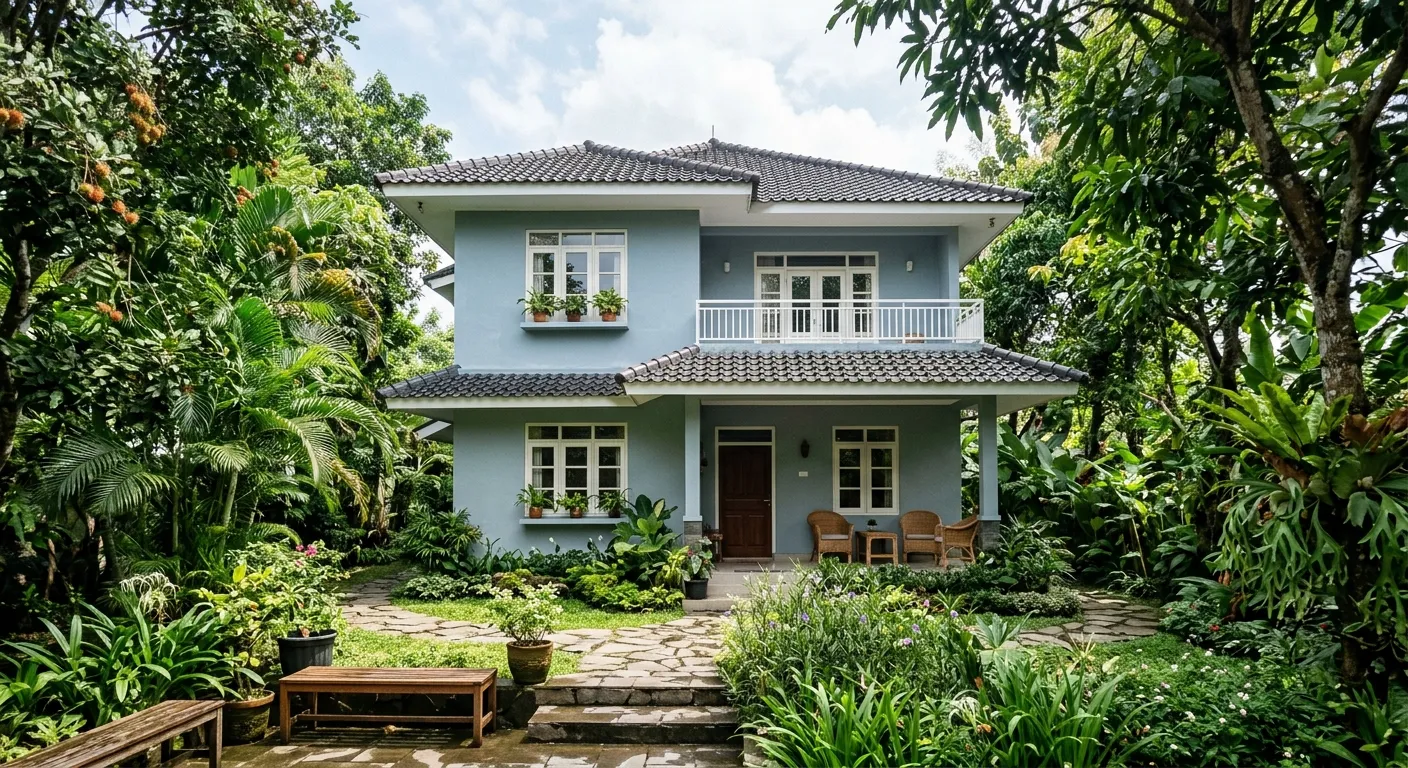
Light blue-gray or soft blue-gray can create a cool impression on a house surrounded by trees. This color has a blue hue that is not too strong because it is combined with gray characteristics. The result is a color that feels calm and modern without appearing too flashy. When paired with green trees, blue-gray can create a soft contrast that makes the facade look fresher.
This color is very appealing for homes located in green environments because it provides a cool impression without having to use green on all the walls. Soft blue-gray can be combined with ivory white on the frames, wood colors on the doors, or darker gray in certain areas. This combination can produce an exterior that looks modern but still feels close to nature.
However, blue has a character that can change depending on lighting and undertone. In very shaded areas, certain blue-grays can appear darker or feel cooler. Therefore, choose a tone that is light enough if the facade receives only a little sunlight. Testing paint samples on the wall before purchasing in large quantities is a useful step to ensure the final result is not far from what is expected.
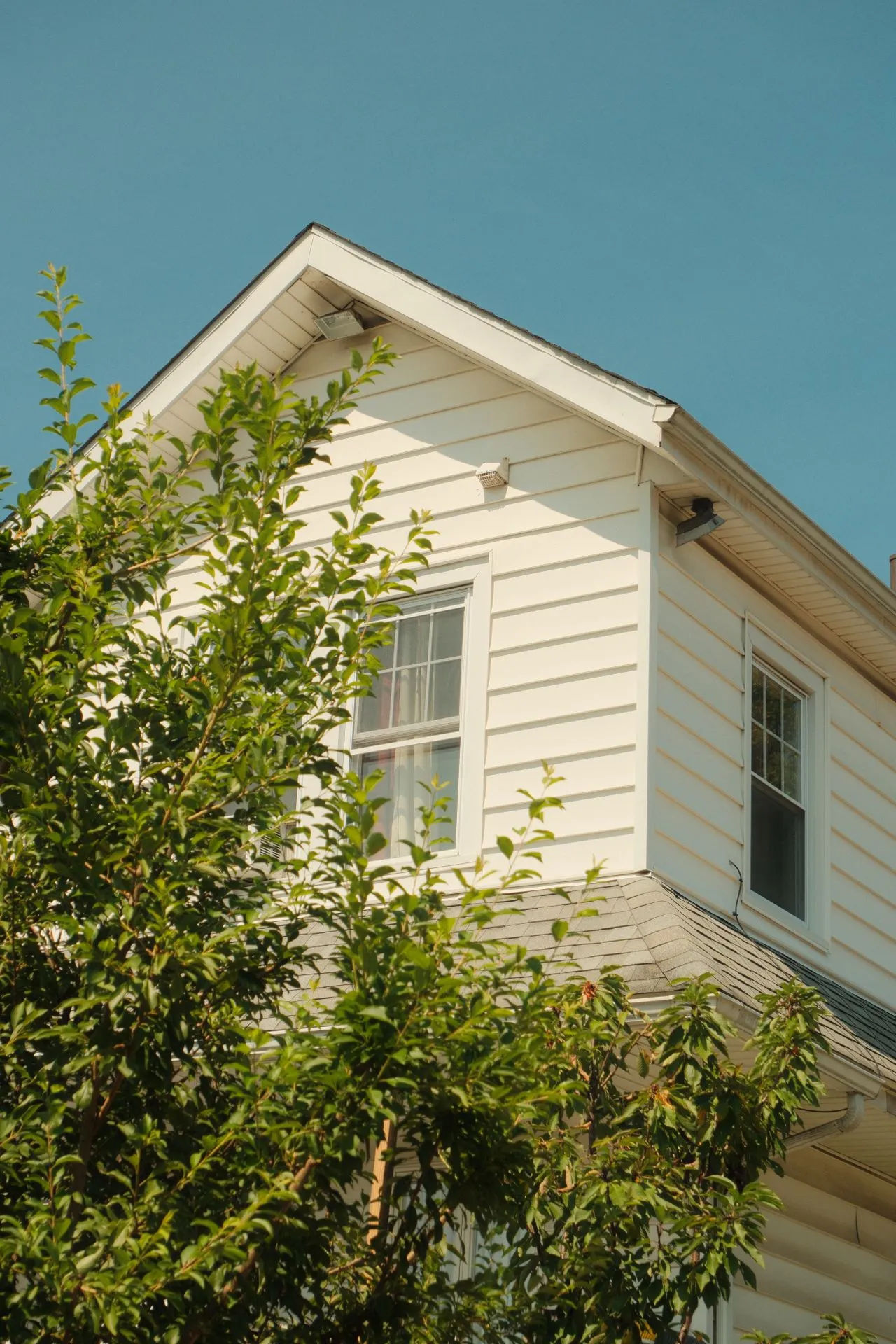
light cream house. Photo by unsure on pexels
Light cream is another suitable choice for homeowners who desire a warm and not overly striking appearance. Compared to pure white, cream has a yellowish or beige tone that makes the facade feel softer. When the house is surrounded by trees, this color can provide a balance between the green elements of the yard and the color of the building, making the overall appearance feel more natural.
Cream is also easy to combine with various exterior materials. Wooden doors and windows can stand out even more when placed against cream walls. Similarly, natural stone in brown or gray can be used as accents on the porch or the lower part of the facade. For tropical-style homes, light cream can be combined with broadleaf plants to create an impression of a residence that blends with the garden.
To prevent the house from looking too pale, use different colors on several exterior parts. For example, the main walls can be painted light cream, while the doors, fences, or some architectural details can use wood brown or gray. If the trees make the front area of the house quite dark, choose cream with an adequate brightness level. Adding wall lights or warm white garden lights can also help maintain a cozy impression at night.
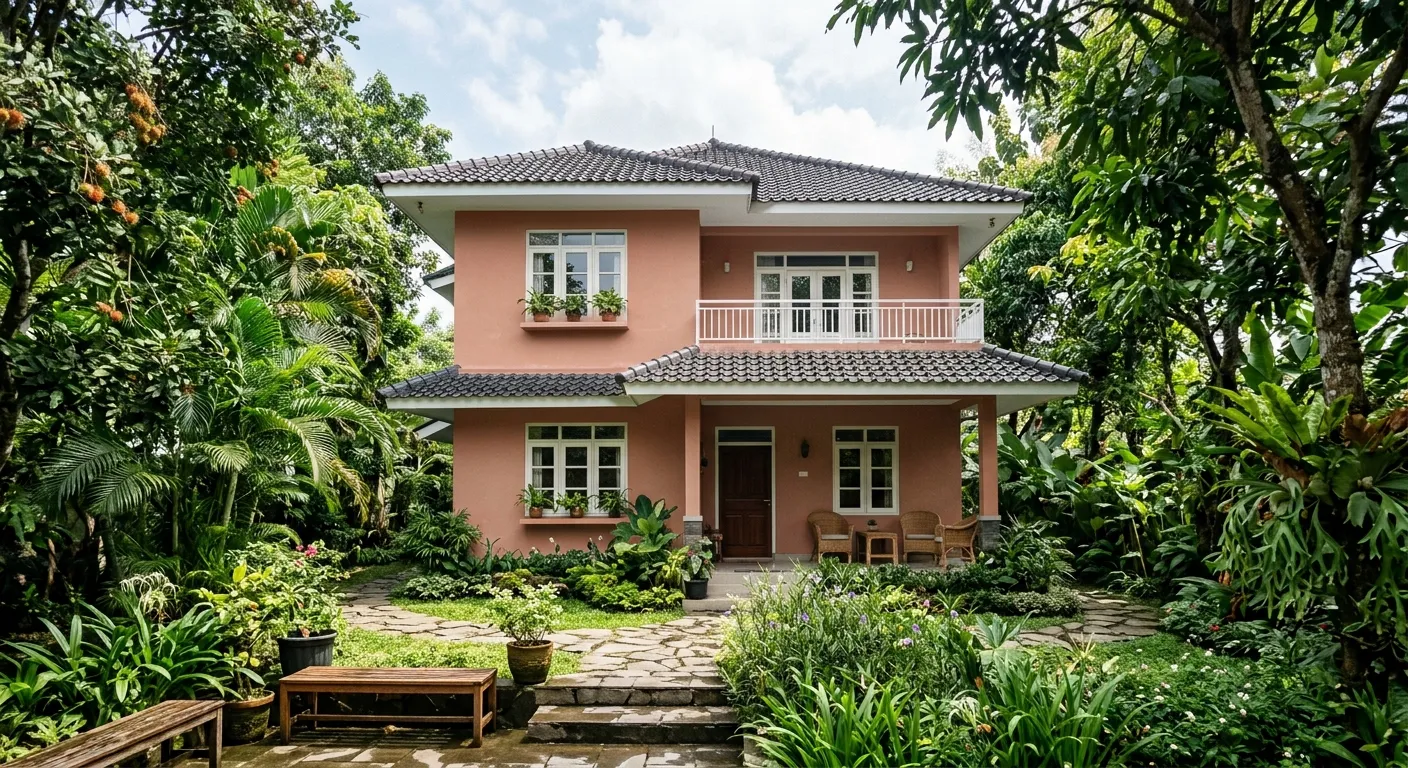
Soft terracotta can be a choice for homeowners who want to use a more characterful color while still maintaining a natural impression. This color is inspired by the hues of clay and has a blend of red, brown, and orange that is not too bright. Among the green trees, terracotta can create an interesting contrast, making the house facade more visible without having to use very bright colors.
The terracotta color pairs well with natural elements such as wood, stone, rattan, and green plants. This combination can produce a warm exterior look with a tropical or earthy feel. In homes with many trees, this color can also provide balance as it draws inspiration from the colors of the earth and natural materials that are usually already present around the residence.
Because the character of terracotta is quite strong, its use needs to be adjusted to the size of the facade and the density of the trees. For relatively small houses, terracotta can be used as an accent on one wall, door, or terrace area to avoid feeling too dominant. Meanwhile, houses with a wide facade can use terracotta as the main color with neutral colors as a balance. With the right composition, this color can make a house surrounded by many trees look warm, characterful, and still elegant.
Colors like warm beige, ivory white, sage green, greige, light gray-blue, light cream, and soft terracotta are suitable for a house surrounded by many trees. These choices can help the facade appear brighter while still blending in with the natural surroundings.
Dark colors can still be used, but it is better to make them accent colors rather than the main color of the entire facade. The trees that create shade around the house can make dark colors appear even more subdued, especially in areas of the house that receive minimal sunlight.
Ivory white or off-white is usually easier to apply compared to very bright white. This color can make the facade feel brighter without appearing too contrasting with the green of the surrounding trees.
Sage green can be an interesting choice because it has a soft green hue that is not too striking. The color can create a natural impression, making the house feel more integrated with the garden and the surrounding trees.
Beige gives a warm and soft impression, while greige is a blend of gray and beige that tends to look more modern. For a house located in a very shaded area, both can be considered based on the intensity of light and the colors of other elements on the facade.
(kpl/iya)
Cobain For You Page (FYP) Yang kamu suka ada di sini,
lihat isinya
Self reward ideas that won't break the bank to indulge yourself without spending a lot of money.

The causes of avocado trees flowering but the fruits falling off can stem from water, nutrients, weather, and pests.

Learn the list of foods that should not be stored in the fridge door along with the reasons according to food safety experts. Protect your family's health and prevent food from spoiling quickly.
Discover a selection of heat-resistant plants for canopy-free yards that remain lush and bloom beautifully under extreme sunlight.

The spicy shrimp paste chicken with kaffir lime leaves recipe combines the savory taste of chicken, the spiciness of chili, and the fresh aroma of kaffir lime leaves.
Cacti that do not look like typical cacti have unique and unusual appearances.

Check out 8 items that should not be placed near the refrigerator to keep the cooling performance optimal and avoid the risk of damage from the start.
Small flowering ornamental plants that are easy to care for and make the terrace more beautiful can be a choice to bring a fresh atmosphere without needing much space.

Learn how to easily clean the headset jack using simple tools to keep the audio clear and durable.
Ornamental plants that are easy to propagate for sale can be a choice for beginners who want to start a plant business from home.
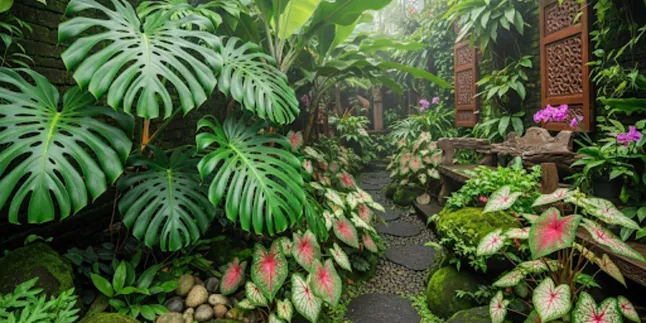
Want your home to look luxurious without the hassle? Discover a range of decorative plants with an exclusive appearance that are surprisingly easy to care for, perfect for beginners and a modern lifestyle.
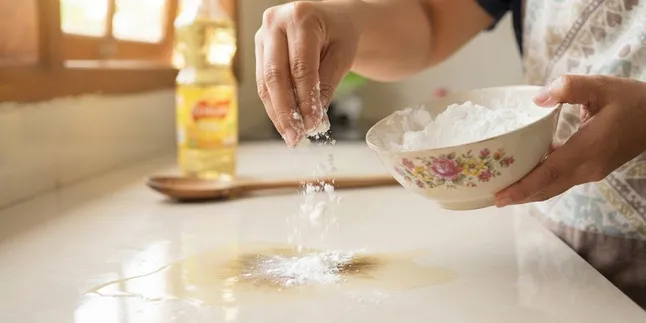
Clean stubborn oil stains at home easily using cornstarch! Check out these 7 practical and effective methods.
