Kapanlagi.com - Knowing how to read the numbers on an electric meter is a simple step that can help monitor energy consumption at home. Whether using an analog meter, postpaid digital meter, or token-based prepaid meter, each type has a different display but still uses kilowatt-hour (kWh) as a reference.
The numbers that appear on the meter serve to indicate the total energy that has been used or the remaining energy that is still available, depending on the type of meter. By understanding how to read it, you can also estimate electricity usage before the bill arrives or before the token balance runs out.
According to the Department of Energy, electric meters work like clocks driven by the flow of electricity to the home. Meanwhile, one kilowatt-hour is equivalent to using power of 1,000 watts for one hour. The value recorded on the meter is the basis for calculating electricity costs by the service provider for each billing period.
1. Understanding How to Read Analog Electric Meters
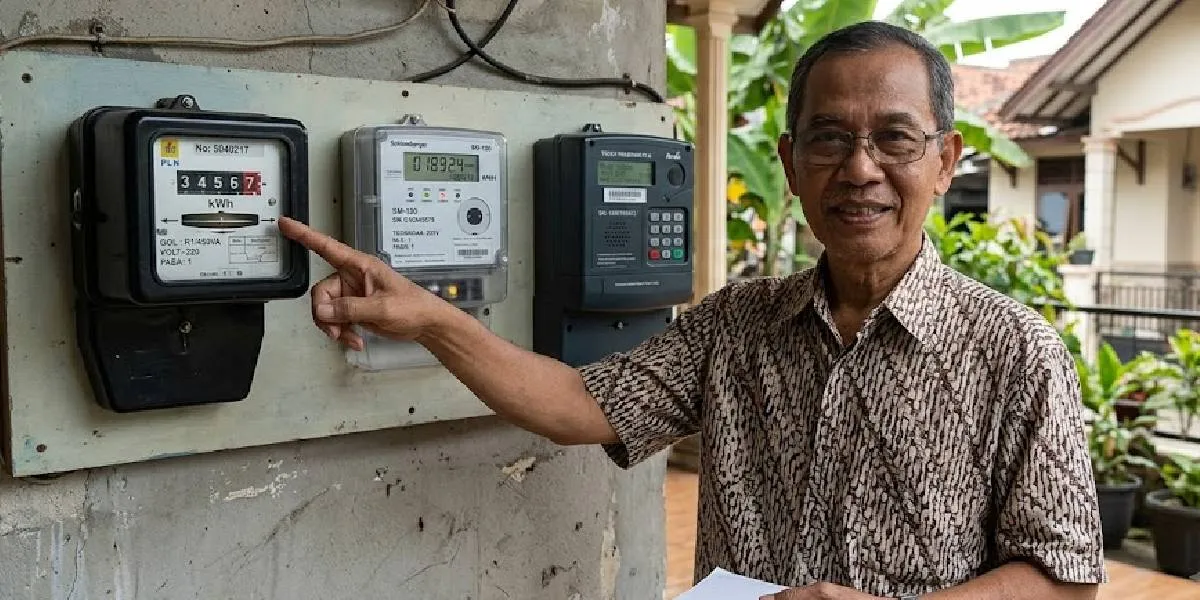
Analog meters or old postpaid meters use four to five circular dials resembling a clock. Each dial shows the electricity consumption in kWh, so the readings are slightly different from digital meters.
To obtain a more accurate reading, stand directly in front of the meter so that the needle's position is clearly visible. If the lighting condition is poor or the weather is unfavorable, taking a picture of the meter first can help with the recording process.
Also, pay attention to the direction of each dial's rotation as their positions alternate. Some dials move clockwise, while the adjacent dial rotates counterclockwise. The arrows on each dial serve as a guide for the reading direction.
The reading is done from the leftmost dial to the rightmost. The sequence indicates the values of tens of thousands, thousands, hundreds, tens, and units, so the numbers must be recorded according to that position.
If the needle is between two numbers, use the smaller number as the reading result. A new number is counted only when the needle has completely passed it.
There are other conditions that also need to be considered. If the needle appears to stop exactly at a number, look at the dial to its right. If that dial has not passed the zero mark, then the number on the dial being read needs to be reduced by one.
It is important to remember that the numbers on the analog meter are cumulative and do not return to zero after the bill is paid. To find out the amount of electricity used during one period, subtract the latest reading from the number in the previous period. The difference will indicate the total electricity consumption in kWh.
In addition to helping estimate the monthly bill, this method can also be used when wanting to check the condition of the meter independently before official recording is done.
2. How to Read Postpaid Digital Electric Meters
Compared to analog meters, postpaid digital electric meters are easier to read because all information is displayed directly on an LCD or LED screen. Users simply need to note the total electricity consumption number that appears without needing to pay attention to the needle's position.
Generally, the screen displays five to eight digits that show the total electricity usage since the meter was installed or since the last reset. Read the numbers from left to right just like reading a digital clock.
Some meters do not display numbers immediately when the screen is off. In such cases, simply press the available button to reactivate the screen, then wait for the electricity consumption information to appear.
When taking readings, focus on the whole numbers. The digits after the decimal point or numbers displayed in red have very small values and should not be the main reference in the electricity billing process.
It should also be noted that some modern digital meters display several pieces of information alternately. Therefore, wait until the screen shows the label "kWh" or "Total" before recording the number.
PG&E explains that some digital meters will first display the number "888888" as part of the screen testing process when the device is active. This display is a normal process and not a sign that the meter is malfunctioning.
After obtaining the latest number, compare it with the previous reading listed on the bill or electricity receipt. The difference between the two numbers indicates the amount of electricity used during the current period. The latest reading value should be the same as or greater than the previous reading.
3. Recognizing Numbers on Prepaid Electric Meters (Token)
Unlike postpaid systems, prepaid electricity meters do not display the total electricity consumption. The number visible on the screen actually shows the remaining electricity balance in kWh that can still be used.
This type of meter is easily recognizable because it is equipped with a keypad for entering a 20-digit electricity token. The main screen usually directly shows the remaining kWh, for example, 50.5 kWh.
Under normal conditions, this number will immediately appear when the meter is active, so users only need to note the remaining balance to estimate when to purchase the next token.
If the balance information does not appear, press the navigation button or the button marked "i" until the screen displays the remaining kWh. The layout of the menu may vary on each brand of meter, but the reading principle remains the same.
Prepaid meters are also equipped with a warning system when the balance starts to run low. The device can emit a sound or turn on an indicator as a sign that the user needs to recharge immediately.
As a general guideline, new token recharges should ideally be prepared when the remaining balance approaches around 30 kWh to prevent an abrupt power supply interruption.
Each time a token is successfully entered, the kWh balance will increase according to the purchase amount. After the recharging process is complete, you can match the increased kWh amount with the information on the purchase receipt to ensure the value is correct.
By understanding the differences in display on analog, digital postpaid, and prepaid meters, the process of monitoring electricity consumption becomes easier while also helping to estimate energy usage at home.
4. Things to Consider When Reading and Calculating Electric Meters
After understanding how to read the meter based on its type, the next step is to ensure that the reading is done correctly. Accuracy is important so that the calculation of electricity consumption matches actual usage.
Before starting to record the numbers, make sure the location of the meter is known. Generally, the meter is installed on a wall near the entrance of the house. However, in some buildings, this device can also be found in the garage, electrical panel room, or service area.
Understanding how the meter works also helps avoid mistakes when estimating electricity bills or monitoring daily energy usage.
One thing to remember is the nature of the numbers on postpaid meters, both analog and digital, which are cumulative. Their value will continue to increase like a vehicle's odometer and will not automatically reset to zero. Therefore, the amount of electricity used is obtained from the difference between the latest reading and the previous reading, not from the total number displayed on the screen.
In electrical installations with high consumption, some meters use a multiplier factor (constant). According to the Los Angeles Department of Water and Power, the reading results must first be multiplied by that factor to obtain the actual amount of electricity consumption in kWh.
When reading a digital meter, just focus on the whole numbers. The digits after the decimal point as well as the numbers in red change more quickly and their values are too small to affect the electricity billing process.
Additionally, check whether the bill received is based on a direct meter reading or just an estimate. If the bill is still in estimated status, you can submit your own meter reading so that the charges reflect actual usage.
For those who want to know the electricity consumption of each household appliance, a plug-in power meter can be a helpful tool. According to Eastron's guidelines, this device can display power usage in watts or kWh directly, making it easier for users to identify which appliances consume the most electricity.
Recording the meter reading at the same time every day also helps monitor daily electricity usage patterns. If there is a spike in the numbers without a clear cause, this condition may indicate a current leak or an issue with the meter that needs to be checked immediately.
5. Estimating Bills from Meter Readings
After knowing the number of kWh used, the next step is to multiply that result by the electricity tariff according to the household power category.
Referring to the regulations from the Ministry of Energy and Mineral Resources, electricity tariffs are evaluated every three months. For R-1/TR 900 VA household customers, the applicable tariff is Rp1,352 per kWh, while customers with 1,300 VA to 2,200 VA are charged a tariff of Rp1,444.70 per kWh.
The Minister of Energy and Mineral Resources Bahlil Lahadalia also emphasized that, "the electricity tariff for the third quarter of 2026 remains or does not increase."
When moving into a new home, it is advisable to immediately record the meter reading before starting to use electricity. This simple step helps ensure that you only pay for the electricity consumed since you started living in that house, not the usage of previous occupants.
Regular monitoring of the meter also makes it easier for you to estimate your electricity costs each month. Once the usage figure is known, just multiply it by the tariff according to the power category to get an estimated bill.
In addition to calculating costs, the habit of checking the meter also helps detect unusual conditions. For example, if the meter reading continues to increase faster than usual or a notification such as "Check" appears on the meter. This condition should be confirmed immediately with PLN customer service for follow-up.
By reading the meter periodically, you can also more easily monitor the electricity consumption patterns in your home. This habit can be combined with various energy-saving measures so that electricity usage becomes more controlled while also helping to better plan monthly expenses.
6. Understanding the Meaning of Meter Numbers for More Controlled Electricity Usage
The meaning of the numbers displayed on the meter depends on the type of device used. On both analog and digital postpaid meters, the number indicates the total electricity consumption in kWh since the meter was installed, so its value will continue to increase with electricity usage.
Meanwhile, prepaid electricity meters have a different function. The number displayed on the screen shows the remaining kWh balance that is still available and can be used before the user needs to enter a new token.
To find out the electricity consumption over a period, record the meter reading at the beginning and end of the usage period. The difference between these two numbers is the amount of kWh that has been used. After that, the result can be multiplied by the electricity tariff according to the household power category to estimate the bill amount.
If the number on the postpaid meter continues to increase despite efforts to save electricity, this condition does not necessarily indicate a problem. The meter does record cumulative usage, so what needs to be compared is the difference in readings between periods, not the total number displayed on the screen.
In addition, several electronic devices still consume power even when in standby mode. Therefore, unplugging devices from the outlet when not in use can help reduce unnoticed electricity consumption.
Getting into the habit of checking the meter regularly also makes it easier to recognize changes in electricity usage patterns. If there is an unusual spike in consumption or the meter displays an indicator such as "Check", this condition can be reported immediately to PLN customer service for further inspection.
By understanding how to read analog, digital, and prepaid meters, you can not only monitor energy usage more easily but also estimate electricity costs, keep track of remaining token balance, and detect potential disturbances earlier. This simple habit helps manage electricity usage at home to become more planned over time.
(kpl/mda)
Disclaimer: This translation from Bahasa Indonesia to English has been generated by Artificial Intelligence.


 Follow
 Rekomendasi