

 Follow
 Rekomendasi
10 Recommendations for Japanese Slice of Life Dramas, Presenting Realistic and Heartwarming Stories
Explore the 10 best Japanese slice of life dramas, from the latest stories of 2026 to classics, presenting realistic and heartwarming tales.
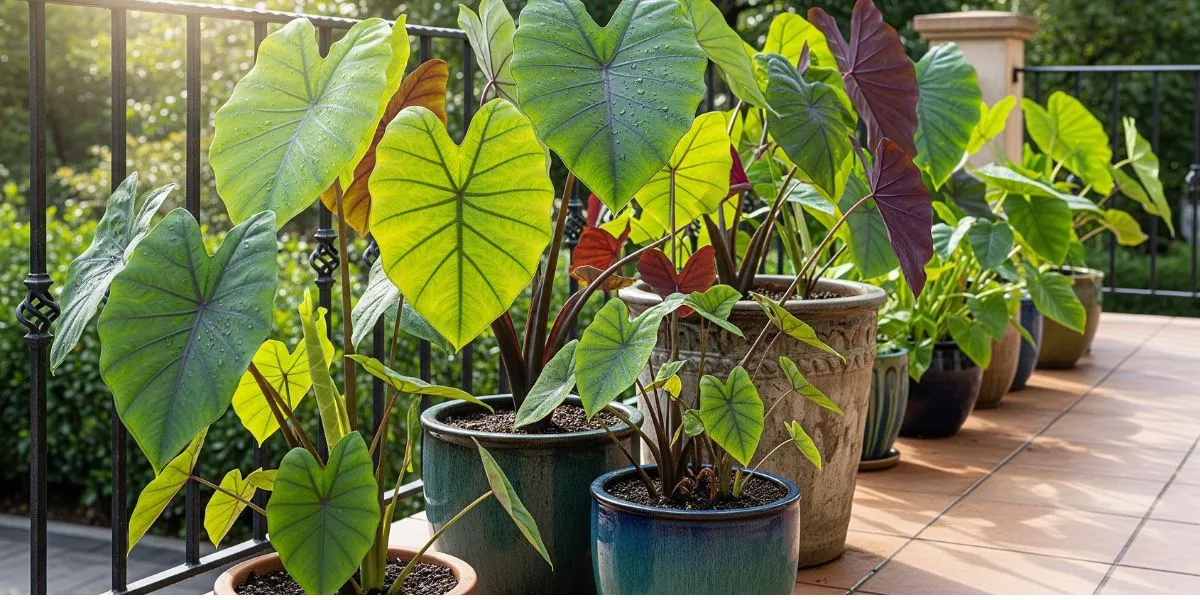
Kapanlagi.com - Attracting attention with its wide and exotic leaves, ornamental taro has become a favorite choice to beautify corners of the house or garden. However, to achieve truly lush and maximally sized leaves, a deep understanding of how to plant ornamental taro for large leaves is necessary. The cultivation process of ornamental taro is not just about planting, but a series of strategic steps that begin with seed selection and continue with ongoing care.
Each stage plays a crucial role in determining the quality of growth and the beauty of its leaves. This guide will review various important aspects to optimize the growth of your ornamental taro, ensuring its leaves grow lush and large.
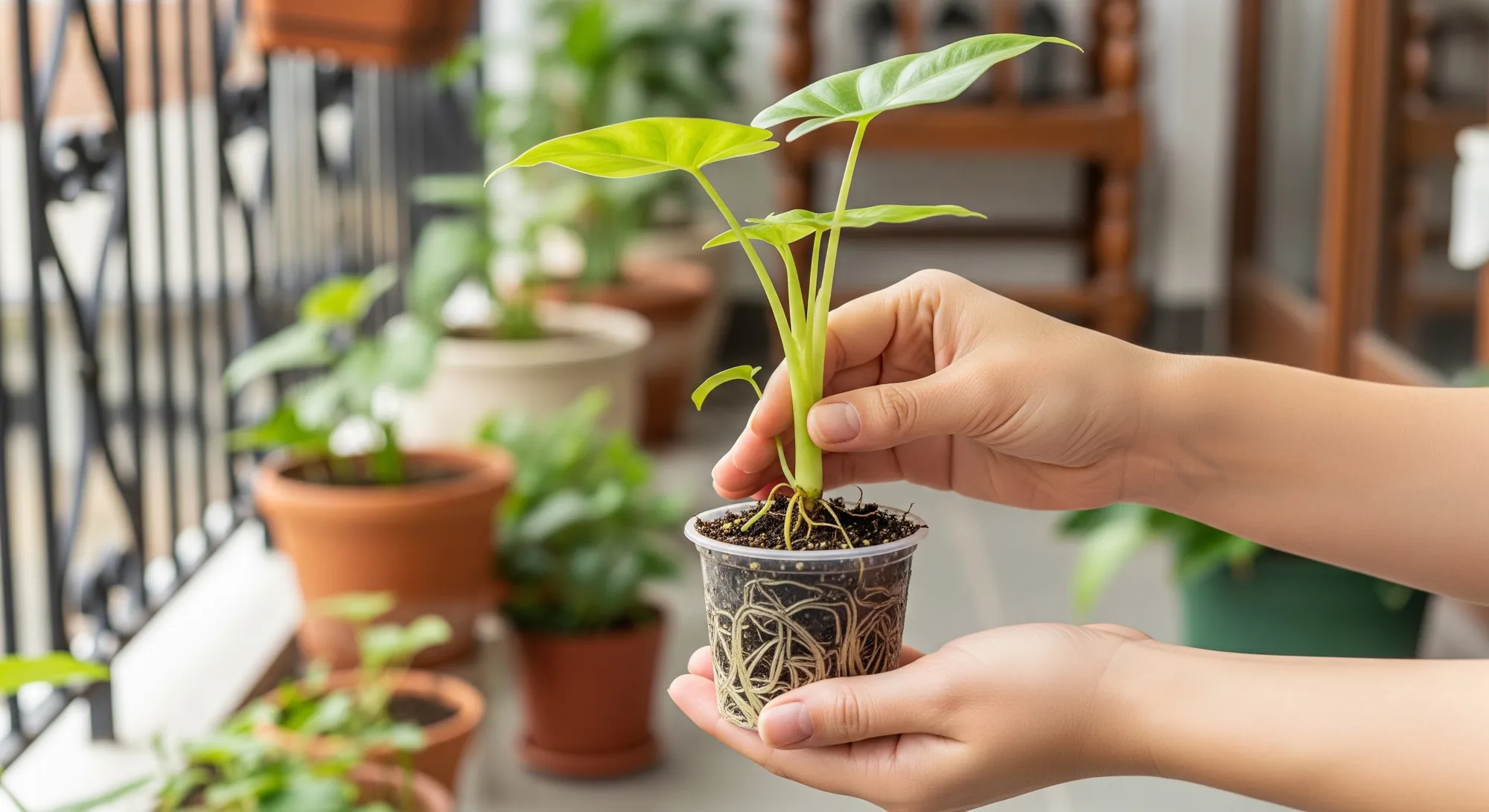
Illustration of How to Plant Ornamental Taro for Large Leaves / AI Generated
The crucial first step is to ensure the selection of quality seeds. Good seeds will greatly influence the growth of the plants later on. For those of you who want to plant Taro or Colocasia, it is advisable to choose quality and good seeds.
Choose taro seeds from healthy parent plants that are free from diseases. The seeds can be in the form of shoots or tubers that are mature and have buds or offsets. It is important to ensure that the tubers of the taro seeds are not defective or rotten, as this becomes the initial foundation of the plant's health.
Specifically for Bogor taro, it is recommended to choose seeds with large stems or corms because this size is directly correlated with the size of the fruit produced. Additionally, sprouted seeds are more recommended to accelerate the harvesting process.
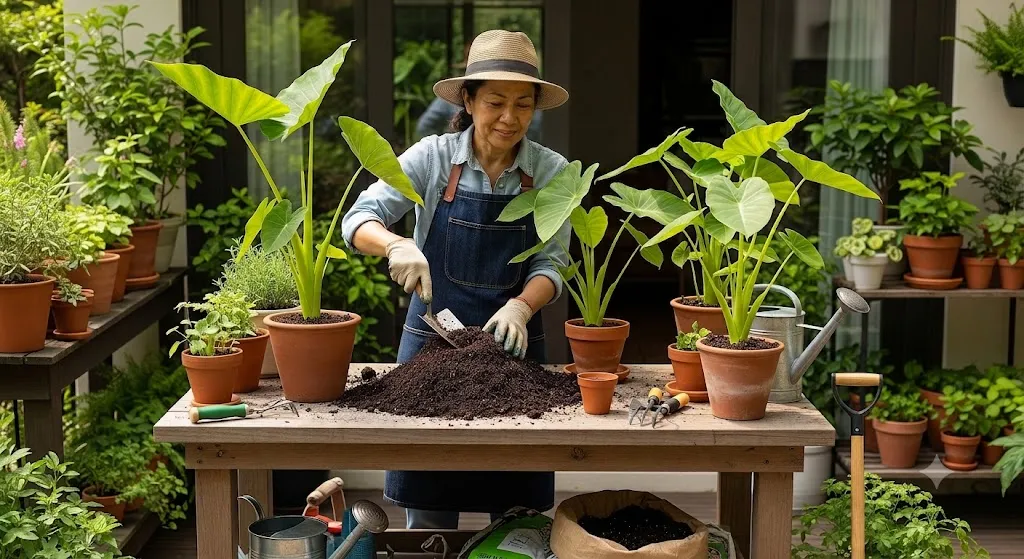
Illustration of How to Plant Ornamental Taro for Large Leaves/AI Generated
Plant media plays a crucial role in growing ornamental taro for large leaves. Ornamental taro requires moist, loose, and organic-rich planting media. Ensure that the planting media is always moist, meaning it should not be too wet and not too dry either.
Loose soil with good drainage is very important for the growth of taro. If planting in pots, the planting media can consist of a mixture of rice husks, red soil, and manure. Keeping the soil pH between 5.5 and 6.5 also helps the plants to thrive. For land, till the soil to a depth of about 30 cm to make it more crumbly. Taro can grow in various climates and soils, but it thrives best at temperatures of 25-30 degrees and in moist, organic-rich soil.
As a tropical plant, ornamental taro requires high humidity and warm temperatures for optimal growth. The ideal temperature for taro growth is 25-30°C with high humidity. If planted indoors, make sure there is good air circulation to support ideal environmental conditions.
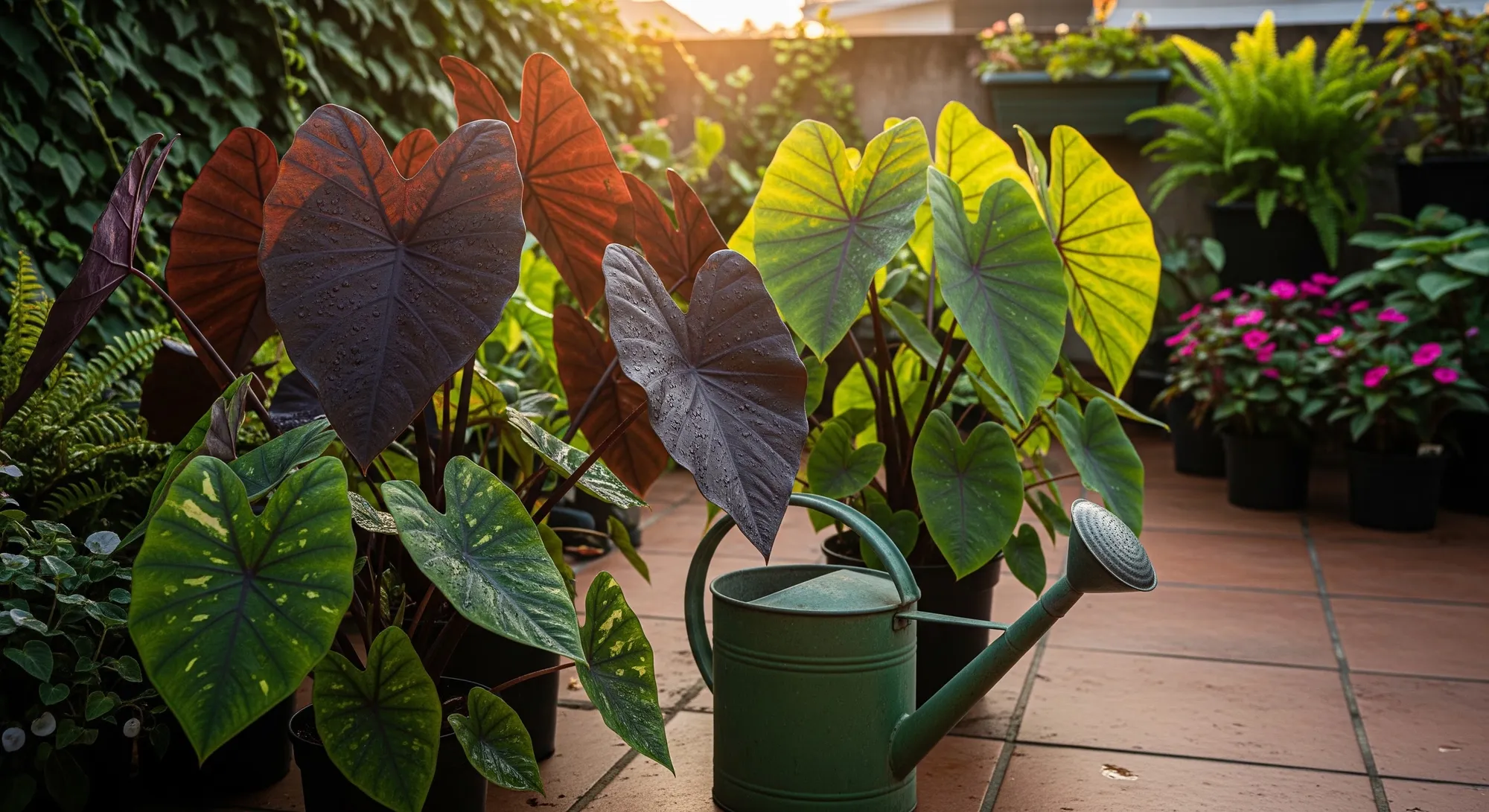
Illustration of How to Plant Ornamental Taro for Large Leaves/AI Generated
Proper lighting is another important factor in how to plant ornamental taro for large leaves. Ornamental taro generally prefers bright but indirect light. Place taro plants such as Caladium, Monstera, and Aglonema in locations that are shielded from direct sunlight. Direct sunlight can cause leaf burn.
Excessive exposure to direct sunlight can cause the leaves of the taro to burn. Ideally, place the taro in a spot that receives partial shade to keep the soil moist, allowing the plants to get sunlight for 3-6 hours a day. However, it is important to note that some types of ornamental taro also prefer places with full sunlight, even more than 6 hours each day, to produce bright green leaves and strong structures.
Consistent and proper watering is essential to maintain the moisture of the growing medium. Taro thrives in high humidity and consistent moisture, requiring weekly watering and wet soil. Water the plants regularly, about once a day, especially during dry spells. To fertilize the plants, you can water them with rice wash water as it is highly nutritious. It is important to keep the soil evenly moist, especially during the growing season, and avoid waterlogging that can cause root rot.
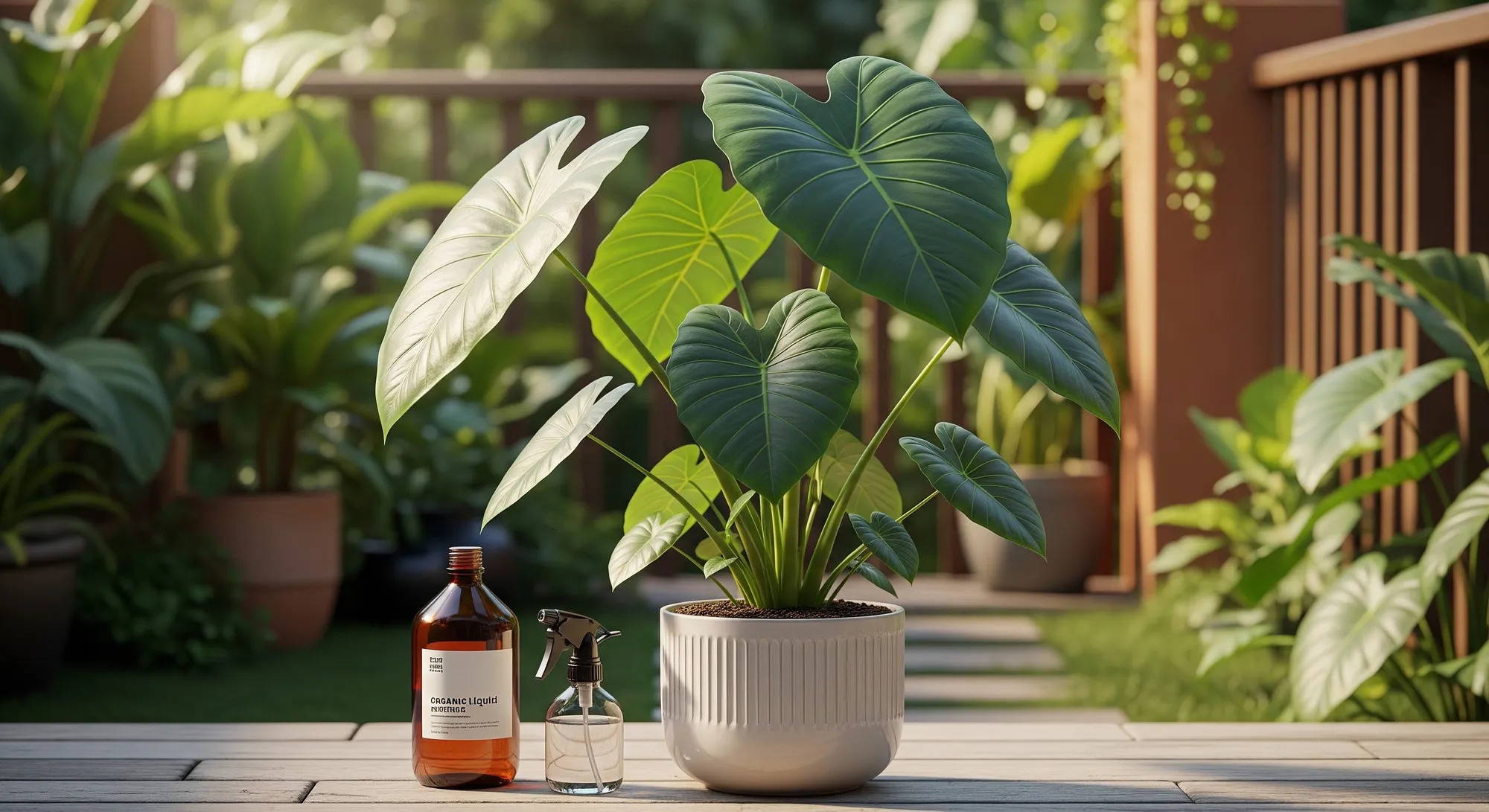
Illustration of How to Plant Ornamental Taro for Large Leaves/AI Generated
Fertilization is key in planting ornamental taro to ensure its leaves are large and healthy. Sufficient nutrients will support leaf development. To fertilize the plants, taro can be watered with water or using compost fertilizer. Fertilization should ideally be done during the active growing season. Compost or manure can be used as a base fertilizer.
For artificial fertilizers, such as Urea, TSP, and KCl, provide about 2 tablespoons per plant. NPK fertilizer with a ratio of 2:1 can be given at one month of age or after 3 leaves have grown. Liquid organic fertilizer (POC) is also effective in enhancing plant growth and resilience. The application of supplementary fertilizer can be done one month after planting, which will provide additional nutrients for optimal growth.
To ensure successful cultivation, it is important to protect the plants from pests and diseases. Pests that often attack taro include snails, caterpillars, and soil lice. Diseases such as root rot can also occur if the soil is too wet. Regular inspections of the plants to detect signs of pests or diseases are very important.
If any part is infected, if there are parts of the plant affected by disease or pests, immediately cut and dispose of those parts to prevent spreading to other areas. Weeding is also necessary so that the plants do not compete for nutrient absorption.
Regular leaf care also contributes to ornamental taro having large and beautiful leaves. Remove old and yellow leaves before they dry out to redirect the plant's energy to the growth of larger new leaves. Pruning damaged or unhealthy leaves also helps maintain the health and aesthetics of the plant.
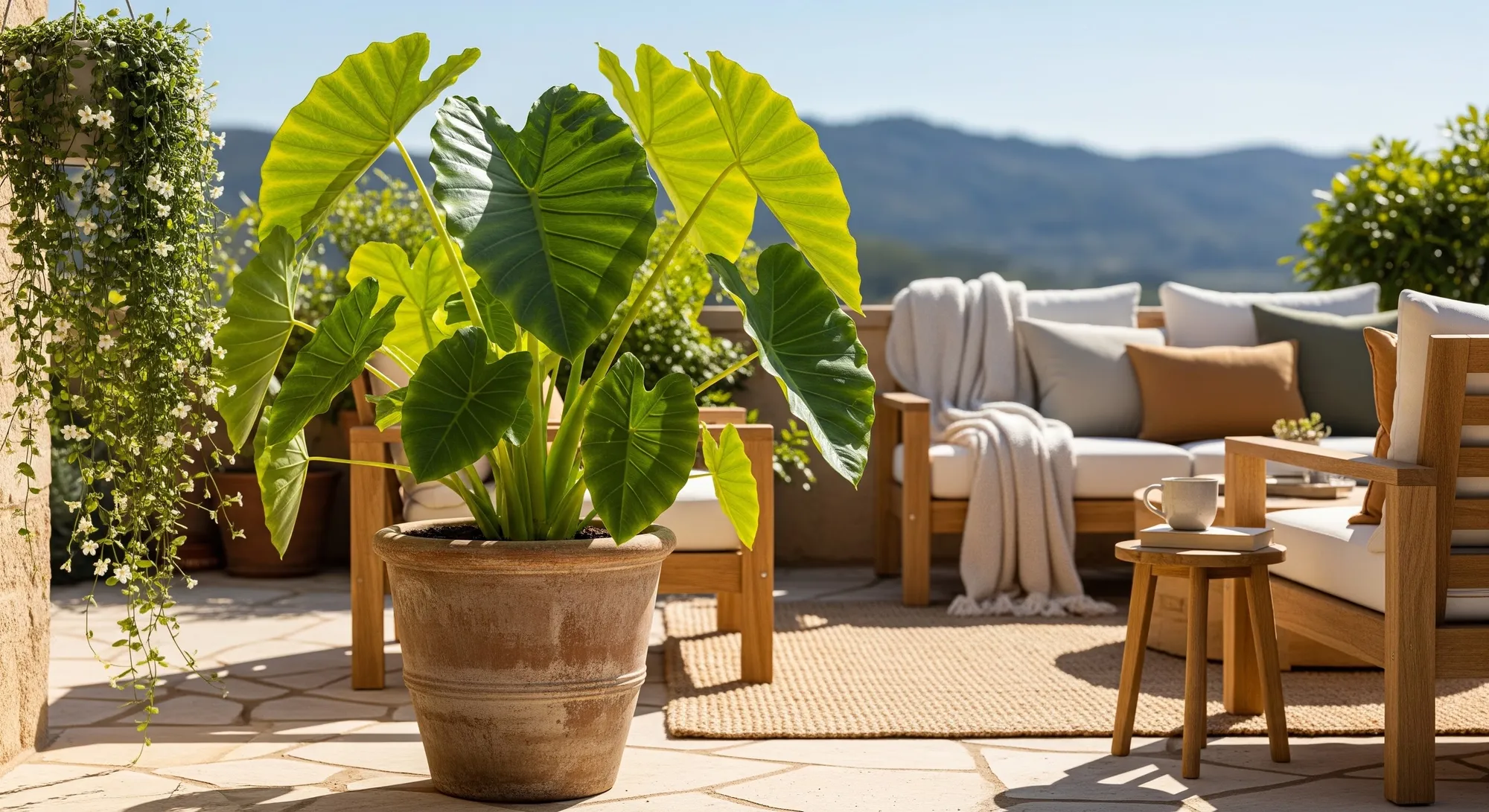
Illustration of How to Plant Ornamental Taro for Large Leaves/AI Generated
In addition to planting techniques, perform the following care to keep the plant looking attractive:
How to choose good ornamental taro seeds for large leaves?
Choose seeds from healthy parent plants, free from disease, and with large stems or tubers, and ensure the seed tubers are not defective or rotten.
What type of planting media is ideal for ornamental taro to ensure large leaves?
The planting media should be moist, loose, rich in organic material, have good drainage, and have a pH between 5.5 and 6.5.
How much sunlight does ornamental taro need for large leaves?
Ornamental taro requires bright but indirect light; avoid excessive direct sunlight as it can burn the leaves, although some varieties can thrive in full sunlight for more than 6 hours.
What fertilizers are recommended to make ornamental taro leaves large?
Use compost, manure, or balanced NPK fertilizer, as well as liquid organic fertilizer (POC) applied during the active growing season.
(kpl/nti)
Cobain For You Page (FYP) Yang kamu suka ada di sini,
lihat isinya
Explore the 10 best Japanese slice of life dramas, from the latest stories of 2026 to classics, presenting realistic and heartwarming tales.
Discover 10 ground cover plants that naturally reduce weeds to protect soil fertility, prevent erosion, and are environmentally friendly!
Want pothos to thrive without soil? Check out 7 ways to grow pothos in water for healthy roots, lush leaves, and rot resistance.

A collection of the 20 best war films between nations featuring spectacular battles, complex military strategies, and humanistic stories.

Need some soothing entertainment? Here are 15 movies that are perfect for watching when overthinking, featuring touching, inspiring stories full of life lessons.

Discover the most interesting Chinese xianxia drama recommendations that are guaranteed to keep you glued to the screen. From eternal love stories to epic adventures, get ready to be amazed.

Prepare yourself for an exhilarating night with these 12 thrilling movies about meteor disasters.

Enjoy the deliciousness of salted caramel icebox cake, a no-bake dessert that combines the sweetness of caramel and the savory touch of salt. An easy recipe for a new taste experience.

Japan has a unique philosophy in managing money that focuses on patience, consistency, and peace of mind.
Discover 8 effective ways to make aloe vera multiply quickly in your home garden. Check out the complete guide here.

After a breakup, Korean dramas can be the best companions for healing. Discover K-drama recommendations that encourage you to move on, love yourself, and find new hope.

Explore the legendary world of Chinese kungfu films! From the action of Bruce Lee to Jackie Chan, check out the list of the most iconic martial arts cinema that stands the test of time.
