

 Follow
 Rekomendasi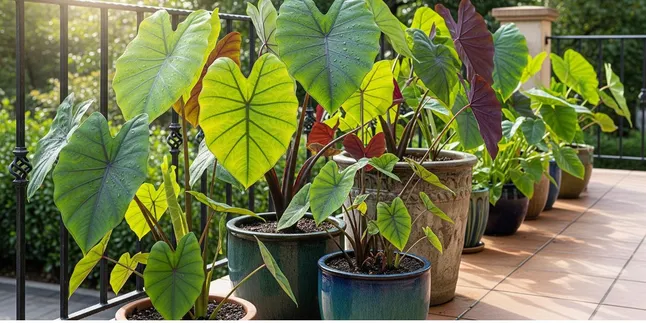
How to Plant Ornamental Taro for Large Leaves to Beautify Your Home
How to plant ornamental taro for large leaves requires the right cultivation techniques and routine care.
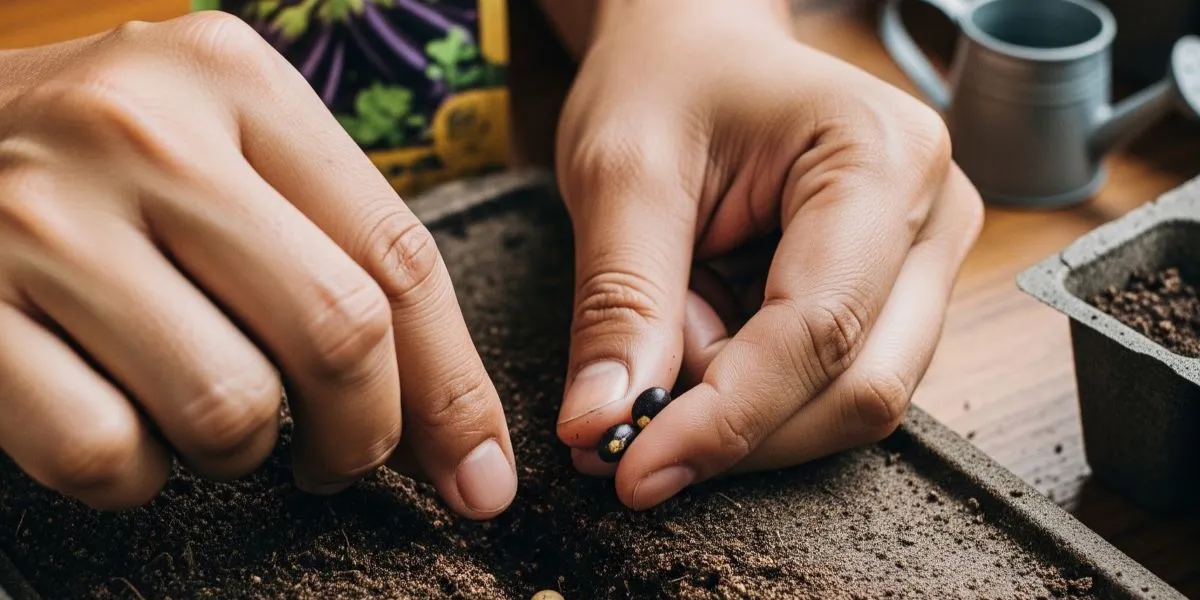
Kapanlagi.com - Purple eggplant is one of the vegetables that is widely cultivated because it is easy to process into various delicious dishes and has a fairly good economic value. The good news is that this plant can also be grown by yourself in your yard, even in limited spaces. By starting from seeds, you can monitor every stage of the plant's growth while obtaining healthy seedlings from the start.
Although it seems simple, the method of planting purple eggplant from seeds requires several important stages so that the seeds can germinate well, grow lush, and produce abundant fruit. From selecting quality seeds, preparing loose seedling media, ensuring proper watering, to transferring seedlings to permanent planting media, all play a significant role in determining the success of cultivation. If any stage is neglected, the growth of the plant may be hindered or the harvest may not be optimal.
To avoid mistakes when starting, it is important to understand each step of planting and care thoroughly. With the right techniques, purple eggplant can grow healthily, bloom faster, and produce quality fruit.
So how do you plant purple eggplant from seeds for quick growth and abundant fruit? Based on various sources, Monday (3/8/2026), check out the information review below.
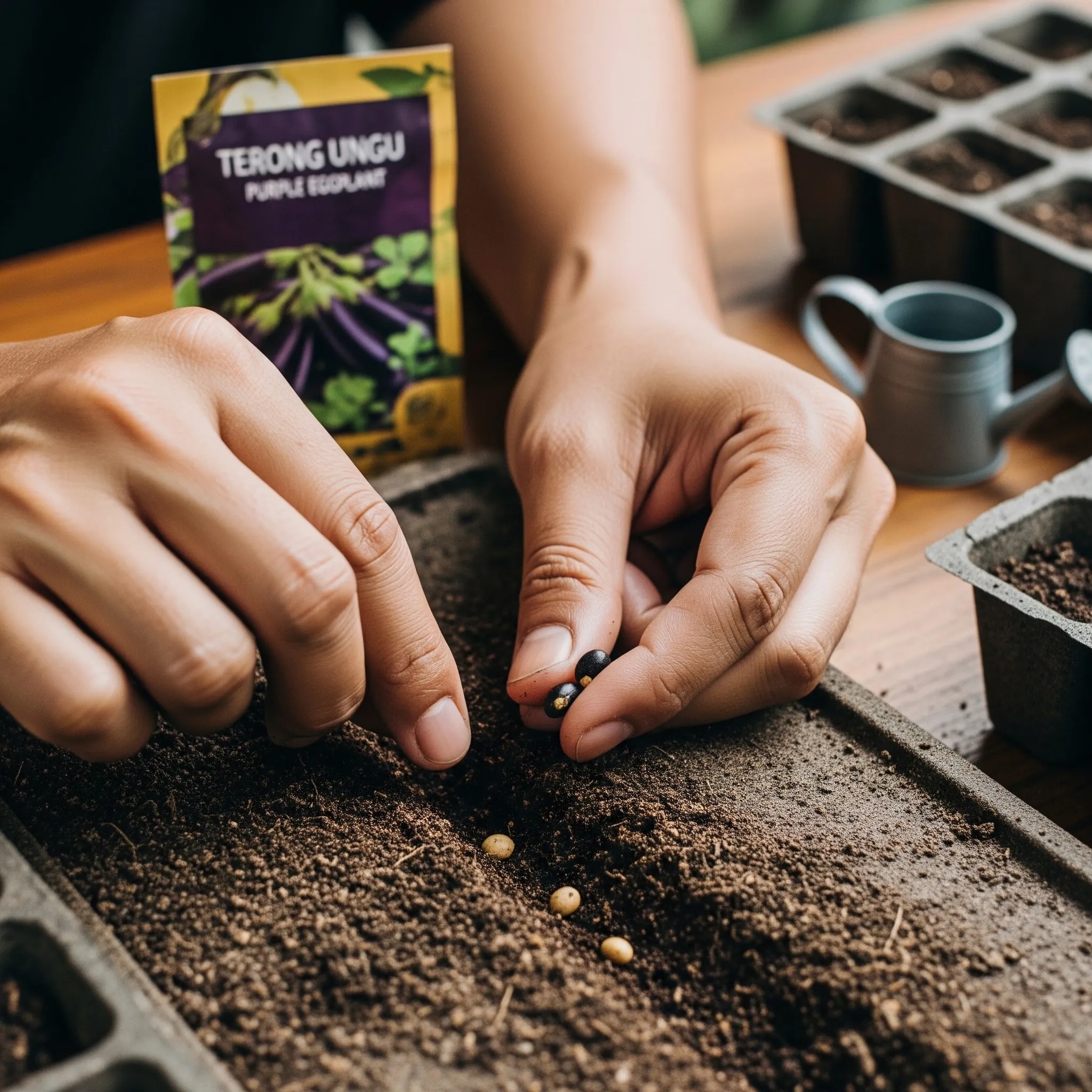
The first step that determines the success of purple eggplant cultivation is selecting quality seeds. Superior seeds generally have high germination rates, come from well-defined varieties, and are free from diseases.
It is advisable to use certified seeds from trusted producers to increase the chances of growth and ensure that the plants have good resistance to pests and weather changes. Avoid using seeds that have been stored for too long, as their viability may decrease, making the germination process less optimal.
In addition to choosing the right seed source, also pay attention to the characteristics of the variety to be planted. Currently, there are various types of purple eggplant available, ranging from long and round shapes to superior varieties known for their quick fruiting and high productivity.
Choose a variety that is suitable for the climatic conditions of your area to help the plants adapt more easily. If the purpose of planting is for family consumption, a variety with a short harvest time can be a profitable choice.
Before sowing, seeds can be soaked in warm water for about 4–6 hours to help speed up the germination process. Seeds that sink generally have better quality compared to those that float, although this is not the only quality indicator. After the soaking process is complete, drain the seeds and immediately proceed with sowing to maintain the seeds' natural moisture.
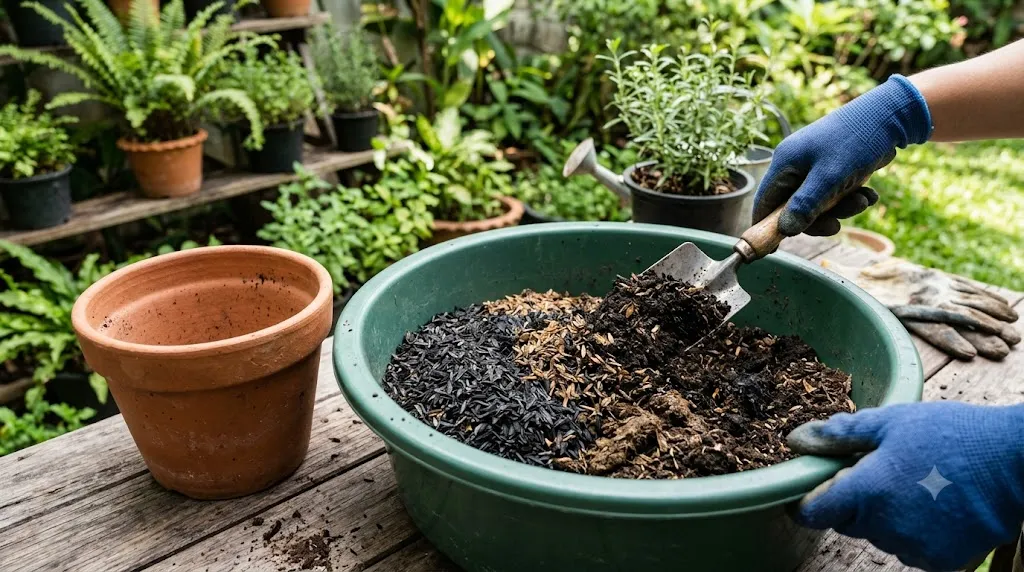
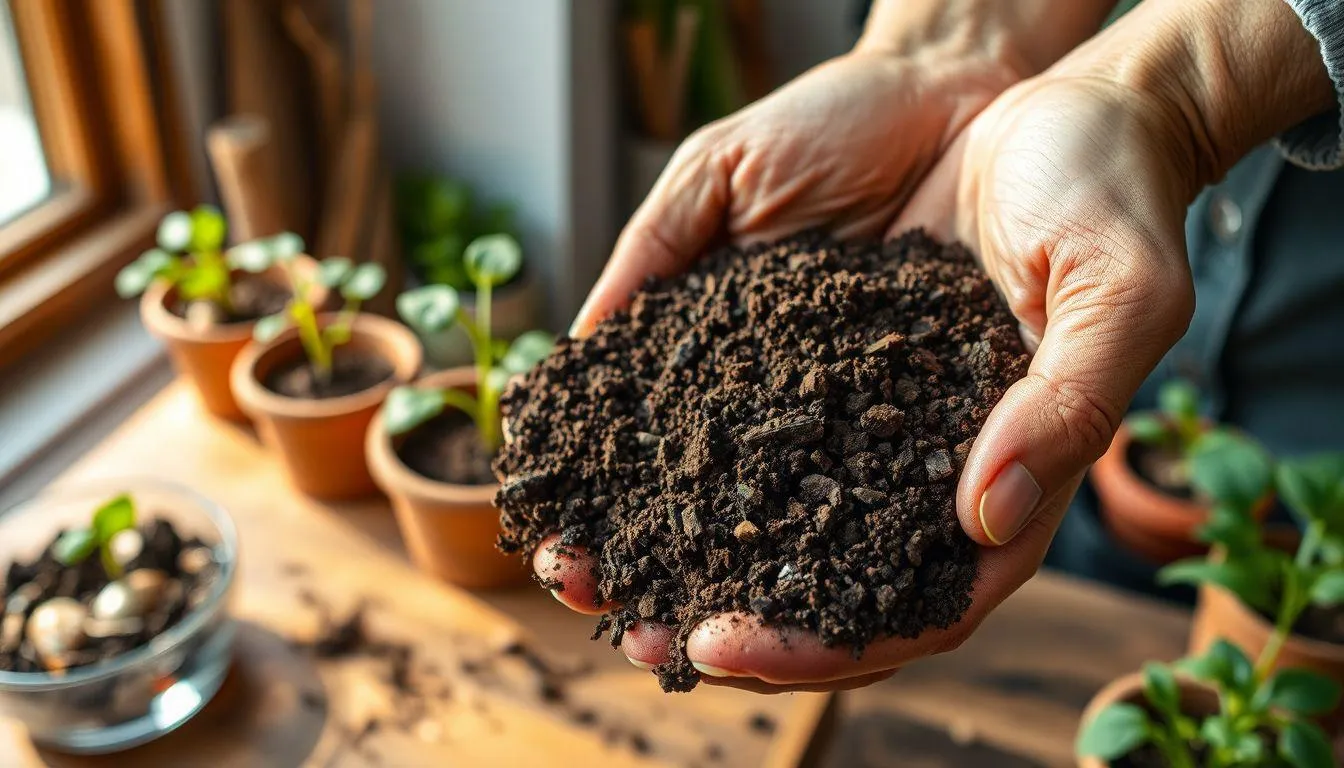
Seedling media plays an important role in supporting the growth of young roots. Use a mixture of loose soil, mature compost or manure, and burnt rice husks or cocopeat in a balanced ratio. Such media has a porous structure, allowing young roots to develop freely while obtaining sufficient air and water supply. Avoid using soil that is too compact as it can hinder root growth and increase the risk of rot.
Before use, the seedling media should ideally be sterilized first to reduce the presence of fungi, bacteria, and pest eggs that can attack the seedlings. Sterilization can be done by drying the media under sunlight for several days or using ready-to-use planting media. This simple step is often overlooked, yet it significantly affects the health of seedlings during the early growth phase.
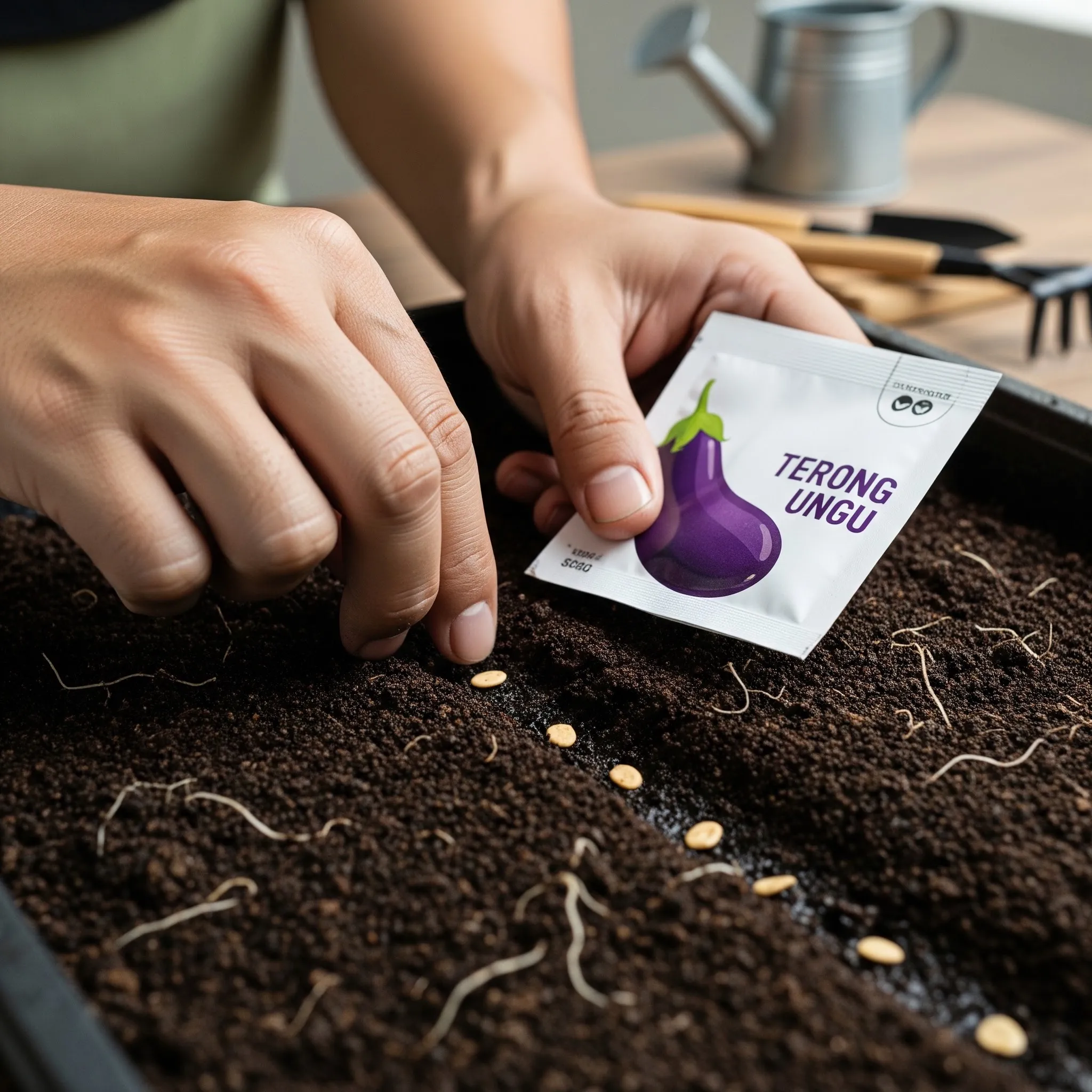
Place the media into seedling trays, small polybags, or other seedling containers, then make holes about 0.5–1 centimeter deep. Place one seed in each hole and cover lightly with planting media. After that, water gently using a fine spray so that the seeds do not shift. Maintain the moisture of the media without making it too wet so that the seeds can germinate well in the following days.
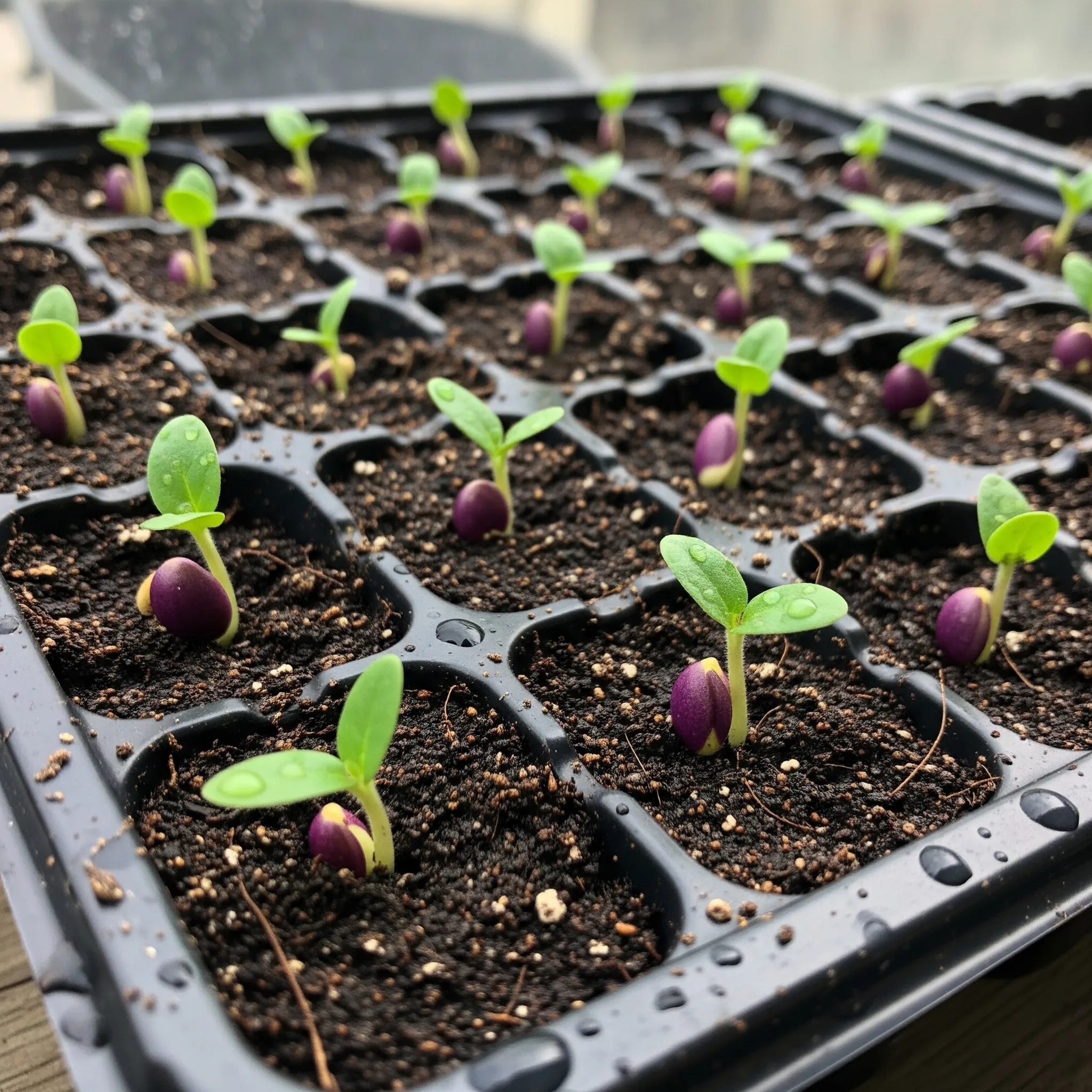
After the seeds are planted in the seedling medium, place the seedling container in a shaded area but still receiving indirect sunlight. In the early phase, the seeds require stable moisture for optimal germination. Watering should preferably be done using a fine spray every morning or evening depending on the condition of the planting medium. Avoid watering with a heavy flow of water as it can displace the seeds or damage the newly emerged seedlings.
Within about 5–14 days, the purple eggplant seeds generally start to germinate. Once the first leaves appear, the seedlings need sufficient sunlight exposure so that the stems do not grow too tall and weak (etiolation). Gradually move the seedlings to a location that receives morning sunlight for a few hours each day. This adaptation process is important for the plants to be ready to face external environmental conditions when moved to the main planting medium.
During the sowing period, regularly check the condition of the seedlings. Remove any seedlings that are stunted, wilted, or show signs of disease to prevent affecting the others. Healthy seedlings usually have sturdy stems, fresh green leaves, and uniform growth. With proper care from the beginning, the seedlings will be stronger as they enter the next growth phase.
Purple eggplant seedlings are generally ready to be transferred after about 3–4 weeks or have 4–6 true leaves. At this stage, the root system is strong enough to adapt to a wider planting medium. The transfer should preferably be done in the morning or late afternoon when the sunlight is not too intense to prevent the plants from experiencing stress.
The permanent planting medium can be in the form of raised beds in the garden, polybags with a minimum size of 30–40 cm, or large pots with drainage holes. Use a mixture of soil, compost, and well-rotted manure to ensure the plants receive adequate nutrients from the start. Ensure the medium has good drainage because eggplant roots do not like overly soggy conditions. Provide a planting distance of about 60–70 cm if planted in the field so that each plant has sufficient growing space.
When transferring seedlings, try to keep the seedling medium attached to the roots to reduce the risk of damage. Once the seedlings are placed in the planting holes, gently compact the soil and water adequately. If the weather is very hot, provide temporary shade for the first few days to help the plants adapt to their new environment.
Watering is one of the important factors in the growth of purple eggplant. This plant requires sufficient moisture, especially during the early growth phase, flowering, and fruit formation. Watering should be done in the morning or evening to reduce water evaporation. Avoid overwatering as overly wet conditions can trigger root rot and increase the risk of disease attacks.
In addition to water, the plant also requires sufficient nutrients to grow vigorously. Provide organic fertilizers such as compost or well-rotted manure as a base fertilizer. Subsequently, perform follow-up fertilization using fertilizers that contain nitrogen, phosphorus, and potassium (NPK) according to the recommended dosage. During the vegetative phase, the plant requires more nitrogen to support leaf and stem growth. As it enters the flowering and fruiting stages, the need for phosphorus and potassium increases to aid in flower and fruit formation.
Balanced fertilization will result in plants with strong stems, healthy green leaves, and higher productivity. However, avoid excessive fertilization as it can lead to overly lush leaf growth, which reduces flower and fruit formation. Perform fertilization periodically according to the age of the plant for optimal results.
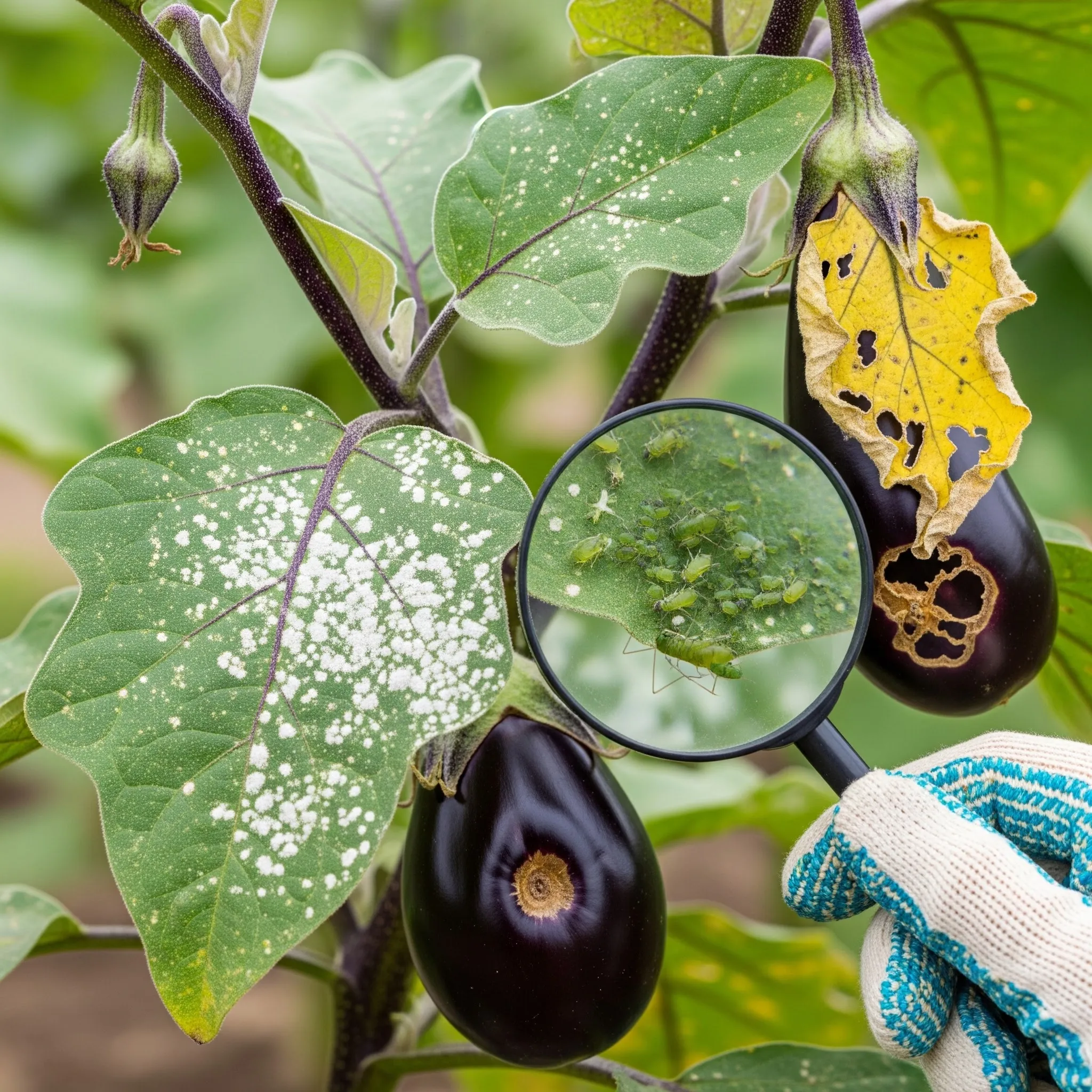
Purple eggplant plants are vulnerable to various types of pests such as aphids, caterpillars, fruit flies, and mites. If not addressed promptly, pest attacks can damage leaves, flowers, and even fruits, leading to reduced yields. Therefore, conduct regular plant inspections, especially on the undersides of leaves and young shoots, which are often breeding grounds for pests.
In addition to pests, several diseases such as bacterial wilt, root rot, and leaf spots also need to be watched out for. These diseases generally arise due to excessively high humidity, poor drainage, or inadequate air circulation. Maintaining cleanliness in the planting area, removing affected leaves, and avoiding water stagnation are simple steps that can help prevent the spread of diseases.
If the pest attack is still mild, utilize natural pesticides like garlic solution, neem leaves, or a mixture of liquid soap and water. This method is more environmentally friendly and safe to use in home gardens. However, if the attack is severe, use pesticides according to the instructions and only when absolutely necessary to maintain ecosystem balance.
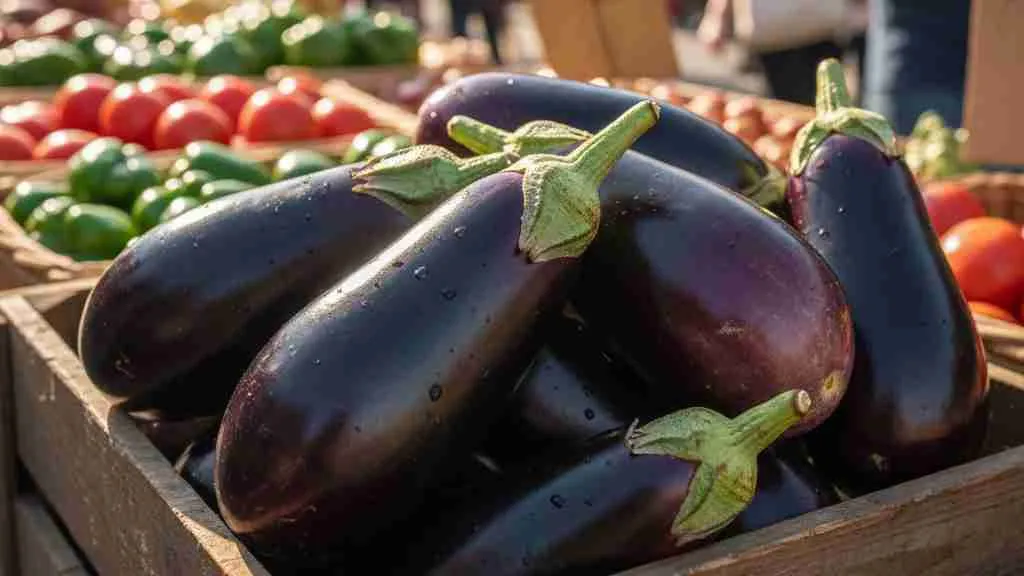
Pruning is one of the maintenance techniques that is often overlooked, yet it greatly influences the productivity of purple eggplant. Trim old leaves, yellowing leaves, or unproductive branches so that the plant's nutrients are more focused on the growth of flowers and fruits. Pruning also helps improve air circulation around the plant, thus reducing the risk of fungal attacks.
In addition to pruning, installing stakes or supports is also important when the plants start to grow tall and produce many fruits. Stakes help support the stems so they do not topple due to the weight of the fruit or wind gusts. With the stems remaining upright, the process of absorbing sunlight becomes more optimal, allowing for better plant growth.
Purple eggplants can generally be harvested about 60–90 days after planting, depending on the variety and care conditions. Fruits should be picked when their skin is still shiny, bright purple in color, and the texture feels firm but not too hard. Regular harvesting every few days will stimulate the plant to produce new flowers, allowing for a longer production period and a more abundant harvest.
Under moist planting media conditions and suitable temperatures, purple eggplant seeds generally start to germinate in about 5–14 days after sowing.
Seedlings are usually ready to be transplanted after 3–4 weeks or after they have 4–6 true leaves and a sufficiently sturdy stem.
Yes. Use polybags that are at least 30–40 cm in size with loose planting media and good drainage so that the roots can develop optimally.
Generally, purple eggplant starts producing fruit around 60–90 days after planting, depending on the variety, weather conditions, and care provided.
Use quality seeds, perform regular watering and fertilization, provide full sunlight for 6–8 hours per day, prune non-productive branches, and control pests and diseases early to keep the plants healthy and productive.
(kpl/iya)
Cobain For You Page (FYP) Yang kamu suka ada di sini,
lihat isinya
How to plant ornamental taro for large leaves requires the right cultivation techniques and routine care.

Explore the 10 best Japanese slice of life dramas, from the latest stories of 2026 to classics, presenting realistic and heartwarming tales.
Discover 10 ground cover plants that naturally reduce weeds to protect soil fertility, prevent erosion, and are environmentally friendly!
Want pothos to thrive without soil? Check out 7 ways to grow pothos in water for healthy roots, lush leaves, and rot resistance.

A collection of the 20 best war films between nations featuring spectacular battles, complex military strategies, and humanistic stories.

Need some soothing entertainment? Here are 15 movies that are perfect for watching when overthinking, featuring touching, inspiring stories full of life lessons.

Discover the most interesting Chinese xianxia drama recommendations that are guaranteed to keep you glued to the screen. From eternal love stories to epic adventures, get ready to be amazed.

Prepare yourself for an exhilarating night with these 12 thrilling movies about meteor disasters.

Enjoy the deliciousness of salted caramel icebox cake, a no-bake dessert that combines the sweetness of caramel and the savory touch of salt. An easy recipe for a new taste experience.

Japan has a unique philosophy in managing money that focuses on patience, consistency, and peace of mind.
Discover 8 effective ways to make aloe vera multiply quickly in your home garden. Check out the complete guide here.

After a breakup, Korean dramas can be the best companions for healing. Discover K-drama recommendations that encourage you to move on, love yourself, and find new hope.
