

 Follow
 Rekomendasi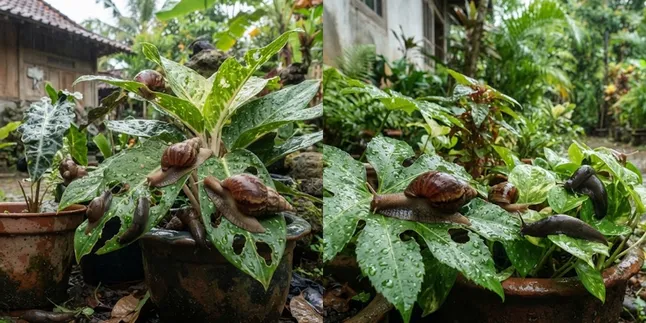
7 Ways to Create a Pot Area Less Attractive to Snails and Slugs, No Longer a Plant Pest
How to create a pot area that is less attractive to snails and slugs with simple steps to keep the plants safe.
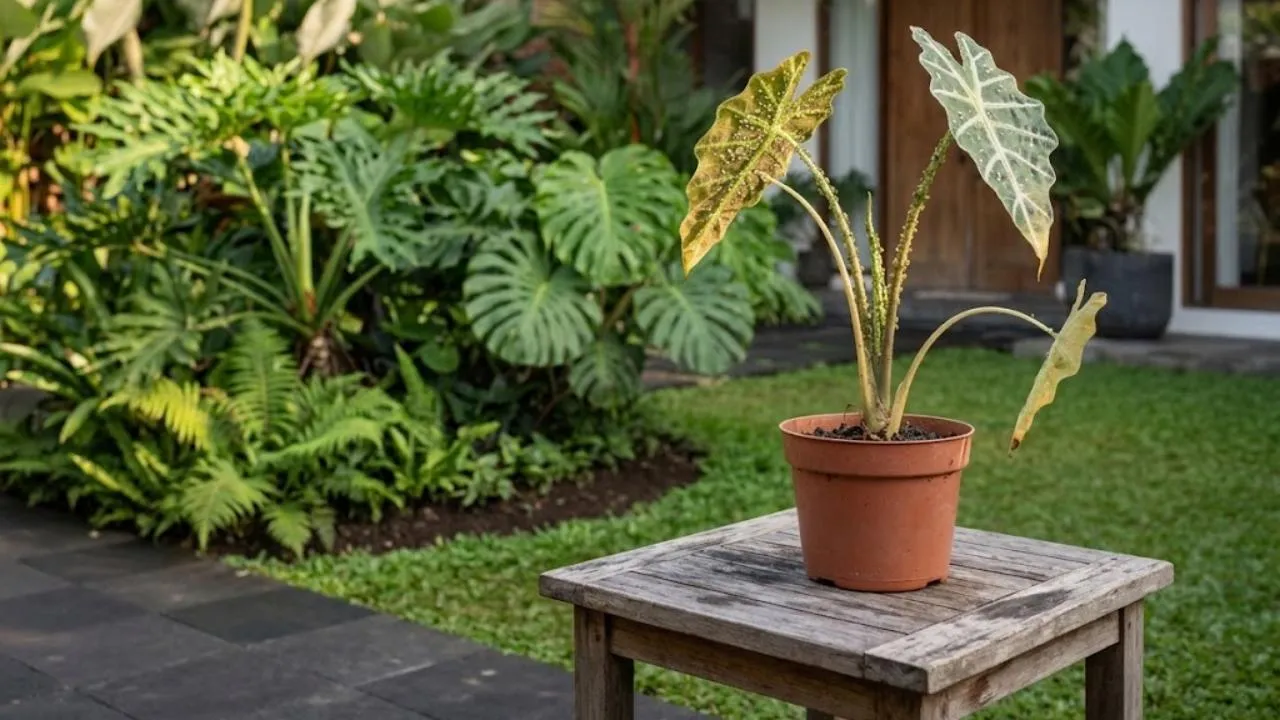
Kapanlagi.com - Plants suddenly infested with aphids, mites, or small insects can certainly be concerning. Knowing how to separate plants affected by pests to prevent spreading is an important step before the problem escalates and attacks surrounding plants.
Pests can transfer from one plant to another through leaf contact, growing media, gardening tools, or insect activity. Even plants that appear healthy may not be completely free from pests because eggs or very small insects can escape detection.
Therefore, separation should be done immediately after signs of infestation are found. This step does not mean that the affected plants must be discarded right away. With isolation, regular inspection, cleaning, and proper care, the spread of pests can be controlled, Wednesday (2/9/2026).
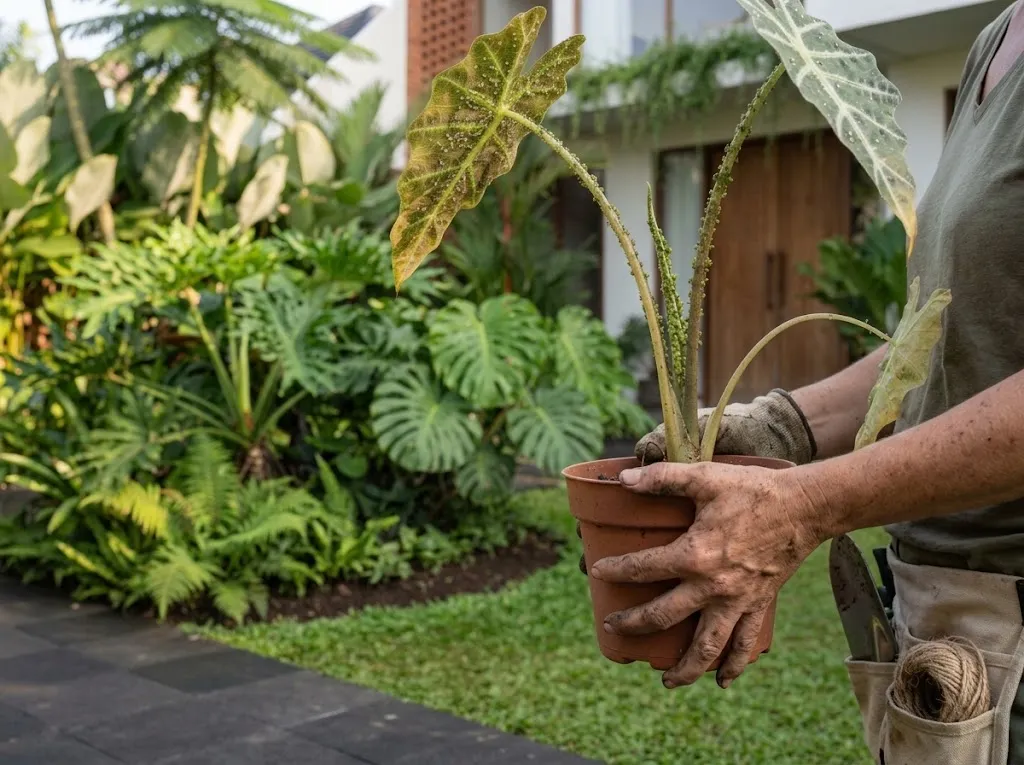
how to separate infested plants to prevent spreading (AI generated)
The first step is to ensure the plant shows signs of pest infestation. Check the upper and lower surfaces of the leaves, stems, young shoots, and areas around the petioles. Some pests like aphids, whiteflies, scale insects, and mites can hide in hard-to-see parts of the plant.
According to University of Minnesota Extension, regular plant inspections are essential to find insects, eggs, fine webs, holes in leaves, color changes, and sticky fluids or honeydew often left by certain types of insects. A magnifying glass can help find very small pests.
Plants that show signs of infestation should not be left next to healthy plants. Move pots slowly to prevent pests from transferring through touching leaves.
Place infested plants in a separate area. If the plants are indoors, do not just move them to the same room corner if the pots are still close to other plants. Provide enough distance and avoid placing sick plants below or right next to healthy plants.
Pennsylvania State University Extension recommends isolating infested plants to prevent the spread to surrounding plants. The same source also suggests that new plants be isolated for about three weeks before being placed with other plant collections.
This practice can also be applied to newly purchased plants. Healthy-looking plants should still be observed first because eggs, larvae, or hidden pests may not be visible when first brought home.
When transporting infested plants to an isolation location, avoid shaking the pot or touching the leaves of other plants along the way. Some insects can easily transfer when the plants are shaken.
If possible, use a special tray or base to carry the pots. After that, wash your hands before touching healthy plants again.
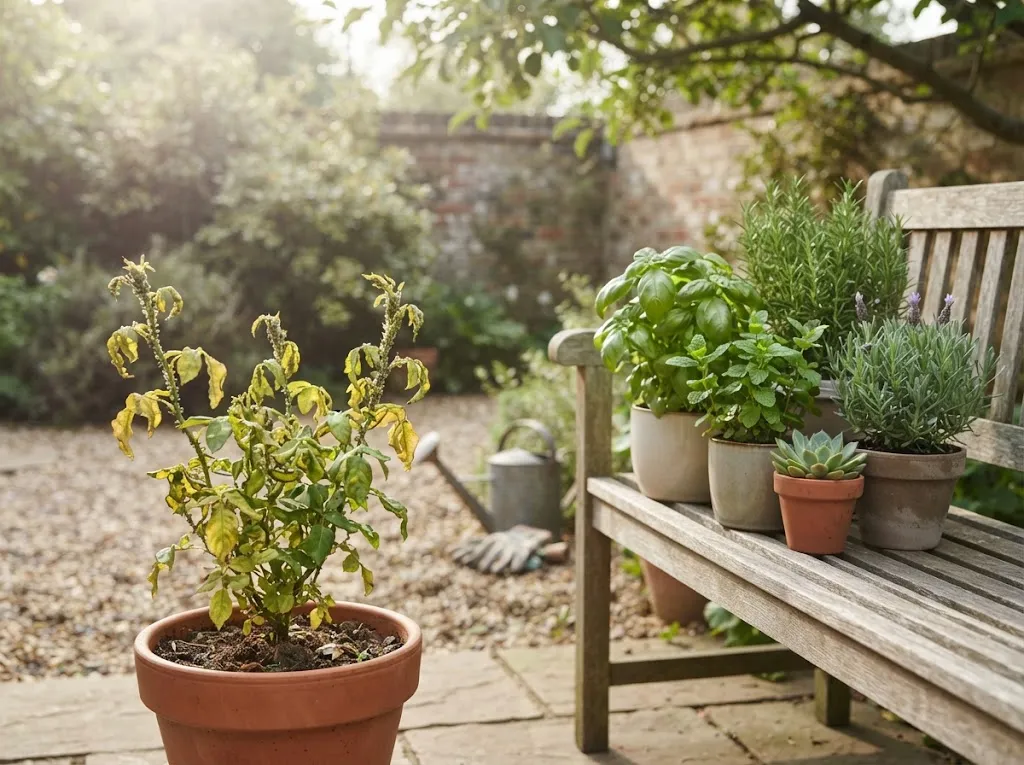
how to separate infested plants to prevent spreading (AI generated)
Remove the infested parts
Once the plants are isolated, pay attention to the parts most heavily inhabited by pests. Leaves with large colonies of insects can be pruned if the condition of the plant allows. Severely damaged parts should be removed from the plant immediately.
The RHS or Royal Horticultural Society explains that managing plant problems should begin with monitoring and taking action as early as possible. For plant diseases, removing infected parts can help limit the spread. The principles of cleanliness and reducing sources of problems are also important when dealing with plants under pest attack.
Infested leaf or stem cuttings should not be placed near healthy plants. Place them in a sealed bag before disposal if they are heavily infested.
Clean pests mechanically
Not all infestations need to be addressed immediately with chemicals. For light infestations, certain pests can be cleaned manually.
The RHS mentions that aphid colonies can be cleaned with a water spray, while some organisms like snails can be removed manually. The University of Minnesota Extension also recommends cleaning leaves, spraying small plants with water, and physically removing pests when their populations are still low.
On plants with fairly strong leaves, a water spray can help knock off aphids from the surface of the plant. For whiteflies that cling to the leaf joints, cotton or a small tool can be used to carefully clean them off.
Always pay attention to the characteristics of the plant. Very sensitive leaves should not be rubbed or sprayed with excessive pressure.
Clean tools after use
Pruning shears, small shovels, gloves, pots, and other tools that come into contact with infested plants need to be cleaned before being used on healthy plants.
Pennsylvania State University Extension specifically recommends cleaning soil and debris from shears after use. Pruning tools should also be disinfected after being used on plants affected by insects or diseases.
This simple step is often overlooked. In fact, transferring pests from one pot to another through gardening tools can make the isolation process less effective.
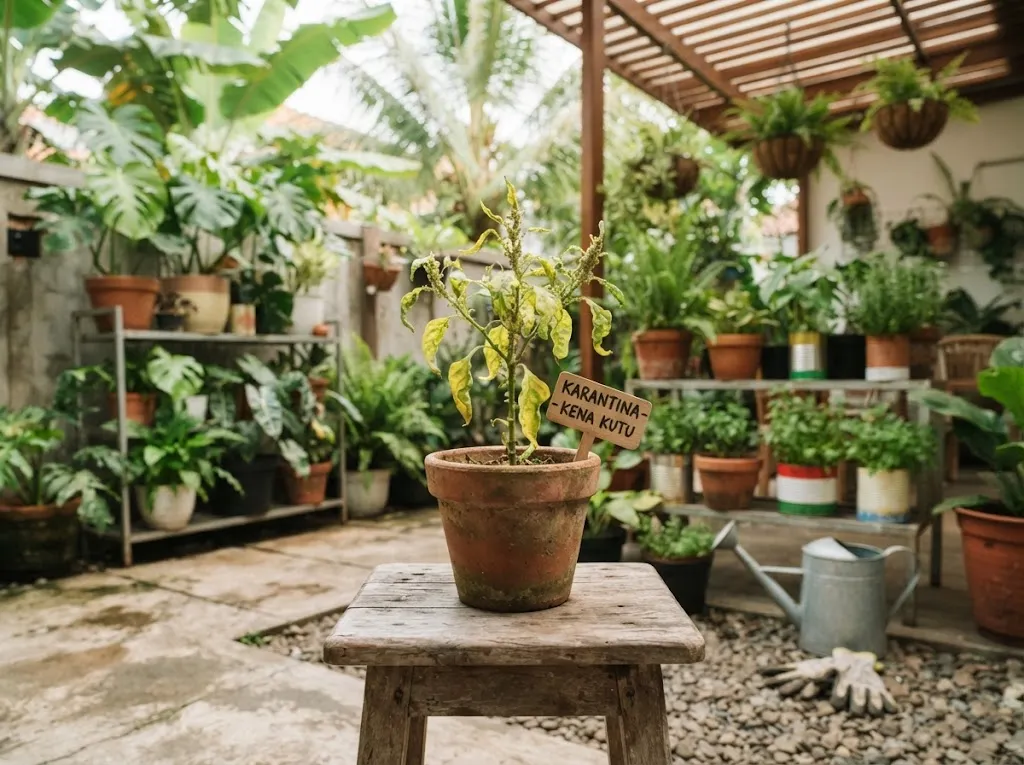
how to separate infested plants to prevent spreading (AI generated)
Conduct routine inspections
Isolation does not mean that the plants are left alone. In fact, the separated plants need to be checked periodically to determine whether the pest population is decreasing or increasing.
Check the undersides of leaves, shoots, stems, the surface of the growing medium, the rim of the pot, and the area around the saucer. The University of Minnesota Extension recommends inspecting plants while watering, fertilizing, or cleaning. Yellow or blue sticky traps can also help detect flying insects such as whiteflies, winged aphids, and thrips.
If pest populations are still found, do not rush to return the plants to their original location. Wait until the conditions are completely under control and no new signs of infestation are found.
Improve growth conditions
Healthy plants tend to be more capable of facing pressure from pests. GrowVeg emphasizes the importance of keeping plants in good growing conditions through proper lighting, watering, nutrition, and suitable media conditions. Stressed plants can become more vulnerable to pest problems.
Watering should also be adjusted to the needs of the plants. Do not let the media be too wet if the type of plant does not require it. The University of Minnesota Extension notes that inappropriate growing conditions, such as media being too wet or too dry, can make it difficult for plants to maintain healthy growth.
Maintaining air circulation is also important, especially for plants placed indoors or in greenhouses. RHS mentions that adequate spacing between plants can help reduce the risk of several diseases, while a more open plant structure can improve air circulation.
Use barriers and take advantage of beneficial insects
Once the plants are healthy again, prevention still needs to be carried out. GrowVeg recommends using insect nets or plant covers as a physical barrier. These methods can help prevent a number of pests from reaching the plants.
Gardens also do not have to be completely free of insects. Some insects actually play the role of natural predators. RHS, for example, explains that hoverfly preys on aphids. GrowVeg also mentions ladybugs, hoverfly, parasitoid wasps, and lacewings as insects that can help control pest populations. Planting flowers like dill, cosmos, or other flowering plants can help attract these beneficial insects.
Do not immediately return plants to their group
A common mistake is returning plants to their original place as soon as the number of pests appears to decrease. However, there may still be eggs or individual pests that have not been detected.
It is safer to maintain isolation while conducting periodic checks. The University of Minnesota Extension recommends isolating new plants for one to two weeks, while the Pennsylvania State University Extension suggests around three weeks as the isolation period for new plants or plants brought back indoors.
The duration of isolation should not be considered an absolute figure for all types of plants and pests. Pay attention to the type of pest, its life cycle, the level of infestation, and the condition of the plant. The main principle is to ensure there are no signs of active infestation before bringing the plants back close to other plants.
Knowing how to separate infested plants to prevent transmission ultimately is not just about moving pots to another location. Isolation needs to be followed by inspection, cleaning, sanitizing tools, reducing infested plant parts, and care that helps the plants recover. This integrated approach aligns with the principles of integrated pest management, which combines several techniques to reduce damage while simultaneously decreasing reliance on chemicals. RHS also emphasizes the importance of monitoring and using various control methods according to plant conditions.
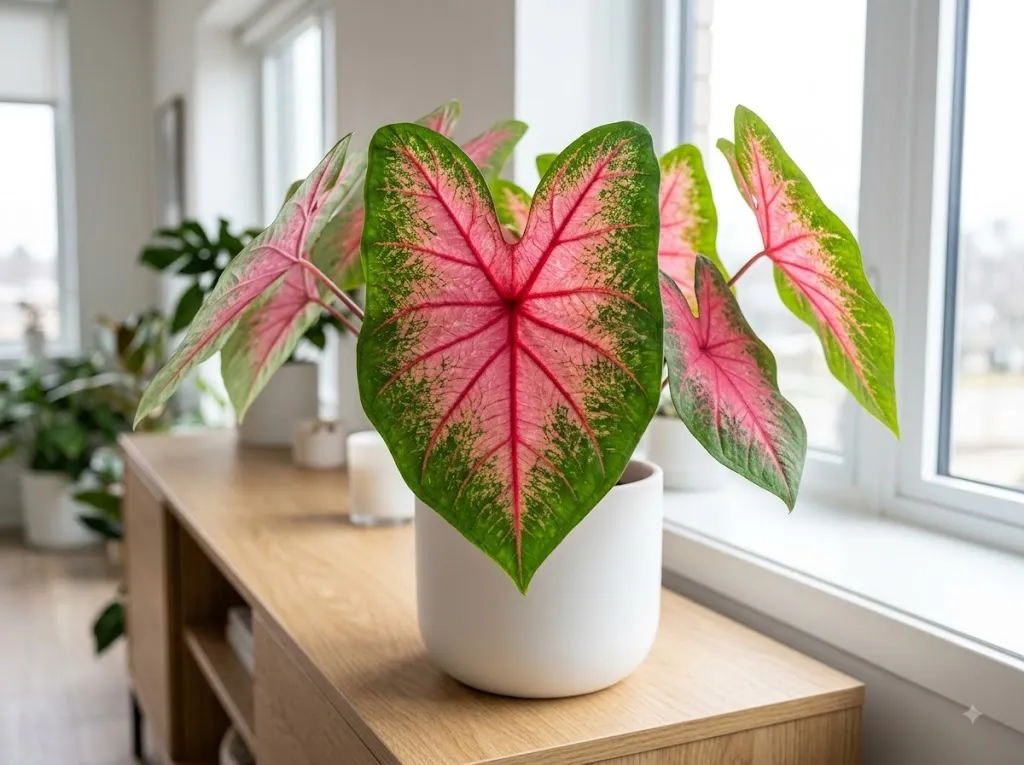
how to separate infested plants to prevent spreading (AI generated)
Not always. If the infestation is mild or moderate, the plants can be isolated and treated first. Severely affected parts can be pruned. Plants with very heavy infestations that are difficult to control may be considered for disposal to prevent them from becoming a source of spread.
There is no one-size-fits-all duration. For new plants, the University of Minnesota Extension recommends isolation for one to two weeks, while Pennsylvania State University Extension mentions about three weeks. For plants that have been affected by pests, the duration should be adjusted according to the type of pest and the results of routine inspections.
Yes, especially when the tools come into contact with infested or infected parts of the plant and then are used on other plants. Therefore, tools such as pruning shears need to be cleaned and disinfected after being used on problematic plants.
Yes. Small pests, eggs, or early signs of infestation can be difficult to see. Regularly inspecting the tops and bottoms of leaves, stems, pots, and growing media helps detect problems earlier.
In addition to isolating affected plants, keep plants healthy, avoid overly humid conditions if not needed, clean damaged parts of the plants, use physical barriers like nets, and take advantage of the presence of natural predator insects. Routine monitoring is also important so that pest populations can be identified before they grow too large.
Reference Sources
GrowVeg – 7 Simple Strategies to Prevent Garden Pests
Royal Horticultural Society – Managing Pests and Diseases Without Chemicals (RHS)
University of Minnesota Extension – Managing Insects on Indoor Plants Pennsylvania State University Extension – Pest and Disease Problems of Indoor Plants
Pennsylvania State University Extension – Tips for a Bug-Free Houseplant Haven
(kpl/yni)
Cobain For You Page (FYP) Yang kamu suka ada di sini,
lihat isinya
How to create a pot area that is less attractive to snails and slugs with simple steps to keep the plants safe.
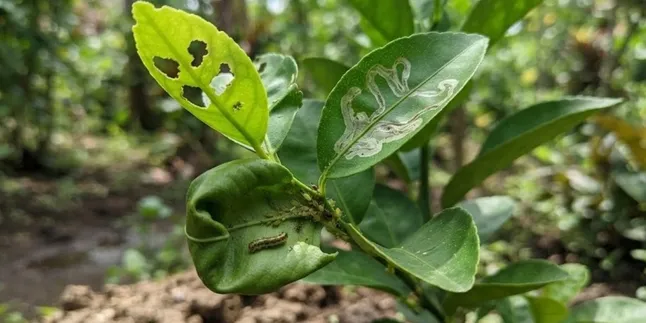
Find out the causes of holes and curling in citrus leaves, ranging from caterpillars, snails, to the leafminer pest that often attacks.
Discover effective ways to arrange plates and glasses in the kitchen to keep them neat, save space, and look more aesthetic. Starting from sorting items to using special racks.

10 popular movies about villains getting karma, from betrayal to endings that feel very satisfying.
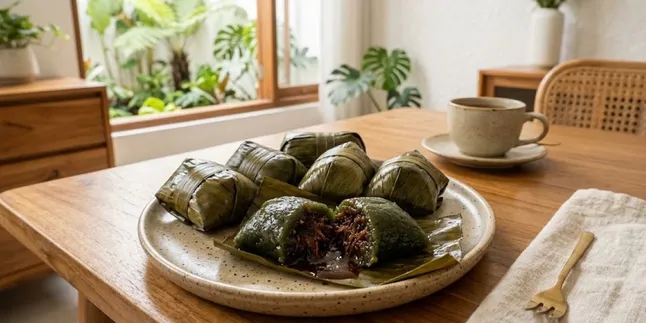
Recipe for glutinous rice cake filled with coconut and brown sugar, a popular traditional snack also known as Kue Bugis or Awug-Awug, with a chewy texture and a sweet, rich filling that tempts the palate.

Discover nine dolphin and ocean life themed movies that touch the heart, complete with synopses and ratings for your inspirational viewing.

Recommendations for marathon runner-themed films that can be watched to lift your spirits when you're feeling down.

Recommendations for Korean dramas about extended families with complicated relationships, from Reborn Rich to Our Golden Days, that keep you intrigued until the end.
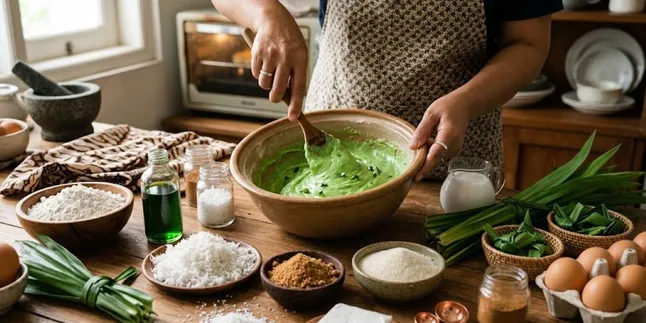
Create pandan sago cake with a crunchy texture on the outside and melt-in-your-mouth inside. This recipe combines sweetness, savory flavor, and a distinctive pandan aroma, perfect for Eid or daily snacks.
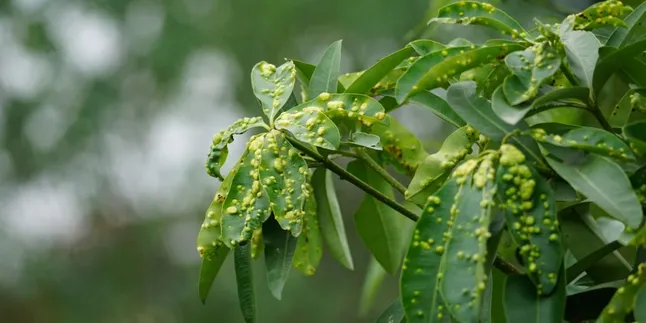
Recognize plant pests that often hide behind leaves, such as aphids and mites. Understand the signs of their attack.
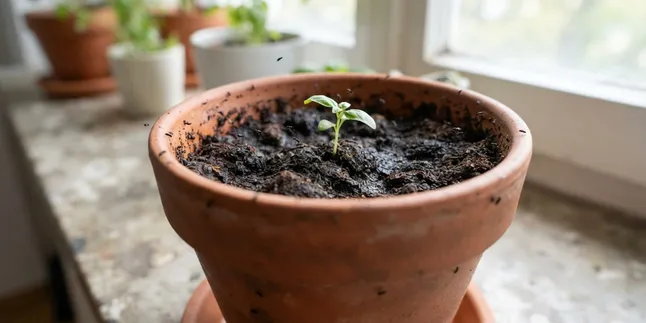
Why do potted plants often attract small flies? Discover various main causes of fungus gnats, ranging from overwatering, poor drainage, to decaying organic matter, along with their solutions.
Make a practical, delicious, and easy banana oat cake recipe without wheat flour, no mixer needed.
