

 Follow
 Rekomendasi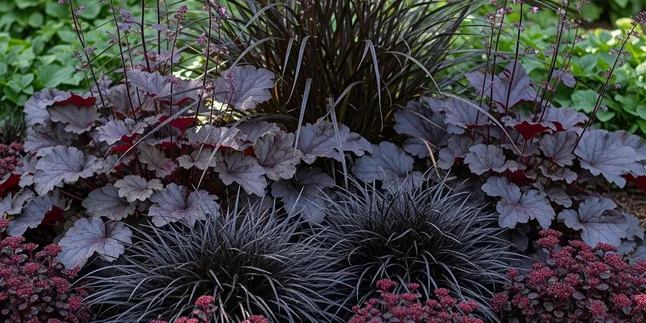
Dark-Colored Plants That Make Gardens Look More Elegant, There Are 10 Beautiful Choices
Want your garden to look more elegant and classy? Discover 10 dark-colored plants with unique leaves that can be a focal point in your yard.
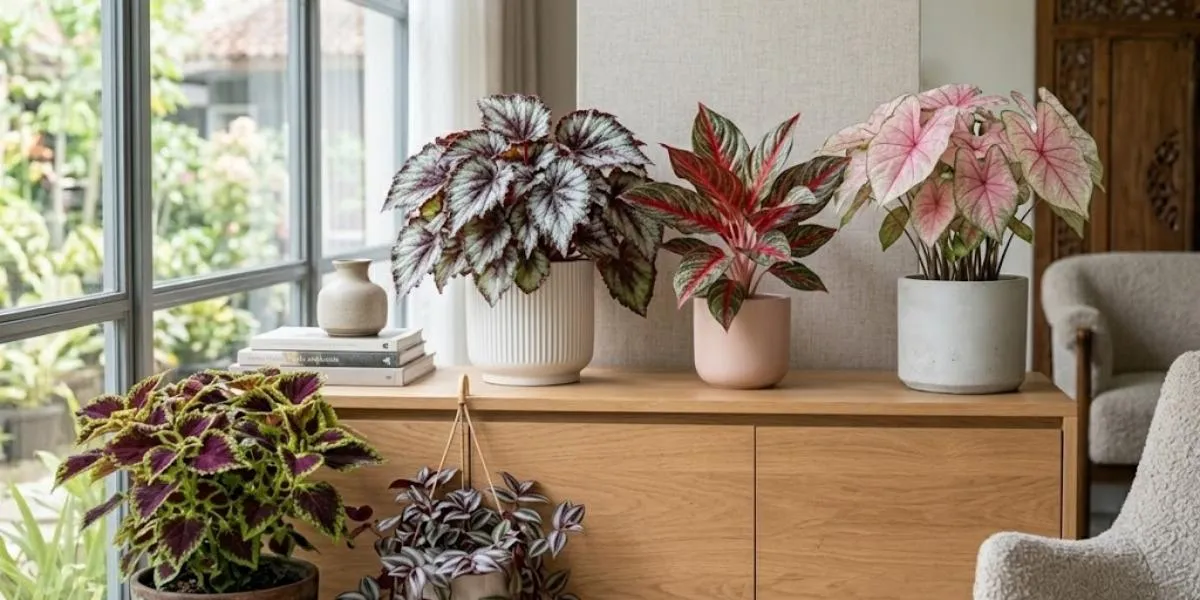
Kapanlagi.com - A well-arranged home interior can still feel flat if it lacks strong visual accents. Plants with attractive leaf colors can be a simple way to bring color without having to change furniture or repaint walls. Green, pink, purple, white, and even yellow can emerge from the foliage and become a natural focal point both inside and outside the home.
Colorful foliage plants also have a different character than plants that rely on flowers. The colors and patterns on the leaves can last longer, making them a decorative element even when the plants are not in bloom. Better Homes & Gardens even highlights that colored foliage can provide visual appeal to gardens throughout the seasons, while flowers tend to appear for shorter periods.
There is quite a variety of plant options. Some have heart-shaped leaves and dramatic patterns, some have deep purple colors, and there are trailing plants with combinations of green and silver. The key is to match the leaf colors, plant sizes, light requirements, and room character to ensure a harmonious result, Thursday (13/8/2026).
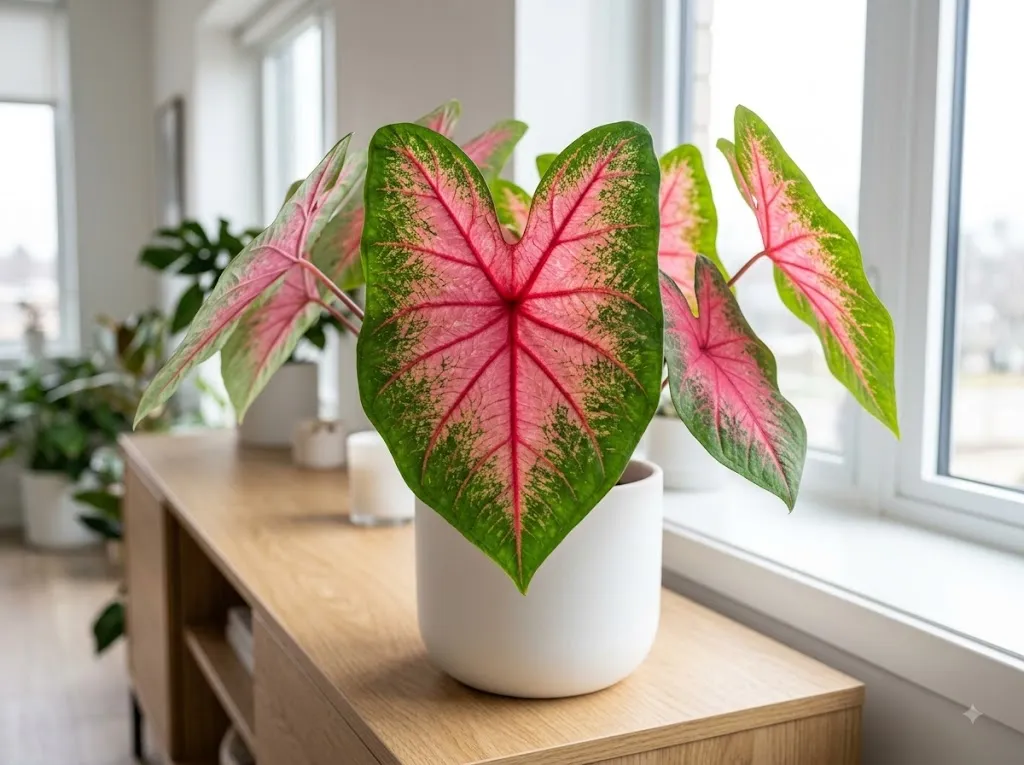
Plants with interesting leaf colors / Caladium (AI generated)
Caladium (Caladium bicolor) is an interesting choice for ornamental plant lovers who want to bring strong colors. Its heart-shaped leaves come in a combination of colors that can include green, white, pink, and red. The vein patterns and color fields on its surface make each leaf look like it has its own painting.
This characteristic makes caladium suitable as a focal point in a corner of the house. This plant can be placed in a decorative pot near a window, in a shady terrace, or in an interior area that receives light according to its needs. Better Homes & Gardens notes that caladium can be used to beautify shady areas and plant containers, with light requirements depending on its variety. Well-draining planting media and consistent moisture are also important for its growth.
The colors of caladium will appear even more striking when placed around neutral-colored elements. White, gray, or light brown pots, for example, can make the pink and green colors of the leaves stand out more clearly.
Aglaonema has long been a favorite plant for beautifying home interiors. Its appeal lies not only in the shape of the plant but also in the variety of colors and patterns of its leaves. Depending on the cultivar, aglaonema leaves can show a combination of green with hints of red, pink, yellow, or silver.
Its appearance tends to be softer compared to coleus or caladium. Therefore, aglaonema is suitable for homeowners who want color but do not want the room to look too crowded. This plant can be placed in the living room, workspace, hallway, or any corner of the room that needs a natural touch.
When choosing aglaonema, pay attention to the light requirements of the variety being purchased. The attractive leaf colors should not be the only consideration. Light conditions, moisture of the medium, and air circulation should still be taken into account so that the plants can grow well.
Begonia rex (Begonia rex-cultorum) offers a more dramatic appearance. Its leaves are relatively large with surfaces displaying a combination of colors and complex patterns. Shades of green, silver, purple, red, and pink can appear in the form of lines, fields, or spiral patterns.
This uniqueness makes begonia rex feel like both a decorative plant and a collectible. Just one pot is enough to be a focal point on a table, shelf, or corner of the room.
Better Homes & Gardens includes rex begonia as one of the pink-leaved plants that can add color to a space and is known for its decorative foliage.
To highlight the beauty of begonia rex, avoid placing it among too many plants with similar patterns. Provide visual space so that the shape and color of its leaves can be clearly seen.
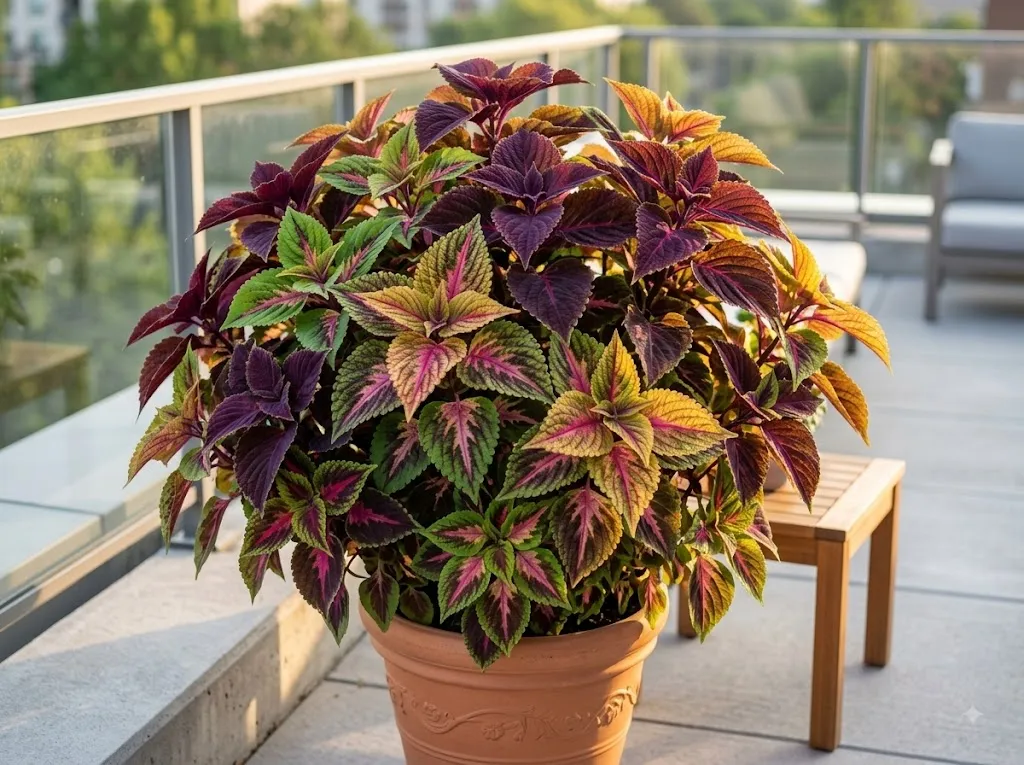
Plants with interesting leaf colors / Coleus (AI generated)
If you want a plant that looks expressive, coleus (Plectranthus scutellarioides) deserves a spot on your list. The colors of its leaves are very diverse, ranging from red, purple, maroon, yellow, orange, to bright green. The patterns are also not monotonous as they can be in the form of colored edges, leaf veins, spots, or combinations of several colors at once.
Coleus is suitable for use as an accent in the garden or in pots. Better Homes & Gardens describes coleus as a flexible plant because certain varieties can thrive in both sunlight and shade. The choice of location still needs to be adjusted according to the characteristics of the variety you have.
Basic care is relatively easy as long as water needs are met. The planting media should be fertile, moist, but still have good drainage. In hot and dry conditions, potted plants may require more frequent watering. Pruning by pinching the growth tips can also help the plant become bushier.
Interestingly, coleus does not have to stand alone. Several varieties with different colors can be combined in one area to create a more dynamic composition. Better Homes & Gardens also shows the use of coleus in pots with combinations of different colors and shapes to produce a layered look.
Tradescantia (Tradescantia zebrina) has a different character from broad-leaved plants like caladium and begonia. Its leaves are elongated with a mix of green, purple, and silver arranged in stripes. This combination gives a modern yet light impression.
The stems can grow trailing, making this plant suitable for hanging pots, tiered shelves, or containers placed in higher locations. As the stem elongates, the leaves will create a visual effect like a flowing stream of color moving downward.
Tradescantia can be a choice for a room with minimalist decor. Its trailing form helps fill vertical space without making the floor feel crowded. The purple and silver colors of its leaves can also provide an interesting contrast when placed near plain green plants.
Coral bells or Heuchera are an interesting choice, especially for gardens. This plant is known not only for its flowers but also for its foliage, which comes in a variety of colors. Better Homes & Gardens notes that coral bells can have chartreuse, purple, red, bronze, green, and silver leaves, with some varieties even having contrasting veins or spots.
The shape of its leaves, which are lobed, provides a different texture compared to plants with long or heart-shaped leaves. In the garden, coral bells can be used as border plants, fillers, or accents among green-leaved plants.
The light requirements for coral bells also vary significantly depending on the variety. Some can grow in full sunlight to shade, but good drainage soil conditions remain important.
The color of its leaves keeps this plant attractive even after the flowers have finished blooming. This characteristic makes it an example that plants with interesting leaf colors do not always have to rely on flowers to create a colorful garden.
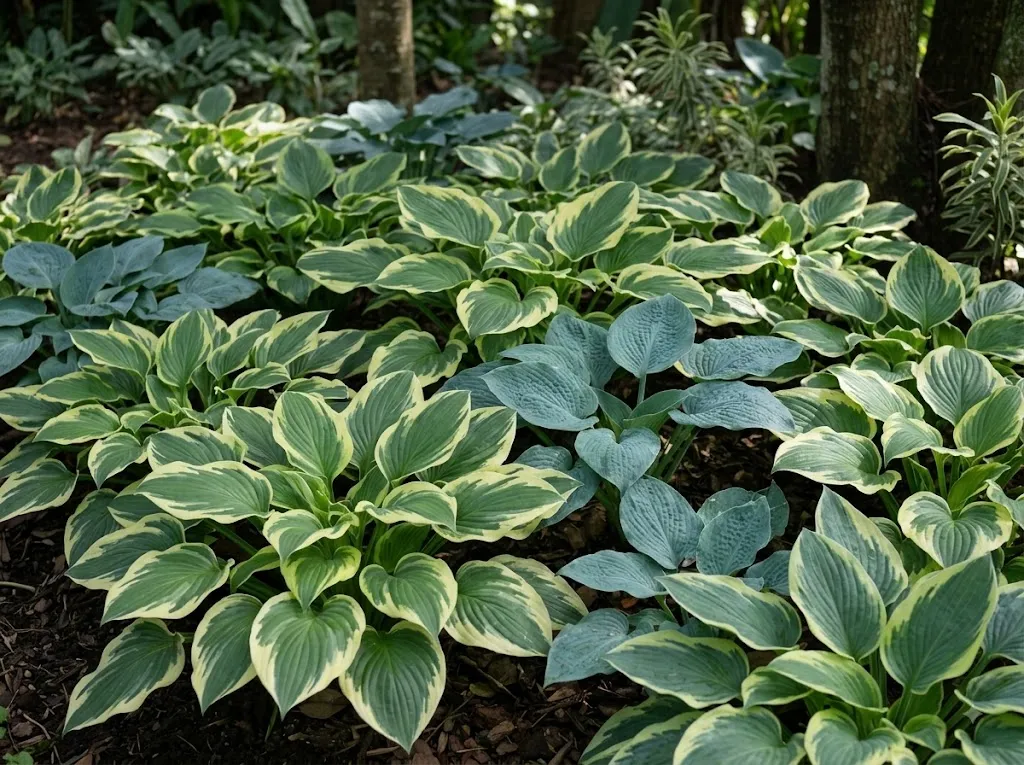
Plants with interesting leaf colors / Hosta (AI generated)
Hosta is an excellent choice for shaded garden areas. This plant has a wide variety of leaf colors, ranging from blue-green, emerald green, chartreuse, to combinations of green and white.
The advantage of hosta lies in its ability to create texture and color in areas that struggle to get direct sunlight. Better Homes & Gardens refers to hosta as a shade-loving plant with a diverse range of leaf colors, while its size can vary greatly, from mini types to large-sized plants.
Wide hosta leaves can provide an interesting backdrop for plants with smaller leaves. Color combinations can also be made more balanced by placing green hostas near plants with purple or yellow leaves.
Japanese maple (Acer palmatum) offers leaf colors with very strong character. Depending on the variety, this tree can have leaves that are red, purple, yellow, or orange. Some varieties maintain their distinctive colors throughout the year, while others show more intense color changes in certain seasons.
Better Homes & Gardens notes that the Japanese maple comes in a variety of colors, sizes, and leaf shapes. This plant can be shaped into a small tree or a multi-stemmed shrub, making its use quite flexible in landscaping.
Because of its potential to grow quite large, the Japanese maple is better suited as a landscape element than as a tabletop plant. This plant can become a focal point in the yard, especially when surrounded by plants with simpler green foliage.
The presence of colorful foliage plants like the Japanese maple also indicates that garden color doesn't always have to come from flowers. Foliage can be a main element that provides visual character as the plants grow.
Choosing plants with interesting leaf colors ultimately isn't just about finding the most striking colors. Each plant has different needs for light, water, soil medium, humidity, and growing space. Caladium and rex begonia can provide dramatic accents, aglaonema gives a more tranquil impression, coleus offers bold colors, while tradescantia presents a light trailing effect.
For gardens, hostas and coral bells can enrich shady areas, while the Japanese maple can serve as a more prominent focal point. By adjusting the character of the plants and the conditions of the place, leaf color can become a natural decorative element that makes homes and gardens feel more alive, fresh, and personal.
Plants with attractive leaf colors are those that have leaf colors or patterns that are the main attraction, not just relying on flowers. Their colors can be bright green, yellow, white, pink, red, purple, silver, or a combination of several colors.
Yes, but not all types have the same light requirements. Aglaonema, begonia rex, and some types of coleus can be used as indoor plants with the appropriate light conditions. Pay attention to the needs of each variety before determining the location.
Not always. The intensity of color can be affected by variety, light, water, nutrients, temperature, and growth conditions. Some plants also experience natural color changes with the changing seasons.
Provide light according to the plant's needs, use planting media with good drainage, keep watering regular, and prune if necessary. For example, in coleus, pruning the tips can help maintain a bushier plant shape.
Both have their advantages. Flowering plants provide color when they bloom, while colorful-leaved plants can maintain visual appeal through their foliage. Combining both can create a garden with richer texture and color.
(kpl/yni)
Cobain For You Page (FYP) Yang kamu suka ada di sini,
lihat isinya
Want your garden to look more elegant and classy? Discover 10 dark-colored plants with unique leaves that can be a focal point in your yard.

These tricks for organizing kitchen drawers help keep cooking utensils from getting messy and make them easier to find.

Discover a list of items that are often placed in the wrong spot and make your home messy quickly, complete with easy tips to tackle them every day.
Is your pothos wilting in the hot terrace? Let's check out how to care for pothos in a hot terrace so its leaves don't yellow and wilt.

Discover the most effective and safe ways to remove fuzz from hijabs. A complete guide to caring for your beloved hijab to restore its smoothness like new, supported by textile expert research.

From inspiring true stories to satirical dramas, these films about the struggle of job hunting present a portrait of the realities of the professional world.
How to grow beets in pots for beginners, from choosing pots, planting seeds, caring, to harvesting.

8 disaster movies based on true stories and the original tales behind them, from Titanic to The Impossible.
How to care for orchids to bloom quickly with a complete guide on lighting, watering, fertilizing, and the ideal temperature for maximum results.
How to easily plant avocado from seed at home, starting from germination to being transferred to a pot.

The sentences typically uttered by psychopaths during conversations often sound normal. Recognize 10 signs to avoid being easily manipulated by those close to you.

Here are 12 ways to avoid feelings of loneliness while solo traveling so that your journey remains fun, comfortable, and memorable. Let's take a look.
