

 Follow
 Rekomendasi
Harvesting Rainwater to Reduce Heat Waves, Here’s How and Its Benefits
Rainwater harvesting offers a smart solution for mitigating heat waves in urban areas, cooling the environment, supporting vegetation, and saving energy.

Kapanlagi.com - Managing personal finances requires directed habits, starting from recording income, determining priority needs, to setting aside funds for the future. Many people feel their financial situation is secure as long as their income can meet monthly needs. However, the mistakes many people make in managing money often arise from simple decisions, such as impulsive shopping, delaying savings, or neglecting financial obligations.
Financial habits need to be evaluated periodically, so every penny has a clear purpose. Creating a budget, separating needs from wants, controlling debt, and building savings are important steps for anyone. Understanding the mistakes many people make in managing money also helps someone recognize bad patterns before they lead to bigger problems.
Financial planning doesn't have to be complicated or require a fantastic income to get started. Changes can be made through simple actions, such as recording daily transactions, setting spending limits, preparing an emergency fund, and determining financial targets. Knowing the mistakes many people make in managing money is the first step to building healthier, more stable financial habits that are oriented towards long-term needs.

Source: Unsplash
One of the mistakes many people make in managing money is not having a clear and structured monthly budget. Income is usually spent directly on paying various needs, buying goods, fulfilling desires, or paying bills without any predetermined spending limits. As a result, when entering the middle to the end of the month, the amount of money left becomes increasingly small, while the owner often does not know exactly which expense categories are consuming the most income.
A financial budget actually serves as a tool to provide a comprehensive picture of the relationship between total income and various financial needs. Through a budget, one can set spending limits for essential needs, installments, savings, investments, entertainment, transportation, food, and various other necessities according to economic capacity. There is no need to use a complicated recording system or special applications. A simple record of all income and expenses over a month can already provide insight into spending habits.
On the other hand, focusing too much on saving small expenses can also become a less effective habit if it leads someone to neglect major costs. Reducing purchases of coffee, snacks, streaming services, or app subscriptions can indeed yield certain savings. However, the savings may not result in significant changes if the costs of housing, transportation, food, education, or installments take up the largest portion of income.
Saving a few tens of thousands of rupiah still has benefits, but evaluating expenses worth millions of rupiah has the potential to have a greater impact on financial conditions. Therefore, conduct an assessment based on the scale of expenditures. First, identify the items with the highest costs, then consider whether there are more economical alternatives without reducing essential needs. This approach makes savings efforts more targeted and not just focused on small daily purchases.

Source: Unsplash by Defrino Maasy
An emergency fund is a special financial reserve to deal with various unexpected situations, such as job loss, medical needs, vehicle damage, home repairs, or other urgent expenses. The existence of this fund provides breathing room when someone faces difficult situations so that sudden needs do not have to be financed directly through debt.
Without an emergency fund, a person may be forced to use credit cards, online loans, or other financing facilities when facing urgent conditions. If these funding sources have interest and additional fees, the financial problem that initially was just a sudden expense can develop into a new obligation in the following months.
The amount of emergency fund does not have to be the same for everyone. Its determination can consider job stability, the number of dependents, the size of routine expenses, health conditions, and the presence of additional income sources. The less stable a person's income or the greater their dependents, the need for a reserve fund usually requires more serious attention.
In addition to not having an emergency fund, excessive use of consumer debt also becomes a problem. Debt is not inherently a bad thing. Certain financing can help meet important needs or support the achievement of financial goals. Problems arise when debt is used repeatedly to purchase goods or services that can actually be postponed.
The convenience of payment through credit cards, installments, and Buy Now, Pay Later services can make the price of an item feel lighter. However, these obligations still need to be paid in the following period and can reduce space in the monthly budget. Before taking on debt, calculate the total costs, interest, administrative fees, tenor, and repayment ability. Do not just look at the nominal monthly installment without considering the total obligations until the payment is complete.

Source: Unsplash
Small business owners often face issues when personal and business funds are not clearly separated. Income from sales can be directly used for household needs, while the purchase of raw materials, operational costs, or other business necessities is instead paid using personal accounts. If this habit continues, the financial condition of the business becomes difficult to read accurately.
Separating funds will help business owners know the amount of turnover, operational costs, capital, and profits more clearly. It doesn't have to immediately use a complex accounting system. Simple steps like having a dedicated business account and recording every income and expense can already help improve cash flow management.
Business owners can also determine the amount of funds that can be taken from the business for personal needs. Through this system, business funds are not easily depleted just to meet household needs, and business development can be monitored more realistically.
In addition to the issue of mixing funds, not having financial goals can also make it difficult for someone to maintain saving habits. Setting aside money without knowing the reason and target for its use often makes those funds easy to withdraw when a consumer desire arises.
Financial goals can include buying a house, preparing for education costs, building a retirement fund, traveling, paying off debt, buying a vehicle, or preparing for family needs. Set the target based on the amount of funds and a realistic timeframe. The more concrete a goal is, the easier it is to monitor and evaluate its progress.
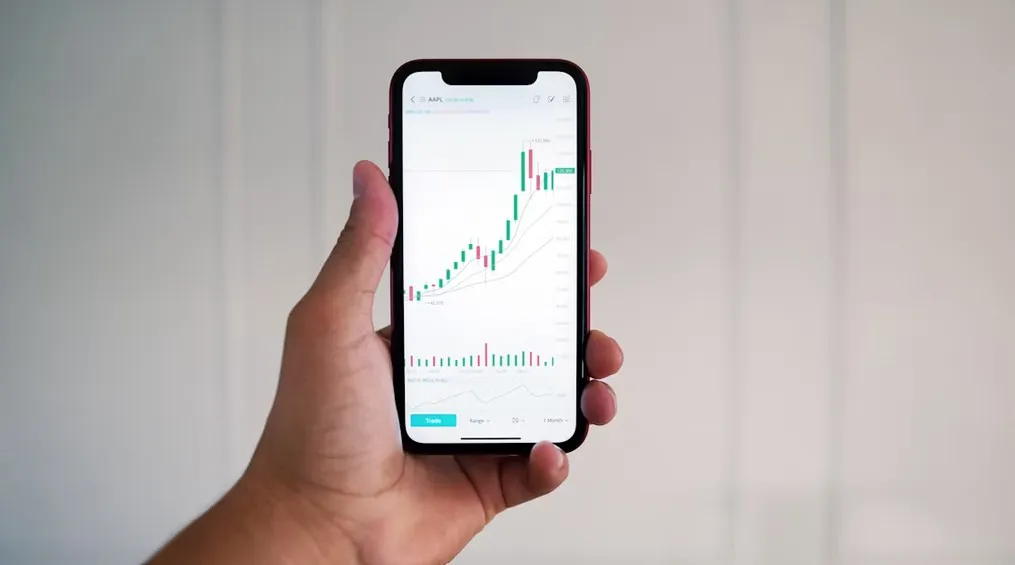
Joshua Mayo/ Unsplash
Some people think that saving for the future only needs to be done when income is already high. This mindset can cause someone to miss the opportunity to build financial habits from an early age. In fact, setting aside money does not always have to start with a large amount. Consistency in saving a portion of income can be an important foundation for building financial reserves.
The longer the saving habit is maintained, the greater the opportunity for someone to accumulate funds for various medium- to long-term needs. When income increases, the amount saved can be gradually increased according to capability. In addition to savings, investments can also be considered for specific goals according to risk profile, timeframe, financial condition, and understanding of the instruments used.
However, investments should not be made solely based on trends or recommendations from others. Choosing investment products without understanding their characteristics can lead to the risk of loss or place funds in instruments that do not meet needs.
Before placing money, understand how the instruments work, potential returns, possible losses, costs, liquidity levels, timeframes, and risks that may arise. Do not allocate funds for important needs in the near future to high-risk instruments just to chase potentially higher returns.
A simple principle to remember is understand the product before buying. Do not make past profits the sole reason for making a decision. Also, ensure that the product aligns with personal financial goals and capabilities.
Taxes and fees often go unnoticed when someone makes financial decisions. Investment gains or certain income can be affected by tax obligations, so the net amount received may differ from initial estimates. Calculating pre-tax returns alone may not provide an accurate picture of the profits that can actually be enjoyed.
In addition to taxes, also pay attention to administrative fees, transaction fees, management fees, withdrawal fees, and various other costs depending on the type of financial product used. Evaluating based on results after accounting for taxes and fees can provide a more realistic picture of the effectiveness of a financial choice.
For complex tax issues, consider obtaining professional assistance according to the tax regulations in your area. This is especially relevant if someone has multiple sources of income, investments, businesses, or significant assets.
Another common mistake is not checking old accounts and investments. Individuals who have changed jobs or have multiple accounts may lose track of their financial assets. Old accounts, investments, or funds from previous jobs should be reviewed periodically so that the owner is aware of the asset position and management status.
Check balances, fees, investment status, account goals, and beneficiaries if relevant. A well-organized financial administration not only makes it easier for the owner to conduct evaluations but can also help family members or related parties understand the existence of assets when needed.

Source: Unsplash by Defrino Maasy
An increase in income is a positive development in financial life. However, an increase in earnings can lose its benefits if it is immediately followed by a similar or even greater increase in lifestyle. When income rises, a person may immediately choose a more expensive vehicle, a larger residence, eat out more often, buy branded goods, or increase the frequency of travel.
As a result, the amount of money left over each month does not experience significant growth even though earnings are much higher. This pattern can make a person continue to feel financially strained and struggle to build assets in the long term.
Some of the income increase should be allocated to strengthen financial conditions. This fund can be used to enhance emergency savings, increase savings, pay off debt, invest, or accelerate the achievement of financial goals. Enjoying the benefits of increased earnings is still allowed as long as it is done proportionally and does not sacrifice essential needs.
For couples or families, communication about finances also plays an important role. Income, debt, savings, children's needs, investments, routine expenses, and future goals should be discussed openly. Each party may have different habits and priorities, so communication is necessary to ensure that financial decisions do not operate independently.
Without healthy discussions, partners may have different targets or may not even be aware of each other's financial obligations. This situation has the potential to create conflict and make it difficult to implement family financial plans. Financial discussions do not have to take place every day. Periodic evaluations can help partners understand the latest conditions, adjust priorities, and determine the next steps together.
Some common mistakes include not creating a budget, shopping impulsively too often, neglecting an emergency fund, using debt for consumptive needs, not having financial goals, and mixing personal money with business money.
This situation can occur due to unplanned expenses, excessive shopping habits, large installments, or the absence of a budget limit. Small repeated expenses can also consume a portion of income without being noticed.
Not necessarily. The issue is not solely about the coffee, but whether the spending aligns with one's capabilities and priorities. If routine purchases disrupt basic needs, savings, or obligation payments, that habit needs to be evaluated.
Yes. A high income does not automatically result in a healthy financial condition. An expensive lifestyle, consumptive debt, uncontrolled spending, and minimal planning can keep someone struggling to save money.
(kpl/ses)
Cobain For You Page (FYP) Yang kamu suka ada di sini,
lihat isinya
Rainwater harvesting offers a smart solution for mitigating heat waves in urban areas, cooling the environment, supporting vegetation, and saving energy.

Make your home corners livelier! Discover a selection of plants with cascading shapes that are perfect for decorating home corners.

Looking for a love story that blossoms slowly? Check out these slow burn romance drama recommendations, guaranteed to make you feel with deep chemistry and a touching storyline.

Check out a list of inspiring films about writers and novels, ranging from biographies to fiction. Discover the stories behind legendary works and the struggles of their creators.

Bring an artistic touch to your home with a collection of uniquely-stemmed plants; this collection is not only beautiful but also easy to care for.

How to make salt water for chili plants with safe measurements and the right application method to ensure the plants are more fertile, healthy, and bear abundant fruit without the risk of damage from excess salt.

Discover acupressure points to naturally lower high blood pressure. Easy and safe ways to help the body relax and control hypertension.

Looking for quality entertainment? Check out 10 recommendations for dramas about psychology that broaden your understanding of mental health. Complete synopsis and cast are here!

Yellowing plant leaves often indicate problems. Identify various causes ranging from watering, nutrition, to pests, and find effective ways to address them so that your plants can return to health.

Maintaining the quality of food ingredients and equipment is important? Pay close attention, there are kitchen items that should not be placed near windows due to exposure to sunlight and temperature.

Not just flowers, plants with attractive leaf colors can be an instant solution to make your home or garden more aesthetic. From bright red to striped patterns, let's take a look at the best options!

Want your garden to look more elegant and classy? Discover 10 dark-colored plants with unique leaves that can be a focal point in your yard.
