

 Follow
 Rekomendasi

Acupressure Points to Lower High Blood Pressure, This is a Natural Method and Safe Guide
Discover acupressure points to naturally lower high blood pressure. Easy and safe ways to help the body relax and control hypertension.
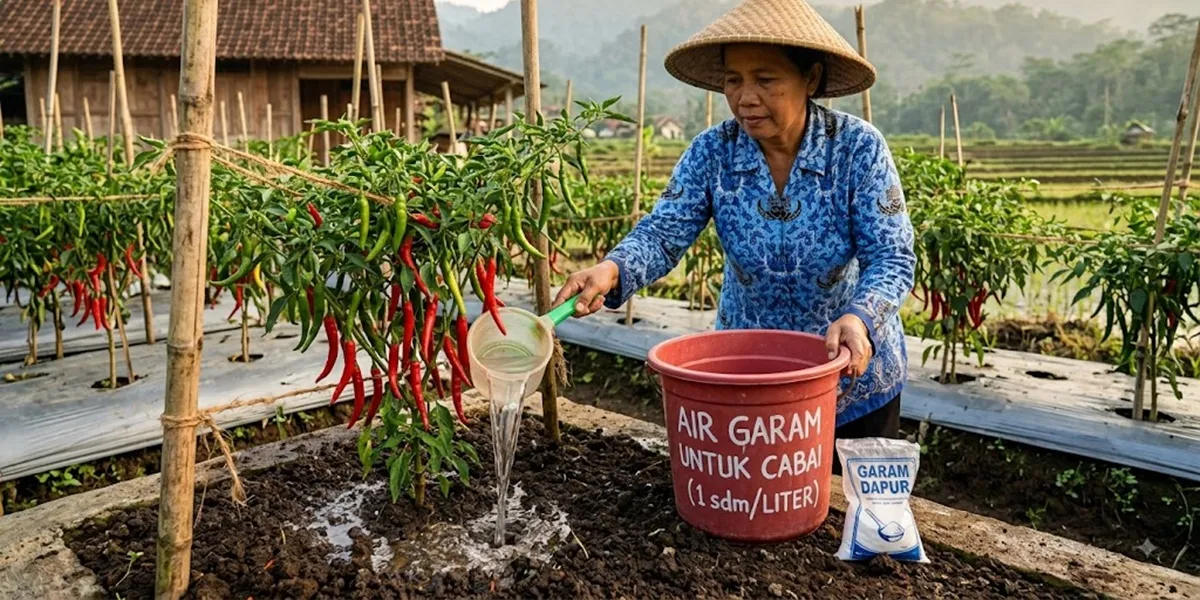
Kapanlagi.com - The method of making salt water for chili plants needs to be done with the right measurements so that the plants grow fertile and bear abundantly. Use clean water and salt without additives, then dissolve it slowly until it is evenly mixed and safe to use on chili plants in the home garden.
The salt solution can be poured onto the root area or sprayed onto the leaves in the morning and evening. It is advisable not to use it too often to prevent salt buildup in the soil. The right dosage helps maintain plant health, supports flowering, and improves the quality of chili fruits.
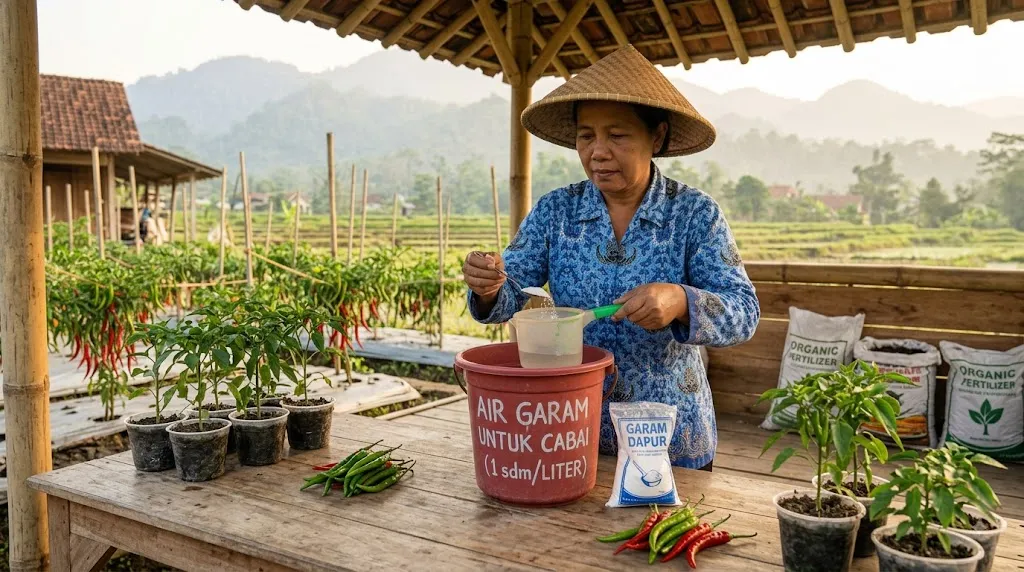
Preparing brine solution for chili plants. [AI Generated]
Use well water, rainwater, or tap water that has been settled for several hours. Clean water helps the salt dissolve completely and reduces the risk of disturbances to the chili plant roots. Avoid water that contains too much chlorine or chemicals as it can affect the health of the plants and nutrient absorption.
Choose table salt without coloring and preservatives, coarse salt, Epsom salt, or Himalayan salt. Epsom salt contains magnesium that helps in chlorophyll formation and keeps the leaves green. It is advisable to avoid salt with high iodine or anti-caking agents as they are less ideal for chili plants.
Mix half a teaspoon of salt into one liter of water for light treatment. This solution is often used when the plants start to bloom or when you want to help reduce flower drop and fruit set. A low dose is safer for young plants and minimizes the risk of root stress.
Use one teaspoon to a maximum of one tablespoon of salt per liter of water for general use. Start with the lowest dose, then observe the plant's response over several days. If the plants remain fresh and show no signs of wilting, the solution can be used periodically as needed.
When the plants enter the flowering and fruiting phase, use a more diluted solution, for example, two tablespoons of salt for sixteen liters of water. This concentration is considered safer for productive plants. The diluted solution helps reduce the risk of salt buildup in the soil and maintains good water absorption.
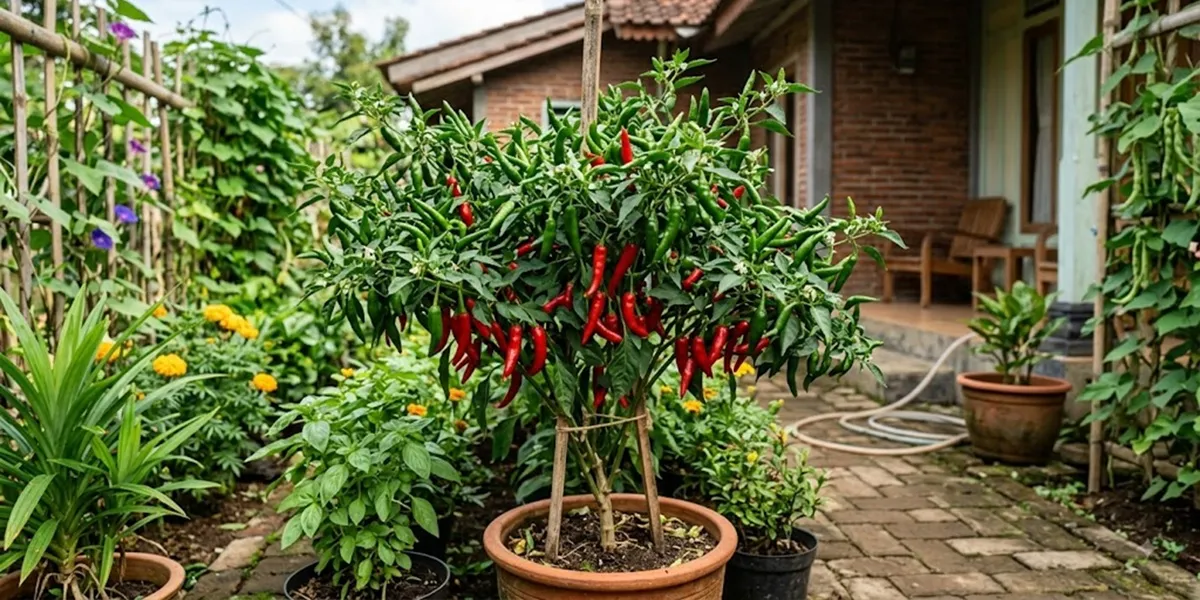
Chili plants. [AI Generated]
Pour salt gradually into the container with water to make it easier to dissolve. This method helps prevent clumping and makes the concentration of the solution more uniform. Gradual mixing also facilitates stirring so that no part of the solution is too concentrated when used on chili plants.
Stir the solution using a spoon or stirrer until all salt grains are completely dissolved. A solution that still has crystals can cause uneven concentration and poses a risk of affecting the roots with excessively high levels. Make sure there are no residues left before the solution is used for watering or spraying.
Check the solution after stirring. The water should appear clear or only slightly cloudy without any salt grains at the bottom of the container. A well-mixed solution will be safer for plants and help distribute the nutrients contained in the salt more evenly when applied.
Water the solution adequately on the soil around the roots, not directly on the main stem. This method helps the roots absorb dissolved nutrients more effectively. Watering the root area also reduces the risk of the stem becoming too damp, which can trigger diseases or rot in chili plants.
Pour the solution into a spray bottle and then spray it thinly and evenly on the leaves. Spraying is best done in the morning or evening when the temperature is not too hot. Avoid spraying during scorching sunlight as the salt solution can increase the risk of leaf burn.
Use the salt solution in small amounts and not too frequently. Excessive use can lead to salt buildup in the soil, making it difficult for the roots to absorb water and nutrients. Common symptoms include yellowing leaves, wilting plants, stunted growth, and a gradual decrease in chili fruit production.
What are the benefits of salt water for chili plants?
Salt water can strengthen plant structure, prevent flower and fruit drop, improve fruit quality to be sweeter, control pests and diseases, neutralize soil pH, and serve as a source of essential micronutrients.
How to make a salt water solution for chili plants?
Mix one teaspoon to a maximum of one tablespoon of salt (non-preservative/coloring table salt, coarse salt, or natural salt like Epsom/Himalayan) into one liter of clean water, then stir until the salt is completely dissolved.
What is the right amount of salt water for chili plants?
The general measurement is one teaspoon to one tablespoon of salt per liter of water. To prevent flower and fruit drop, use 1/2 teaspoon of crushed salt per liter of water. For the generative phase, it can be 2 tablespoons of salt per 16 liters of water.
How often should salt water be applied to chili plants?
Fertilizing with a salt solution should ideally be done twice a month or every two weeks. Some sources recommend a routine every 14 days for maximum results, or once a month if the plants are no longer producing.
What are the risks of excessive salt water use on chili plants?
Excessive doses can lead to dehydration and wilting of plants due to osmotic pressure, inhibit the absorption of water and nutrients, become toxic, cause salt buildup in the soil, and damage the leaves.
(kpl/ini)
Cobain For You Page (FYP) Yang kamu suka ada di sini,
lihat isinya
Discover acupressure points to naturally lower high blood pressure. Easy and safe ways to help the body relax and control hypertension.

Looking for quality entertainment? Check out 10 recommendations for dramas about psychology that broaden your understanding of mental health. Complete synopsis and cast are here!
Yellowing plant leaves often indicate problems. Identify various causes ranging from watering, nutrition, to pests, and find effective ways to address them so that your plants can return to health.
Maintaining the quality of food ingredients and equipment is important? Pay close attention, there are kitchen items that should not be placed near windows due to exposure to sunlight and temperature.
Not just flowers, plants with attractive leaf colors can be an instant solution to make your home or garden more aesthetic. From bright red to striped patterns, let's take a look at the best options!
Want your garden to look more elegant and classy? Discover 10 dark-colored plants with unique leaves that can be a focal point in your yard.
These tricks for organizing kitchen drawers help keep cooking utensils from getting messy and make them easier to find.

Discover a list of items that are often placed in the wrong spot and make your home messy quickly, complete with easy tips to tackle them every day.
Is your pothos wilting in the hot terrace? Let's check out how to care for pothos in a hot terrace so its leaves don't yellow and wilt.

Discover the most effective and safe ways to remove fuzz from hijabs. A complete guide to caring for your beloved hijab to restore its smoothness like new, supported by textile expert research.

From inspiring true stories to satirical dramas, these films about the struggle of job hunting present a portrait of the realities of the professional world.
How to grow beets in pots for beginners, from choosing pots, planting seeds, caring, to harvesting.
